Tagged Under:
Classroom Management: Build a Positive, Student-Centered Environment
Relationships, clear expectations, differentiated instruction and an organized classroom are essential to create a positive atmosphere.
Managing a classroom requires more than expertise. You must also develop meaningful relationships with students, have strong organizational skills and provide clear expectations. A successful classroom or music program thrives when relationships and structure work together. As educators, our goal is to create a learning environment where every student feels supported, challenged and motivated. After this learning environment is established, you can begin meaningful teaching. Here are some strategies to build and maintain a positive, productive and student-centered classroom.
Relationships are the Foundation
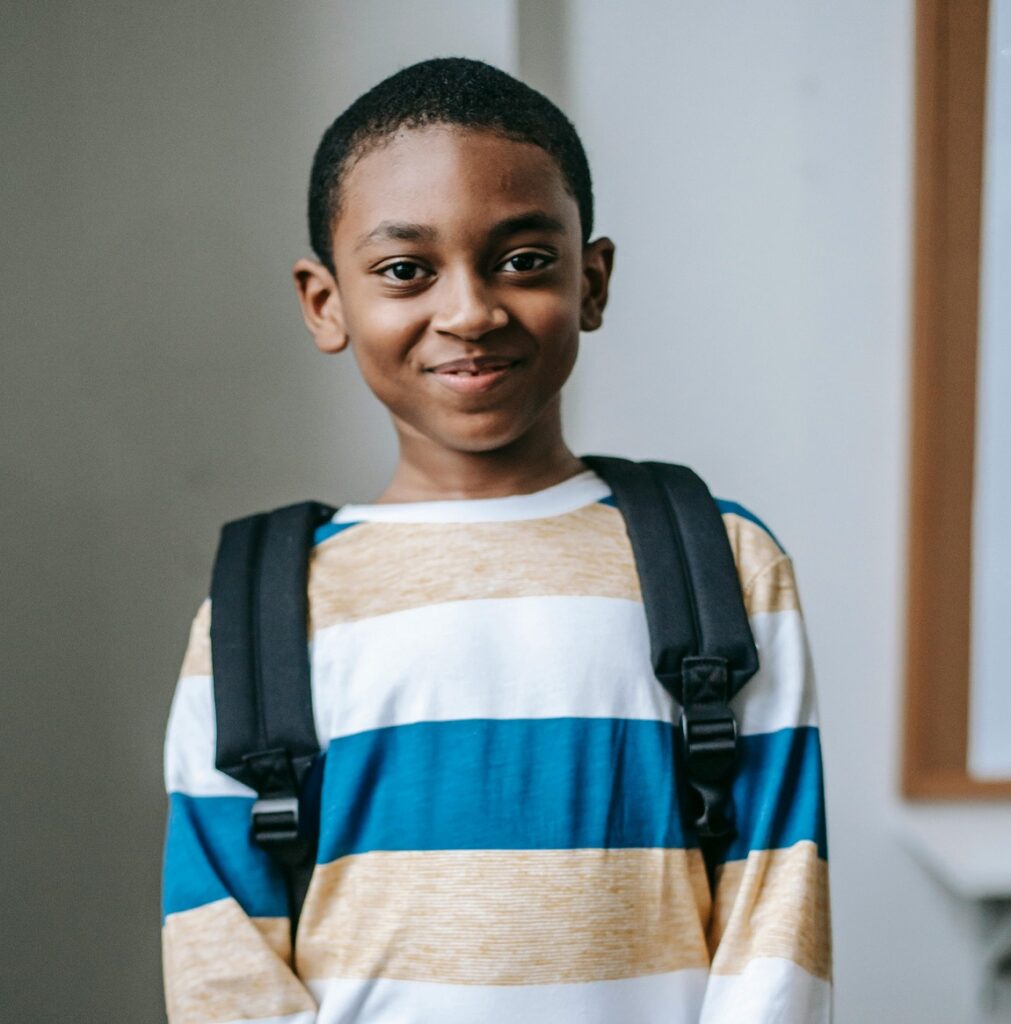
Effective classroom management begins with relationships. Students will be far more engaged and responsive when they feel seen and valued. Take the time to get to know each student, which includes learning their name, interests, other activities and background. As you spend more time with students, learn about their favorite pieces of music or art, their personal goals and how they plan to improve. This will help build trust and rapport.
I had the pleasure of working with a small band program of 80 students in 5th-12th grades, and I was able to get to know my students very quickly. Currently, I oversee a band program of over 550 students in 7th-12th grades. When I started working with the larger program, it was impossible to immediately learn everything about my students. I was disappointed that I did not know my students as well. However, I was determined to glean this information about each student over their time in our program through daily greetings, check-ins and informal conversations. These interactions show students that they matter as individuals. When strong relationships exist, discipline and motivation will naturally follow.
Clear and Consistent Expectations
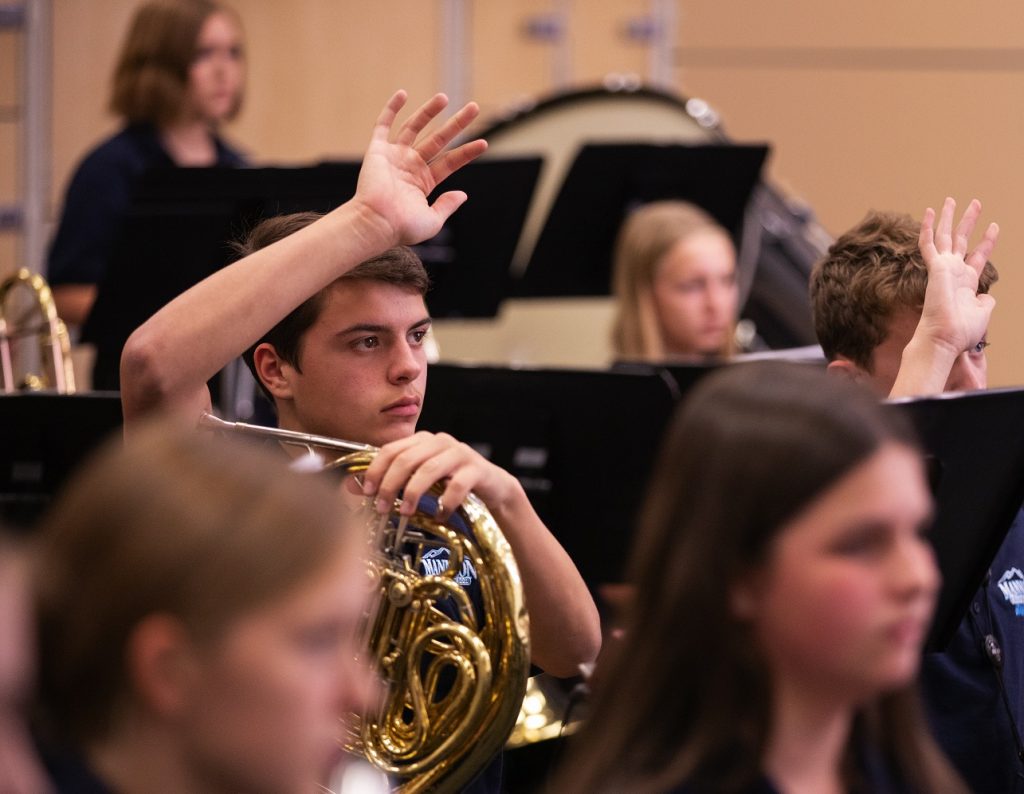
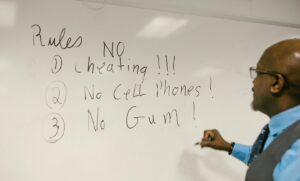
The backbone of a well-managed classroom is to set up students for success with clear and consistent expectations. It’s important to establish routines from the very first day, including warm-up procedures, instrument storage, transitions and rehearsal etiquette. At the beginning of the school year, students learn expectations for how to enter the classroom. If they do not enter correctly on subsequent days, they are all taken back outside the classroom to try again.
Expectations should be communicated verbally, visually and through modeling so students understand exactly what is required of them. Reinforcing these expectations regularly, even when things are going well, helps maintain predictability and confidence. Consistency reduces confusion, minimizes behavior issues and creates an environment where students know what to expect each day. Students are successful and thrive when they know the expectations. It is the teacher’s responsibility to ensure that students know the expectations and to hold them accountable.
Plan for Consequences
Another essential element of maintaining structure in the classroom is to have a plan for consequences. This plan should be communicated to students at the beginning of the school year. Clearly defining what happens when expectations are not met ensures that students understand the boundaries of acceptable behavior. Consequences should be applied evenly and without emotion. It is vital that students understand there are consequences to their actions, and that consequences apply to all students.
You may choose to have a progressive system that begins with a verbal reminder, moves to a private conference, then parent contact and finally escalates to administrative support when necessary. My goal is to handle any form of discipline in the classroom. Administrators know that if I bring them a situation, then I have already followed corrective steps. Keep documentation of behavioral concerns in order to help you identify patterns, support interventions and aid in communication with parents and administrators.

Addressing Problem Students
Most classroom management issues will be addressed easily and quickly when you have relationships, clear and consistent expectations and a plan for consequences. However, there will always be that one or sometimes a handful of students who test the boundaries in your classroom. Addressing problem students requires patience, understanding and collaboration.
In the past, if I had an issue with a student, I would talk to their other teachers to see if they were having similar issues. These conversations helped me understand if this was an isolated issue in band or a larger issue. From there, I would choose my course of action with the student and parent.
As a young educator, I constantly had discussions with mentors on how to handle particular situations. Seeking advice from veteran teachers offers new strategies and different perspectives.
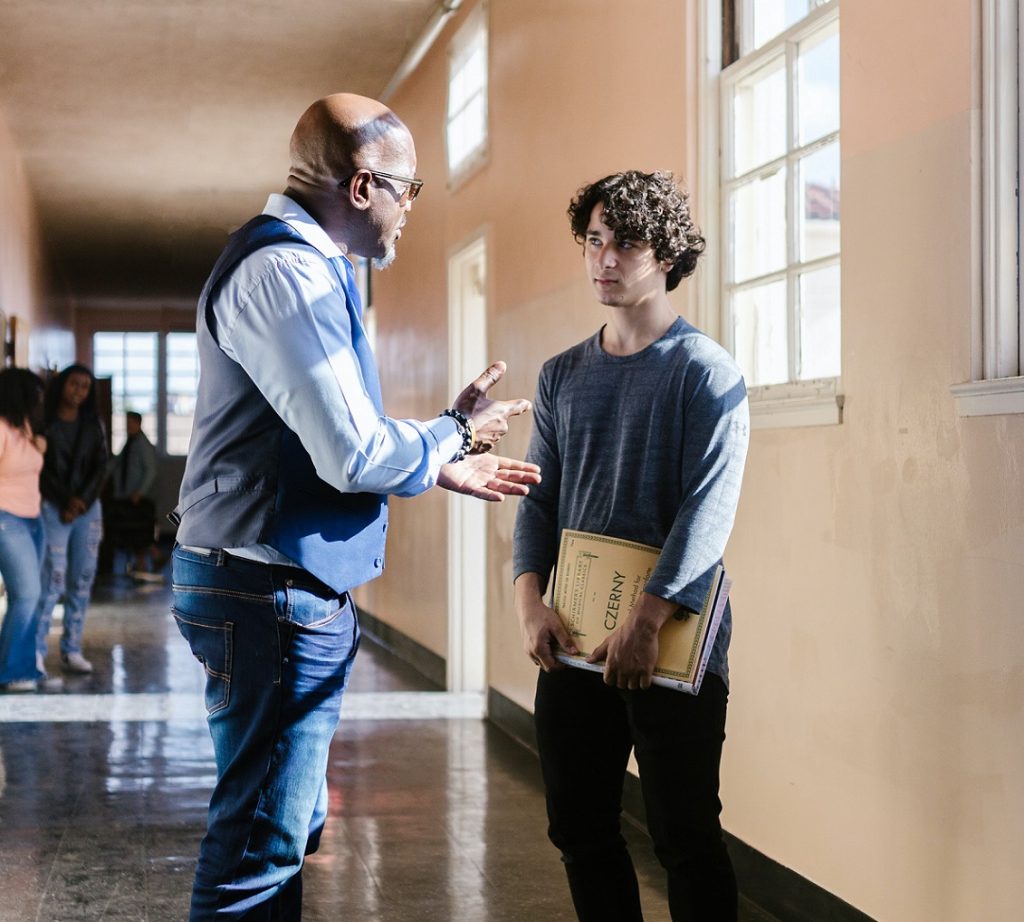
Other helpful tools include taking time to learn what motivates a student, what triggers frustration and where their strengths lie. This allows for more effective and compassionate intervention. Building a relationship before resorting to punishment ensures that students feel supported rather than targeted. Many behavior issues improve dramatically when students feel understood and valued.
An Organized Classroom
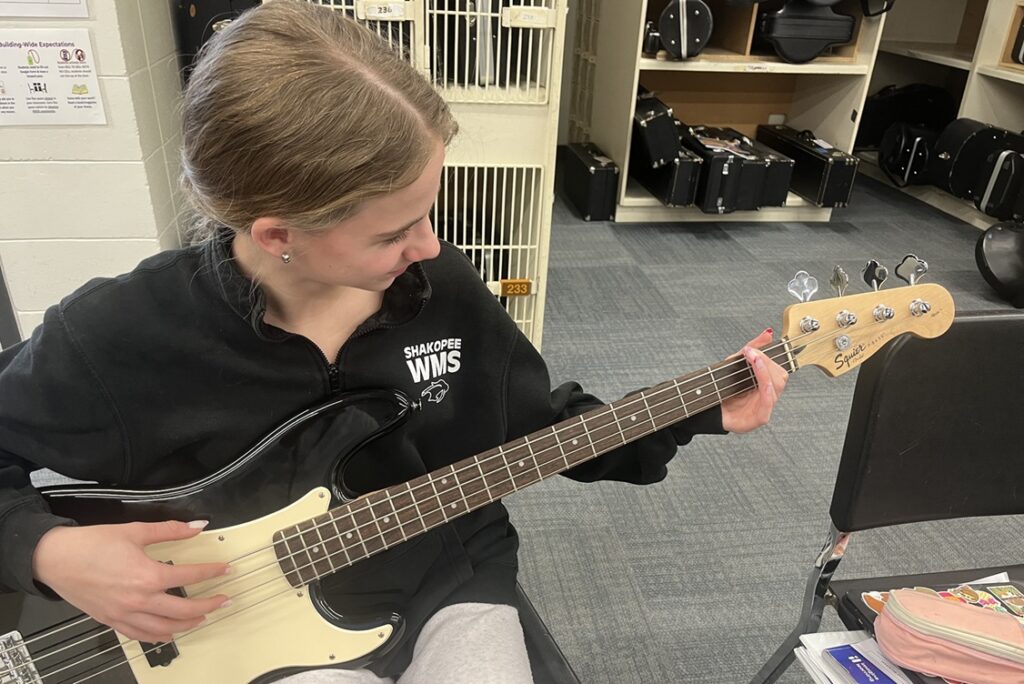
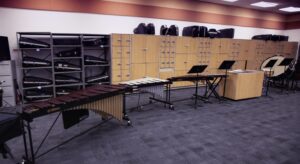
The physical organization of a classroom, especially a music classroom, plays a significant role in classroom management. A well-organized space with clear traffic flow, clear understanding of where all equipment goes and easily accessible materials minimize issues. In the event there is a problem, you will be able to get to the student quickly.
Teaching students how to care for the classroom fosters shared responsibility and pride in their environment. This is also a huge time-saver for busy teachers. When the classroom is orderly, rehearsals or classes run more smoothly, discipline issues decrease and students are more prepared to learn. A well-organized classroom also fosters the ability to use proximity control, which is a big help when managing individual student behaviors.

Differentiated Instruction
In a music classroom where students’ skill levels are varied, you must have daily differentiating instruction. We put students on different instruments or parts to meet the needs of that individual student. We are also encouraging to our top students to audition for honor bands or participate in solo and ensemble events. This allows the needs of all students to be met. Beginners to advanced musicians require different supports. Flexible grouping through sectionals, peer tutoring and student-led work encourages collaboration and ensures that every student receives instruction that matches their needs. Differentiation instruction keeps all students engaged and will minimize classroom behavior issues.

Positivity Makes a Difference
A positive atmosphere plays a critical role in creating a safe and welcoming classroom. Encouraging students during rehearsals, celebrating growth and recognizing character as much as talent helps build confidence and motivation. We tell our students that they cannot be a good musician without being a good person first. That is a fundamental character trait we expect from our students. Positive reinforcement in the classroom increases student buy-in and creates a space where students feel safe taking risks and pushing themselves. When students feel supported, they work harder and achieve more — and there are fewer classroom management issues.

Positive Feedback to Parents and Celebrate Student Accomplishments
Positive communication with parents strengthens the partnership between home and school. Reaching out through email, phone calls, the school portal and quick shoutouts after concerts help parents stay connected to their student’s progress. In addition, this communication builds trust in you and the program. Positive communication ensures parents hear from you even when everything is going well, and not just when there is a concern.
Celebrating student accomplishments fosters pride and strengthens the culture of the program. Recognizing achievements such as All-State selections, solo and ensemble success, leadership roles or personal improvement encourages students and builds enthusiasm within the program. Sharing this information through emails, social media or website posts showcases the success of the student and positive visibility of the program. Celebrating these accomplishments reinforces the value of hard work and determination to all your students.
By creating a consistent, positive culture rooted in relationships and consistency, educators can build classrooms where every student has the opportunity to succeed!
Keep reading