The Magic of “Me Time”
How to build sustainable habits for a healthy work-life balance.
In modern professional culture, particularly in education and service-oriented fields, “me time” is often viewed as optional or unnecessary. Many feel an unspoken expectation to be constantly available, responsive and productive. Emails arrive after hours, planning extends into evenings and personal commitments are postponed in the name of responsibility. While dedication and passion are admirable, the long-term cost of neglecting personal time is significant.
Research consistently demonstrates that chronic overwork and lack of recovery contribute to burnout, emotional exhaustion and declining job satisfaction (Maslach & Leiter, 2016). However, many professionals continue to push forward, believing they will eventually rest when things slow down. For most, that moment never arrives. Sustainable success is not built on constant output. It is built on intentional balance.
“Me time” is not a rejection of professionalism. It is an essential component of it. When individuals protect time to refuel, they bring greater clarity, patience and creativity to their work. Achieving this balance does not require large lifestyle changes or rigid boundaries. Instead, it happens through small, consistent habits supported by organization, intentional scheduling, and systems that honor both work and personal needs.

Reframing “Me Time” as a Professional Skill
One of the greatest barriers to work-life balance is mindset. Many professionals equate rest with laziness or fear that setting boundaries signals a lack of commitment. Occupational health research suggests the opposite. Individuals who regularly recover from work demands are more engaged, effective and resilient over time (Sonnentag & Fritz, 2007).
Reframing “me time” as a professional skill rather than a personal indulgence changes how it is prioritized. Just as planning, communication and organization are considered essential competencies, the ability to manage energy and recovery is as well. Professionals who master this latter skill are better equipped to sustain long careers without sacrificing health or fulfillment.
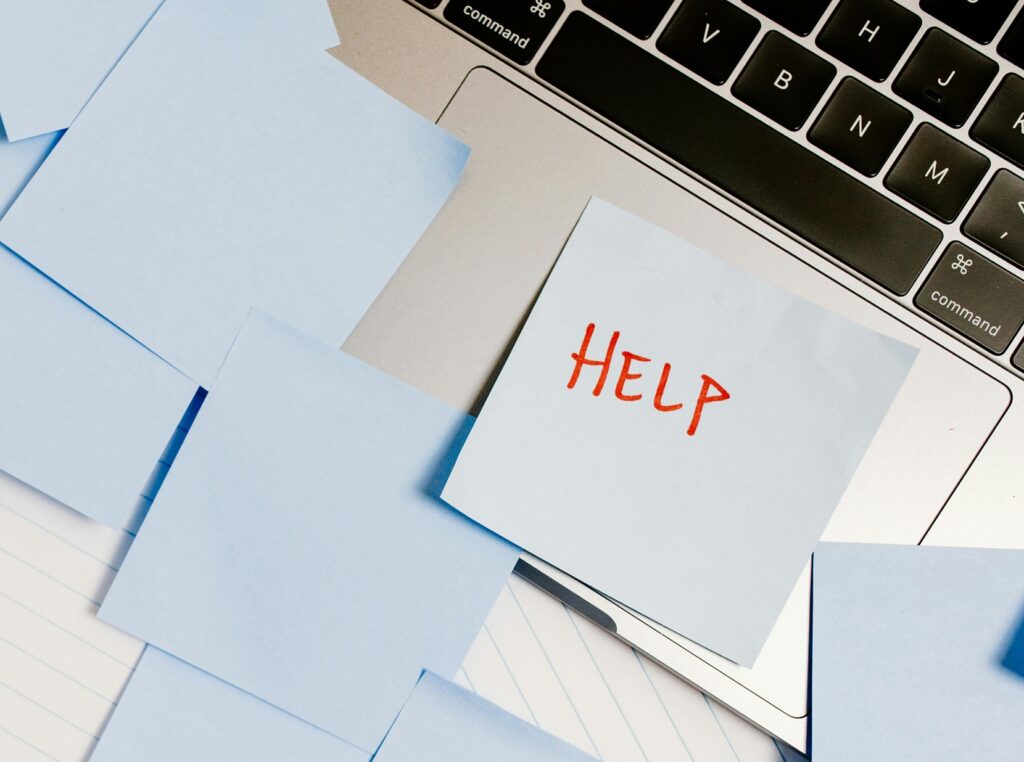
Organization plays a foundational role in this reframing. Disorganization often creates a cycle of inefficiency that pushes work into personal time. When tasks are unclear or systems are inconsistent, the workday becomes reactive rather than intentional. Over time, personal hours are consumed by unfinished tasks, not because of workload alone but because of a lack of structure. Thoughtful organization allows work to stay within its intended boundaries, making personal time possible.

The Role of Personal Hobbies in Long-Term Sustainability
Personal hobbies are often the first things to go in a busy schedule. Activities that once brought joy are gradually abandoned under the pressure of professional responsibilities. However, research consistently shows that hobbies play a vital role in stress reduction, emotional regulation and overall life satisfaction (Iwasaki, 2017).
Hobbies serve as more than simple distractions. They provide psychological distance from work-related demands. This distance allows the brain to shift out of problem-solving mode and into recovery. Whether the activity is physical, creative, social or contemplative, the key benefit lies in its ability to engage different cognitive and emotional pathways than those used at work.
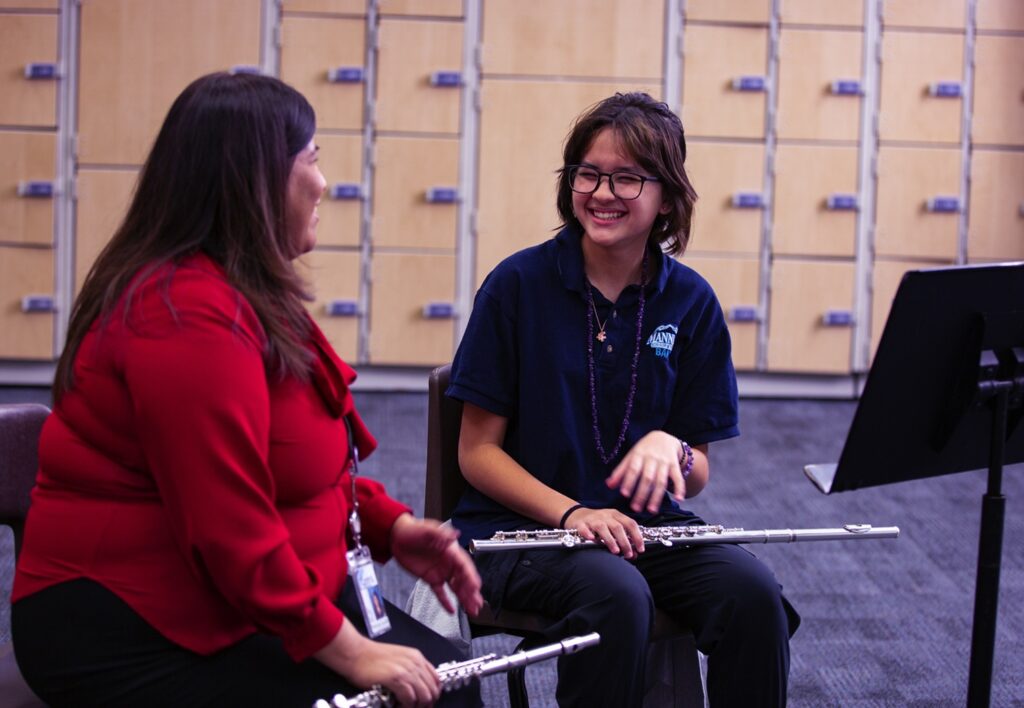
Choosing the right hobbies is crucial. Restorative hobbies are those that replenish energy rather than drain it. They do not need to be impressive, monetized or productive. Reading for pleasure, walking, cooking, making music, gardening or creative writing are examples of hobbies that allow individuals to engage fully without pressure. When hobbies become competitive or outcome-driven, they risk replicating the stressors of work.
Scheduling hobbies as intentional activities reinforce their value. When personal interests are left to chance, they are easily displaced by urgent tasks. Treating hobbies as non-negotiable appointments sends a clear message that personal well-being is a priority. Over time, these moments become essential anchors that provide rhythm and balance in an otherwise demanding schedule.

Small Moments with Big Impact
While extended personal time is important, balance is often built through small, intentional moments embedded within the workday. Brief mental breaks significantly reduce fatigue and improve sustained focus, according to research on attention and cognitive performance. (Ariga & Lleras, 2011). These small breaks do not require leaving the workplace or disengaging for long periods. Even a small break that lasts a few minutes can make a meaningful difference.
Small breaks might include stepping outside for fresh air, taking a short walk, listening to music between tasks or sitting quietly before transitioning to the next responsibility. These moments help regulate stress and prevent the accumulation of emotional exhaustion. More importantly, they also model healthy behavior for colleagues and students, reinforcing a culture that values well-being.
Many professionals hesitate to take breaks due to guilt or fear of appearing unproductive. However, research consistently shows that strategic pauses enhance performance rather than diminish it. A professional who is mentally refreshed is far more effective than one who is continuously exhausted. Over time, small breaks become a sustainable habit that supports both efficiency and emotional balance.

Designing a Schedule That Works With Your Energy
Time management alone is not enough to achieve balance. Energy management is equally important to balance. Chronobiology highlights that cognitive performance fluctuates throughout the day based on natural rhythms (Foster & Kreitzman, 2014). Ignoring these rhythms often leads to frustration and unnecessary fatigue.
Designing a personal schedule that aligns with energy levels allows professionals to work more effectively within the same amount of time. High-energy periods are best reserved for tasks that require focus, creativity or problem-solving, while lower-energy times can be used for routine or administrative work. This alignment reduces the overall effort required to complete tasks and preserves energy for personal time.
Protecting the start and end of the workday is another critical component. Clear temporal boundaries reduce work–family conflict and improve overall well-being (Derks et al., 2015). While complete separation is not always possible, even small boundaries, such as consistent end times or protected evenings, can significantly improve balance.
Building margin into the schedule is equally important. Overloaded schedules leave no room for unexpected responsibilities, resulting in personal time being sacrificed to compensate. Margin provides flexibility, reduces stress and allows individuals to respond to challenges without depleting their personal reserves.

Managing Mental Carryover After Hours
One of the most pervasive threats to “me time” is mental carryover. Even when physically away from work, many professionals continue to replay conversations, anticipate problems or plan tasks. This constant mental engagement prevents true rest and undermines recovery.
Mentally disengaging from work during non-work time is essential (Sonnentag & Fritz, 2007). Individuals who achieve this detachment experience lower stress, better sleep and improved emotional well-being. However, detachment does not mean ignoring responsibilities; it requires managing responsibilities effectively.
A simple system for capturing work-related thoughts can dramatically improve mental disengagement. Keeping a notebook or using a phone app to jot down quick reminders allows the brain to release those thoughts without engaging in full problem-solving. This practice of externalizing information reduces mental load and anxiety (Risko & Gilbert, 2016).
The key is restraint. Writing down a reminder should take seconds, not minutes. The goal is not to solve the problem, but to ensure that it is not forgotten. By establishing trust in this system, professionals can enjoy personal time without the constant fear of overlooking something important.

Organization as the Foundation of Balance
Organization is often misunderstood as rigidity or perfectionism. In reality, effective organization is about clarity and control. Clear systems for planning, communication, and task management reduce uncertainty and decision fatigue, allowing individuals to focus on what truly matters.
Perceived control is strongly linked to reduced stress and improved job satisfaction, according to organizational psychology research (Karasek & Theorell, 1990). When professionals know what needs to be done and have a plan to do it, work becomes more contained. This containment prevents work from encroaching on personal time.
Sustainable organizational systems are simple, adaptable and individualized. There is no universal solution that works for everyone. I like David Allen’s Getting Things Done model. The most effective systems are those that fit naturally into existing routines and can be maintained even during busy periods. Organization should serve the individual not become another source of pressure.

Building a Sustainable Approach to “Me Time”
Protecting “me time” is not about achieving perfect balance or eliminating stress. It is about creating systems that support long-term sustainability. Small, intentional choices such as scheduling hobbies, taking small breaks, aligning work with energy, managing mental reminders and maintaining organized systems will collectively create meaningful balance.
Professionals who prioritize recovery are not less committed — they are more resilient. Well-being and effectiveness are deeply interconnected, and individuals who protect personal time remain more creative, patient and engaged over the course of their careers.
“Me time” is not a reward reserved for the end of the day or the end of the week. It is a necessary component of a life and career that can thrive for years. By treating personal renewal as an essential practice, you can build a sustainable approach to work that honors both excellence in the workplace and well-being for your health.
References
- Allen, D. (2015). “Getting things done: The art of stress-free productivity” (Rev. ed.). Penguin Books.
- Ariga, A., & Lleras, A. (2011). “Brief and rare mental “breaks” keep you focused: Deactivation and reactivation of task goals preempt vigilance decrements.” “Cognition,” 118(3), 439–443. https://doi.org/10.1016/j.cognition.2010.12.007
- Derks, D., van Duin, D., Tims, M., & Bakker, A. B. (2015). “Smartphone use and work–home interference: The moderating role of social norms and employee work engagement.” “Journal of Occupational and Organizational Psychology,” 88(1), 155–177. https://doi.org/10.1111/joop.12083
- Foster, R. G., & Kreitzman, L. (2014). “The rhythms of life: What your body clock means to you!” Profile Books.
- Iwasaki, Y. (2017). “Leisure and quality of life in an international and multicultural context: What are major pathways linking leisure to quality of life?“ “Social Indicators Research,” 82(2), 233–264. https://doi.org/10.1007/s11205-006-9032-8
- Karasek, R., & Theorell, T. (1990). “Healthy work: Stress, productivity, and the reconstruction of working life.” Basic Books.
- Maslach, C., & Leiter, M. P. (2016). “Understanding the burnout experience: Recent research and its implications for psychiatry.” “World Psychiatry,” 15(2), 103–111.
- Risko, E. F., & Gilbert, S. J. (2016). “Cognitive offloading.” “Trends in Cognitive Sciences,” 20(9), 676–688.
- Sonnentag, S., & Fritz, C. (2007). “The recovery experience questionnaire: Development and validation of a measure for assessing recuperation and unwinding from work.” “Journal of Occupational Health Psychology,” 12(3), 204–221. https://doi.org/10.1037/1076-8998.12.3.204
Keep reading