The Fastest Way to Improve Your Band: Hit Record
This two-minute habit will help you catch the stuff you’re missing, improve your teaching and make your ensembles sound better.
You’re not lazy. You’re not missing something obvious. You just can’t catch everything in the middle of rehearsal chaos — and it’s hard to fix what you don’t hear. Here’s one small change that can make a big difference: Record your rehearsals.
Not to post for the public. Not to beat yourself up. Just to get a clearer picture of what’s really happening. It’s one of the fastest ways to improve your ensemble — and your teaching. I haven’t found anything else that gives more return on time.
Step 1: Record Everything
Use your phone. Hit record. Don’t overthink it. Nobody sounds great at first. That’s not the point. You’re capturing what’s real so you can make better decisions, not just go off memory.
Try this tomorrow:
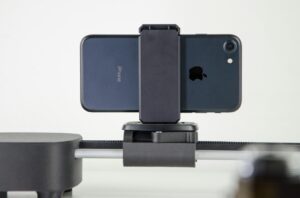
- Set your phone on a stand or music stand.
- Hit record during a full piece — or even just the first two minutes.
- Drop the file in a Google Drive folder called “Rehearsal Logs.”
That’s it. You’re done. This takes less than a minute, but it instantly gives you another set of ears — one that’s not buried in a score or scanning for posture or making sure kids figure out the new digital hall pass. That outside ear will catch things you simply can’t in real time.
Yes, those first few recordings might be rough. The balance might be off. You’ll probably notice things you didn’t even know were issues. That’s the goal. Now you’re working with information, not assumptions.

Step 2: Listen (But Not Right Away)
Don’t listen immediately after rehearsal. Wait until you’ve stepped away for a bit and your brain has had time to reset. On your first listen: Just press play. No score. No notes. Imagine you’re a parent in the audience. What sticks out? Then go back once more — this time, with the score — and jot down three quick things:
- What sounded better than expected?
- What clearly needs attention?
- What’s missing that you thought was there?
That’s it. You’re not doing a deep dive — just a quick check-up. Resist the urge to fix every little thing. Focus on what’s actually worth your rehearsal time. We’re looking for consistent or repeated issues — not one-time flukes. If your euphoniums crack one note out of 90 — skip it. If your flutes are 20 cents flat for eight bars — that’s worth your time. This is what keeps this process useful.
Why you can’t hear it in the room: Sometimes directors feel bad that they can’t hear everything going on. This isn’t because you don’t know what you’re doing. It’s because you’re juggling a dozen things at once:
- Taking attendance
- Scanning for broken reeds
- Fixing missing mallets
- Watching posture
- Fielding call slips
- Answering questions about the bus on Friday
- Tracking entrances while counting rests in your head
Meanwhile, your third clarinets are playing a rhythm that doesn’t exist. Even with great ears, you won’t catch it all. That’s not a skill issue — it’s an energy issue. Recording gives you the opportunity to hear what you missed the first time.

Step 3: Use It to Plan
This is where your reflection becomes actionable. That 3-minute clip? That’s your next lesson plan. You don’t need a new rep plan or method book. You just need to respond to what you actually heard. Examples:
- Balance issues? Adjust seating or mark in dynamics.
- Sloppy cutoffs? Have students mark what beat to release on, and practice breathing to keep the volume strong throughout.
- Dragging entrances? Rethink the count-in and isolate the transition.
Pick three things. Not 10. Just three. Write them down. Use them to start tomorrow’s rehearsal. If your next 10 minutes reflect what you heard today, you’ll start to hear changes — fast.
Step 4: Make This a Routine
Don’t treat this like a one-time tool. Make it part of your weekly rhythm. Keep it simple:
- Record one full piece a week.
- Label the file with the date and piece.
- Set aside one short review block — 20 minutes or less.
One listen = three targets = hours saved. This turns “What do I fix next?” into “Let’s go after these.” It doesn’t feel good to guess. But knowing exactly what section to rehearse and then fixing a problem quickly? That’s when you move from a “let’s-run-through-it-again” teacher to an accomplished music director.
Yes, listening is uncomfortable at first. The first time I listened to a full rehearsal, I almost turned it off halfway through. Wrong notes. Strange phrasing. Long stretches of musical wandering. It made me question everything — my teaching, my ears, even my rep choice. I remember thinking, How did I not catch this in the room? But the recording wasn’t personal. It didn’t critique me. It didn’t talk poorly about me. It showed me what was actually happening. A musical lie detector, right in front of me. And this helped me to know what direction to take to begin fixing things.

Step 5: Try Video (Once Audio Becomes Easy)
Start with audio. That’s plenty. But once that’s part of your process, try filming one piece — especially something with transitions or heavy percussion. You’ll notice things you didn’t even think to listen for:
- Are transitions actually working?
- Who’s standing around?
- Are percussionists reacting or waiting?
- Are you stopping too much?
- Are you doing more talking than teaching?
Five minutes of video will give you plenty of insight.
Before you start filming, 1) check your district policy, 2) get parent permission, if needed and 3) set up a tripod — the angle doesn’t need to be perfect. Then watch a short clip. No need to analyze every second — just let it play while you’re eating lunch or sorting music. This view may change how you rehearse!

Step 6: Let Students Hear Themselves
Want to show progress? Record your group’s first sight-reading of a piece. Then wait. Six weeks later, play it back. Your students will laugh, cringe … then, they’ll listen and realize: Whoa, we actually sound better now! That kind of progress is hard to explain in words. So let the kids hear it for themselves. You only have to do this once for each concert cycle.

Bonus: What to Listen For
Here’s a fast cheat-sheet for playback:
- Balance: What’s buried? What’s present? What’s a little too present?
- Rhythm: Who’s ahead? Who’s late? Who’s not quite sure what they are playing?
- Releases: Together or messy?
- Energy: Where does the group start to fade? Are they finishing phrases, or are some sections only holding a whole note out for two counts, maybe three?
- You: Are you over-explaining? Repeating yourself?
You’re not grading this. You’re collecting clues to make tomorrow’s rehearsal more focused.

You’ll Become a More Focused Teacher
Listening back gives you a second shot at what you missed. It lowers your stress, sharpens your priorities, and tightens your rehearsal strategy. And it helps you let go of the pressure to catch everything in real time. Because you won’t. Even seasoned veterans don’t hear it all. That’s okay. Now you’ve got tools that help you catch it later — and fix it faster. This isn’t some trendy hack. It’s not new. We’ve just avoided it because it feels a little uncomfortable. But try it anyway. That 30-minute listen might save you days of aimless rehearsal. And when you know what to do, you’ll feel better about yourself and make an even bigger impact on your students.
Keep reading