A Bassist’s Guide to Playing Guitar, Part 2
In Part 1 of this two-part series, I wrote about my experience picking up guitar for the first time. I firmly believe that learning even a little bit about other instruments can help you become a better bass player and a better all-around musician. For bassists, learning guitar feels like new territory, both mentally and physically. When I started playing guitar in earnest last year, I was curious to see where it’d take me and the journey held more than a few surprises. If you’re a bass player who’s thinking of learning guitar, here are a few tips that may help you get comfortable as you begin the process.
GETTING STARTED
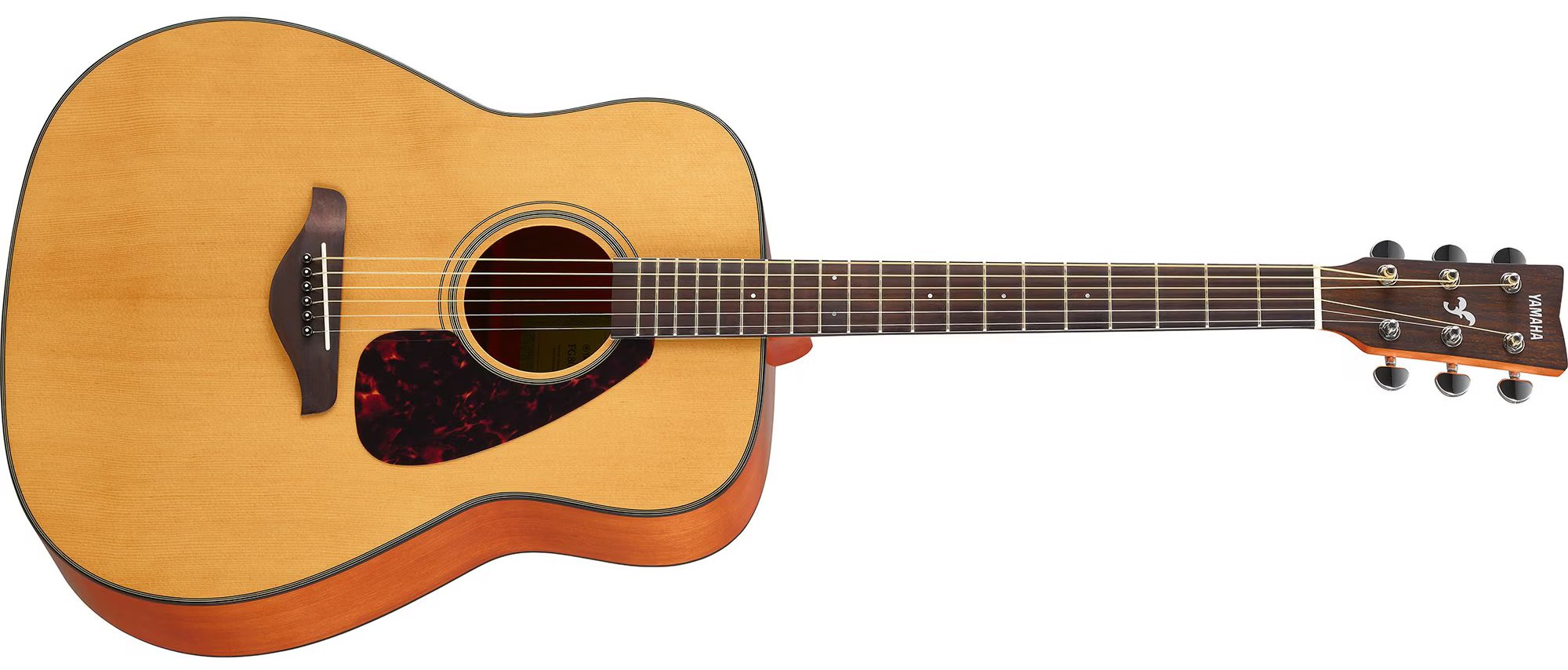
As I mentioned in Part 1, picking up guitar after playing bass is an adjustment for the hands; the spacing is tighter and the strings are thinner. Putting in the work does have its rewards, though: Even basic chords and double-stops on my Yamaha FG800J acoustic guitar (the instrument I chose for learning) sound great. Trying other acoustics has shown me that the wider string spacing of classical guitars can feel a bit more comfortable, however, especially for those of us accustomed to 5- and 6-string basses.
The mental shift is important, too. Generally speaking, bass players are expected to showboat the least; we mostly play single notes, and we choose those notes with intention. On our best days, we are the epitome of usefulness. But when we pick up guitar, we can be supportive without being foundational. We can imply chords without being definitive, and we don’t have to play nearly as much. Guitar players often “sit out” at will, but if the bass goes quiet, the band stops. For a bass player, this freedom takes some getting used to.
FIRST STEPS
I enjoy playing three-note chords (triads) on my 6-string Yamaha TRB bass (still available in Europe but since replaced in the U.S. by the newer TRBX line) and 5-string BBP35, so when I pick up a guitar, my first instincts are to play the same chord shapes I use on bass, as well as single-note lines and melodies on the low strings. Hearing chords that ring out cleanly and clearly on guitar is still a thrill.
Bass is tuned in fourths, which makes it easy to move shapes around the neck and get results without overthinking. A guitar’s four lowest-pitched strings (EADG) are also tuned in fourths — but the fifth string, B, breaks the pattern. (The high E on guitar, which is two octaves higher than the low E, is a fifth from B.) So playing my favorite three-note bass chords on the bottom strings of guitar is easy, but I’ve also learned that playing something as simple as basic intervals (thirds, fourths, fifths, sixths, sevenths and octaves) up and down a scale sounds good, too. And I’m learning to “mind the gap” by adjusting for that B string.
PLAYING RHYTHM
I started out as a drummer, and being inspired by Steve Gadd and Dave Weckl, my kit of choice was a Yamaha Recording Custom. When I switched over to bass as my main instrument, connecting with the drummer was a no-brainer, and rhythm guitar still grabs my attention. When I’m playing guitar, however, my responsibilities are different: My strumming hand still feels the need to keep the pulse, and even though it doesn’t feel as crucial as it is on bass, I like to think of downstrokes as the backbeat and upstrokes as a lift.
FLYING BLIND
After spending so much time analyzing and learning bass parts, I want to know exactly what I’m doing on guitar, but I’m learning to ease into a beginner’s mindset and enjoy simple pleasures without overanalyzing. It’s fun to play a random fret with one finger on the top three strings, for example, while experimenting with basic fingerpicking and strumming. Technically, that’s a first-inversion minor chord (think of it as a minor triad with the root on the top string), but I’m letting myself not overthink it. This “shape” is easy to do, and it sounds good. It’s those little victories that motivate me to keep learning.
NEW GIFTS
As bass players, we mostly think in root position: If the music asks for a G7 chord, we usually play a G and outline the chord with the third (B), the fifth (D), and the seventh (F). In my new role as a guitarist, where the root is not my responsibility, I’ve become more interested in inversions, which can help create smoother, more melodic bass lines and connect chords chromatically, especially when playing walking basslines. Playing inversions on guitar is great for my ears, and it reinforces the importance of the root on bass. It can be helpful to see our job from the outside and understand its importance.
I’ve noticed that when I return to bass after playing guitar, I’m more comfortable leaving space and I’m more selective about the notes I play. This journey is also making me realize how much of the acoustic guitar music I’ve absorbed is from West Africa and the African diaspora, and it’s interesting to hear those flavors come through my neophyte guitar hands.
LETTING GO
In my experience, learning guitar can feel like starting over, but really, it’s more about letting go. Playing guitar is a chance to enjoy new territory. Thinking like a guitarist doesn’t have to mean taking a “me-first” attitude; you just have to be OK not being the anchor. Embrace the change and know that this new adventure can stimulate your fingers, your ears, and your curiosity — and if you do it right, it’ll make you a better bass player too.
Keep reading