How to Attract, Train and Retain Volunteers
There are a lot of considerations after deciding to improve, replace or install a new audio system. Sound systems are made up of many parts, and the weakest link can negatively affect the whole. In many cases, that weakest link is often not gear but people — those charged with operating the system.
In this guide, I hope to provide you with an understanding of the elements of church sound systems, the different environments in which they will be used, and the skill level required to operate them.
In the “Understanding Room Acoustics” guide, I discussed the importance of making room acoustics functional for an audio system, regardless of the musical culture of your church. The next step to consider before choosing the appropriate equipment is who will be responsible for maintaining and operating the system.
If you serve in a small church (100 seats or less), the required skills to set up and operate the audio system will be less demanding than for a 2,500-seat church. The equipment needed to cover a smaller space is typically much less complex. In a portable church, for instance, you usually need simple connections between a powered mixer and speakers on stands. Larger spaces require systems with more components and control.
Depending on the size and complexity of your system, you need to determine the skill level required by volunteers to operate the system properly. Whether installing a new system or upgrading your existing one, ensure the components you acquire can be operated by techs with minimum training. It may not make sense to purchase gear with cool features and benefits if no one can access them, let alone use them correctly. Consider installing equipment that will be easy to use, assuring a consistently good mix.
ENCOURAGING PEOPLE TO VOLUNTEER
Count your blessings if your church has a person who has done sound for a living. If you don’t, you will have to recruit volunteers, which can prove tricky. Let’s face it: sound consoles are intimidating, whether big or small. So, how do you get people to step up? Here are a few things you can try:
- Make volunteer opportunities clear and accessible
- Offer a simple sign-up
- Conduct a church volunteer interest survey
- Promote your volunteer opportunities
- Make volunteering social
- Assure prospective volunteers that training will be included
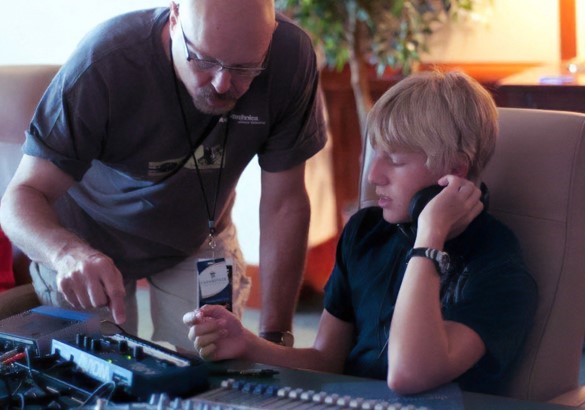
You can also set up an “Open House Day” to demystify the sound system. Demonstrate how the system works, identify its components, and explain how straightforward audio mixing can be. Prepare a simple outline of how and what your volunteers will learn. Most importantly, be ready to answer their questions.
TRAINING – WHAT TO THINK ABOUT
Just about anybody with a passion for serving can be trained to manage sound, but keep these points in mind when talking with prospective volunteers:
- Do they have a love for music?
- Do they listen to music often and critically?
- Do they have the willingness to serve?
- Are they dedicated to showing up early and staying late?
Audio system engineering is a science, certainly, but it requires more than just technical acumen — it also requires artistic elements. As a worship leader recruiting for the sound team, I would start by looking for musicians who are not on the platform. I know they love music already — they play it and listen to it. Because of that, they usually find it easier to train in technical skills.
Something to remember: a typical volunteer may be asked to operate the system for just 1-2 hours per week, so it becomes necessary to fill in the gaps between Sundays with practice. The question is, how? Many people are not in church except when mixing, so when and where will they practice?
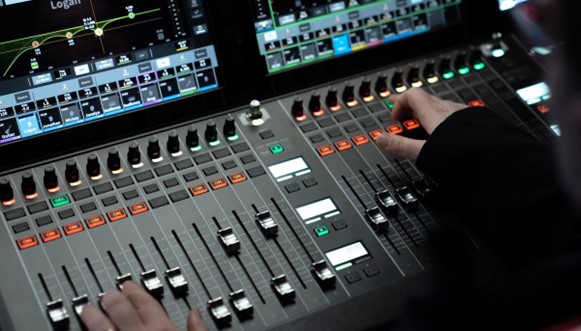
Developing your prospective sound team member’s ear is a great way to start. Listening to and understanding sound can be the most valuable tool in a tech’s arsenal — the ability to listen to music critically, de-construct it and tear it apart. Here are some apps and websites that can help:
- Tenuto App
- HearEQ App
- Good-Ear.com
- Quiztones App
- Teoria.com
- EarMaster.com
If potential volunteers can access a DAW (Digital Audio Workstation), they could download free multi-track recordings and practice mixing at home with a small set of monitors or headphones. This type of training translates into applying level changes, altering timber and tone with EQ, and controlling dynamic range with compressors and limiters.
Keep reading