Help Students Who Move In Mid-Year
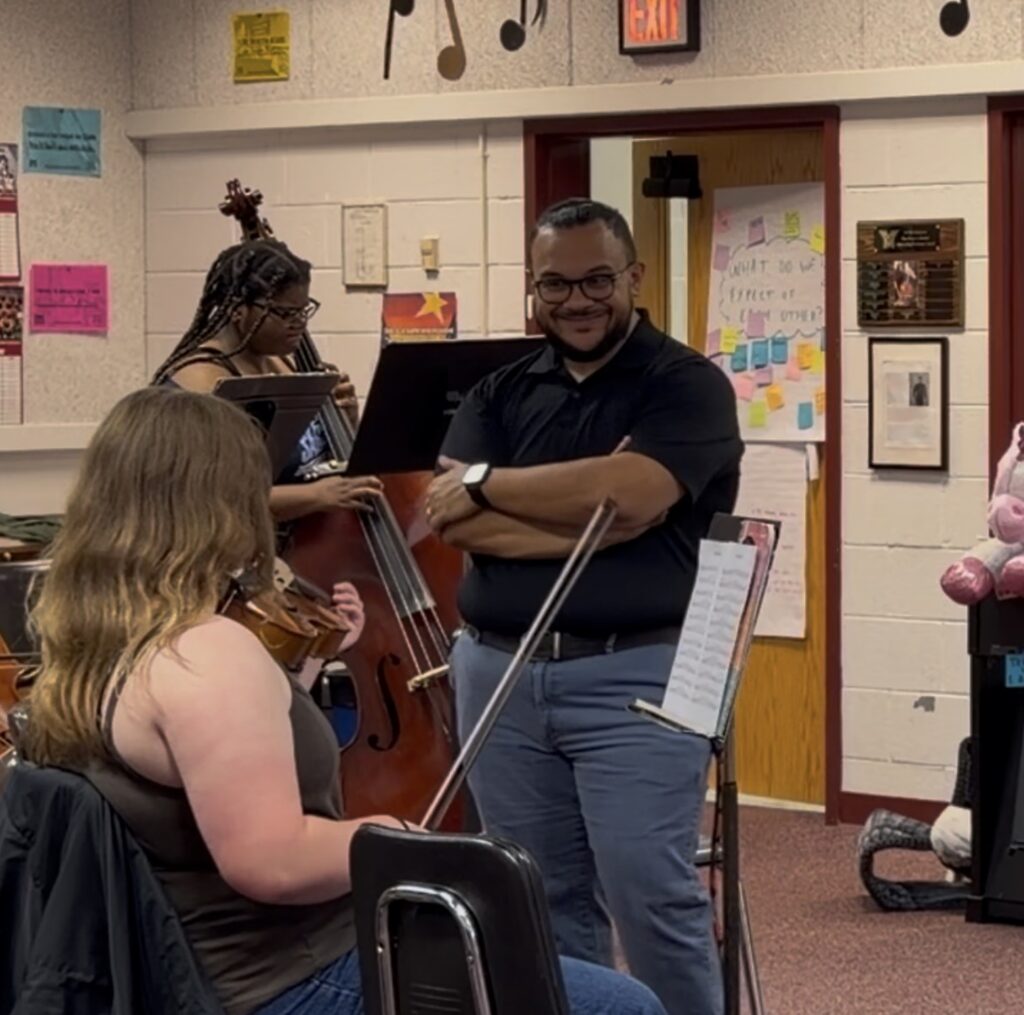
You take attendance, and there’s a name you don’t recognize. Someone new is sitting in the third row, holding an instrument like they’re not entirely sure it belongs to them. Or they walk in like they own the place and play louder than your entire trumpet section combined. Either way, you have a new student.
If you teach long enough — especially in a high-mobility school — this won’t be a rare occurrence. Students move in. Students move out. Some stay a week. Some stay four years. Some leave right before your concert while holding a part you now need to cover.
This is part of the job. The sooner you treat it that way, the easier this gets.

Don’t Blame the Kid (or Their Last Director)
It’s easy to explain what you’re seeing. You’re thinking, “They didn’t learn this.” “They had no expectations.” “They’re way ahead — what were they doing over there?” None of this helps.
They showed up with whatever they have — experience, habits, baggage. Now they’re yours.
If a new student says, “Sorry, I’m probably behind,” they’re already prepping for comparison. That tells you everything.
Keep it neutral and forward-facing: “Here’s how we do things here.”
Not better. Not worse. Just different. You’ll get trust faster, and you won’t put them in a defensive spot. And you don’t know the full story anyway.

Listen Before You Place
Before you decide where they will sit or what they will play — ask a few questions:
- What have you played before?
- What did rehearsals look like?
- Did you have sectionals?
Sometimes the answers don’t have much info. “I don’t remember. We just played songs.” That’s still useful. It may mean they’re starting from scratch on some basics.
Give them a quick picture of your setup: “Here’s what a normal week looks like.”
Follow it with: “What part of that do you think will be hardest for you?”
You’ll get real answers like: “I have a job.” “Counting — we didn’t really do that.”
Now you know what to plan for and how to place them. You’re also setting expectations.

Placement Isn’t Just Musical
Now let’s talk about the kid who overnight has become your strongest player. First chair — no question. But should you put them there?
If you do, you just changed the experience of the kid who’s been working for that spot all year. Everyone will notice, and everyone will have an opinion.
Same with leadership. I once had a family ask if their student could be drum major as a senior after moving in. There’s no perfect answer here. One time, I placed the new player at the top of the section — and watched the section get better immediately. But the kids who were long-time members were resentful.
I’ve also kept the returning student in that leadership spot. Most members acted like this made sense. But the new student felt like they’d never have a chance to grow.
Both times, someone was frustrated. Both times, I had to explain it. Neither one felt great in the moment. But you still have to decide.
They’re Either Ahead, Behind or In the Middle
If the student comes in ahead, don’t rebuild the group around them. Challenge them without letting the rest of the ensemble check out. Shared parts, small features or giving them responsibility works better than just handing them every solo opportunity.
If they’re behind, keep it simple: “Here are the two things to fix first.”
Not 10 things. Two. Overloading them doesn’t speed anything up. It just confirms they’re behind — and they already know this.
If they’re in the middle, great. Sit them next to someone solid and keep moving.
Check Their Instrument
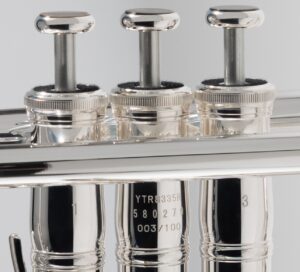
When a student moves in, the first thing I learn is their name. Shortly after, I do a quick instrument inspection.
- Does their instrument work?
- Do they have reeds/valve oil/sticks?
- Do they need any additional accessories?
Some students are shy and won’t ask for help. They’ll fake it and finger along because no one checked. Do periodic equipment and music checks the first week. Ask a student to help them.
If they can’t participate, nothing else matters.

Try to Understand the Move
Some families move because of a promotion or opportunity. Others move because they have to. Context can help you give the student what they need.
If you can, reach out to the previous director. Not for gossip — just useful information.
“They’re solid, just needs structure” or “They missed a lot last year” will help guide you in the most effective direction.
Plan For Reality
This may be the student’s fourth move in five years. If so, chances are they will move again.
You’re balancing two things:
- Give them a real experience
- Don’t change your program for one person
But don’t ignore them either — everyone in your room is your student. Assign parts that can be covered. Have a backup. Stay flexible.

Remember: This Is a Person
One thing that’s easy to forget in all of this: This isn’t just a part assignment or a seating chart change. It’s a kid, who just walked into a room with traditions, expectations and social circles. They don’t know your system or where they fit yet. And whether you mean to or not, they can tell if they’re being treated like an inconvenience.
You can be concerned about the ensemble setup and still show up for a new student. Give them some structure. Be clear about expectations. Check in with them early.
They don’t need you to have everything figured out on day one. They do need to know someone’s paying attention and actually wants them there.
Keep reading