Teach Music from a Trauma-Informed Lens
Trauma-informed teaching recognizes how a student learns, behaves and builds relationships are affected by their life experiences, including trauma. The work of Maxine Harris and Roger Fallot in the early 2000s helped articulate trauma-informed service principles, which were later expanded and adapted by educators for use in schools and classrooms.
Since then, trauma-informed music education has emerged as a field within this larger context, and now sits at the cross-section of trauma theory, mental health practice, social work, public health and education. Most of us are familiar with the practice of Social Emotional Learning (SEL), which focuses on helping students develop soft skills like self-awareness, social understanding and self-regulation. Trauma-informed teaching creates the classroom conditions for effective SEL practices to take place (Bauman-Field, 2024).
Trauma-informed practice in music education begins with the understanding that students do not enter our classrooms as blank slates. They come as whole people. They bring musical experiences, family histories and vast cultural knowledge. They also bring insecurities, stressors and even wounds that may not be initially evident (Goopy, 2026).
I am a strong advocate for intentionally building rapport with students to gain their trust — a critical first step which allows students to feel comfortable emoting in a safe, expressive and supportive music-making environment. This article explores the importance of each of these concepts under a trauma-informed framework. I hope that, through this exploration, we can see what we can do to better support both our music teacher candidates, as well as the K-12 students whom they will eventually serve.

Safety First
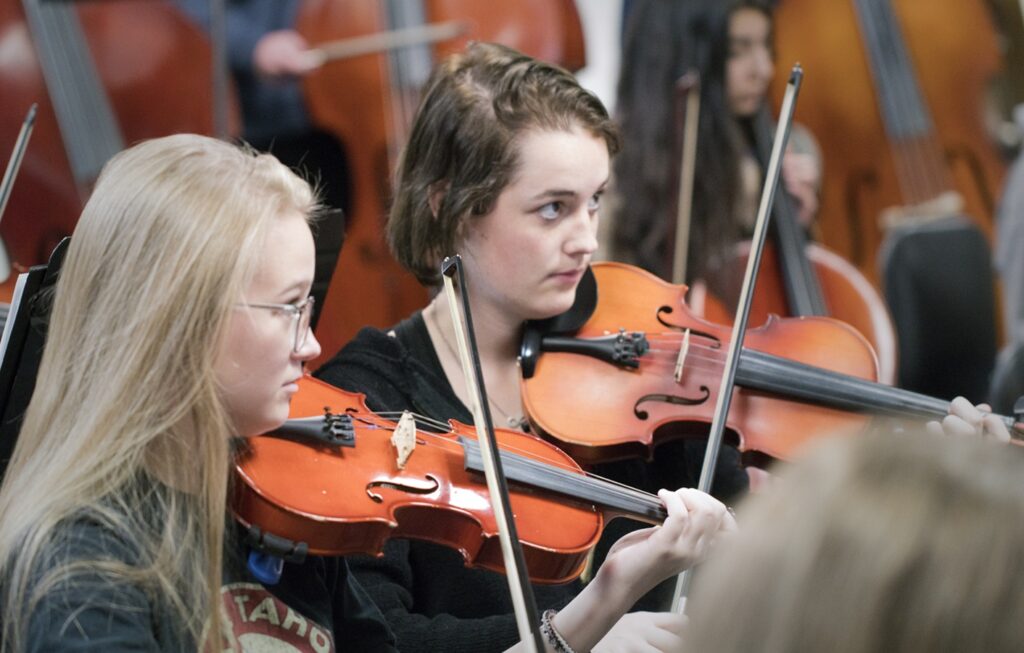
A safe environment matters because students must know that our classrooms are places where they can relax, learn, make mistakes and be respected. In music, we often ask students to do very vulnerable things. We have them sing, play, move, listen, create and perform in front of others — which all requires trust.
When students know that I care about them as people, they are more willing to take risks and be more open to correction. This is also supported in the research literature. Sauerland (2021), provides practical strategies for incorporating trauma-informed practices in the article “Sound Teaching.” Some of these strategies include providing students with choices regarding physical movement, seating arrangements and repertoire selection.
A safe environment, however, does not mean that we avoid high expectations. In contrast, safety allows us to boldly envision the highest of expectations for our students’ learning and for our own teaching. It means that we can construct spaces where students know that they will not be embarrassed, dismissed or judged unfairly throughout the process of learning and continuous development. When we create that kind of space, students are more likely to bring their full selves into the music-making process.
Expression Through Music
Music gives students a powerful way to express emotions in a healthy way. Oftentimes, many of my students carry feelings that they did not have the words to fully convey. Whether they were joyful, angry, tired, anxious, excited or simply overwhelmed by everything happening in their lives, music can give them an outlet to express that emotion (Bailey, 2022). Through singing, playing, composing, listening, moving to or even talking about a piece of music, students could process what they feel without being forced to explain the emotions through spoken language.
As teacher educators, we sit in a unique position to help our music teacher candidates to support their students’ expression through understanding that emotions are not bad or disruptive simply because they are present. Instead, we can guide them toward demonstrating and supporting healthy ways of expressing those emotions through music, while also acknowledging and validating the feelings of their students and the collective ensemble as a whole.

Support Throughout the Journey
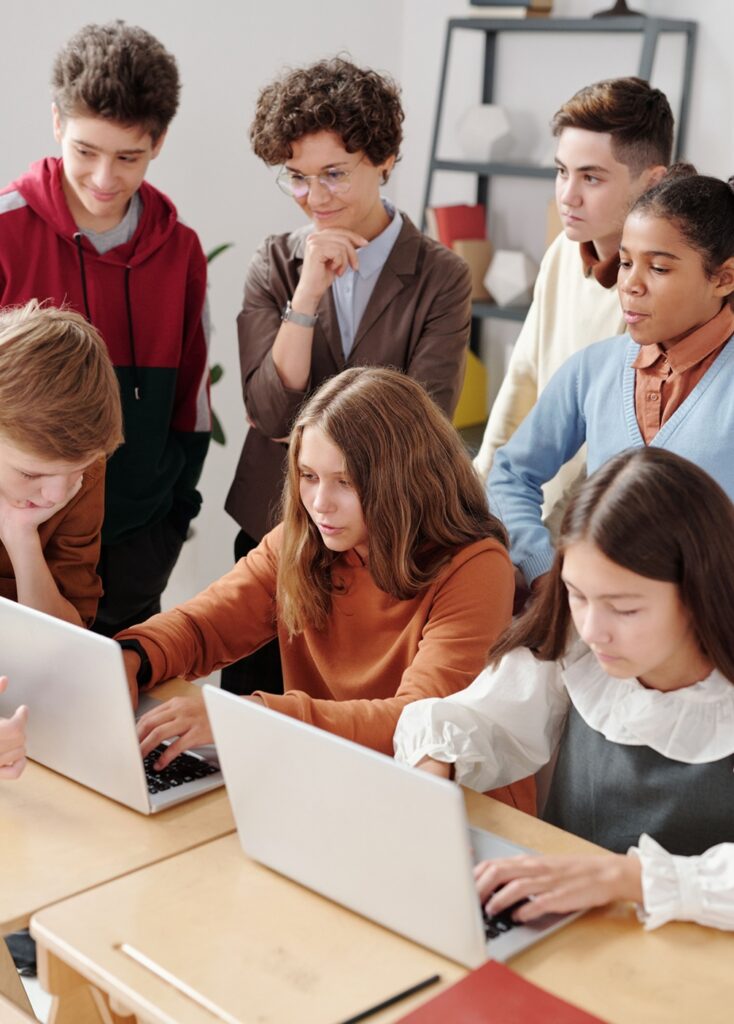
Students must feel supported by their peers, teachers and administrators in the building. They may not have that support at home, and we should not assume that support is or is not there. We should meet students where they are and give them the resources and tools to help them along their musical and personal journey.
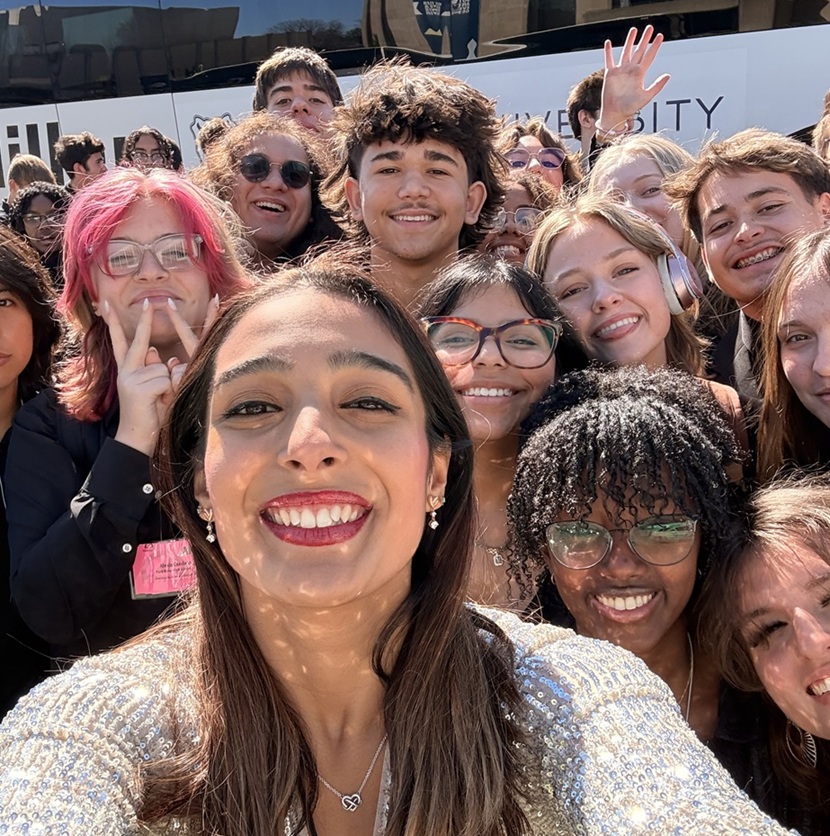
Students need peers who encourage them, teachers who believe in them, and administrators who understand the value of the work they do. I have seen how much of a difference it makes when students feel like they belong to something larger than themselves, whether that is a band, choir, general music class or the larger school community. Peer support, in particular, goes a long way to help students feel accepted.
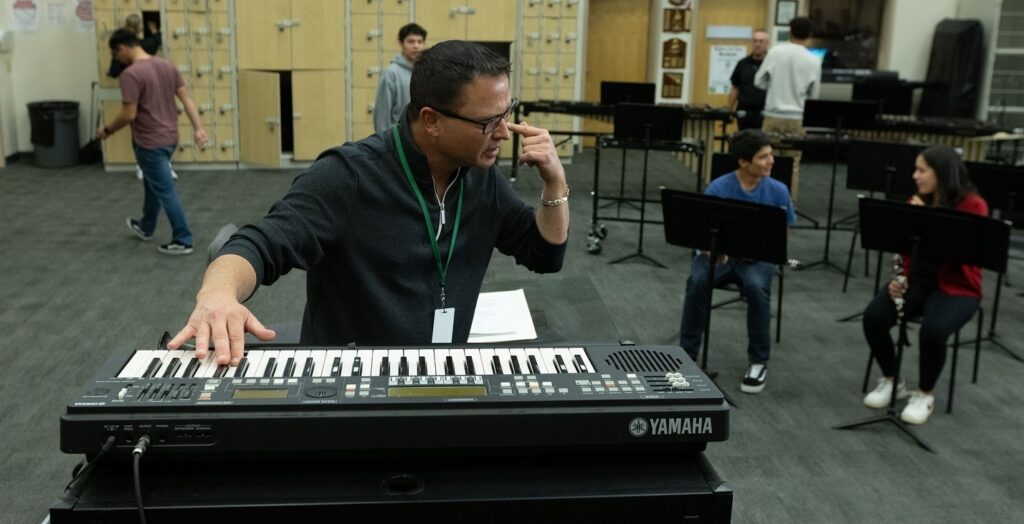
As teachers, we serve a critical role in creating the conditions that help our students feel seen and valued. Administrative support helps make sure the structures are in place for this work to continue. When we demonstrate this support to our music teacher candidates, we help them create music classrooms where their students are not only learning the technical aspects of music, they are also learning confidence, connection and resilience (Salvador & Culp, 2022).

Celebrate Our Shared Resilience
We want the next generation of music educators to create classrooms where students feel safe, seen, supported and valued. So, we must model those same commitments in our programs at the higher educational level as well.
Trauma-informed music education and high-level musical achievement are not diametrically opposed — in fact, I would argue that the former must be in place in order to allow the highest levels of musical expression to take place in our programs. Trauma-informed music teaching does, however, require us to redefine what excellence looks like in modern society so that musical achievement is not separate from, but rather supported by, our shared humanity.
The best music classrooms are not only places where students perform well. They are places where students learn that their voices matter, their cultures matter, their growth matters and their presence in the room matters. For music teacher educators, that may be one of the most important lessons we will ever teach.
References
Bailey, B. T. (2022). Trauma-informed music education (TIME): A new perspective on care in K-12 music education (Doctoral dissertation, Trident University International).
Bauman-Field, B. (2024). Trauma-informed classroom management in music education: A literature review. Update: Applications of Research in Music Education, 42(3), 43-51.
Goopy, J. (2026). Young people healing and growing in trauma-informed positive music education. Music Education Research, 28(1), 53-65.
Salvador, K., & Culp, M. E. (2022). Intersections in music education: Implications of universal design for learning, culturally responsive education, and trauma-informed education for P–12 praxis. Music Educators Journal, 108(3), 19-29.
Sauerland, W. (2021). Sound teaching. The Choral Journal, 62(3), 32-44.
Keep reading