Tagged Under:
Teaching the Spotify Generation
We are teaching music during a time where virtually every song ever recorded is accessible on something that lives in our students’ pockets. That reality alone has fundamentally changed what it means to be a music educator. I’ll be honest … I have a love-hate relationship with Spotify and other streaming services.
As an artist, I struggle with Spotify. The economics can feel discouraging and the value of music, something we dedicate our lives to creating, gets flattened into fractions of pennies per stream. Add in the rise of algorithm-driven playlists and AI-generated tracks, it often feels like music is becoming more about quantity and data than artistry and human expression.
As an educator, however, I love Spotify. I’ve never had a more powerful teaching tool sitting right in front of me and my students every single day.

Access and No Limitations
Not long ago, teaching music came with built-in limitations. We relied on CD collections, sheet music libraries, burned mixes or whatever we could piece together from YouTube (if the internet cooperated that day). This barrier to access forced deeper engagement with fewer resources.
Now, that barrier is gone. We have instant access to multiple versions of the same song, live performances versus studio recordings, remixes, covers and entire discographies within seconds. We can jump from The Beatles to Billie Eilish in one click, compare production styles across decades and expose students to a global catalog of music in ways that were unimaginable even 10 years ago. From a teaching standpoint, that’s incredible! We can be more relevant, more responsive and more connected to the musical lives our students are already living outside the classroom.

A Change in Behavior
Today’s students don’t discover music in the way previous generations did, they scroll through it. Music is no longer scarce, it’s now infinite. With this endless resource, attention becomes the currency and something that I can clearly see in my classroom nearly every single day.
Students will play the first 20 or 30 seconds of a song and skip it if it doesn’t grab them immediately. When I give them a list of potential songs for their band set, they often make decisions within seconds, moving on before the song has had a chance to develop. Oftentimes, I know that they would love the song if they just stayed with it long enough to reach the chorus, the bridge or that big moment halfway through. This is especially true with older music, where songs were written with a slower build — sometimes two full verses before the first chorus. Today’s music, shaped by the realities of streaming platforms, tends to get to the hook much faster. Artists understand they are competing for attention, and they write accordingly.
This shift raises an important question for us as educators: What are we really teaching our students about music? When all the music in the world is available for the price of a monthly subscription, what message are we sending about its value? If we’re not intentional, the default lesson becomes that music is disposable, that it’s background noise, that it’s something you skip when it doesn’t immediately serve you.
We know that’s not true. We know the hours, the craft, the collaboration and the vulnerability that go into creating music. We know the power music has to shape identity, build community and tell stories that matter. Part of our job now is to make sure students understand that value, even in a system that often minimizes it.
Pros and Cons
For teachers, the Spotify era brings both incredible advantages and real challenges. On the one hand, we have unlimited access to music. We can pull up virtually any example we need in real time, connect lessons directly to what students are currently listening to, and create meaningful comparisons across genres, eras and production styles. We no longer spend weeks tracking down a recording, and that flexibility has transformed how we teach.
At the same time, we work against shortened attention spans and a tendency toward surface-level listening. Students often experience music passively rather than actively. They hear songs, but they don’t always listen to them. The overwhelming number of choices can also make it harder for students to commit to a piece of music long enough to truly engage with it. Because algorithms often feed them more of what they already like, their musical world can become narrower unless we intentionally broaden it.
Students, of course, experience their own set of pros and cons in this environment. The accessibility is unmatched and nearly any student can explore music at a high level. They can discover new artists, dive into niche genres and find inspiration for their own creative work with ease. This access helps students develop their musical identity more quickly and with greater ownership.
However, the subscription model can unintentionally devalue music in students’ minds. If everything is available all the time, it’s easy to treat it as disposable. Their patience for slow-building songs or complex musical forms can decrease, and listening can become more passive than intentional. There is also the risk of homogenization, where algorithm-driven playlists begin to blur the lines between artists and styles, making music feel more similar than distinct.

Use Spotify as a Classroom Tool
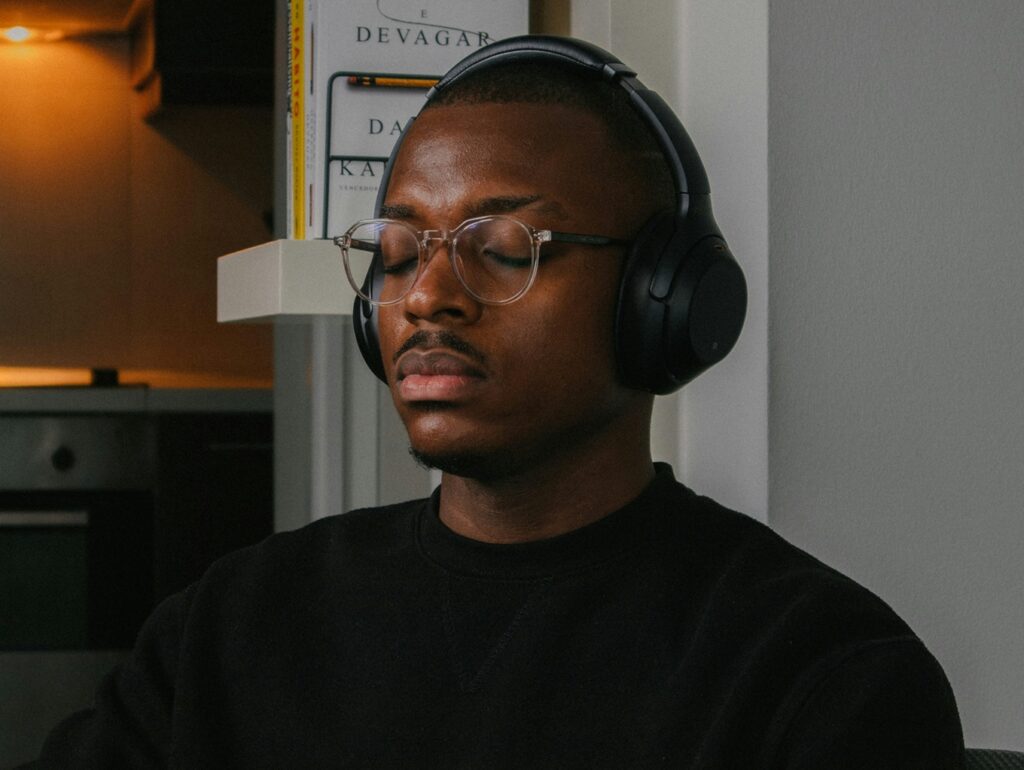
What can we do about it? Don’t fight the technology — teach through it. We must be intentional about how we use these tools in our classrooms and how we shape our students’ relationship with music. One of the simplest but most powerful things we have implemented at St. Michael’s Catholic Preparatory School is “listening days” when we stop everything and just listen to a song all the way through. No phones, no instruments, no distractions. For some students, this is a completely new experience. We sit in it. We let the song unfold. Then, we talk about it. What did you notice? Where did the energy change? What surprised you? What would you have missed if you stopped halfway through? These conversations help students develop a deeper awareness of form, arrangement and emotional arc.
Another strategy is teaching what I call the “long payoff.” When introducing certain songs, especially those with a slower build, I frame it for students ahead of time. I let them know that this song may not grab them immediately, but that it’s worth the wait. We talk about how some of the most powerful moments in music don’t happen in the first 20 seconds. This reframing helps shift their expectations and builds patience in their listening. Over time, students begin to trust the process and become more open to songs that unfold gradually.
We also work on slowing down the scroll when it comes to selecting repertoire. Instead of quickly skimming through songs, we commit to listening more intentionally. We might listen to a full pass of a song, identify its form and discuss why it works. This not only improves their listening skills but also leads to better musical choices for their bands. When students understand how a song is constructed and why it connects, they are more invested in performing it.
Just as importantly, we have open conversations about the music industry itself. Students are already participating in this ecosystem, whether they realize it or not. They deserve to understand how streaming works, how artists are compensated and how algorithms influence what they hear. These discussions don’t have to be cynical, but they should be honest. When students see the full picture, they begin to think differently about the music they consume and create.
Embrace Streaming Services
Looking ahead, the Spotify generation is not a problem to solve … it’s a reality to embrace. These students have unprecedented access to music and are incredibly intuitive when it comes to technology. They are creative, curious and capable of navigating complex digital environments with ease. But they need guidance in developing depth. They need to learn how to listen with intention, how to appreciate the craft behind the music and how to assign value to something that the world often treats as disposable. Our role as educators is shifting. We are no longer just teaching students what to play. We are teaching them how to listen, how to think critically about music, and how to engage with it in a meaningful way.
Spotify and other streaming services didn’t “break” music, but they definitely changed how we experience it. Because of that, educators must adjust, too. If we can take the unlimited access students have today and pair it with the kind of depth and intentional listening that used to be the norm, that’s where things get really powerful. We can give students the freedom to explore anything they want, while also teaching them how to slow down, really listen and understand what’s actually happening in the music. When that balance is there, we’re not just building better musicians, we’re creating better listeners, more thoughtful creators and a generation of students that can carry music forward with a purpose.
Keep reading