The History of Musical Genres, Part 4: R&B and Soul
For nearly a century, rhythm and blues (R&B) and its later offspring, soul, have provided a soundtrack for the everyday hardships and joys of life in the American experience. In this article, we’ll explore the roots of these genres, and take a look at some of the most influential R&B and soul artists of all time.
The Rise of R&B
Famed record producer Jerry Wexler is credited with coining the name “rhythm and blues” as a marketing device in the late 1940s. R&B is part of the larger continuum of Black music created in America and flows from the convergence of blues, big band swing, and gospel. The development of the genre and the growth of its popularity coincided with the second migration of African Americans from the south and rural areas to large cities like Chicago and New York following World War II.
One of the genre’s earliest practitioners, bandleader and saxophonist Louis Jordan — who also co-composed the 1944 hit song “Is You Is or Is You Ain’t My Baby” — used elements that would come to define R&B. These included the shuffle rhythm, boogie-woogie bass lines, and short horn patterns or riffs. “The songs featured the use of African American vernacular, humor and vocal call-and-response sections between Jordan and the band,” wrote ethnomusicologist Mark Puryear in a 2016 story in Smithsonian Magazine.
In the 1960s, the sound of R&B was largely influenced by Motown, the legendary Detroit-based record company started by songwriter/producer Berry Gordy Jr. Its roster of artists included dozens of legendary performers whose music would resonate for generations, such as Marvin Gaye, Smokey Robinson, Stevie Wonder, Diana Ross and the Supremes, Martha and the Vandellas, the Commodores, and, later, the Jackson 5. Many of Motown’s hits were penned by the songwriting team of Holland-Dozier-Holland (brothers Brian and Eddie Holland, and Lamont Dozier), including “Heat Wave,” “Baby Love” and “How Sweet It Is (To Be Loved by You).” The skill of the backing musicians on Motown recordings — including drummer Benny Benjamin and the legendary bassist James Jamerson — also played a large role in shaping the sound and “feel” of R&B.
Even in a record company loaded with superstars and future hall of famers, there are standouts. Gordy once called Marvin Gaye “the truest artist I’ve ever known. And probably the toughest.” More than just an expressive R&B crooner with an astounding four-octave range, Gaye also penned his own songs. “Rarely has a musician had as great an impact on American culture as music legend Marvin Gaye,” said CBS News’ Rome Neal in a 2004 story about the singer’s lasting influence. In 2016, Gaye was inducted into the Songwriters Hall of Fame, who noted that he had “helped to shape R&B for a generation.” The honor came not only for Gaye’s own work — hits like “What’s Going On” and “I Heard It Through the Grapevine” — but also for songs written for his peers, such as “Dancing in the Street” for Martha and the Vandellas.
Another artist/songwriter who was crucial in the development of the so-called “Motown sound” was Smokey Robinson, the soulful leader of the vocal group known as the Miracles. During his decades-long career, Robinson wrote more than 1,000 songs, including “The Tracks Of My Tears,” “My Guy” (a hit for Mary Wells), and “The Way You Do the Things You Do,” popularized by the Temptations.
Stevie Wonder, who turned 70 this year, started his career with Motown at age 11, wowing audiences with his vocals and harmonica skills on the hit song “Fingertips – Pt. 2.” As the former child star matured, his skills expanded to synthesizers, drum machines and samplers. These modalities played a large role during what some refer to as Wonder’s classical period, which began in 1972 with the albums Music of My Mind and Talking Book, followed by Innervisions a year later, Fulfillingness’ First Finale in 1974 and Songs in the Key of Life in 1976. “What Stevie symbolized, especially during that time, is a fullness of the black experience,” said Zandria Robinson, professor of African American studies at Georgetown University, in a story for theundefeated.com. “Stevie is the black documentarian of the 1970s.”
Soul Men (and Women)
Sometime in the 1950s and early 1960s there was a co-mingling of R&B, gospel and jazz that led to the creation of soul. “When those three styles collided, soul’s big bang occurred,” said music writer Lois Wilson in a Telegraph article entitled “Life and Soul.” “Ray Charles and Sam Cooke laid the groundwork,” she says, “secularizing the sanctified with effusive vocal, stirring lyrics and deep rhythmic feeling: Ray with 1954’s “I Got A Woman,” Sam with 1957’s “You Send Me.”
At times, soul can sound a lot like R&B, but the genre’s best performers use the power and dexterity of their voice to tell their stories. Think of Aretha Franklin’s wail or the crooning of Al Green. The power of their storytelling lies in the subtleties of their vocals.
Like many Black artists, Sam Cooke honed his skills in the choir loft. He would later sing lead for the Soul Stirrers, a popular gospel quartet in the late 1940s. But Cooke was destined for bigger things and left the group in 1957 to pursue a path in secular music. He wrote (or co-wrote) many of the songs he sang, and also served as a mentor to other artists, jump-starting the careers of Billy Preston, Bobby Womack and Lou Rawls by helping them transition from the church to the bandstand. “What made brother Sam Cooke so special is he would stand flat-footed and kill you with one song,” said legendary singer James Brown in an interview with Dick Clark on the TV show American Bandstand. “If I had half the voice that Sam had, I would quit dancing.”
Ray Charles may have left us over a decade ago, but our musical memories keep him alive. “So much so that it’s a challenge to think of anyone else who ever performed such songs as “Georgia On My Mind,” “What’d I Say” and “You Don’t Know Me,” wrote Owen Edwards in Smithsonian Magazine. “Brother Ray” might often perform other genres of music, but no matter the tune, he was always singing soul. He also knew how to manipulate his voice to convey the feeling of the lyrics. “He could belt like a blues shouter and croon like a pop singer,” wrote Jon Pareles and Bernard Weinraub in their 2004 Ray Charles obituary in the New York Times, “and he used the flaws and breaks in his voice to illuminate emotional paradoxes. Even in his early years, he sounded like a voice of experience, someone who had seen all the hopes and follies of humanity.”
And then there’s the Queen of Soul: Aretha Franklin. Franklin’s instrument — her remarkable voice — made her much larger than the soul genre that so often defined her. The daughter of a Baptist minister, Franklin began her career as a child singing in church, but embarked on a secular career at the age of 18, finding acclaim and commercial success after signing with Atlantic Records in 1966. The label was also home to the aforementioned Jerry Wexler, who would produce both Franklin’s signature song “Respect” (written by fellow soul singer Otis Redding) and her 1967 mega-hit “(You Make Me Feel) Like a Natural Woman.” The impact Aretha Franklin had was lasting and profound, not just on her peers but on scores of R&B singers to follow — Natalie Cole, Whitney Houston, Mariah Carey and Alicia Keys among them.
Without R&B, there would be no soul music … and without the inspiration of jazz and gospel, there would be neither. Fortunately for us all, the convergence of these many different genres gave birth to music that will live on forever.
Check out the other articles in our “History of Musical Genres” series.









 Be ready for anything, and I mean anything — even a terrible pandemic that shuts down schools across the country! The silver lining is that you will invent new ways for your students to learn and grow without actually being together in person. You’ll digitally host famous performers and artists who will engage your students in conversations. You will work together with your friends and colleagues to create a new teaching paradigm using smaller groups and exploring some of the greatest music ever written.
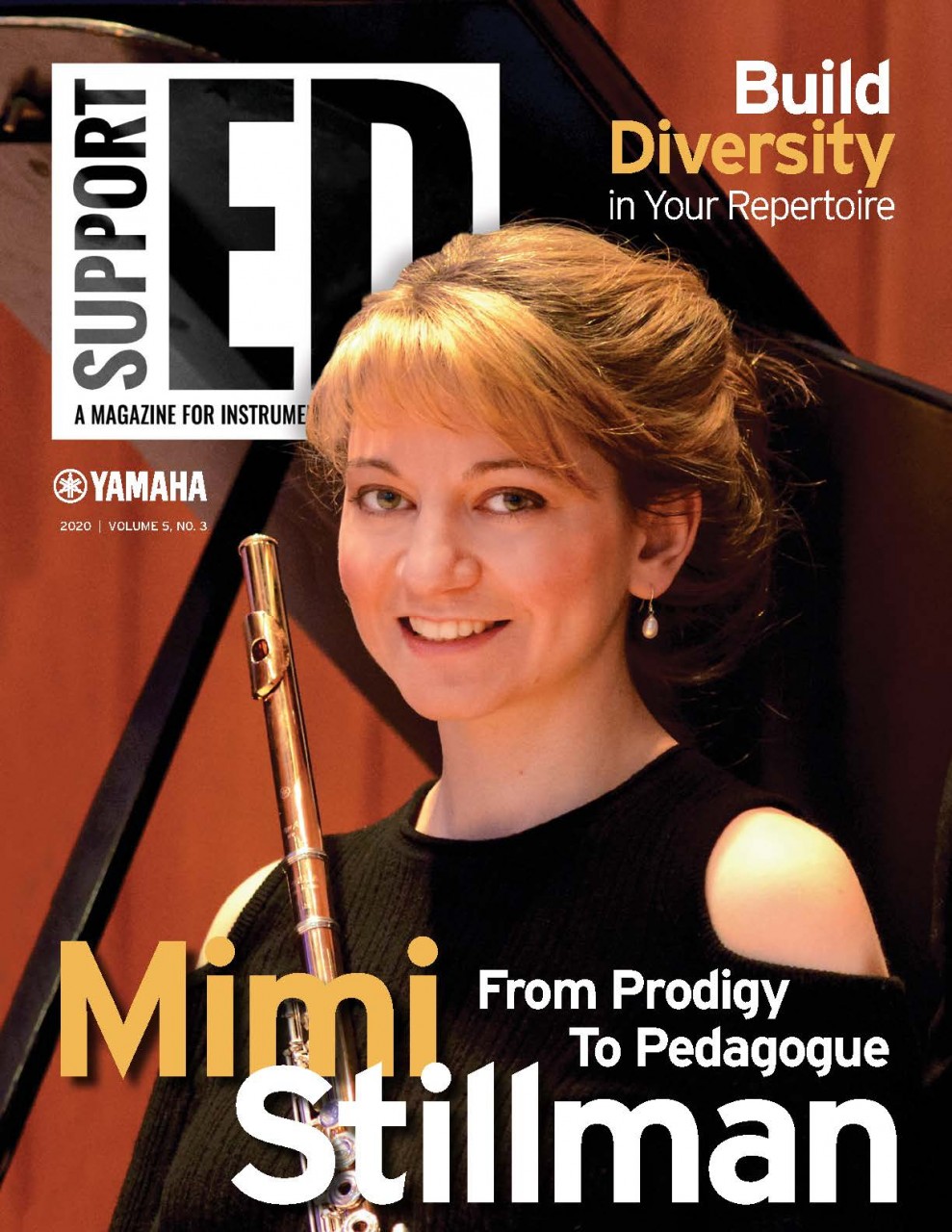 This article originally appeared in the 2020N3 issue of Yamaha SupportED. To see more back issues, find out about Yamaha resources for music educators, or sign up to be notified when the next issue is available,
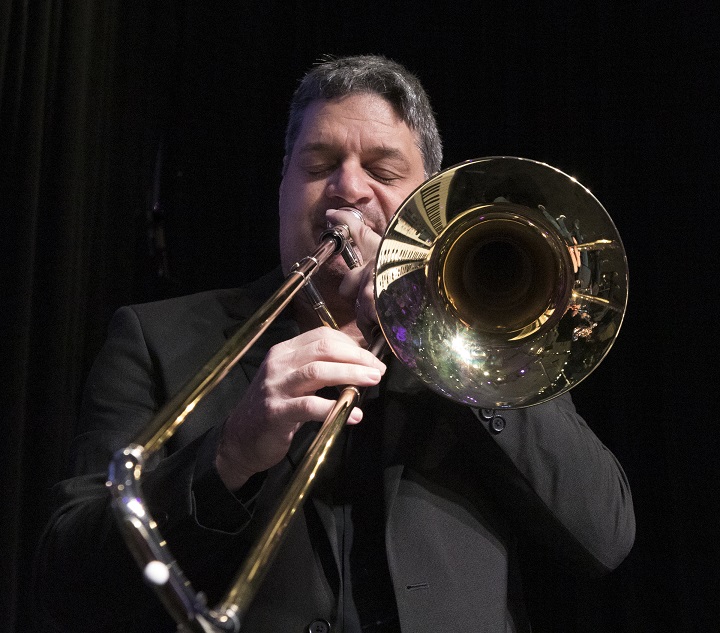 As composer Hector Berlioz said, “The trombone is the true head of the family of wind instruments … it has all the serious and powerful tones of sublime musical poetry, from religious, calm and imposing accents to savage, orgiastic outburst.”
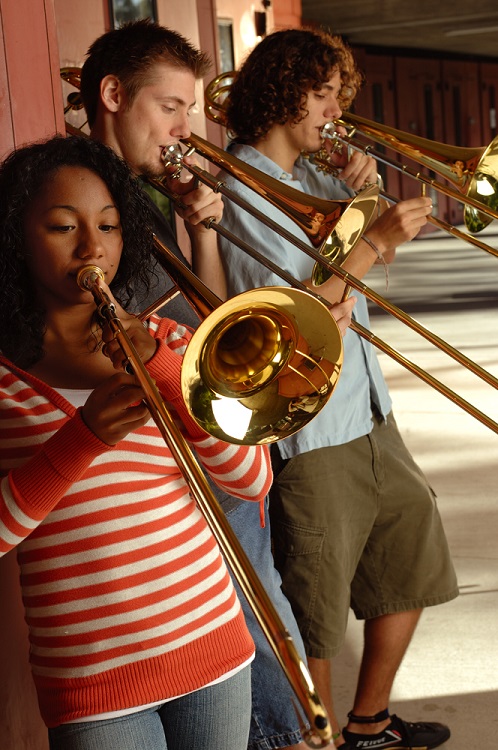 Another big issue for trombone students is syncing between the slide and the articulation when they play. What makes the trombone unique compared to other brass instruments is how it changes notes or pitch. You change notes on trumpets, French horns and tubas by pressing a key or valve. Trombonists have to deal with a slide to change notes, and we also need to match articulation and phrasing with the other instruments. In many cases, the slide movement is late or slow as players go from one note to the other, or they stop the air (note) to move the slide to reach the next pitch. Either scenario is a big mistake.
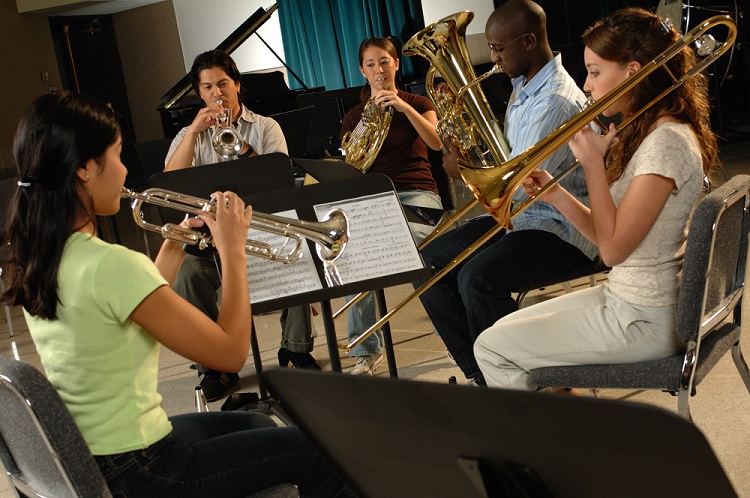 Students with bad posture in band/ensembles may not seem like a big issue, but it is. Posture affects breathing and sound.










































 Reset 1: Make it Fun
 Reset 2: Make it Decadent
 Reset 4: Simple Swaps are Powerful


 This article originally appeared in the 2020N3 issue of Yamaha SupportED. To see more back issues, find out about Yamaha resources for music educators, or sign up to be notified when the next issue is available,







 This article originally appeared in the 2020N3 issue of Yamaha SupportED. To see more back issues, find out about Yamaha resources for music educators, or sign up to be notified when the next issue is available,

 This article originally appeared in the 2020N3 issue of Yamaha SupportED. To see more back issues, find out about Yamaha resources for music educators, or sign up to be notified when the next issue is available,
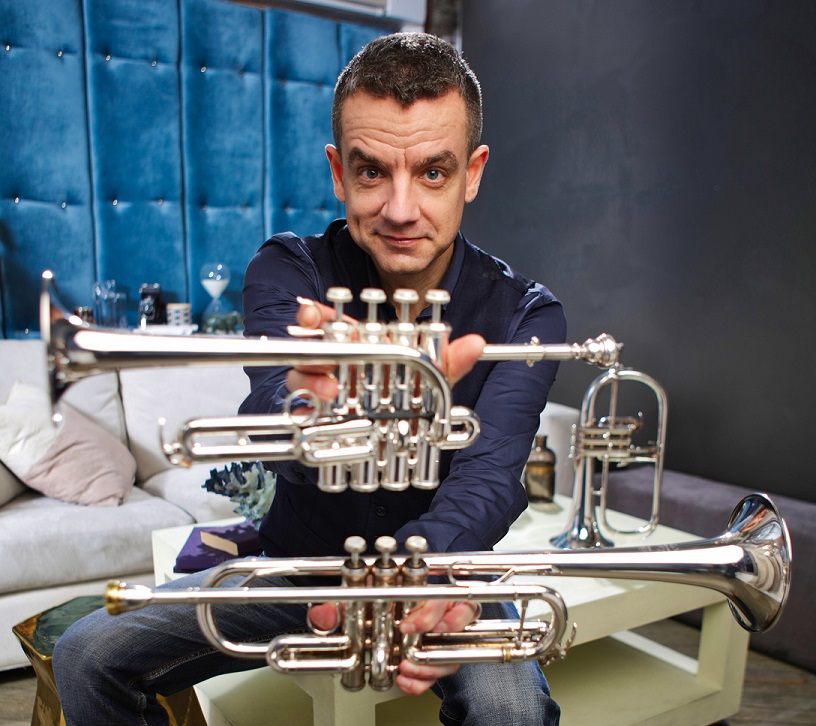 Due to the pandemic, Vogt and her students had to pivot to remote learning for the last three months of school. Since resuming the new school year in a face-to-face setting, students are adapting to a new set of protocols, such as remaining six feet apart, equipping their instruments with bell covers and rehearsing outdoors. Franklin’s marching uniforms now feature a facial covering.
 Avoiding and Adapting to Budget Cuts
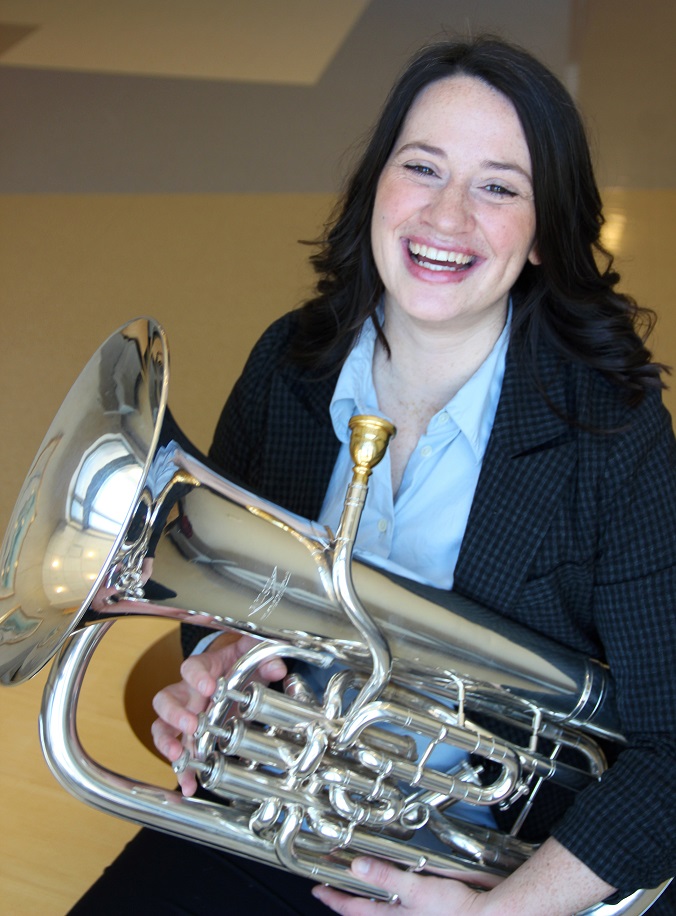 Vogt says that she’s learning to trust in students. “We’re giving up a lot of control and putting it in the students’ hands,” she says. “We’re saying, ‘Teach us how to help you in this new world that we’re living in.’”
 This article originally appeared in the 2020N3 issue of Yamaha SupportED. To see more back issues, find out about Yamaha resources for music educators, or sign up to be notified when the next issue is available,
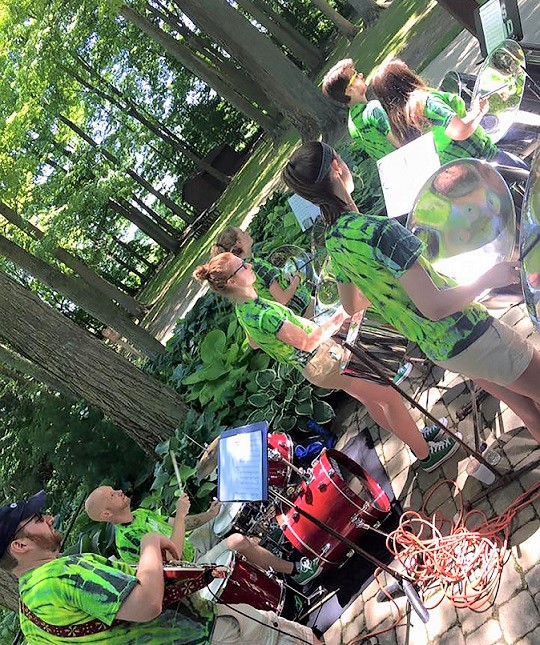 The Strike program has a continuum of levels: 4th and 5th graders can join Lil’ Strikers; 6th through 8th graders can participate in Mini-Strike; and high schoolers can perform in Strike. High schoolers in Strike must also be a part of Caledonia’s curricular band or orchestra.
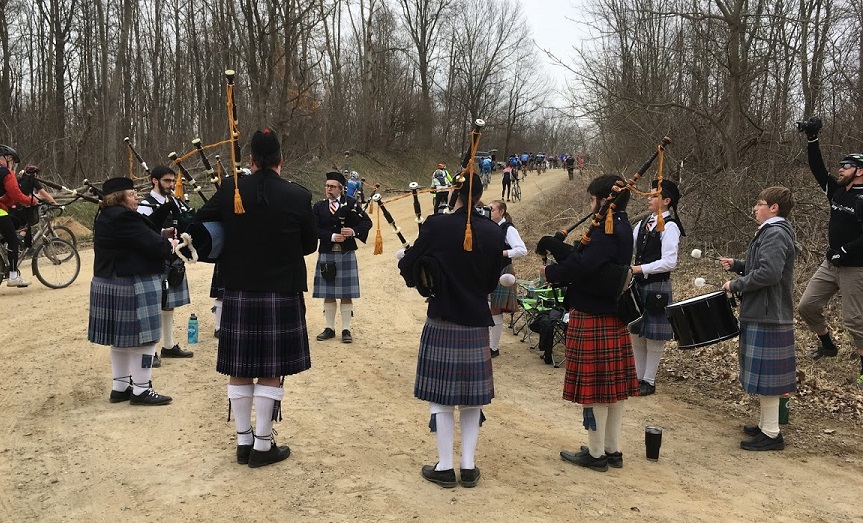 The Pipes and Drums band performs locally but with a wide breadth of paid and unpaid performance opportunities. The
 The discussion led
  According to research from the Institute for Composer Diversity, white men wrote nearly 95% of the pieces on suggested repertoire lists for school bands in 23 states. Therefore, state lists should not be the only source for programming ideas, says Liz Love, band director at
  Finding new material and learning to teach it take effort. Some band directors may shy away from unfamiliar musical cultures, styles or composers for fear that “they [might not] have the background, training or knowledge to navigate the musical and cultural content successfully,” Meals says.
 This article originally appeared in the 2020N3 issue of Yamaha SupportED. To see more back issues, find out about Yamaha resources for music educators, or sign up to be notified when the next issue is available,















 But how is this possible for the 2020-2021 school year when the country is in the middle of a pandemic? A large gathering for a musical performance is definitely out of the question.
 5 Steps to a Successful Virtual FPNDOC
 MAC thanks










 Introspection
 Composer Gatherings









 1. Power Up with Plants
 3. Dive into Deep-Focus Sessions
 5. Limit Your News Consumption
 What to Avoid: Toxic Positivity








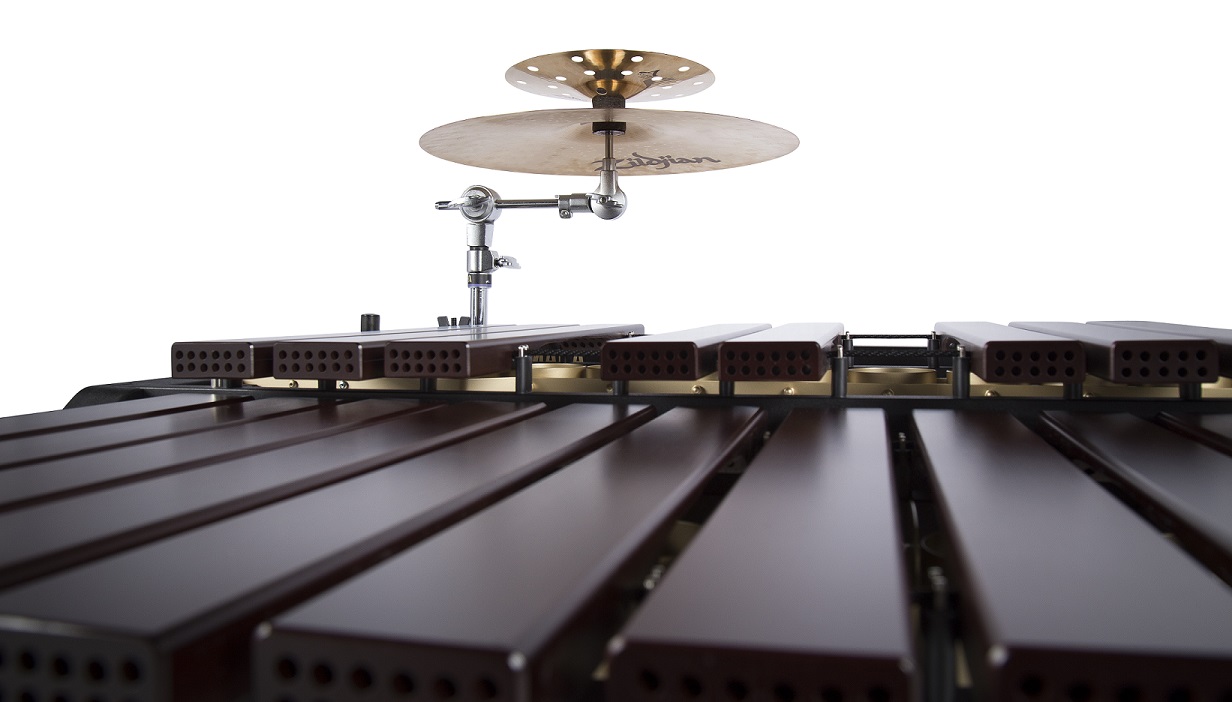
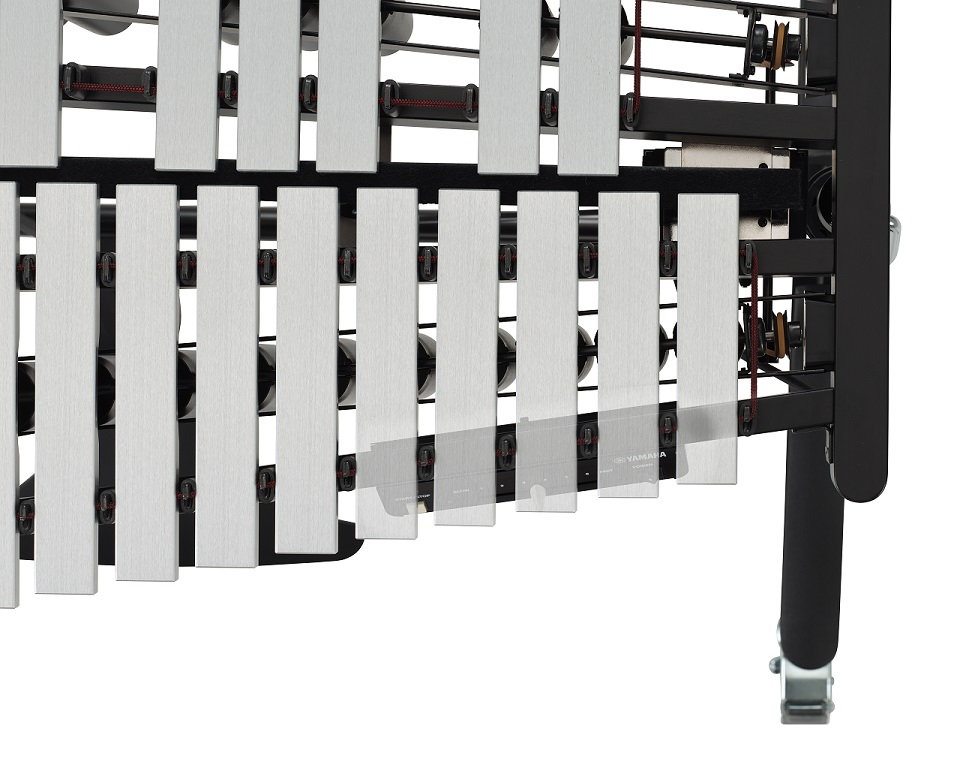 Care Details: Cleaning Tone Bars
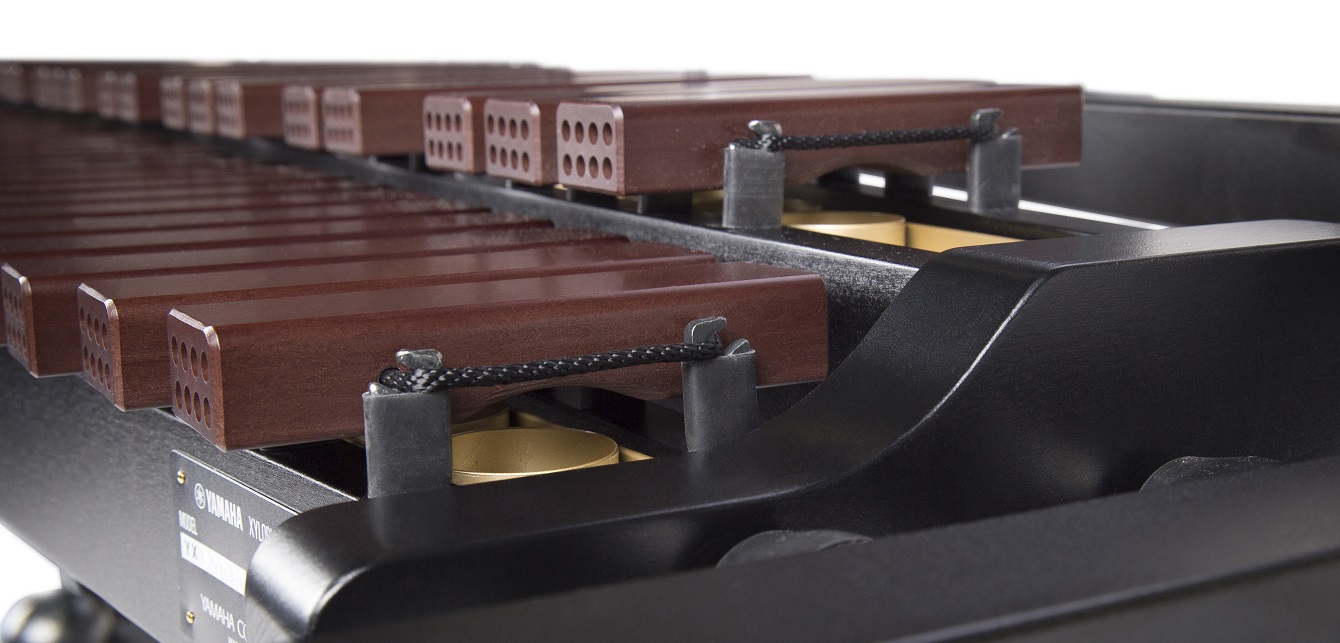 Care Details: Adjusting and Cleaning Resonators













 Cover the Basics
 Avoid All-or-Nothing Thinking
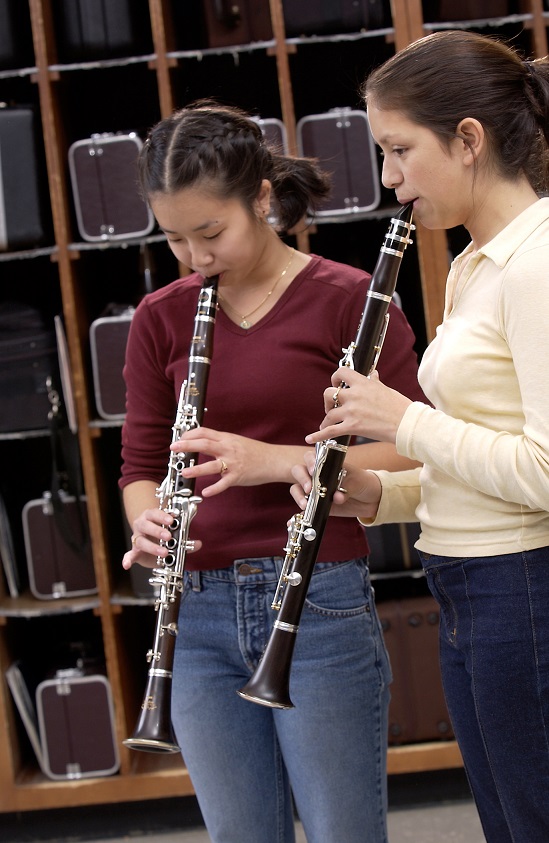 Perhaps this mistake stems from struggling to sing high notes, but many students and directors think that tightening or firming up the embouchure will help the high notes to respond. This is counterproductive because tightening up the embouchure often causes the student to put more upward pressure on the reed. This can result in the reed closing off, making the issue worse. We adjust the embouchure, specifically the firmness of the bottom lip, to control how clean or airy our tone is, but a tighter embouchure will not necessarily help with high note response.
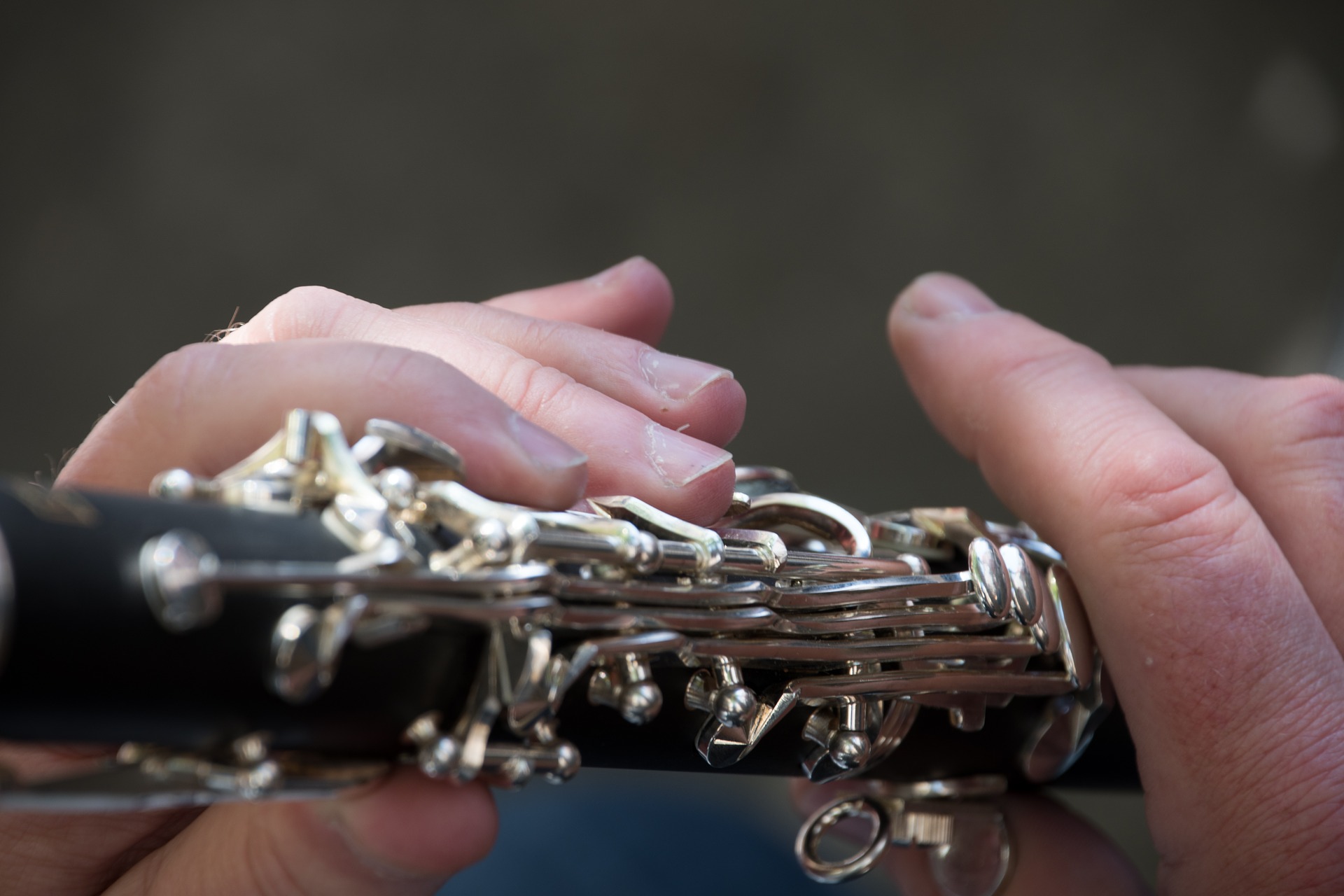 Look at students’ hands. Are they accidentally venting keys or not sealing all of the holes? Specifically, first look at their left hand and make sure they are not accidentally hitting their throat-tone Ab key. Then, make sure they are sealing their right-hand ring-finger hole. This is the biggest tone-hole on the clarinet and not sealing it is the most common issue for small-fingered students. Lastly, if the fingering requires left-pinky keys, check to make sure that the left-hand ring-finger is sealing the hole. Have the student stop, close their eyes, and put one finger down at a time all the way down the clarinet and ask them to feel the pads of their fingers completely covering each hole, then try again. This usually fixes the issue. Occasionally, a student with small fingers will curve their fingers into a C position, causing their fingers to not fully depress the key rings. Encourage students to curve their hand position like they are eating a burger, but to keep their fingertips flat over the keys and tone holes so that the pads of their fingers completely seal the holes and depress the key rings.


















 What are the Signs of Overwhelm?
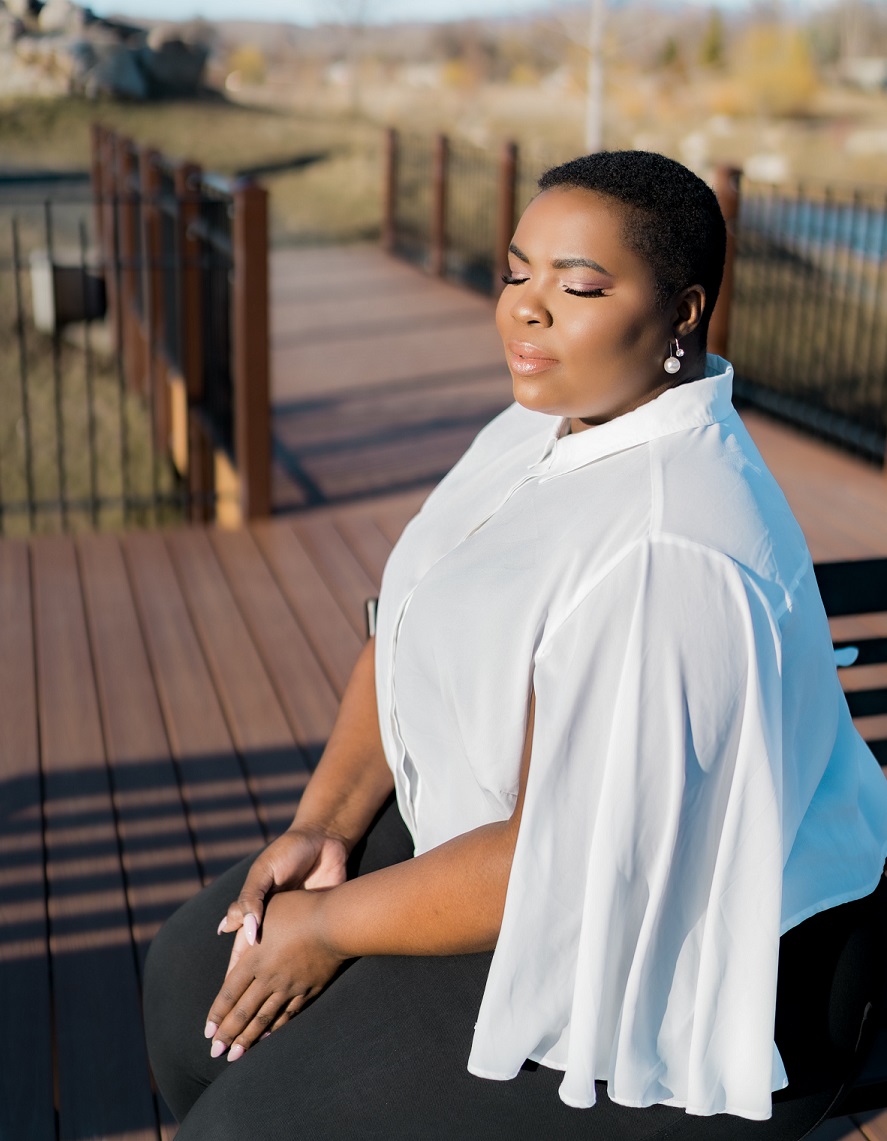 Overcome Overwhelm by Checking Your Expectations
 Overcome Overwhelm with a Playlist


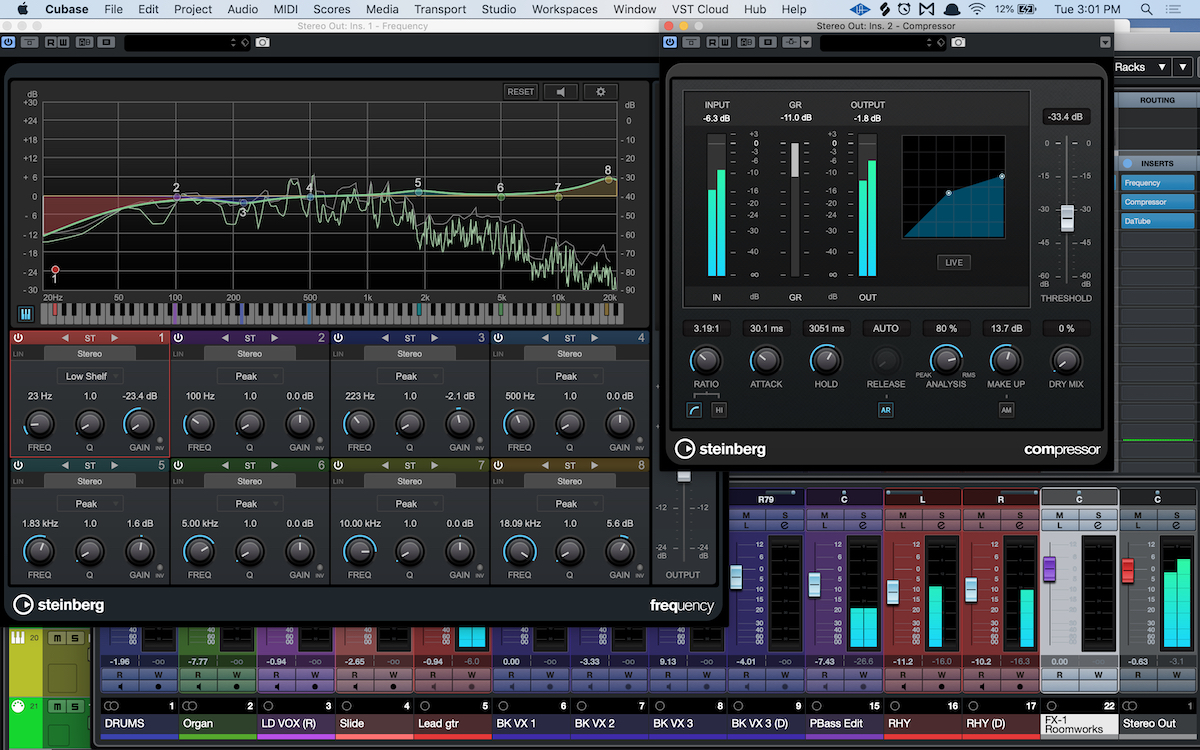
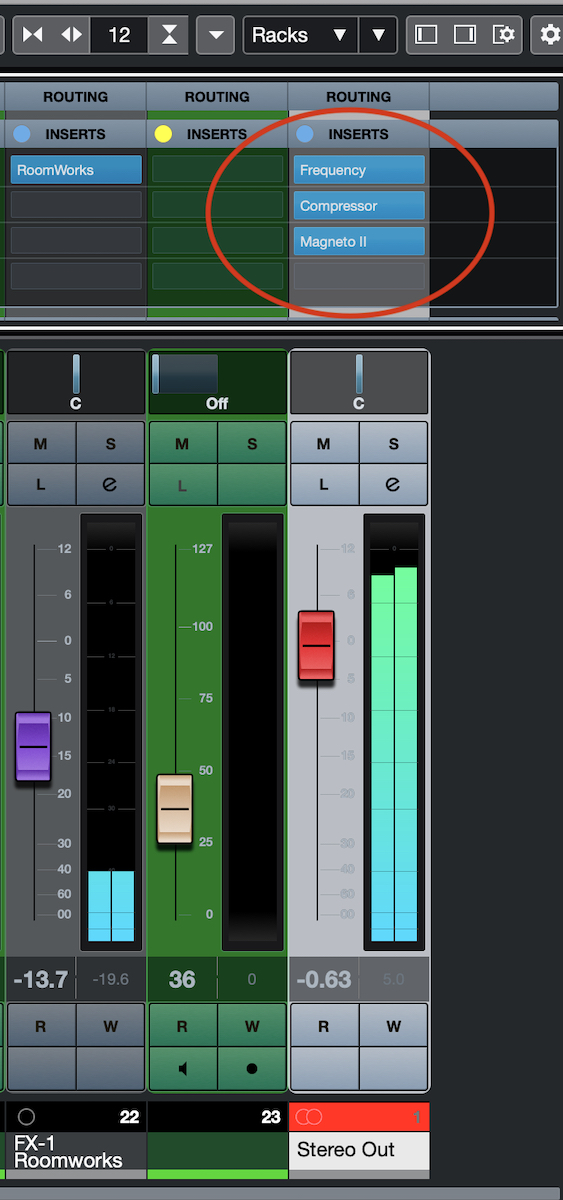
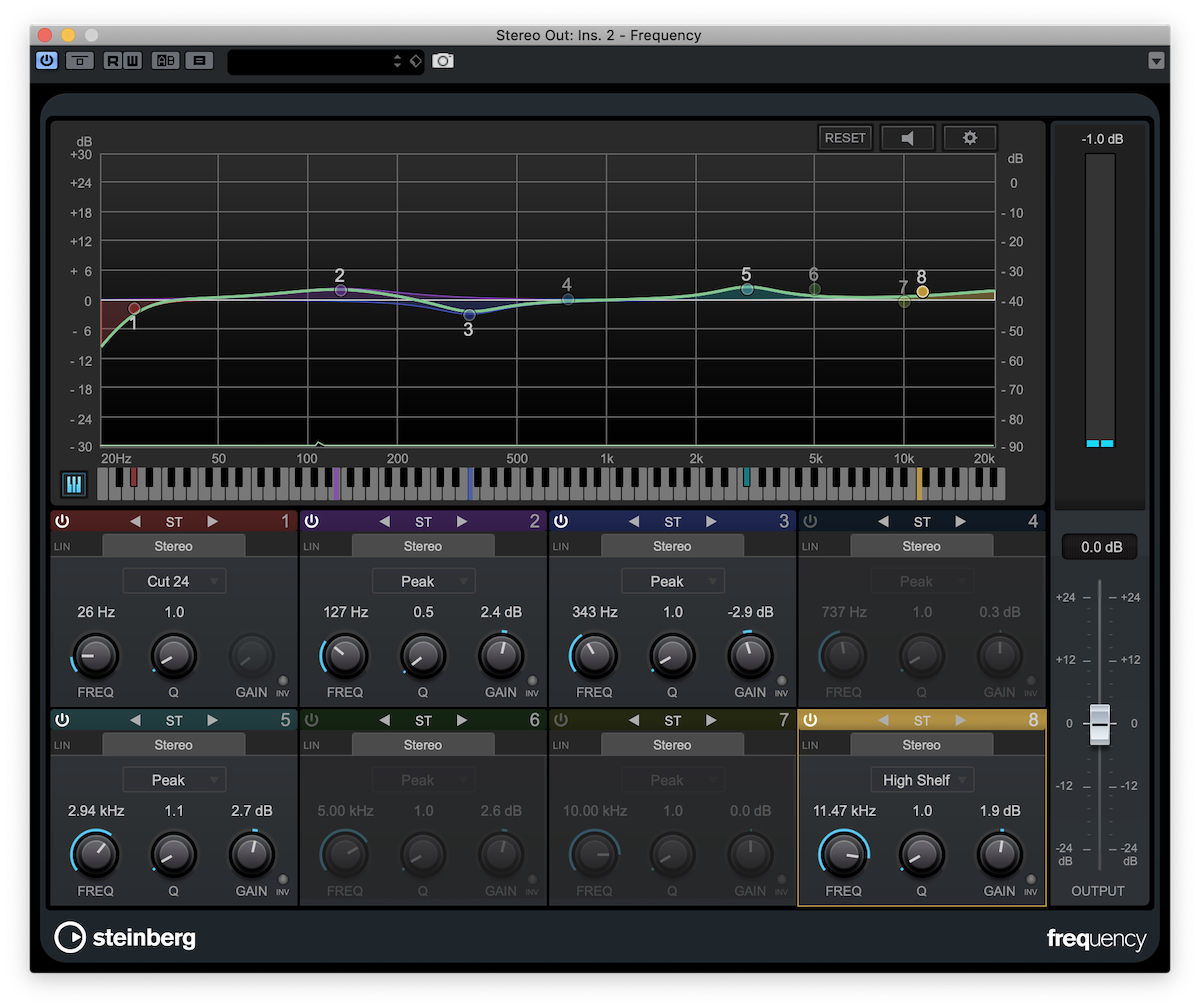



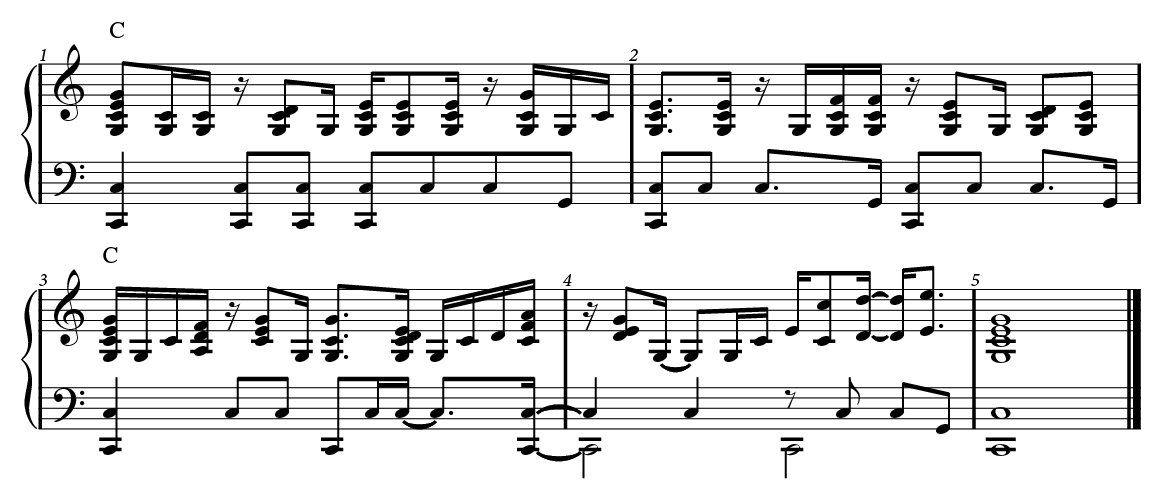
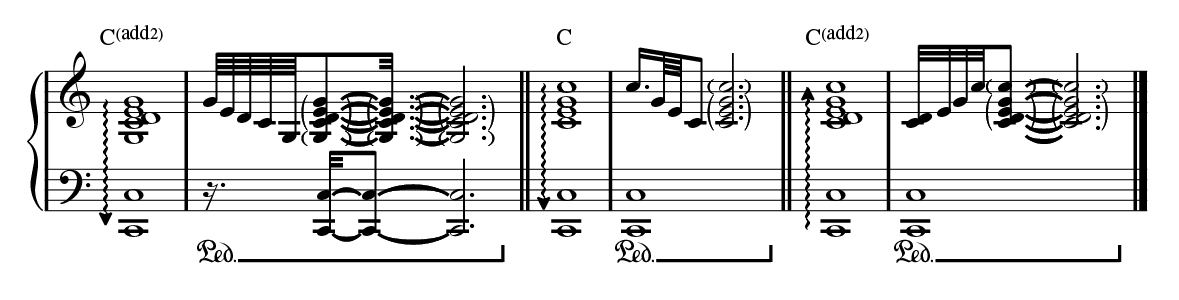
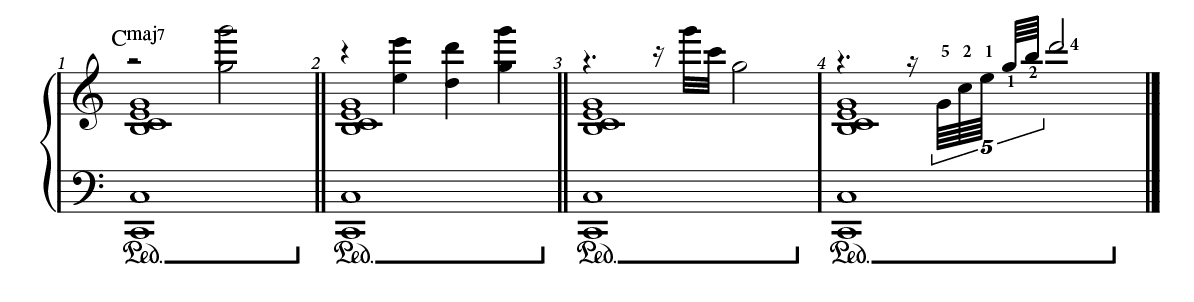

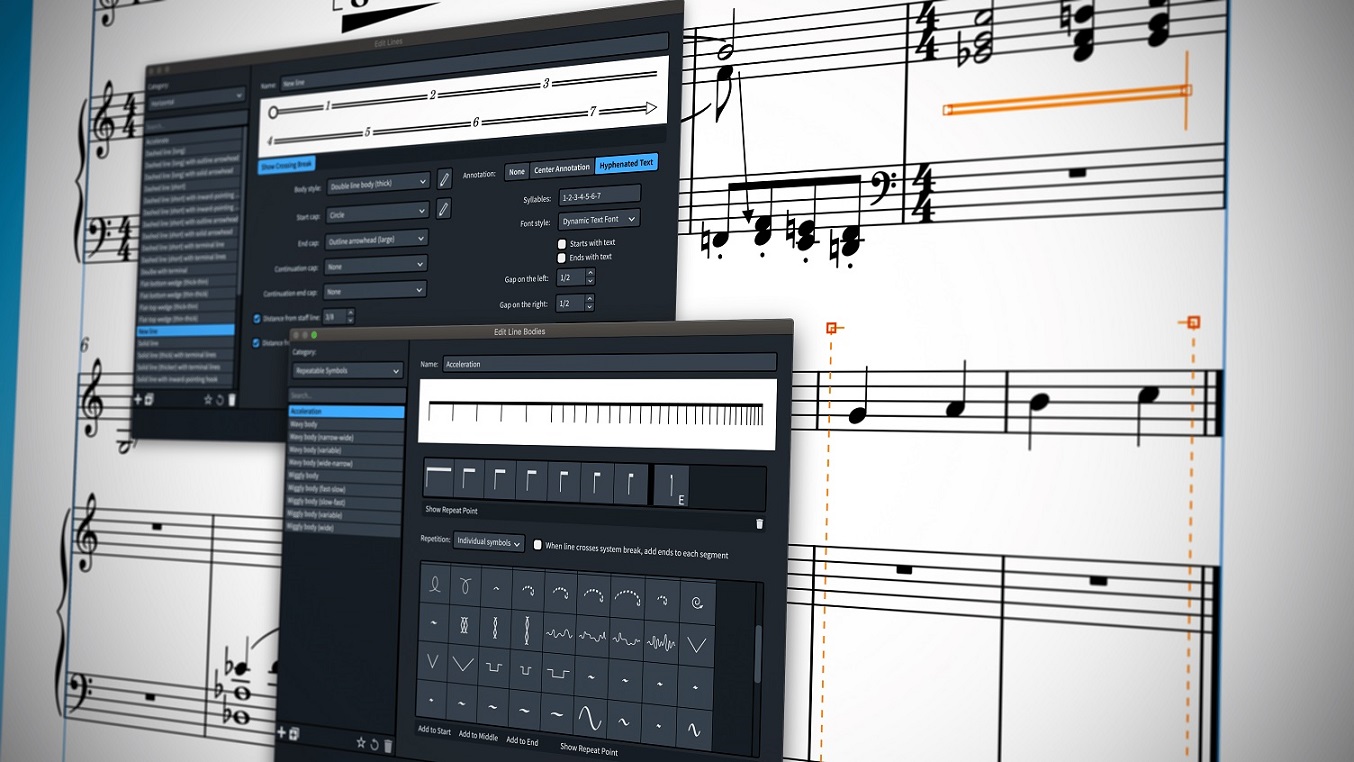
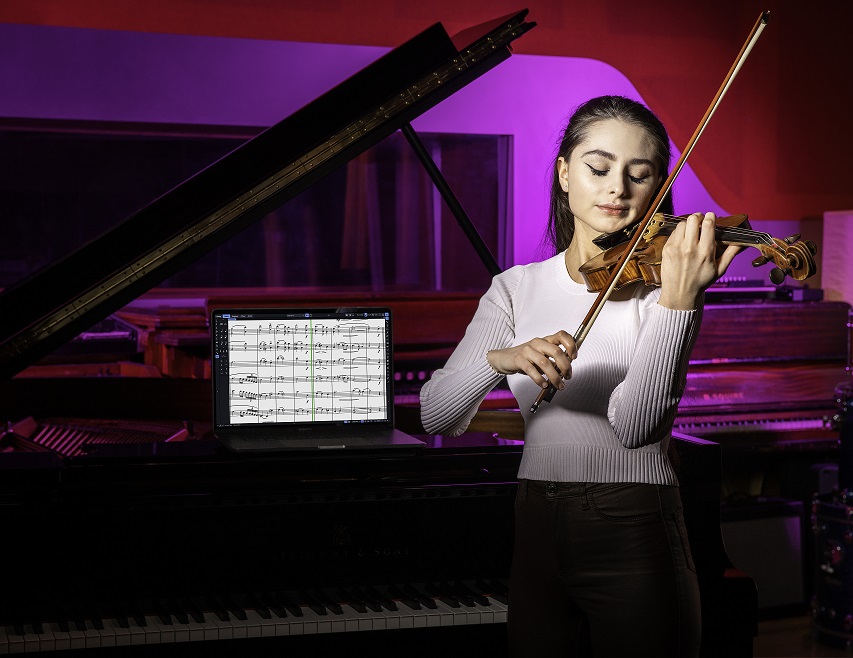 Before 2010, educators primarily used two notation programs to create scores, worksheets and parts for the musical classroom — Finale and Sibelius. As a college student, I started using Finale in 1992 when I purchased my first computer. I used this program to complete theory assignments, write arrangements and create worksheets. I spent hours reading the manual to learn the ins and outs of Finale, and I quickly became very proficient. I fondly remember working with my percussion professor to digitize his scores for the steel drum orchestra. We both learned a lot about arranging and notation programs.
 Evaluating the Formats

 Host a Game Night: If you used to hang out with coworkers for happy hour, pivot to a virtual game night and test out online group activities like
  Mix it Up: Scientists tell us that















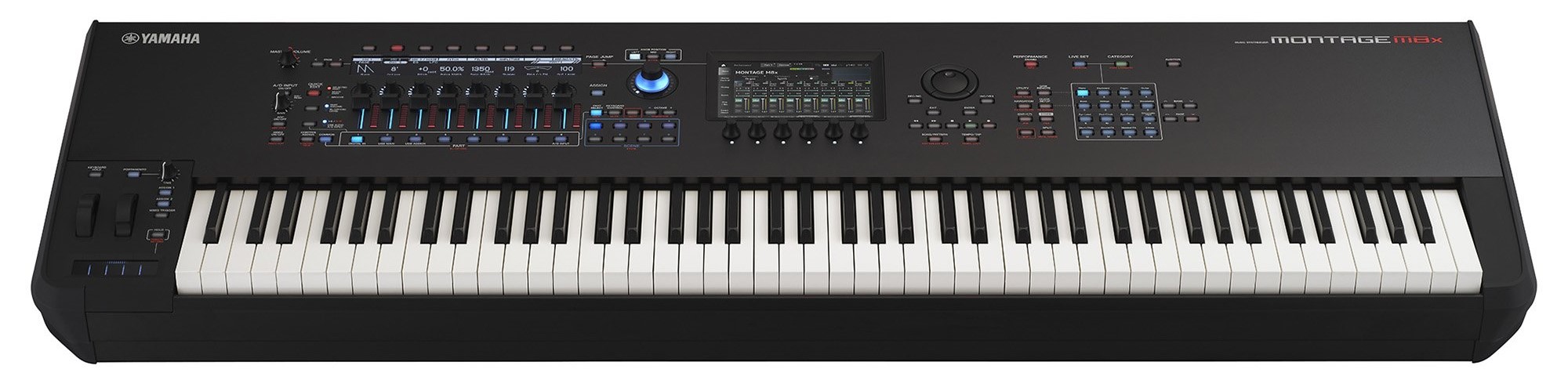

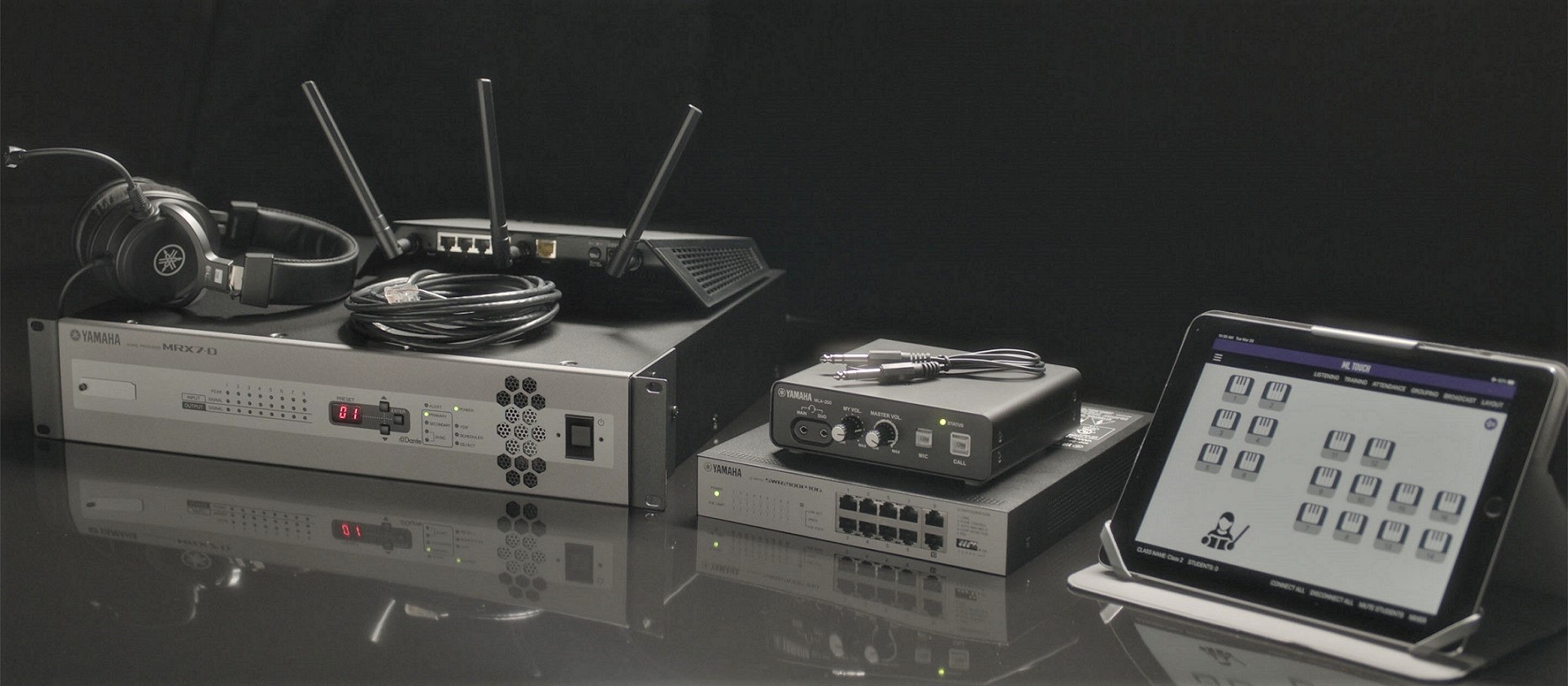 What is a Lab Controller?
 One-on-One Instruction
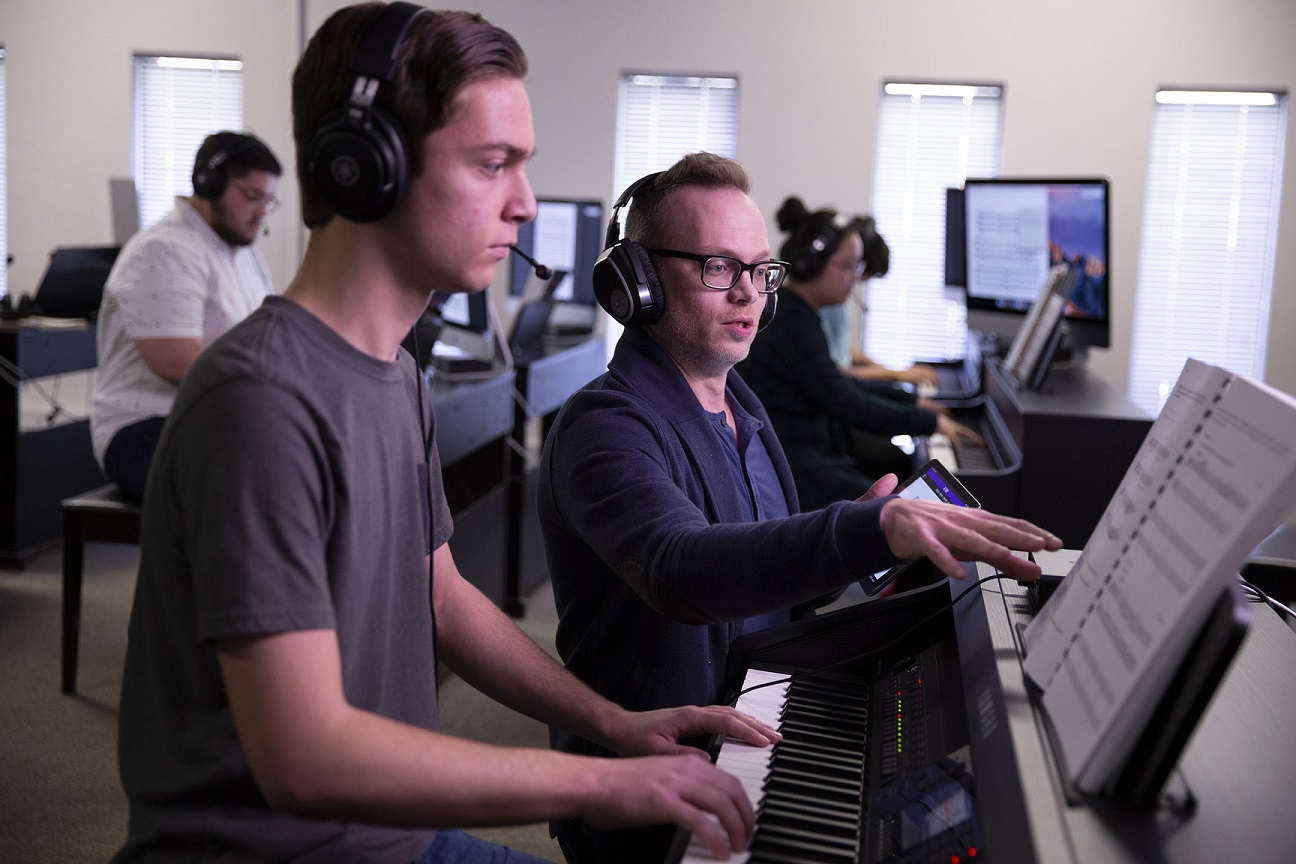 The grouping feature is an ideal way for students to work together. Students can speak to each other and hear each other’s instruments. They can be seated in different places in the classroom and easily work together.
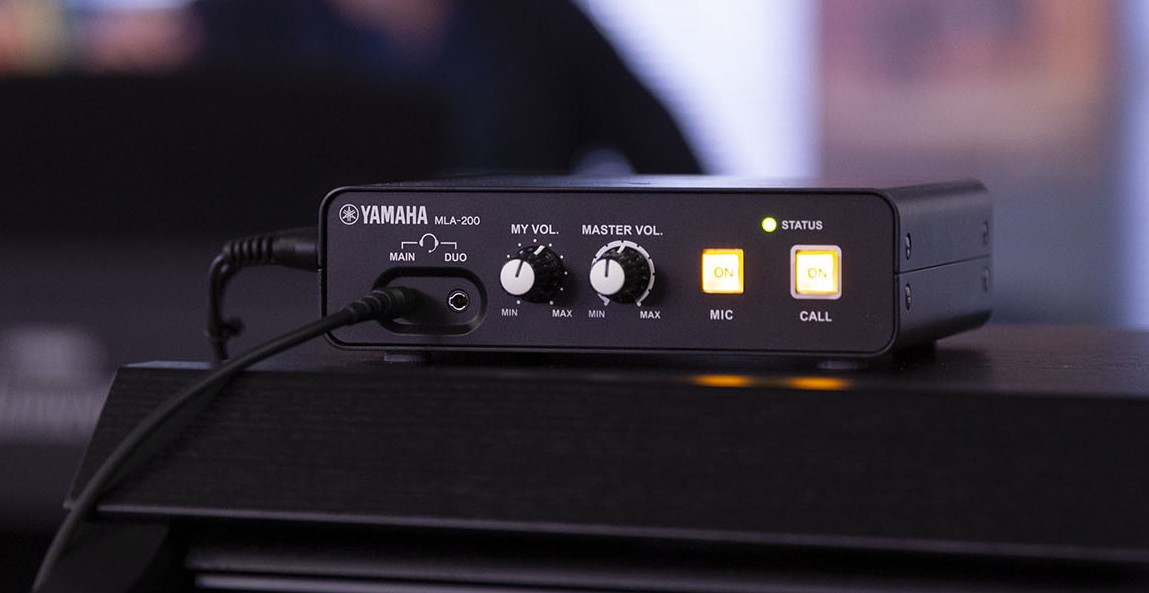 Classroom Management
 4. Create Consistency
 5. Future Proofing for Success
 6. Invest in You

 Morning Routine: Setting Intention
 Sure, you’re in the zone now, and it can be hard to stop for a break. But remember that taking a brief midday reset for self-care will make you a calmer, more patient teacher the rest of the day, better able to come up with creative solutions when your students come to you with their needs. So, resist the urge to work straight through the lunch period by setting an alarm on your phone to nudge you toward a healthy meal and a physical break.
 Afternoon Routine: Assess and Reset
 Evening Routine: Reclaiming Identity











 The Multitasker
 The Administrator

 Kindergartners through 5th graders use their devices not only to learn coding, robotics and aviation but also to create music.
 Computer-generated music making can also tie into English and reading. In music class, older students use recording software to create an audiobook. “We do a project where students read a … 1st-grade level text and record that,” Coyne says. “They add in sound effects for page turns and background music.”
 During iPad Band rehearsals, which take place one hour before school, students use GarageBand and
 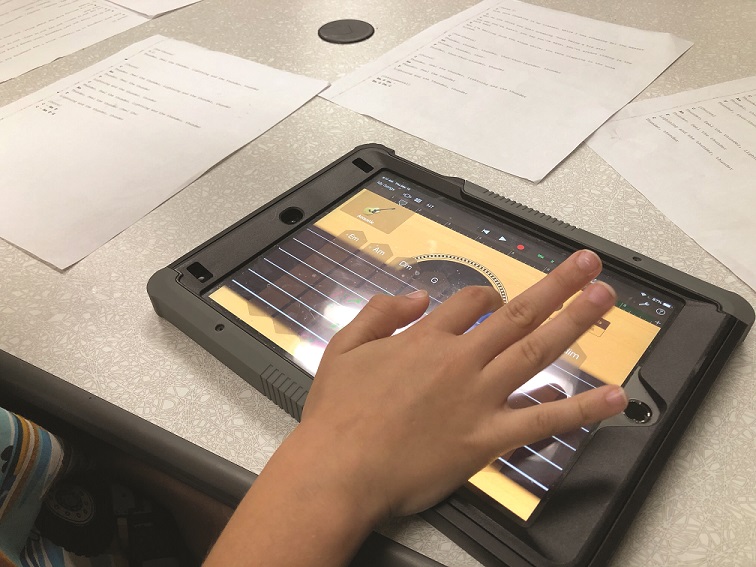 Though music is an auditory phenomenon, the use of technology has helped students engage with it visually as well. “For kids who are visual learners, they can see right then what they’ve done and how it lines up,” Coyne says. “The kids who you thought were going to struggle with the comprehension of it, they’re the ones who are like, ‘Let’s do it again! I want to keep going!’”
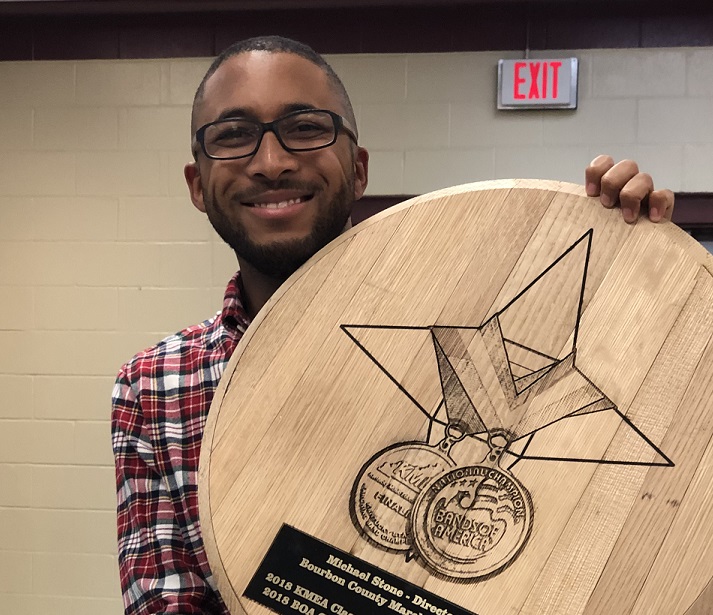 Now band director at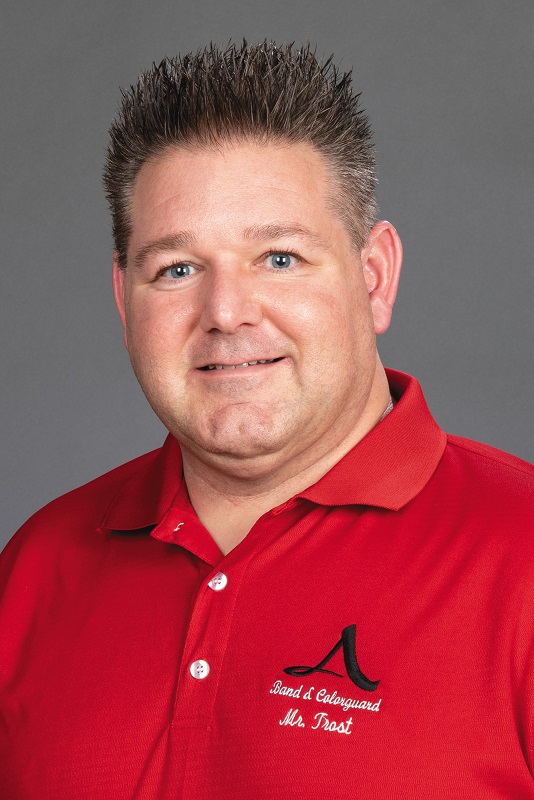
 While feeling defensive is human nature when your policies are questioned, self-reflection is vital, says Kathy McIntosh, director of bands and music department head at
  Let Time Heal Some Wounds



 The Right Tool for Each Player