The 10 Best Sports Video Games of the 21st Century
The history of sports video games started some 50 years ago with the release of the mock-table tennis title Pong in 1972. About a decade later, things got more interesting, with then-advanced games like One on One: Dr. J vs. Larry Bird in 1983 and Tecmo Bowl in 1987. Since then, the sports video game landscape has grown exponentially. Today, there are tennis games with which you can work up a sweat through the use of wireless controllers, golf games featuring legendary athletes like Tiger Woods, and football, soccer, baseball and basketball games that feel like real life.
Here, we will dive into the best of the past two-plus decades, highlighting the top titles and what makes them special, from growth in graphics to the enjoyment of playing … and winning. All these gaming choices offer engaging sporting experiences with the ebb and flow of competition, and the details in their soundtracks can be equally important for generating emotion, from the crowd noises to the acoustics of the arena itself, particularly if you add the immersive envelopment of surround sound.
1. MADDEN NFL 2003
Generally considered to be the gold standard in video sports games, the Madden series (named after the late football coach and broadcaster John Madden) is a perennial best-seller. The most recent edition is Madden NFL 23. But the best reviewed version, by a hair anyway, is Madden NFL 2003 — the 14th installment of the series and the first to have Mini Camp mode and Al Michaels serving as the play-by-play announcer. Originally released for Game Boy Advance, GameCube, Microsoft Windows, PlayStation® and Xbox™, this was an early entry to life-like digital gameplay. No live game on TV? Put this on and immerse yourself. Preview it here.
2. NBA 2K11
Two words: Michael Jordan. The GOAT (aka Greatest Of All Time) basketball player graced the cover of this release because this is likely the best incarnation of the popular NBA 2k series, with options to play single games or via Association mode, during which a player can control an entire (digital) NBA organization. New modes with Michael Jordan were also introduced (longtime gamers know how rare it is to have His Airness appear in games), and classic NBA teams were brought in here, as well. For contemporary rosters, including cover star Luka Doncic, check out NBA 2k22. Preview it here.
3. MLB 10: THE SHOW
People who have played Little League baseball often wonder what it would be like to face a professional curveball. For the 99% of us who never will, check out MLB 10: The Show. Though released back in 2010, many feel that this title is still the best in the series. It was the first in the line to introduce Catcher Mode, in which you can see the game from behind the plate, and Home Run Derby, where players can hit baseballs out of the park in competition. Watching real baseball on TV can feel slow, but this video game provides a completely different experience since it allows you to control all aspects, from base runners to hitters to fielders and even management decisions — all with realistic graphics and lifelike ballparks. Preview it here.
4. FIFA 13
There’s something majestic about the large, rolling green fields. The roar of the (digital) spectators. The rivalry of country versus country, the stakes of it all. While there have been dozens of FIFA soccer games throughout the years, this title, which launched in September 2012, notably offered “First Touch Control” for the first time, which affects how a player controls the ball upon receiving a tough pass. Play as legends in their prime, from Lionel Messi to Cristiano Ronaldo — but watch out, this game has been known to cause tension in even the closest of friendships (just like the real sport)! Preview it here.
5. WII SPORTS: TENNIS
In 2006, Nintendo released the multi-game package Wii Sports. It included baseball, bowling, boxing and golf, but it was tennis that was the focal point, and it remains one of the best even today, more than 15 years later. While the graphics are a bit more cartoonish and rudimentary compared to titles like Top Spin 4 (2011), the game play is fluid, fun and frenzied, thanks in large part to wireless Wii Remotes, which allow players to stand and swing at the oncoming ball like Venus or Serena Williams might. Preview it here.
6. TIGER WOODS PGA TOUR 2004
Not only does this title have the most beloved intro, featuring rapper DMX, but this early incarnation of the universally beloved golf video game series also features 20 courses based on real life options, plus six fantasy courses. It’s a particular favorite on PlayStation because of the analog stick, which allows you to calibrate shots with unusual precision. PGA Tour 2004 was the first in the series to allow players to create their “Game Face,” meaning you could create the likeness of your golfer from scratch. And while graphics may have improved over the years, the gameplay of this series didn’t need to. Preview it here.
7. SPIKE VOLLEYBALL
Released in 2019, this title is a fairly recent addition to the sports game landscape. While volleyball doesn’t have the e-sports legacy of, say, basketball and football, there are dozens of titles that date back to the 1990s and earlier (Venice Beach Volleyball is a fun NES offering from 1991). With full commentary and 50 teams from all over the world, players can dive realistically into the contest for indoor matches that offer booming serves, masterful teammate setups and, of course, plenty of spiking! (Replays are lifelike, too.) Spike Volleyball does, however, require a fair amount of coordination between players so there may be a slight learning curve. Preview it here.
8. NHL 14
Debuting in 2013, this popular game is faster than previous titles in the series and showcases more realistic hits amongst the on-ice digital combatants. The game also offers more violent fighting between foes, if you’re into that — some have even described it as “brutal.” But such is the life of a hockey player. In addition, NHL 14 offers a “Be A Pro” career mode where players can improve the status of their legacies even off the ice. Gameplay and broadcast commentary is so real here that casual onlookers might think an actual game is onscreen! Preview it here.
9. WWE 2K14
Professional wrestling video games have a long, illustrious history, dating back to the Nintendo 64 days pre-millennium. But improvements have been made in the past two decades. Case in point: WWE 2K14, first released in 2013. Not only can you battle big names in the ring, but it offers different modes like “The 30 Years of WrestleMania,” which recreates three decades of wrestling lore and includes classic WWE footage. Players can take on opponents like The Undertaker, The Rock, Andre the Giant and Hulk Hogan. Indeed, this game doubles as a history lesson and looks the part too, with stunning graphics. Preview it here.
10. UFC 4
Ready for some bloody combat between muscular foes? This modern Mixed Martial Arts title, released in 2020, is not for the faint of heart. UFC 4 offers 229 unique fighters and various modes, including Career mode in which players fight to become the Greatest. As you progress, you can choose to take on or dismiss certain fight offers or you can play online battling opponents in the intimidating Octagon. There are also backyard battles and literal underground forums. It’s like you’re an actual member of the Ultimate Fighting Championship! Preview it here.
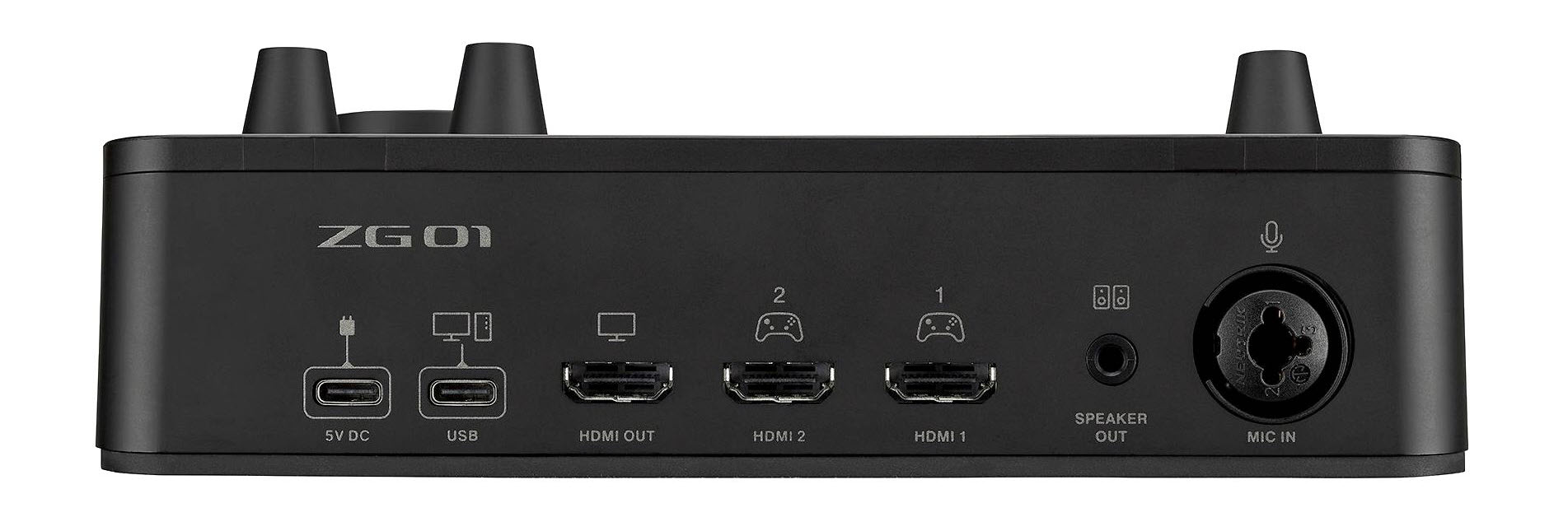
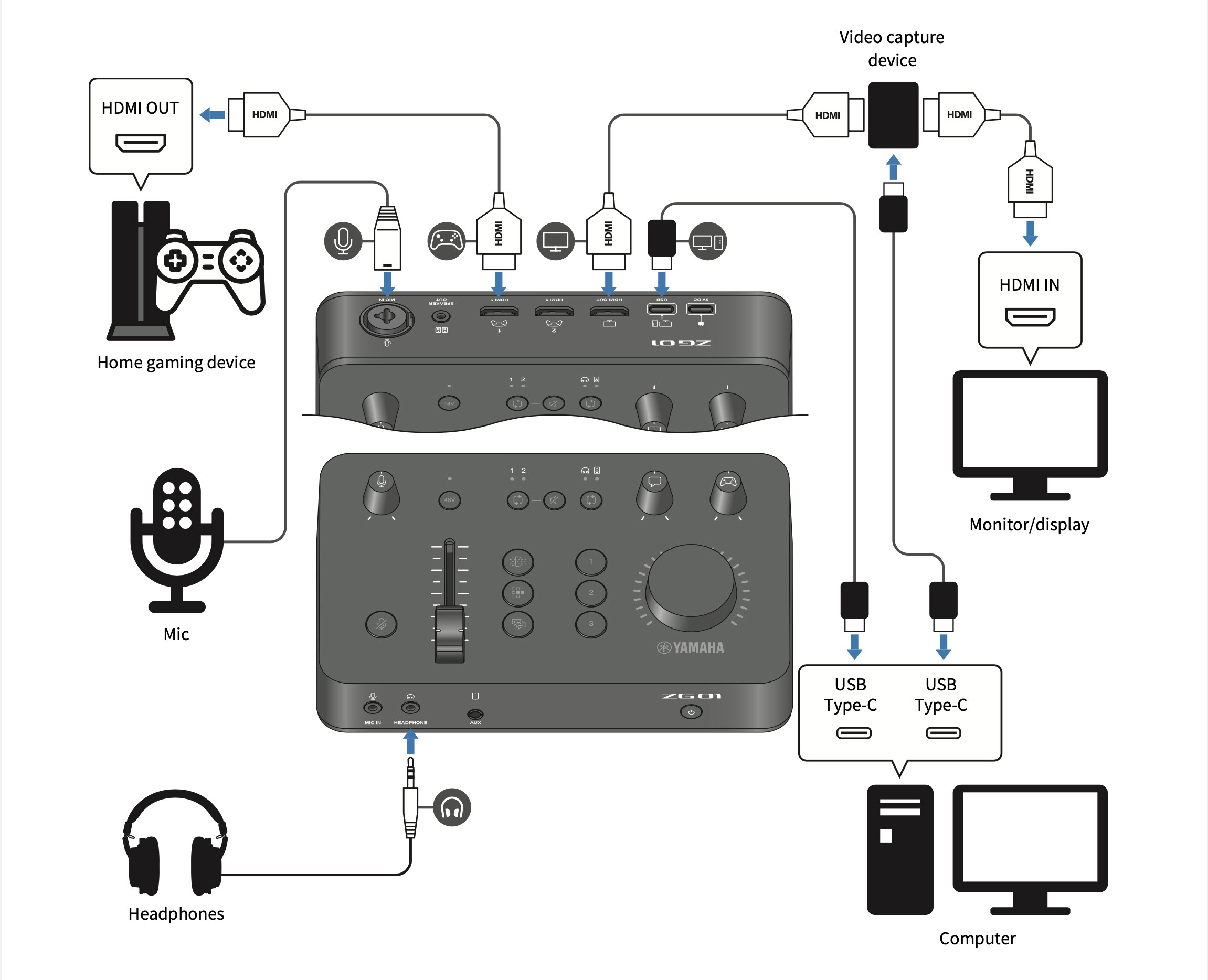
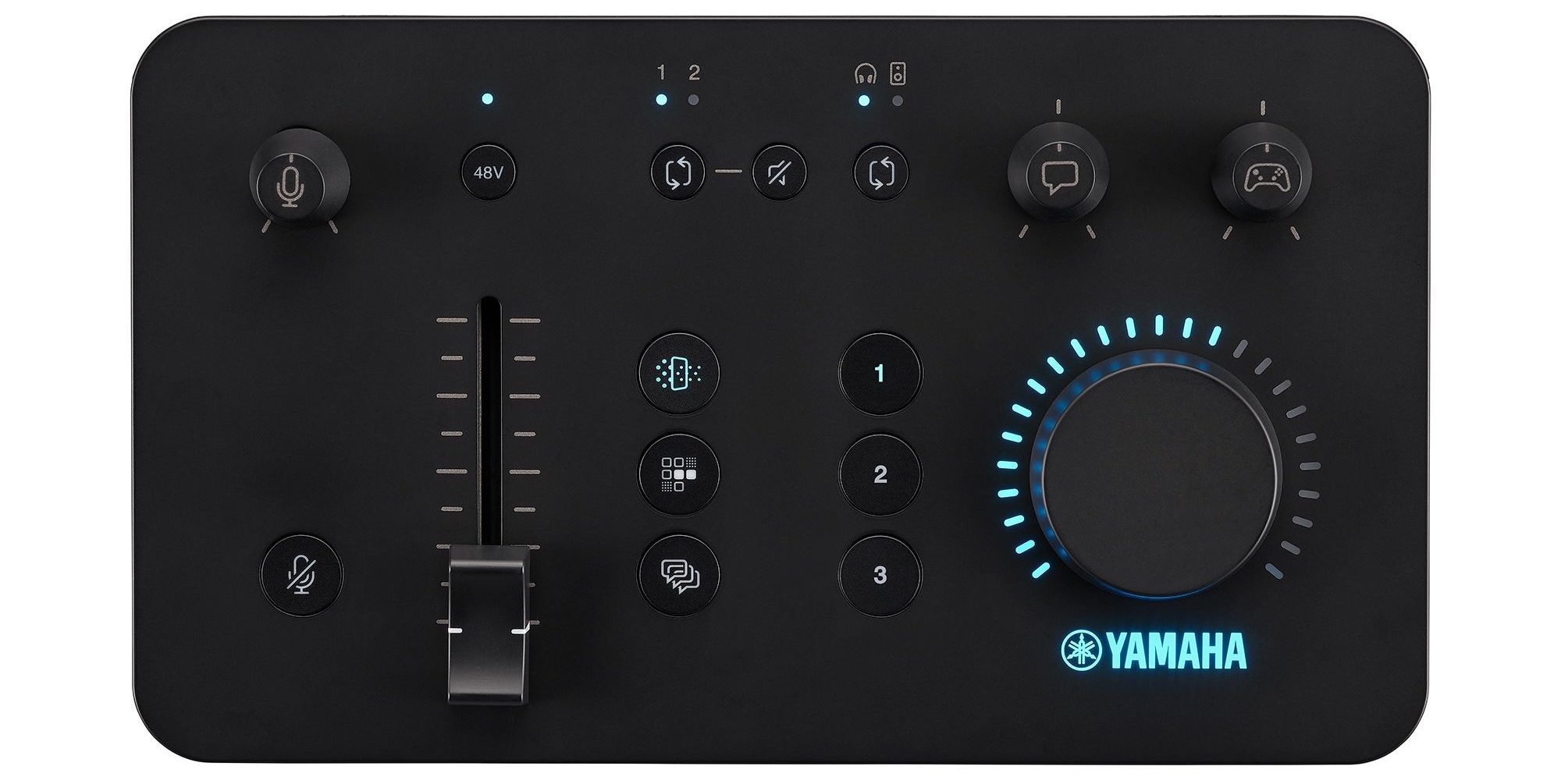
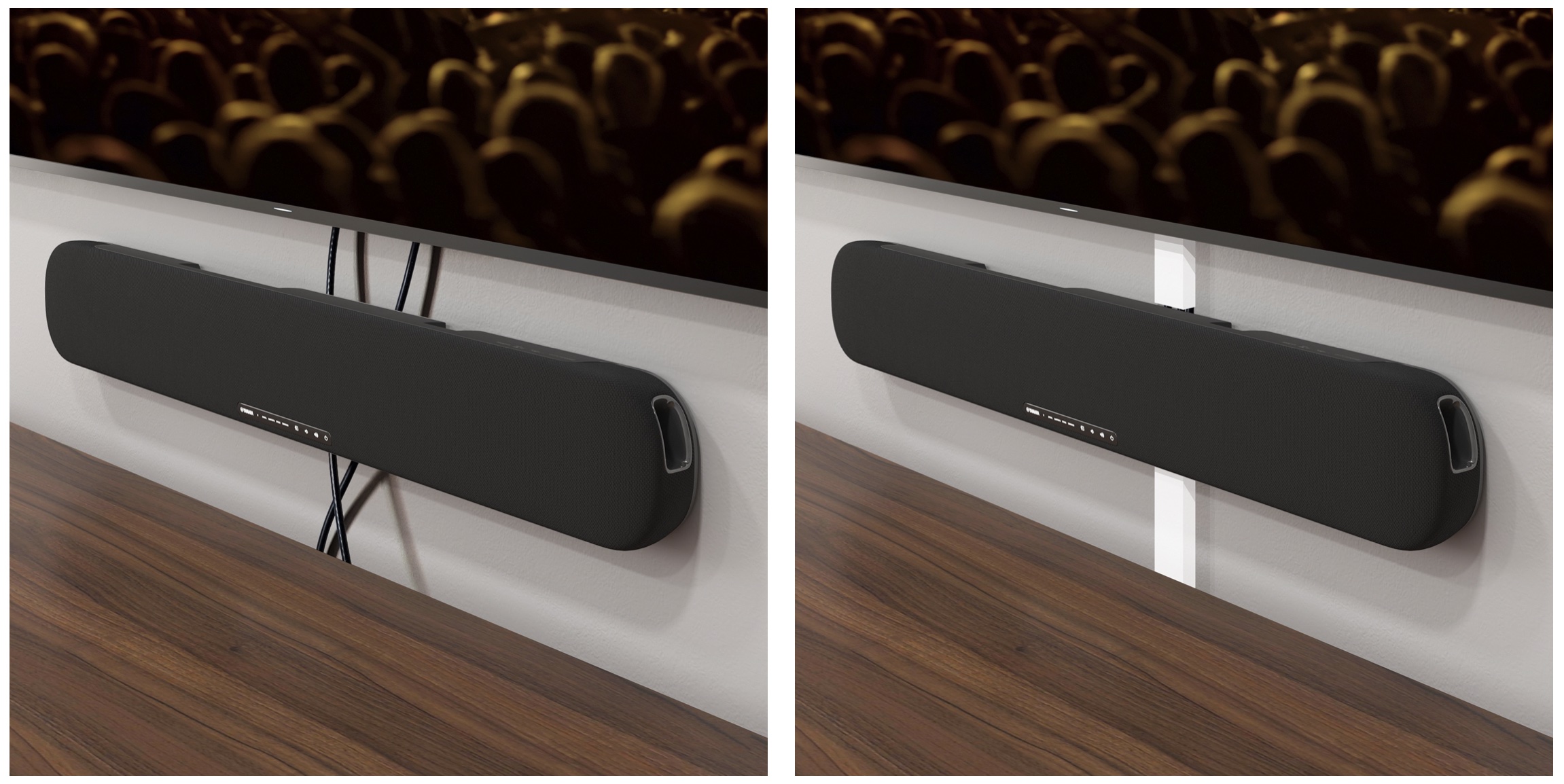
Take your gaming experience to the next level by integrating a Yamaha AV receiver or sound bar into your gaming setup.






















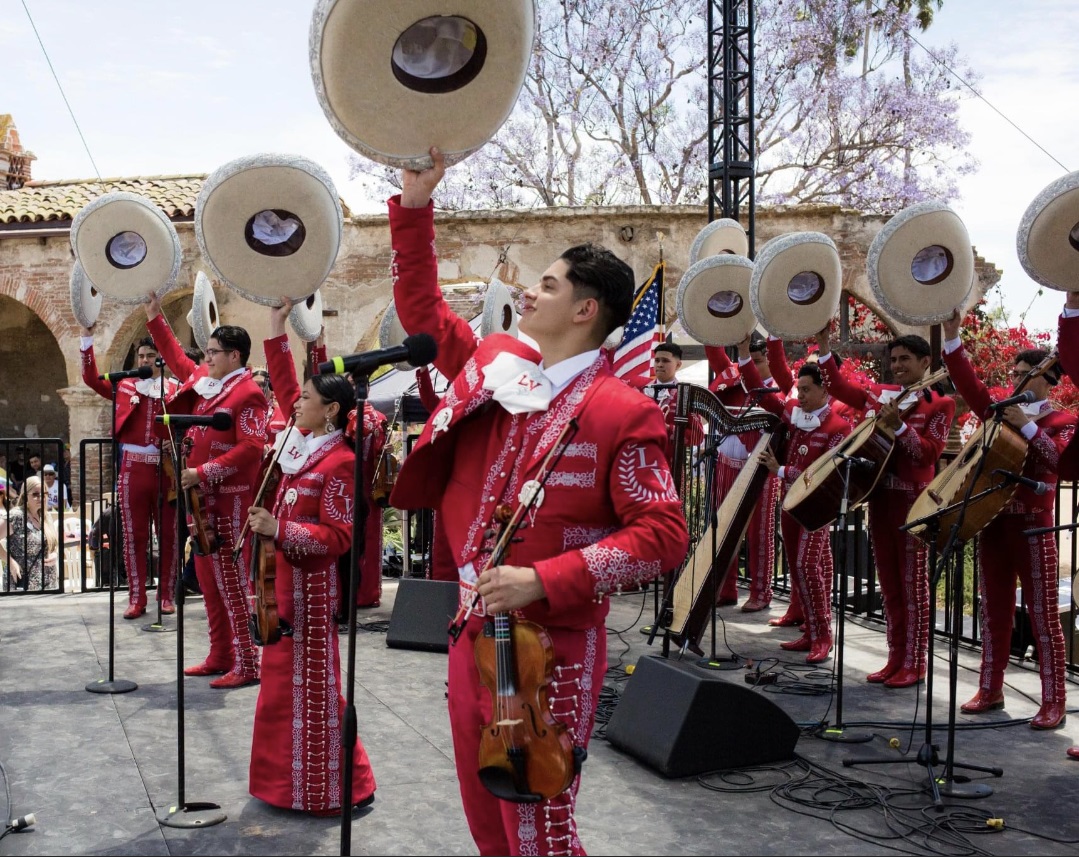 First, we wrote a mission statement and vision that were adopted by staff and students. Every decision made for the group goes back to these philosophies, which helped us during the early stages of creating our massive mariachi program.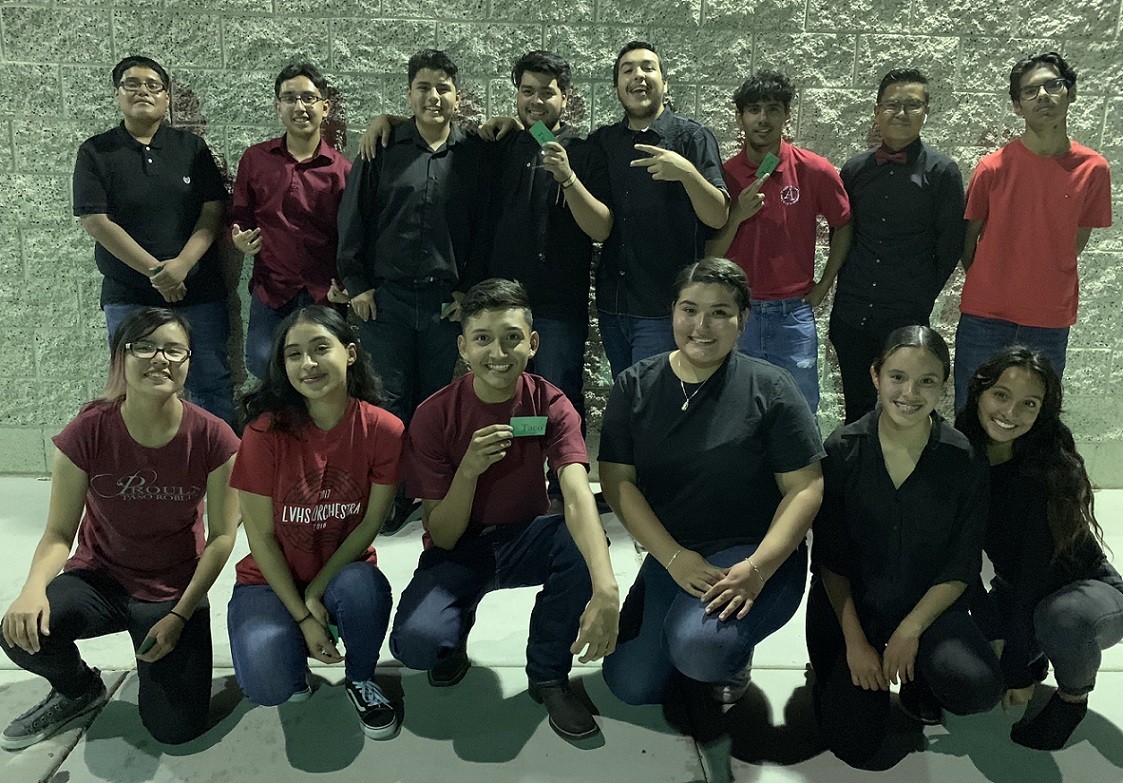
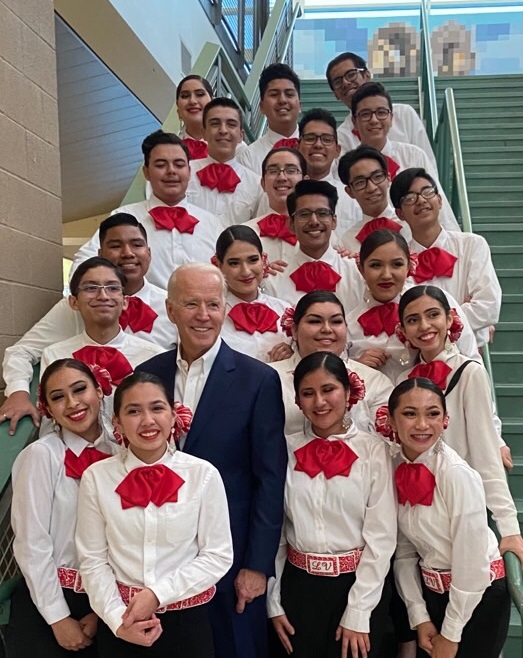 By our second year, we had a true mariachi group formed within the program. Joya became an audition-only ensemble with weekly after-school rehearsals. We had some strategic marketing goals set and wanted to get out into the community as much as possible. An original theme song called “
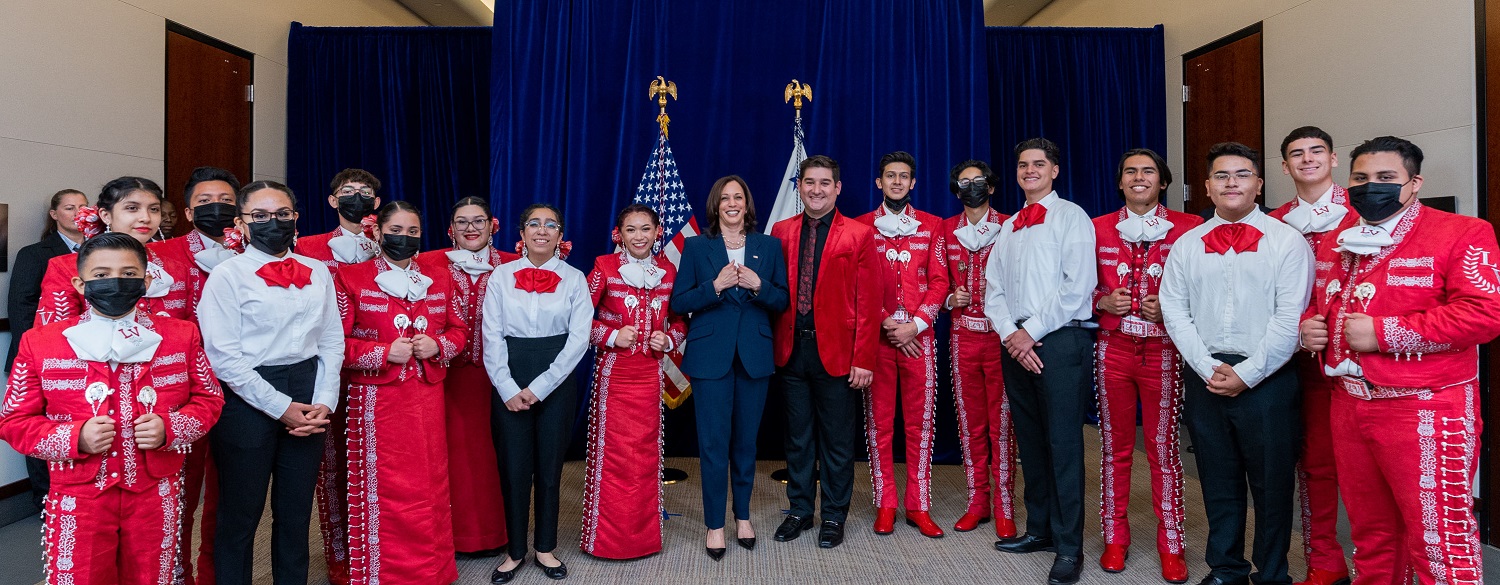 Our plans for Year Three drastically changed because for a full 18 months, we were not able to rehearse or build on our momentum. Students were upset, attendance was at an all-time low and music-making came to a halt. Something had to be done, so we decided to produce a record. Microphones were dropped off at students’ homes and recording began in September 2020. We released our original song, “
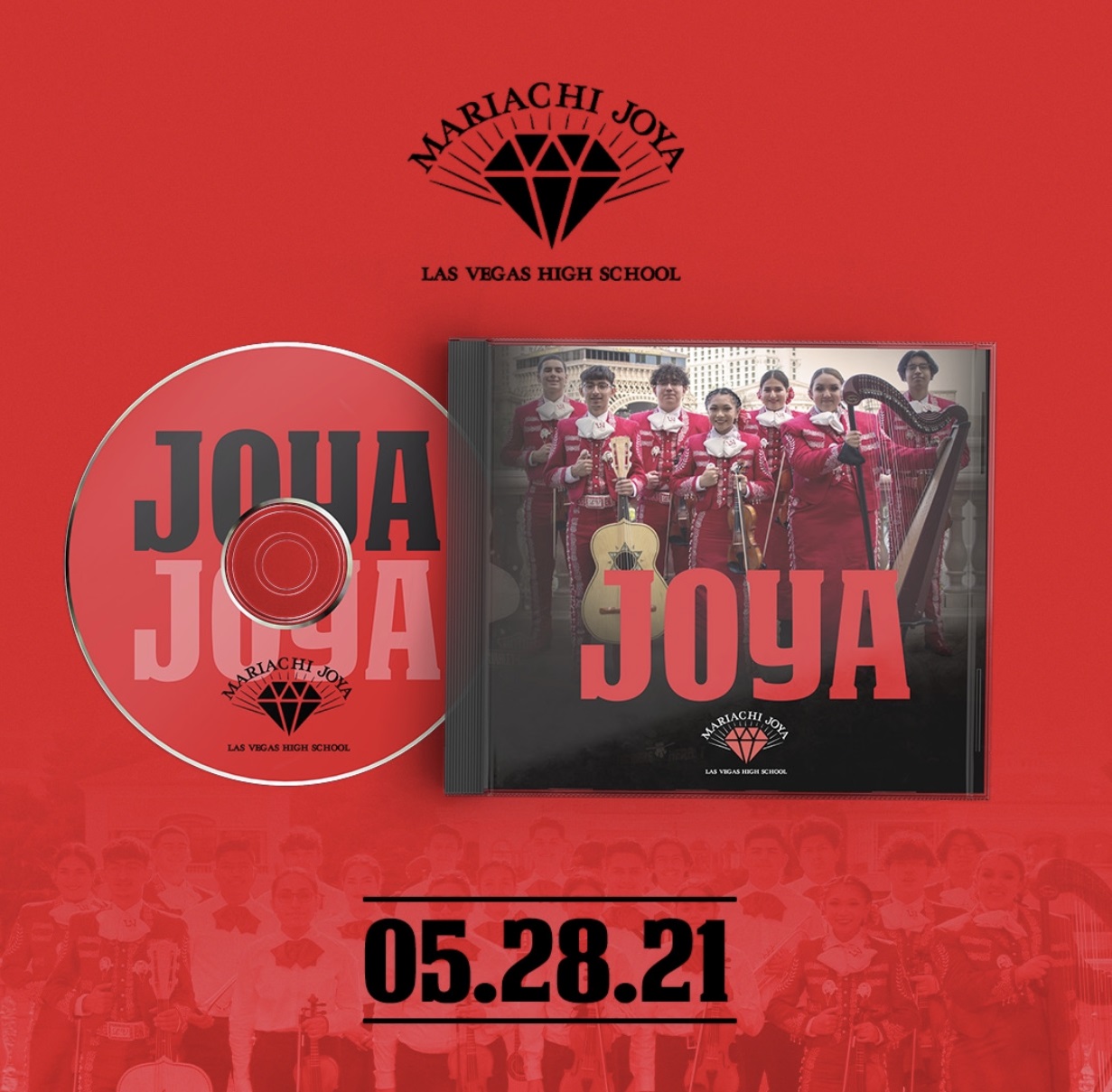 We ended the year with the highly anticipated release of our debut album, “JOYA.” We had a sold-out album release party and consequently released three
 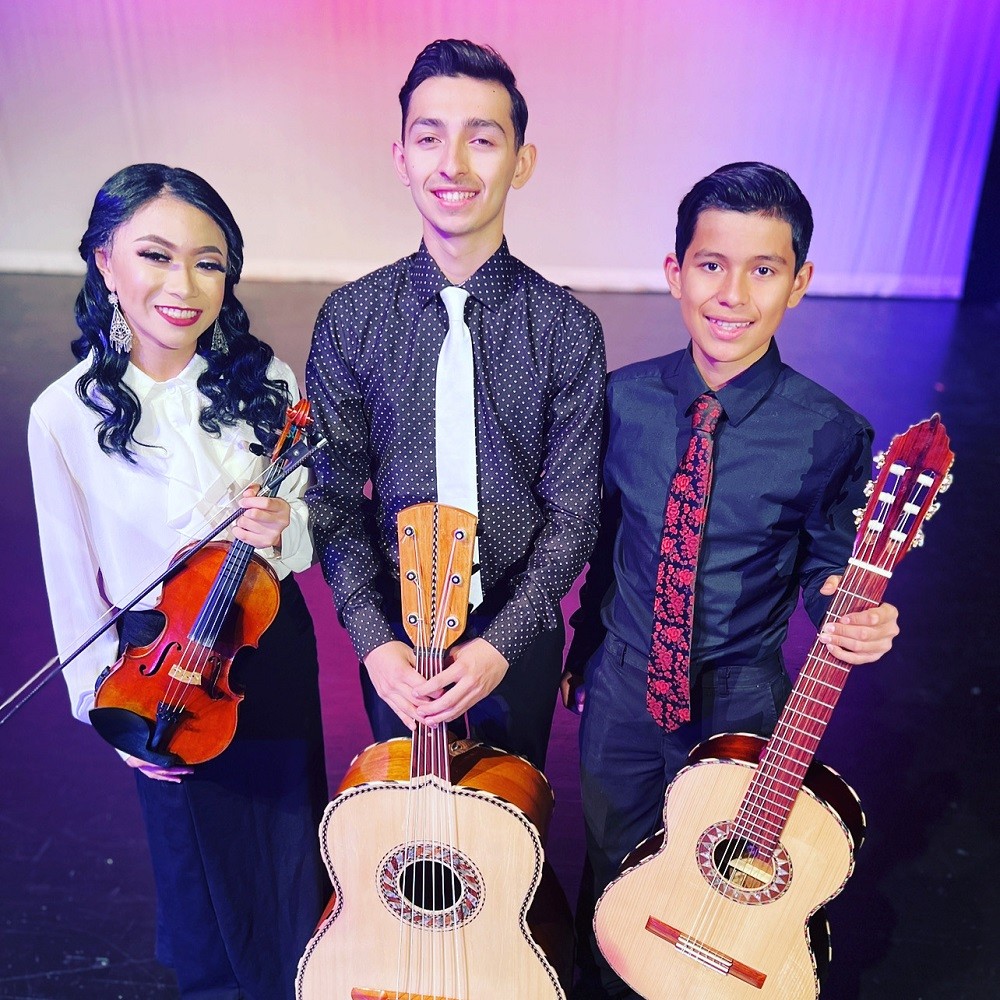 Although most of the students won’t become full-time mariachis after graduation, we also have a 100% career and college placement rate for the 2022 graduating class. With a few students taking over family businesses, the rest went off to colleges and vocational schools. It is my hope that they take with them the lessons they learned through our shared experience with Mariachi Joya.
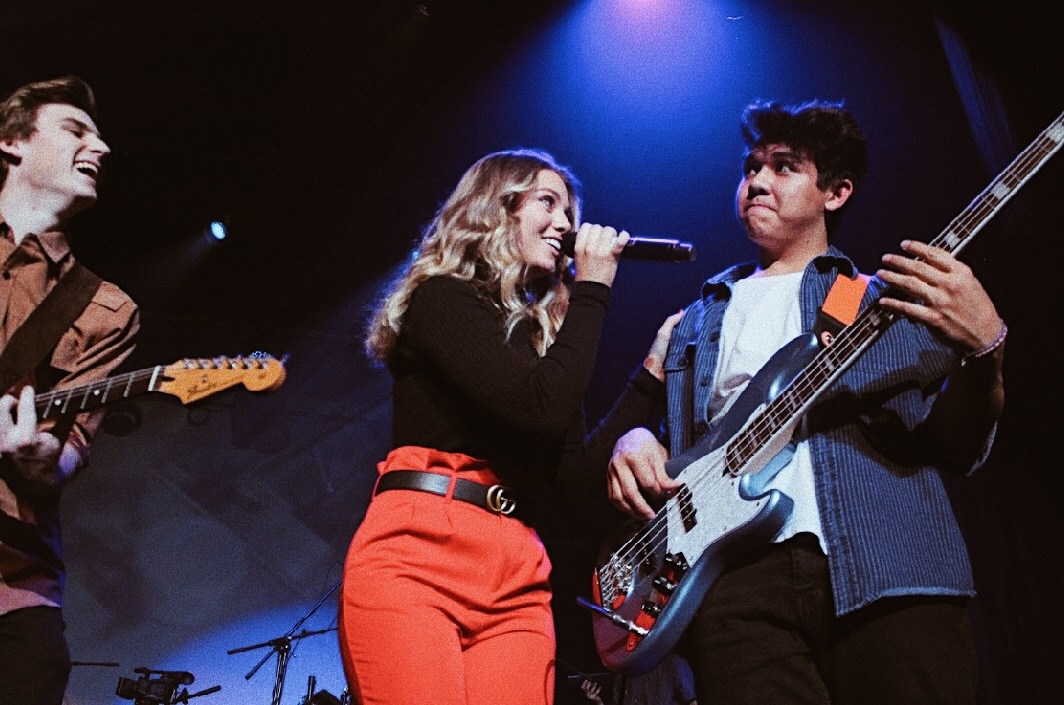 In the MMET pop music program, students join forces to form multiple bands, but the collaboration doesn’t stop there. Because of the amount of collaboration required to put on a pop music show, students get a full education not just in music performance, but also in teamwork.
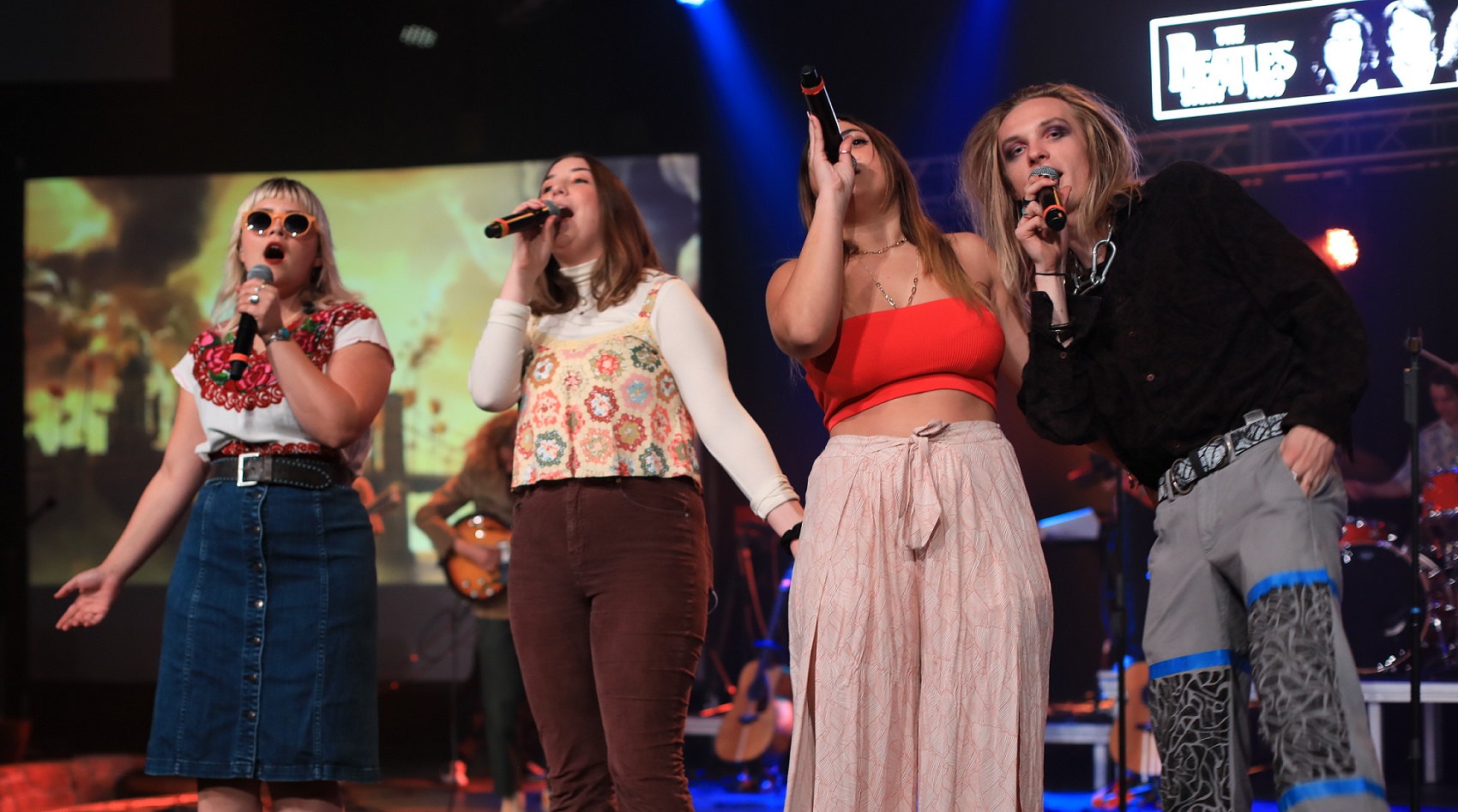 From the moment they receive a new song until the moment they step on stage at a concert, students have about six weeks to learn and perfect their music — for the first three weeks they focus on learning the songs, and the rest of the time is for rehearsing.
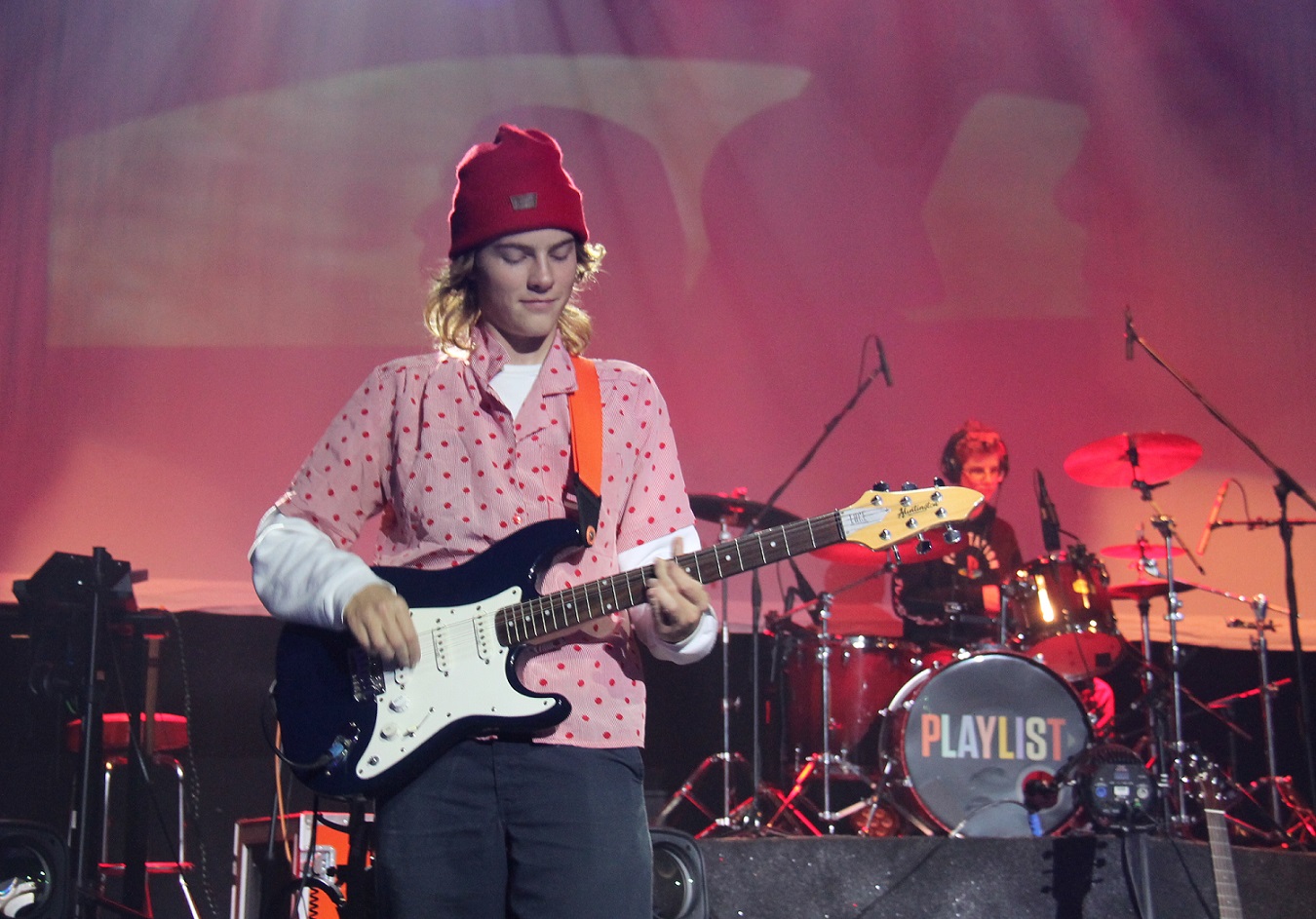 By fostering student self-sufficiency, the MMET pop program helps prepare students for music industry jobs. Whether a student is interested in performance or in the business side of music, MMET has resources to help them reach their post-graduation goals.













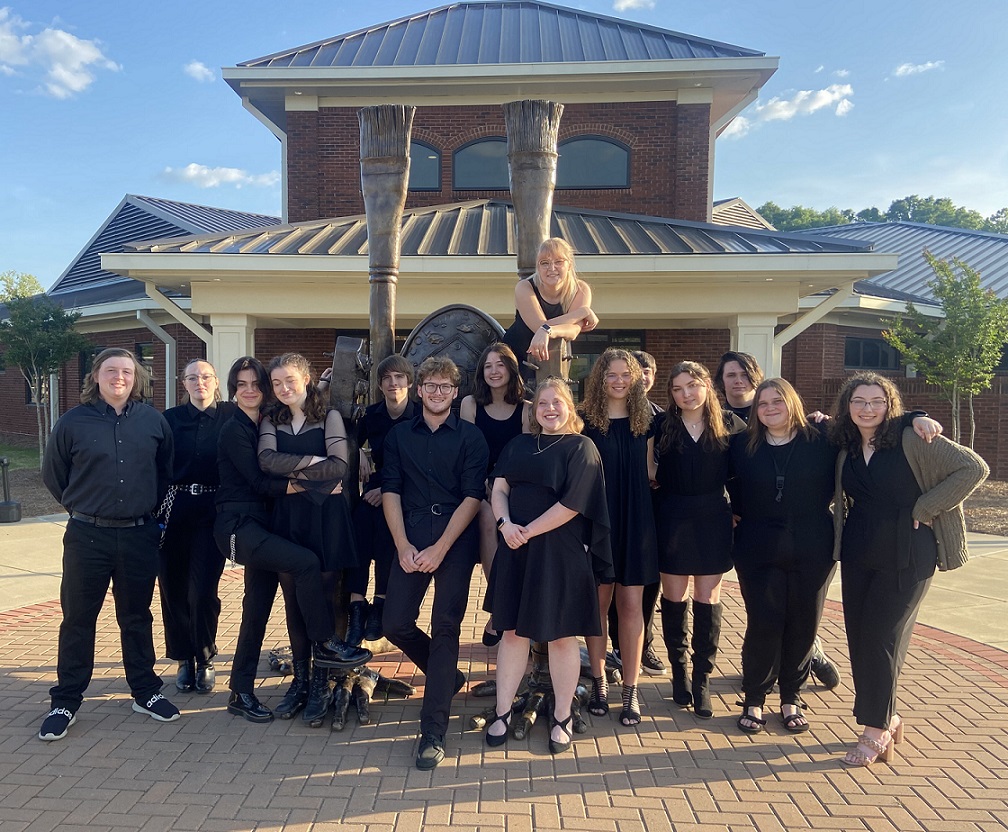 Our first collaboration was within our own school during the 2019-2020 school year. Ashlyn Kuyrkendall, the choral director, and I wanted to put together a big event to open
 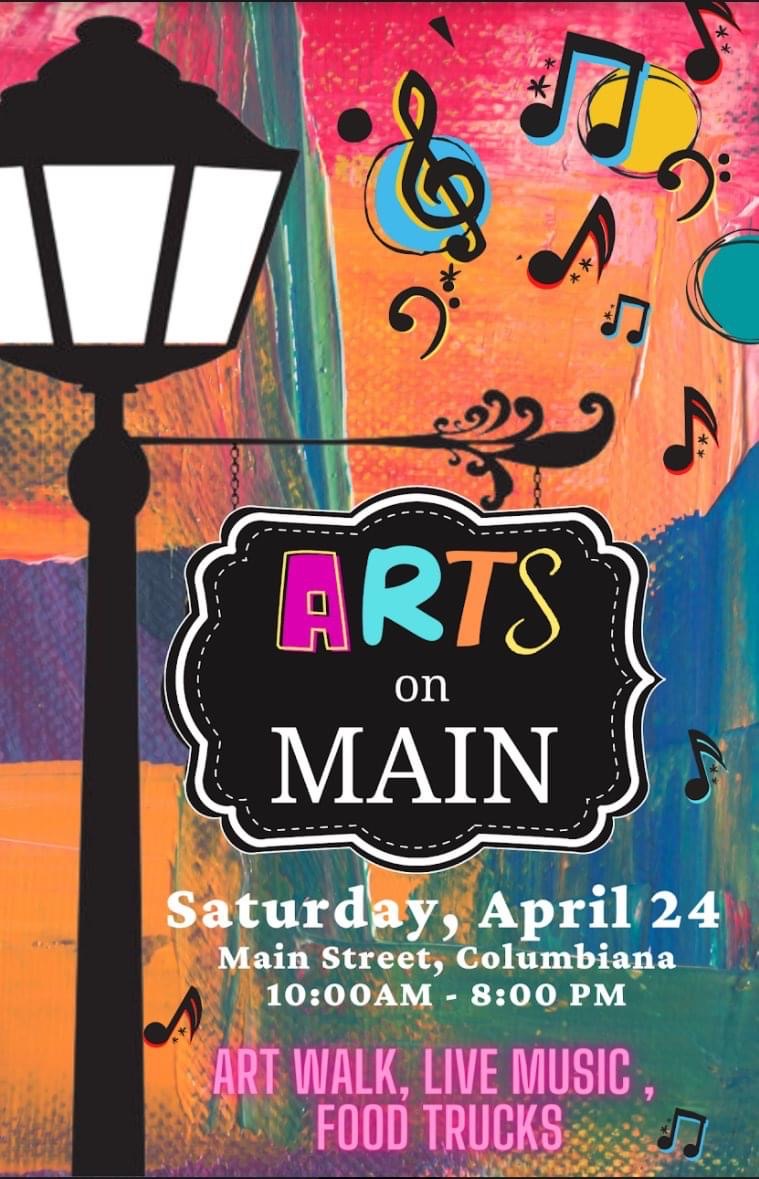 At the end of the 2020-2021 school year, the fine arts teachers at SCHS were approached by our district’s fine arts supervisor about starting an annual end-of-the-school-year arts event in our town. We are not the largest high school in our school system, but we are home to the central office, and Columbiana has a thriving main street, which is part of every quintessential southern town. At first, we were caught off guard because this would be our first big event since the pandemic, but as we started planning, we saw how this event would be great for our community and our school system.
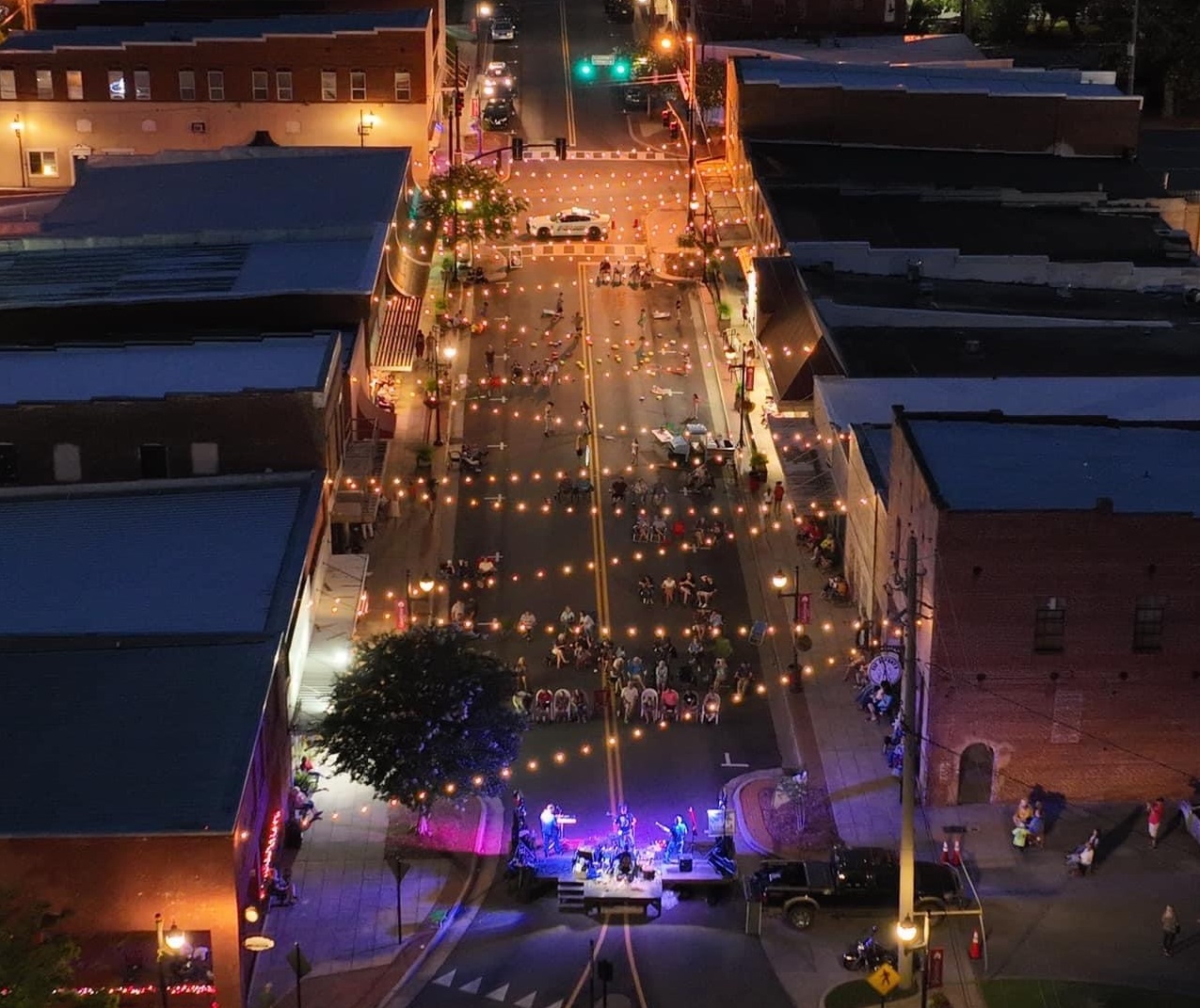 The second year of the event in 2021-2022 brought more challenges. This time, the arts center was completely booked, so we were only able to use our main street area. We revamped our event with some changes that really made the event shine. First, we moved the two performance stages to each end of Main Street. This created a corridor and centralized the focus of the event. The previous year, one stage was on the street and the other was around the block at the arts center. Although this allowed for a bigger footprint, the spread-out nature of the event seemed to create less of a buzz.
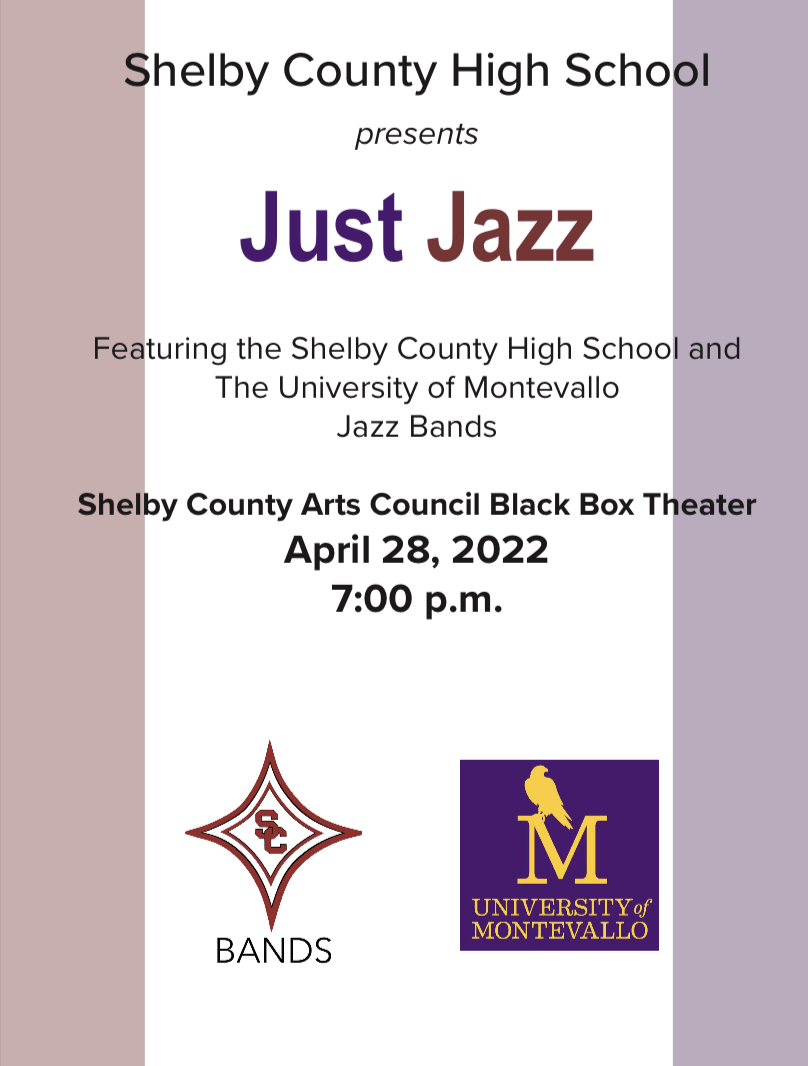 Montevallo has a very successful band program, and the director,
 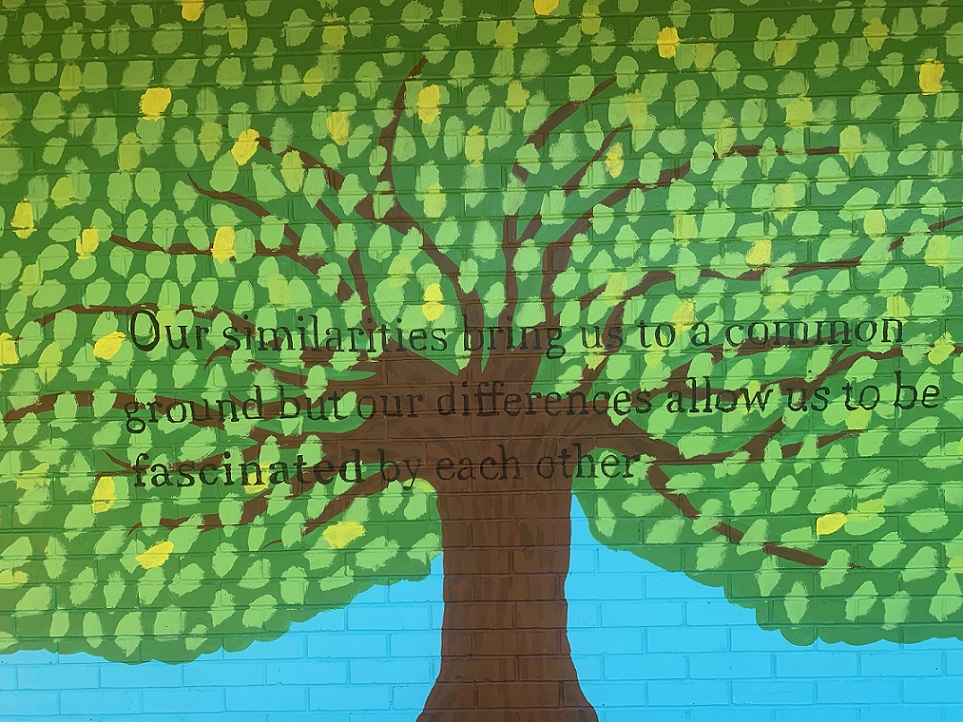 The idea for the mural came last summer, when the band went to the back of the practice field where a giant oak tree was located. I noticed that the tree had sustained some damage, probably when a tornado came through the town in 2021 and destroyed several homes. I told the students that the tree represented our band program. We might take shots to the exterior, but our roots and interior are strong.
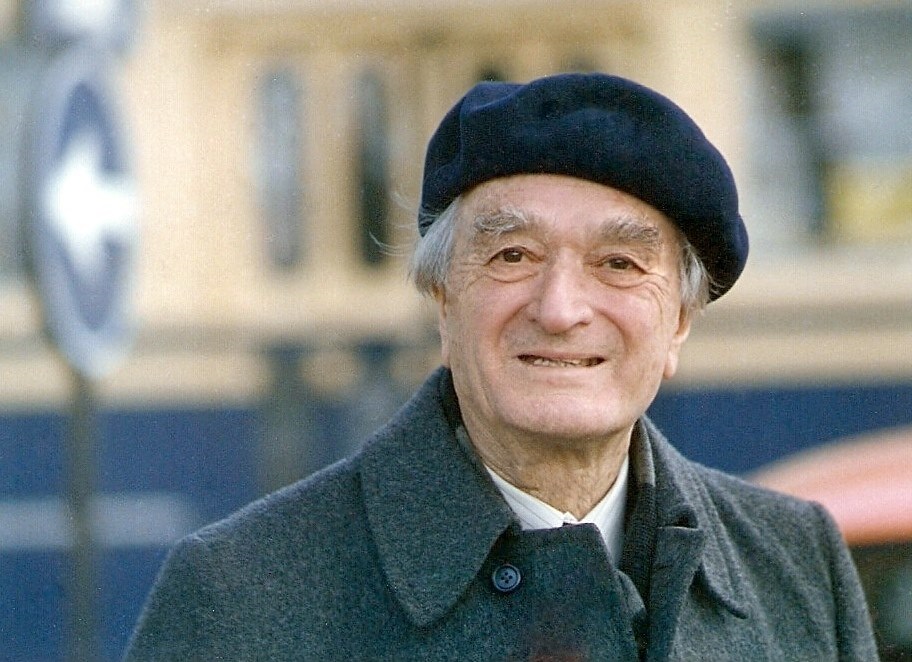 Turkish composer and musicologist, Ahmet Saygun (1907-1991), is known for blending Turkish folk songs with the sounds of the West. Perhaps you’ve heard of “
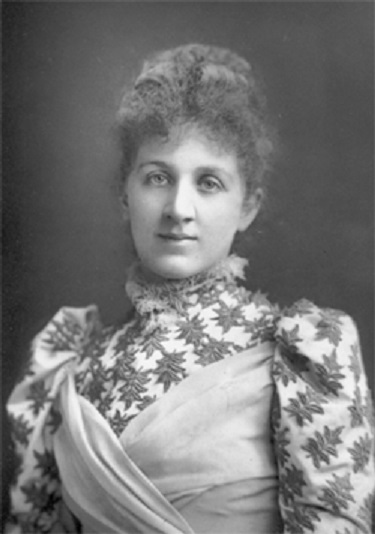 Liza Lehmann (1862-1918), a soprano vocalist and composer, was born in London to a German painter father and music teacher and composer mother. She is believed to be the first woman to have been commissioned to write a musical comedy. Her performing career lasted well over a decade, then she began songwriting and composing.
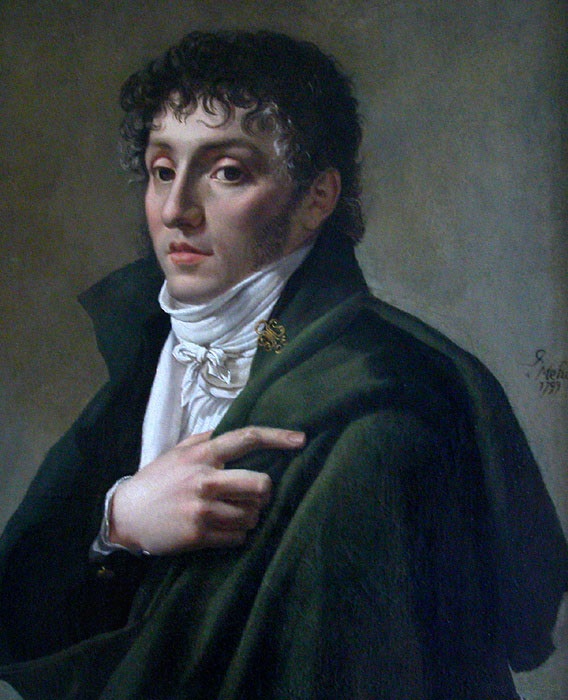 Étienne Nicolas Mehul (1763-1817) was dubbed “the most important opera composer in France during the Revolution.” He was a member of the French Symphonic School of music, and according to
 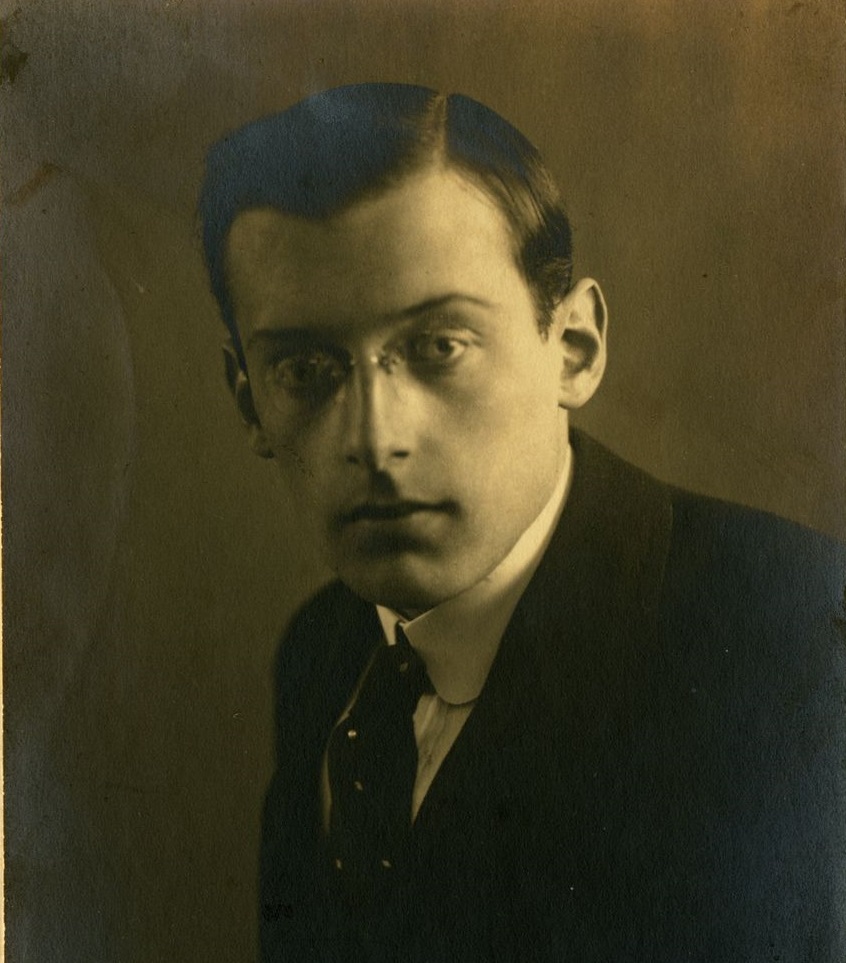 Although Paul Ben-Haim (1897-1984) is a composer known for his Israeli/fusion classical pieces, he was born in Munich, Germany. He studied with
 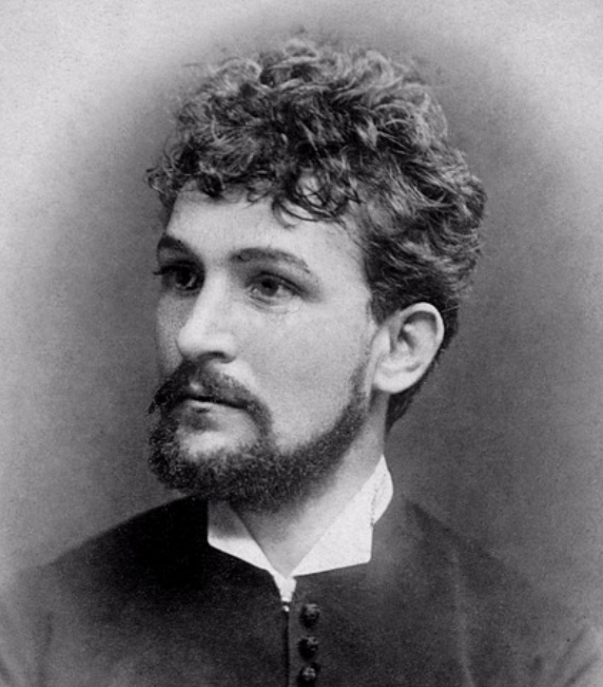 While Czech composer Leoš Janáček (1854-1828) is considered a household name amongst classical musicians, most non-musicians haven’t heard of him. He was devoted to studying folklore and folk music, which he collected extensively.








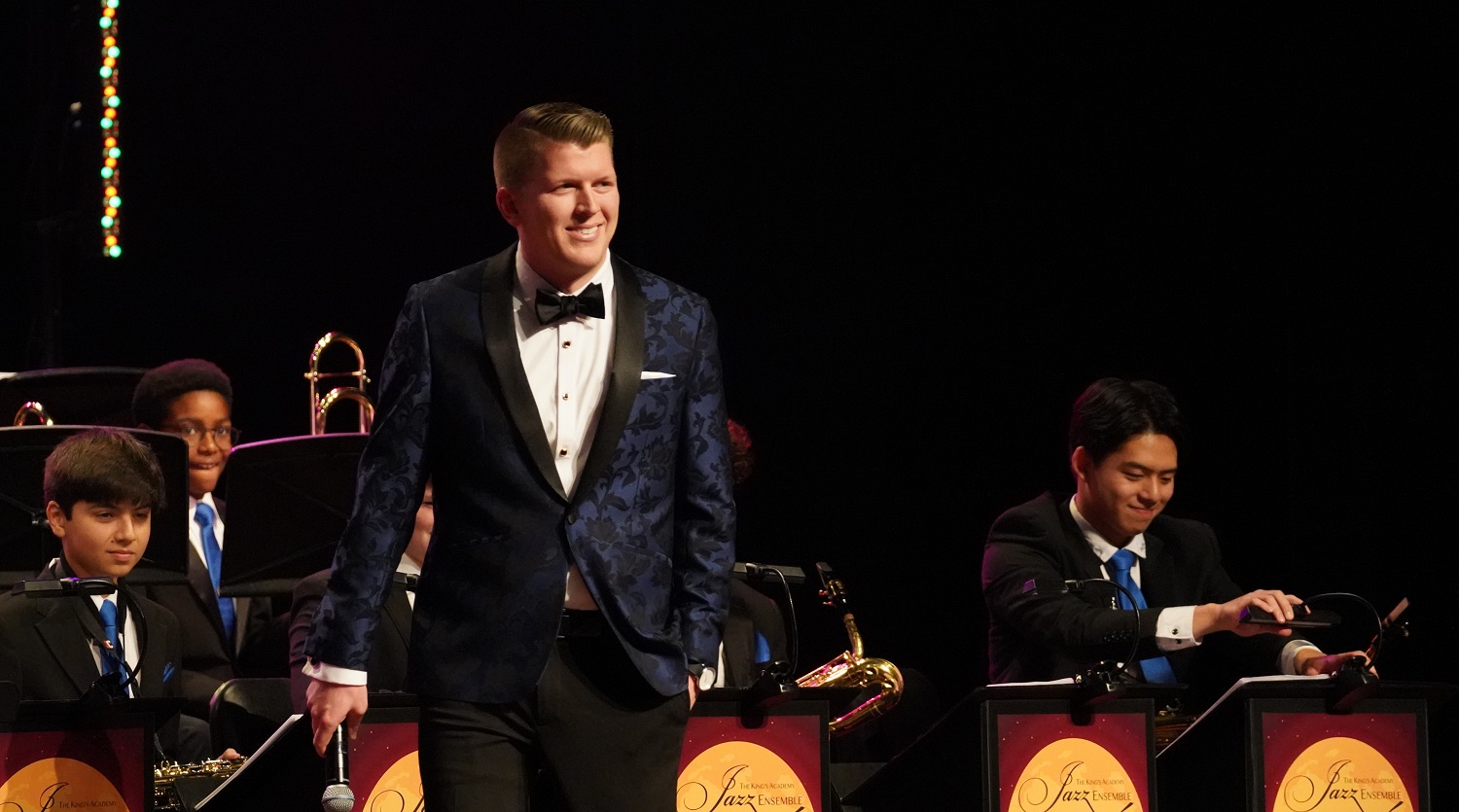 “The most important thing is choosing the appropriate music for your group,” Lowe says.
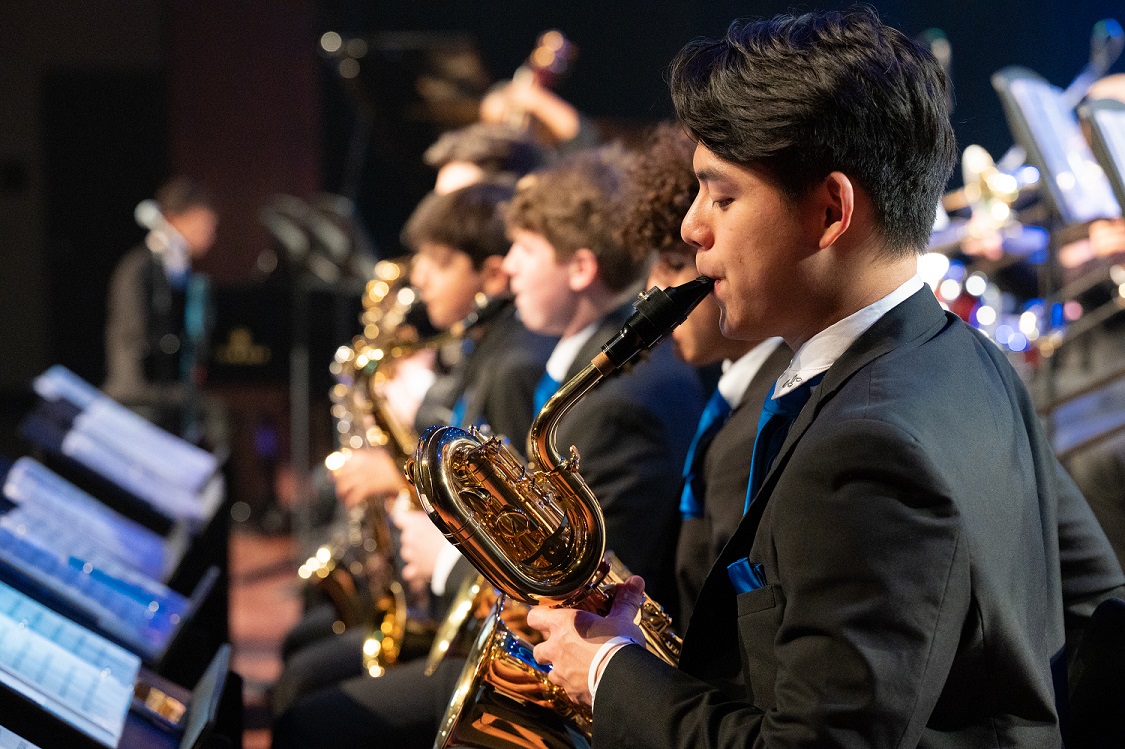 Reaching out to other band directors who have a thriving jazz program or local jazz musicians “can be very valuable, especially for high school jazz bands,” Lowe says.
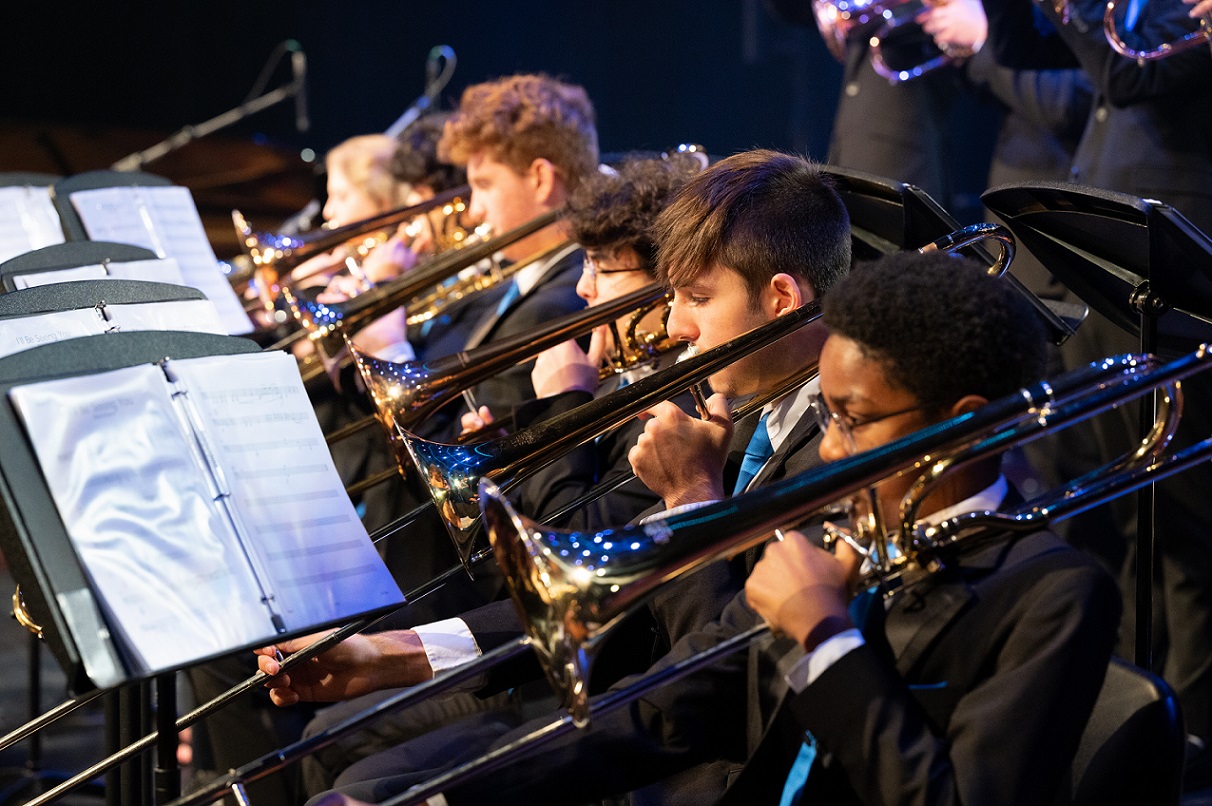 He picked their brains about music selections and ways to teach the many different genres of jazz. Lowe also asked local professionals to work with his entire band or to take a sectional out and focus on a small group of students. This was a great way for him to get plugged into the local band community, and it allowed his students at TKA to hear from a variety of instructors.
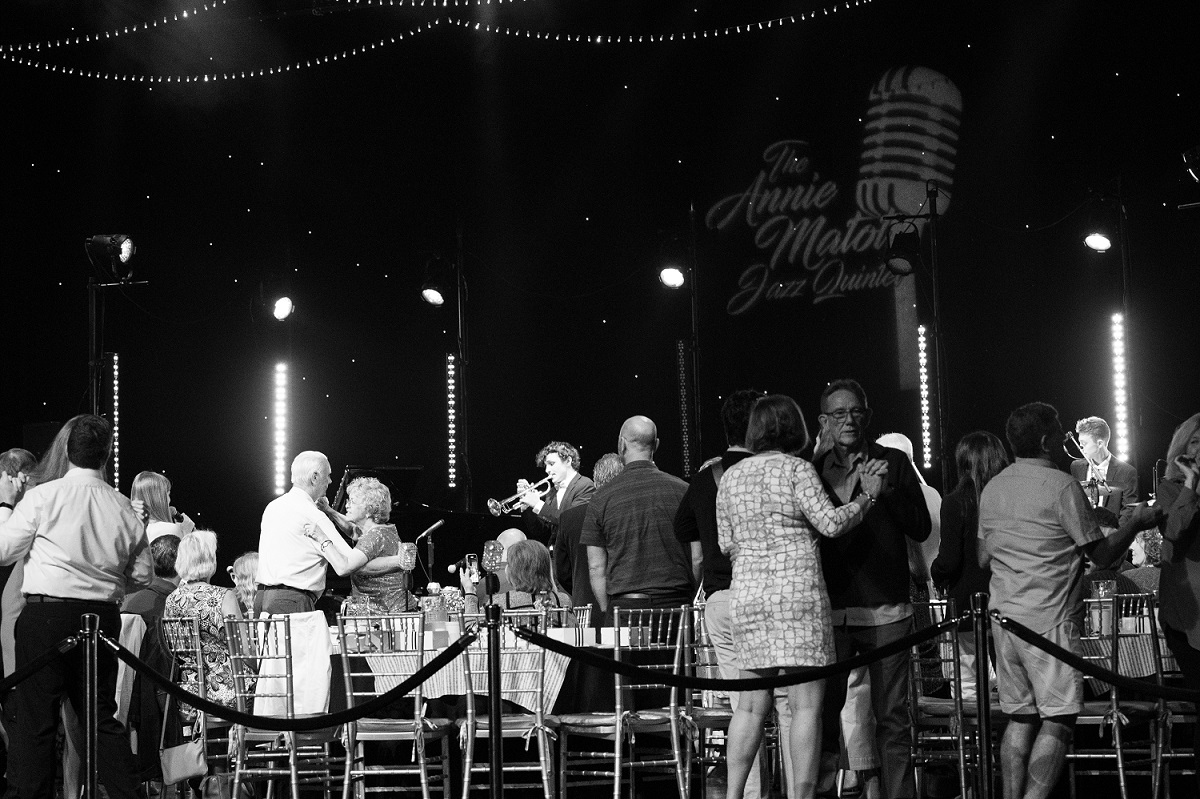
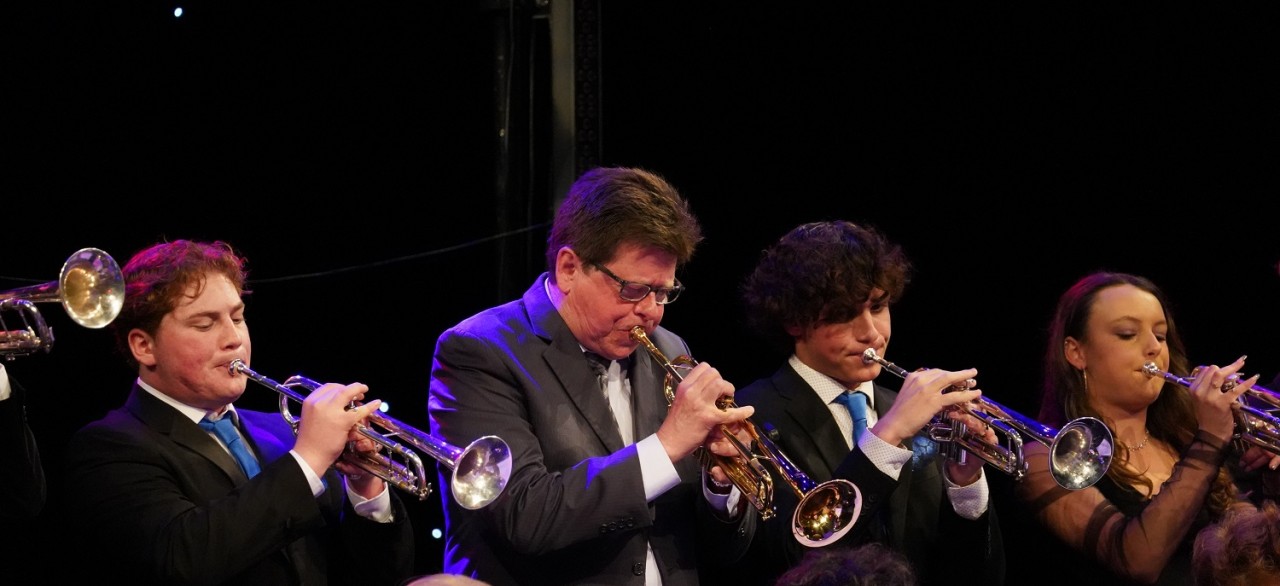 Lowe has found success producing an annual Night of Jazz that features guest artists, such as the late drummer
 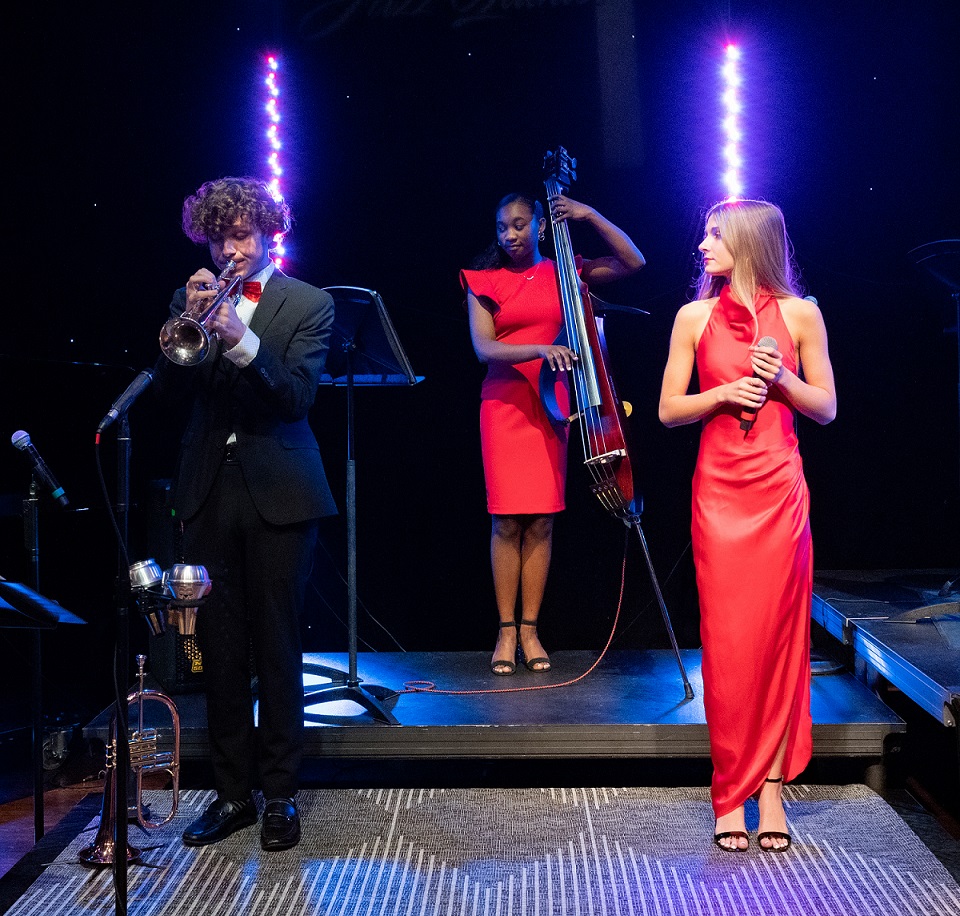 “The more you can take jazz to your community, the more people will rally behind your program,” Lowe says. “Jazz is so accessible, especially for the older generation, and it’s the perfect opportunity to take your band and perform at downtown marketplaces, retirement communities and 55+ communities that are looking for entertainment.”
 “This is a great example of being flexible and finding different avenues for students to showcase their hard work, especially if the students are super talented,” Lowe says.
 I learned these lessons the hard way.
 How often have you been told “Job well done” or “Great work” after a concert or event, and you immediately give the credit to everyone else (or the ever-popular, “The kids worked so hard!”)?
 In my case, I label my strengths as “green lights.” These are the things that I am naturally good at or worked incredibly hard at. Traits and characteristics in the green category would include connecting with students, writing, playing my instrument, project management and consistency.
 Yes, she still gets upset and frustrated, but this does not stop her from finding a solution to the problems that come up. Furthermore, she goes into these events expecting some issues to happen. She is mentally prepared to address surprises and solve problems. If nothing happens, that’s a bonus! Nothing is perfect, and when we expect perfection, we can easily go into a downward spiral that isn’t good for anyone. Things happen, and we can choose to either react or leave it alone.
 I grew up an hour outside of Chicago in the ‘90s, during the Chicago Bulls’ six championships. A lot of my childhood was spent adoring the starting lineup of the Bulls and despising any team that wasn’t them. A famous opponent of the Bulls was Charles Barkley of the Phoenix Suns. In a controversial



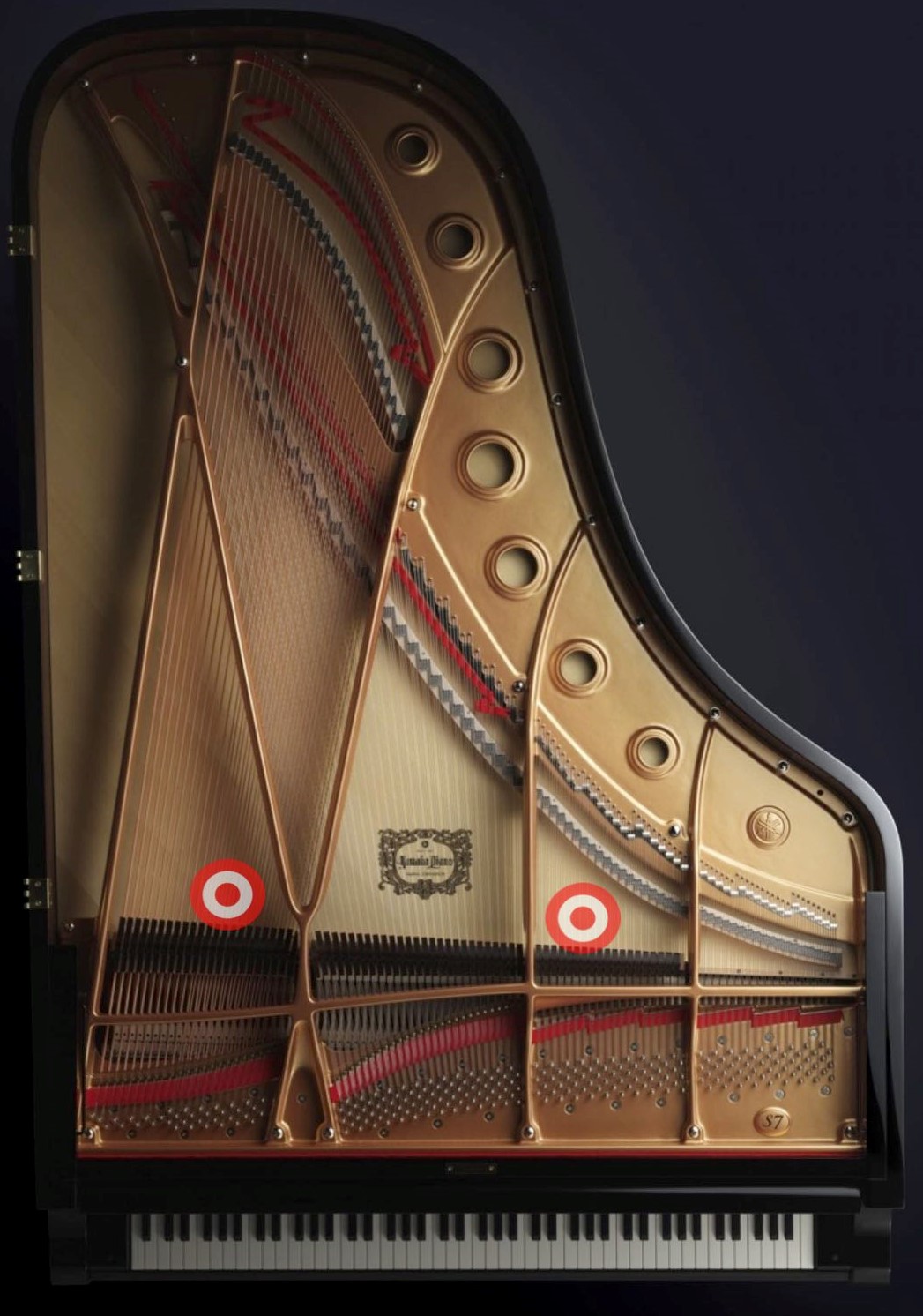
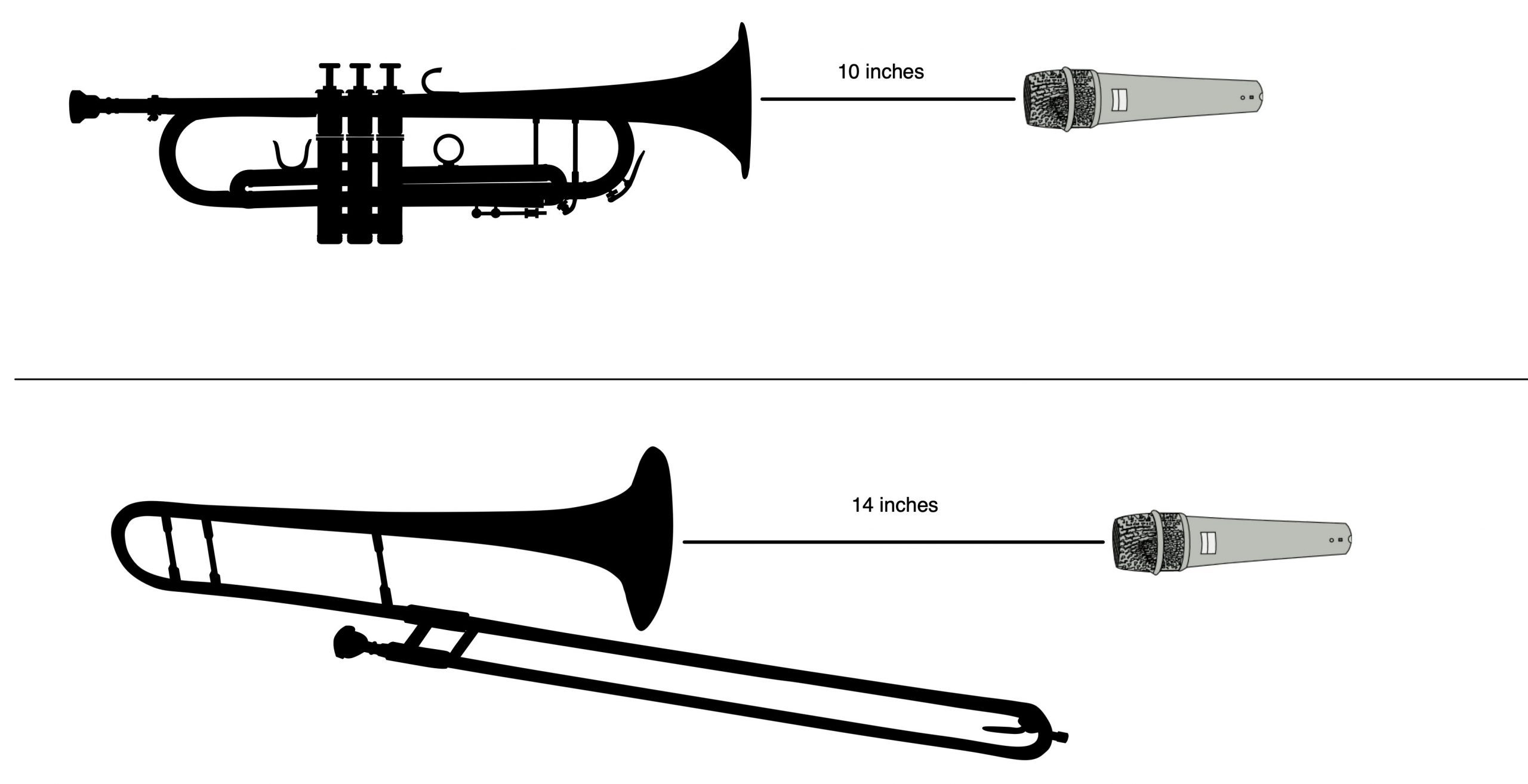
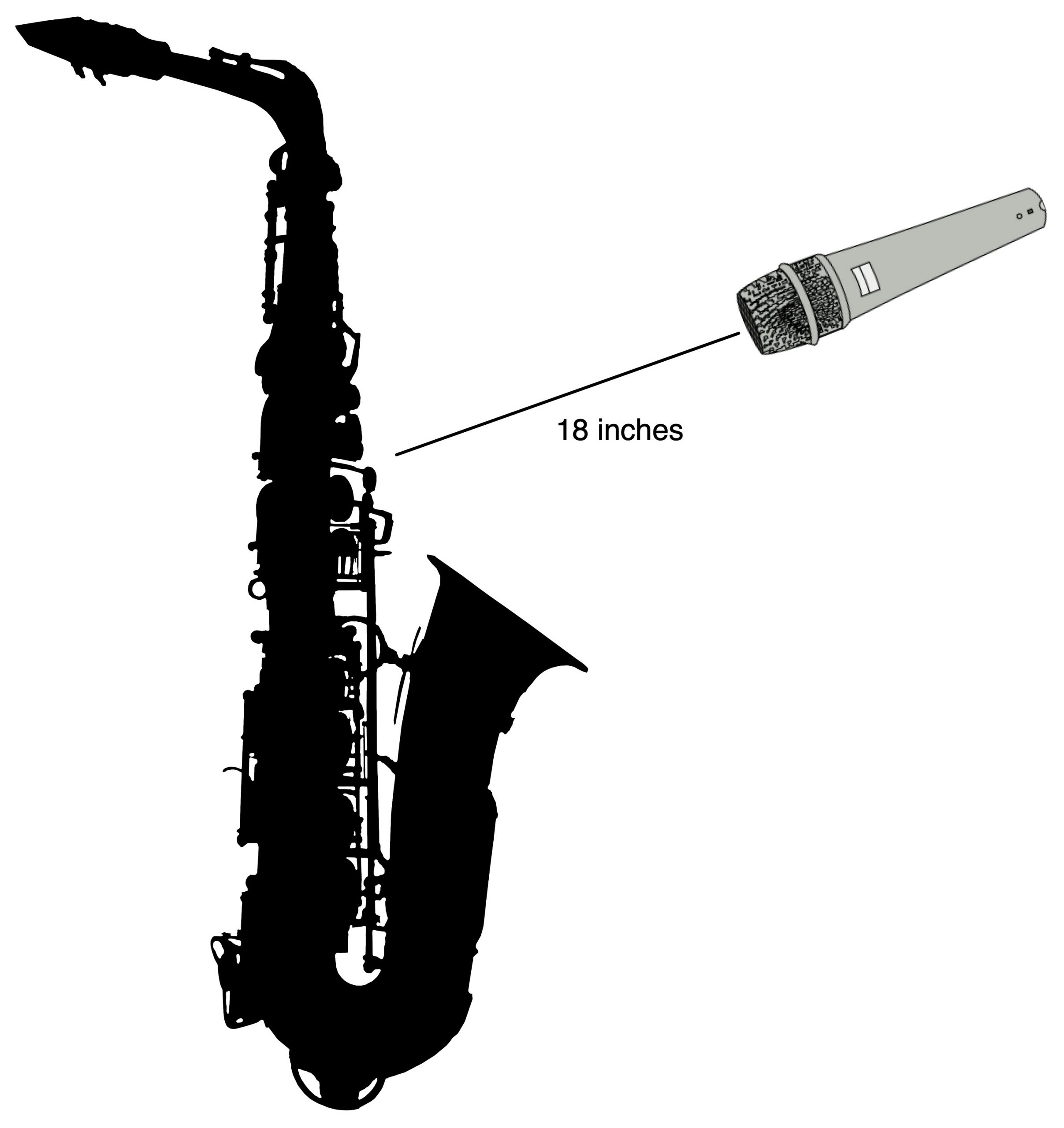
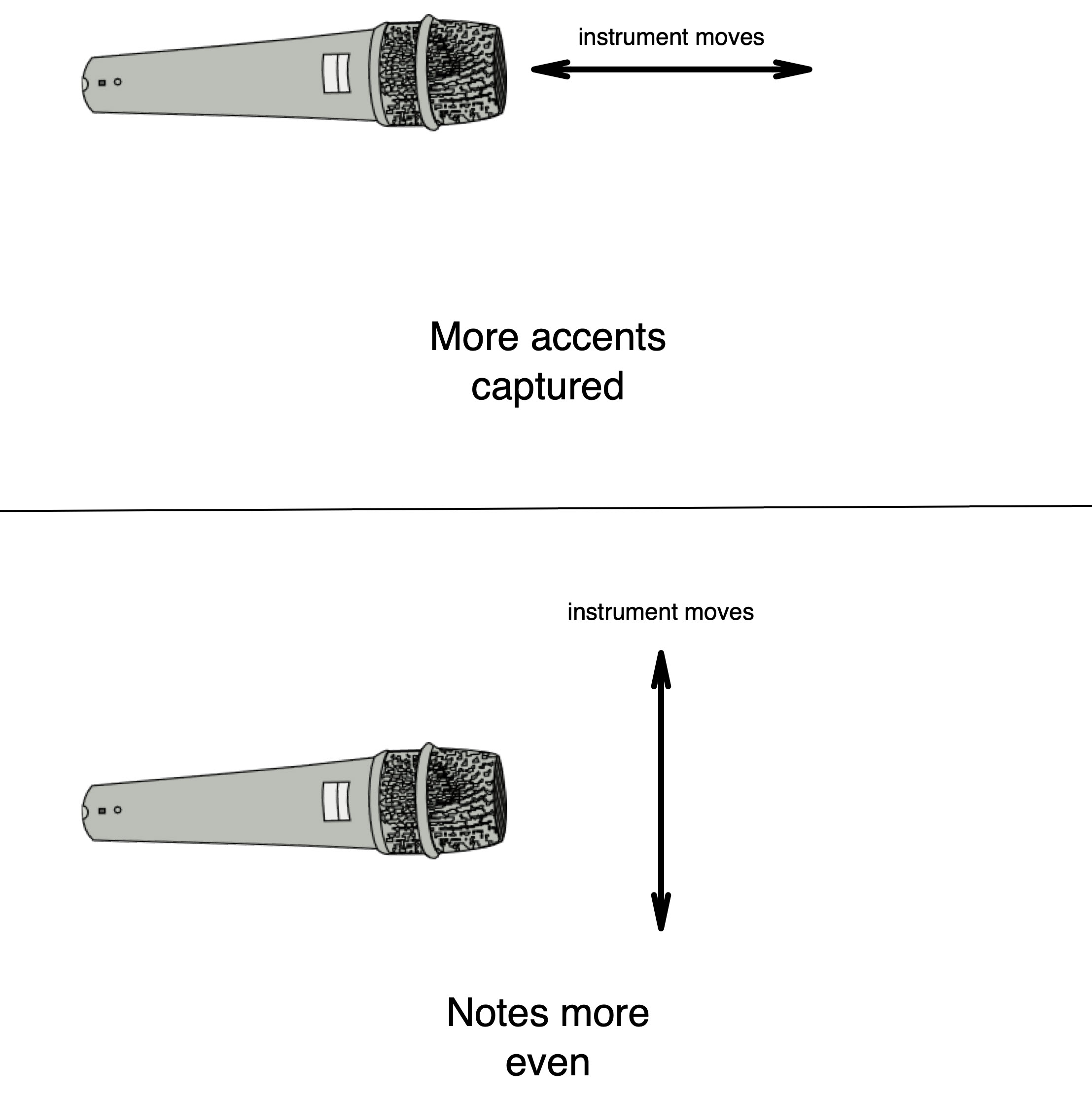


 A great mentor equips their mentees with the tools by which to seek success. As per the high stakes nature and competitiveness of the performance world, it is imperative to remember that each risk carries the potential for yet another disappointment. When trying to empower young artists to develop the confidence and self-worth to move forward (despite the continuous stream of rejections), a calculated approach to seeking performance opportunities is especially important.
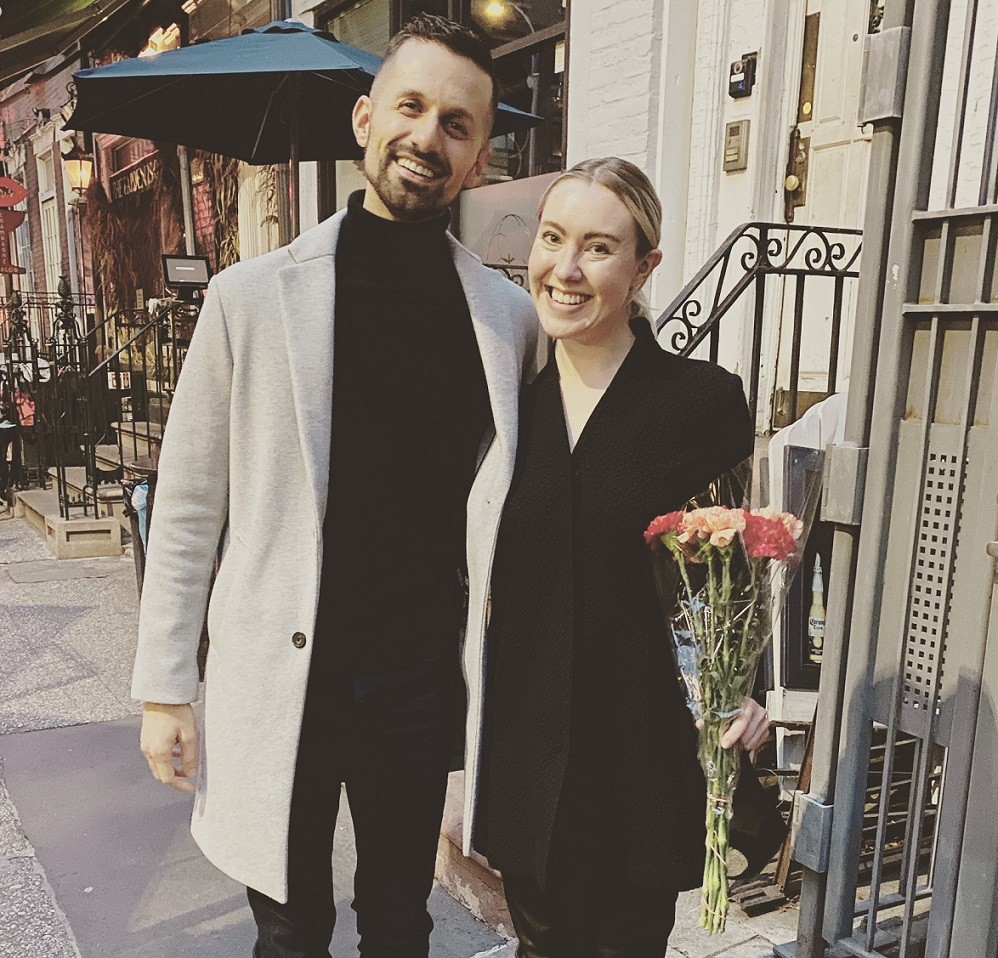 The universe has an unusually clever way of bringing life full circle. For instance, a handful of my current students are singing with companies that I have performed with some years ago. Like Christina Swanson, for instance, who is currently spending her summer working as a Festival Artist with Utah Festival Opera. Will she go on for any of her cover assignments? I’m not sure. But, what I do know is that she is equipped with the tools by which to find success should she be called upon to do so.
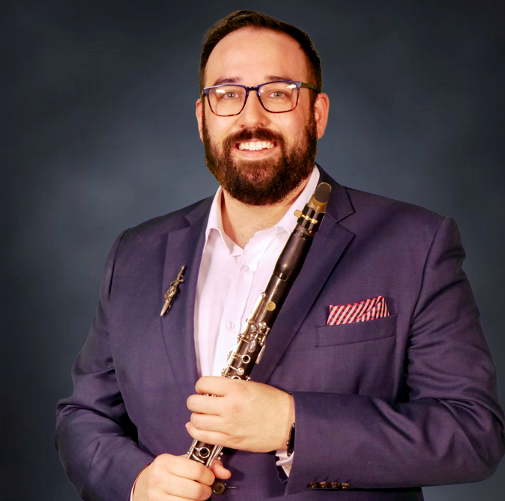 David Amos
 Andrew Gibb-Clark


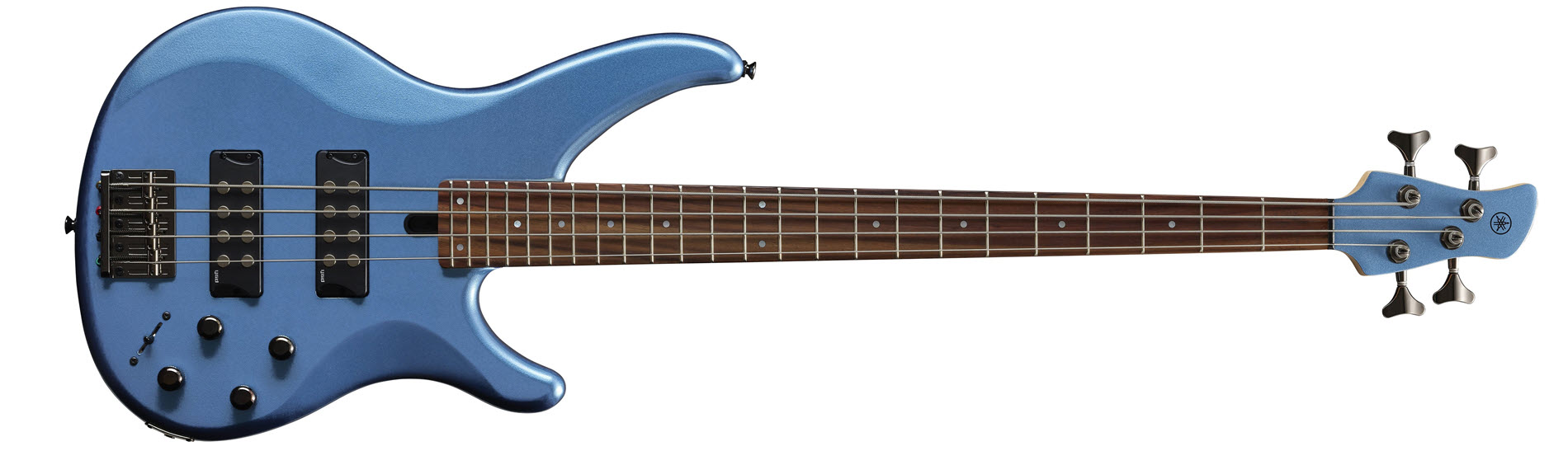

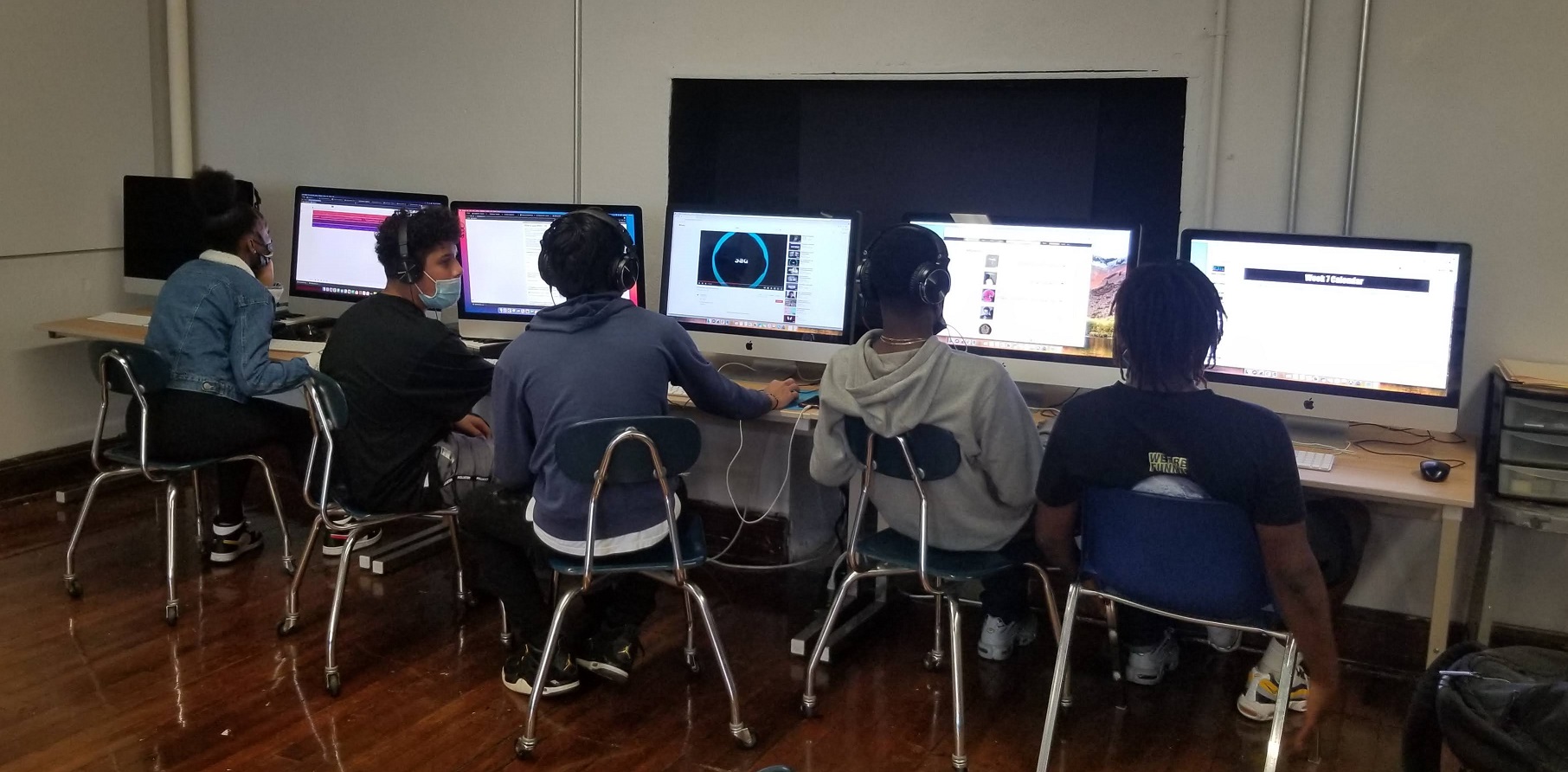 Prior to the start of the academic year, draft a strategic plan for the new music program that includes a mission. Why are you there to begin a music program? What purpose does it serve? Make it concise but keep the bigger picture in mind.
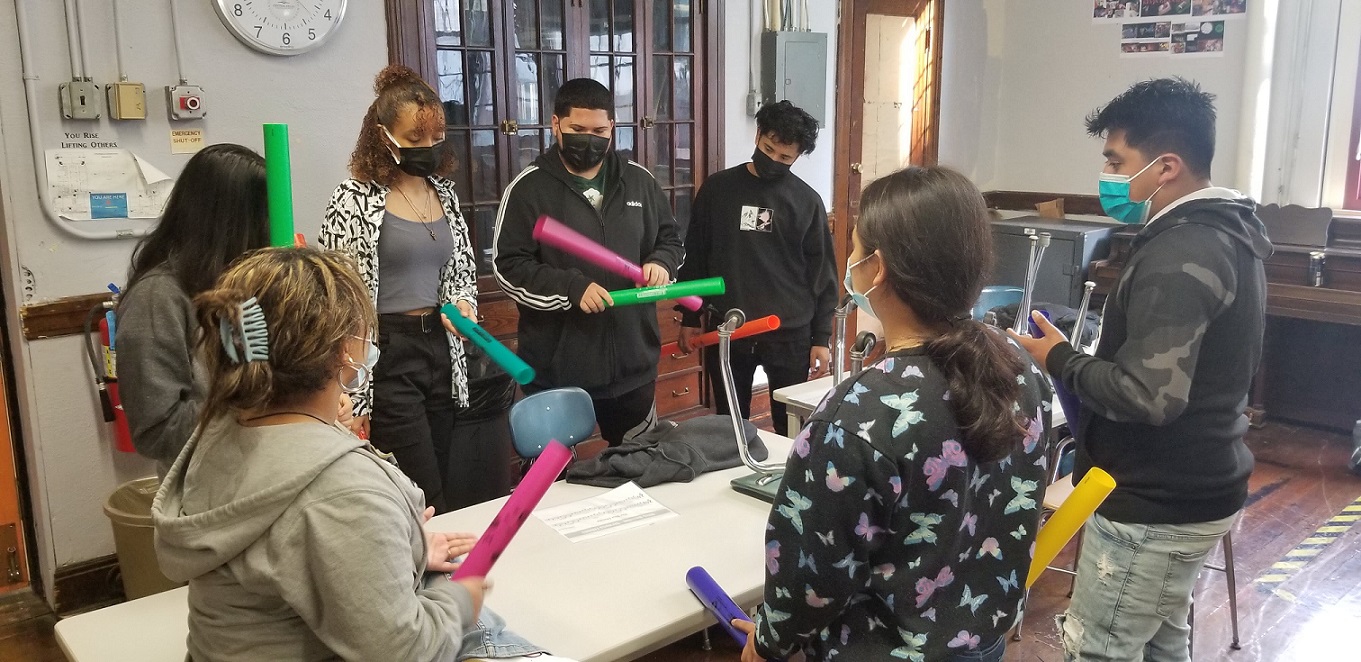 All music directors wear many hats, and they are often some of the busiest people in the school building! Developing new curriculum, units and lesson plans for multiple courses at the same time is extremely time consuming and can lead to burn-out.
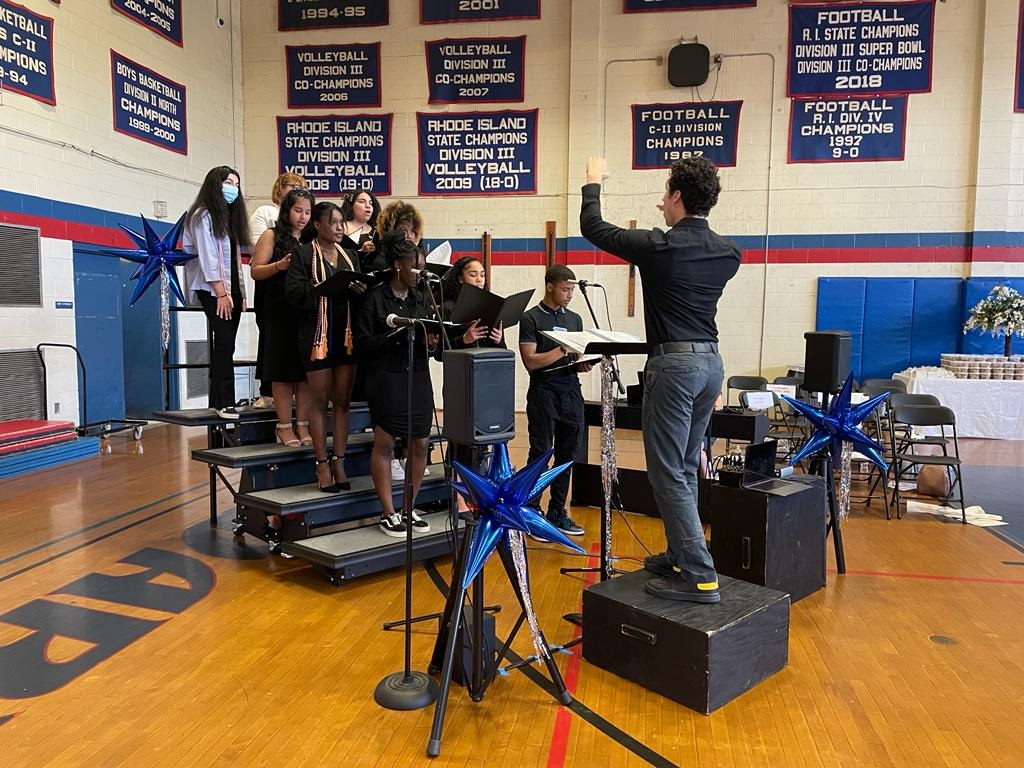 As music educators, we are often “othered” and may not be seen as “core” teachers. Some districts refer to the music, art and drama teachers with a condescending label like “itinerants,” and guidance counselors might think that music is “just an elective.” Other teachers or building administrators may complain about the amount of noise coming from your room. If you are a seasoned educator, you have experienced all the above and then some. However, if you are entering a new school that is not used to having music as a course offering, all these challenges will be heightened. The best way to overcome these hurdles is with community buy-in.
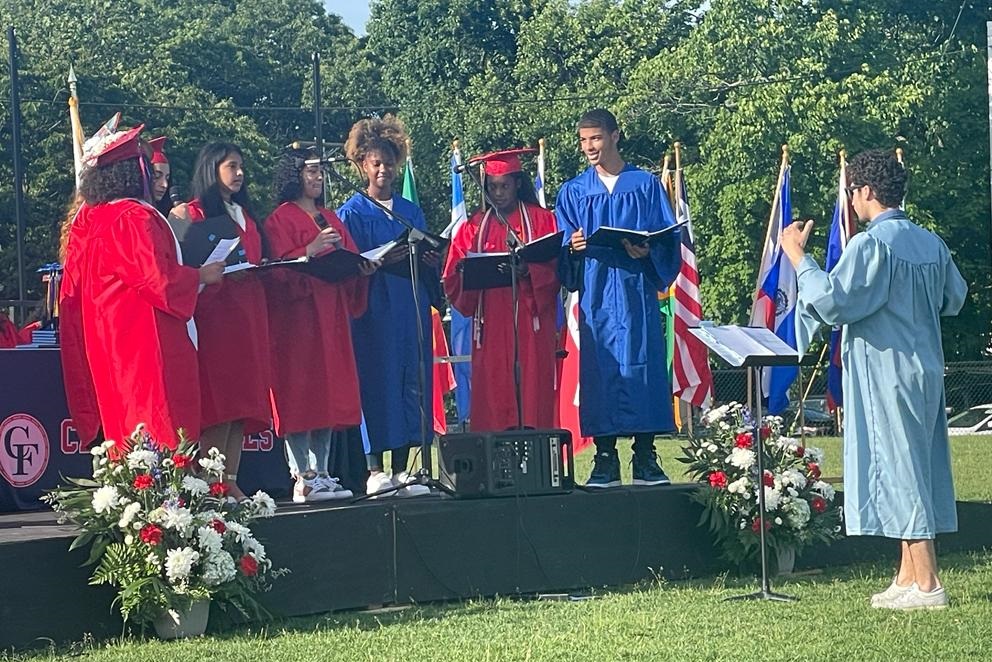 Open your classroom doors — figuratively and literally! Make the music room “the place to be.” Welcome students you don’t know into your room or invite them in for lunch. Get to know them. Provide a safe and welcoming environment for anyone walking into the room, whether or not they are music students.
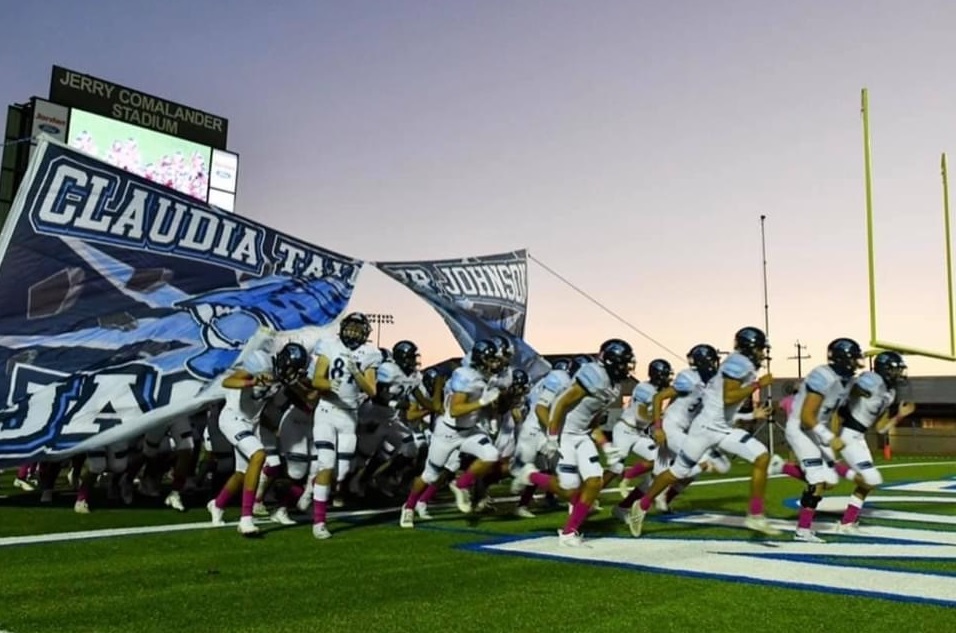 Texas is known for great football. And where there is great football, there is often a great band. Players, coaches and spectators appreciate the energy and presence of the marching band in the stands and on the field during halftime. The band brings more fans to games, increasing the crowd’s size and spirit.
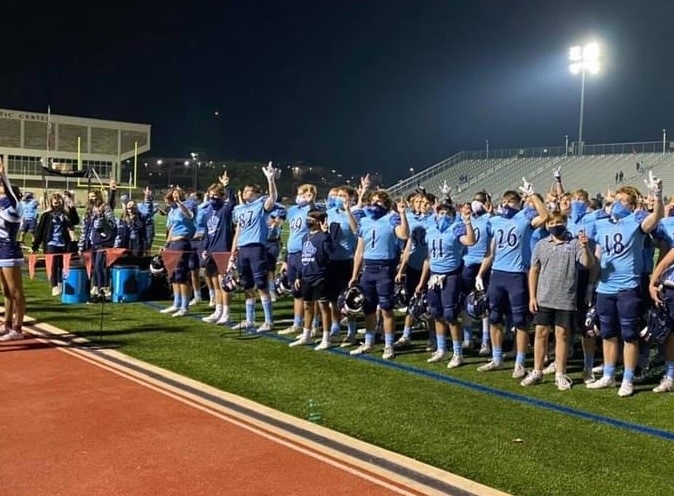 I resented the constant “drumbeat” from spirit and athletic organizations that always seemed to want a piece of our time. “Send us a drumline for this,” “Can we get a pep band for that,” “The band can’t miss that game for the biggest contest of the year.” There always seemed to be someone requesting the band at an event that took time away from rehearsals.
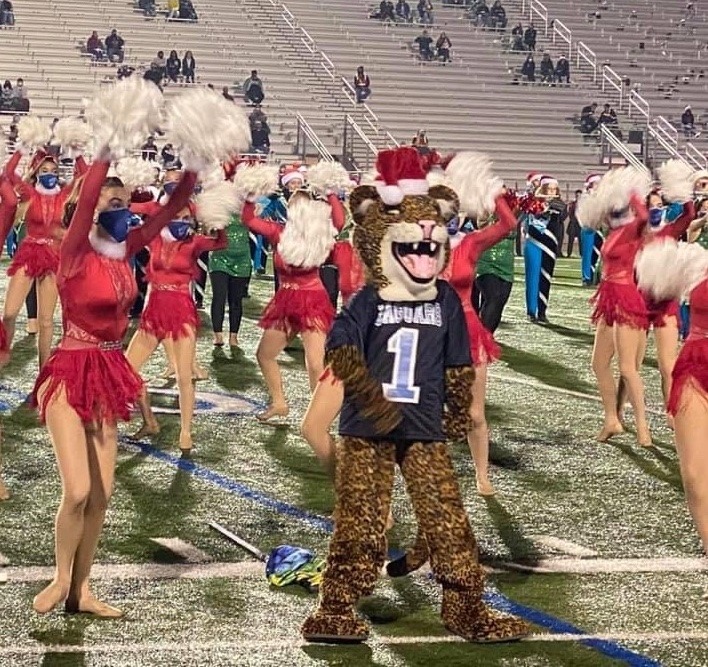 In June 2020, we started discussing the upcoming season and whether the football season and marching competitions would occur. I spoke weekly with Principal Gary Comalander, head football coach Mark Soto and dance team director Stephanie Trevino. My goal was to gain insight into the community outside of band to gauge the desire to participate in a season of some kind.
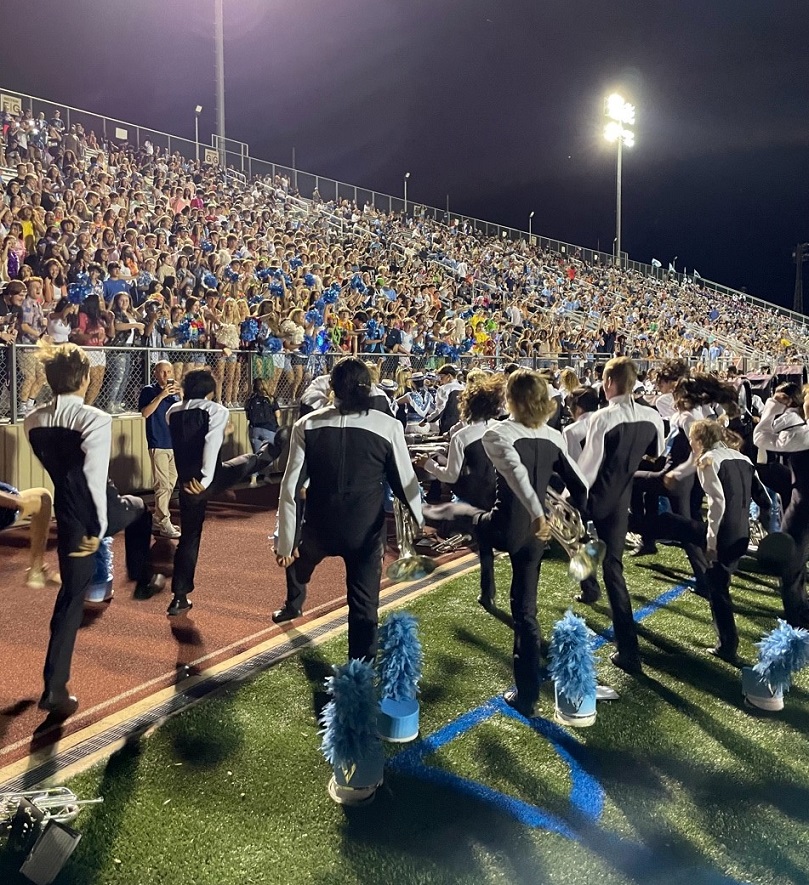 Our season in 2020 extended nearly to Christmas because of the schedule change, which allowed the spirit groups the opportunity to perform “Holly Jolly Holiday Parade” together at halftime in our “Holiday Extravaganza” show. This performance showcased the unity of our various teams and represented an entire season of working to support each other, overcome obstacles and keep our students safe. It was the culmination of sharing ideas and pursuing a common goal. This special energy and synergy provided a glimpse of what it could be going forward.
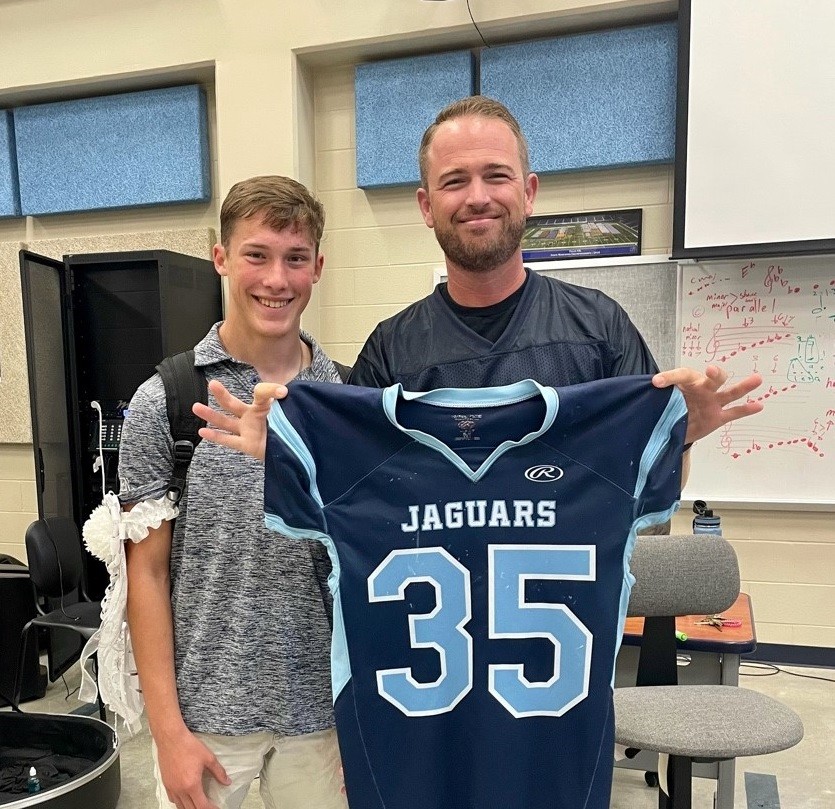 Highlight student athletes who also participate in band. Look for ways to showcase their accomplishments and cheer on those athlete-musicians at the games. (See photo to the right.)
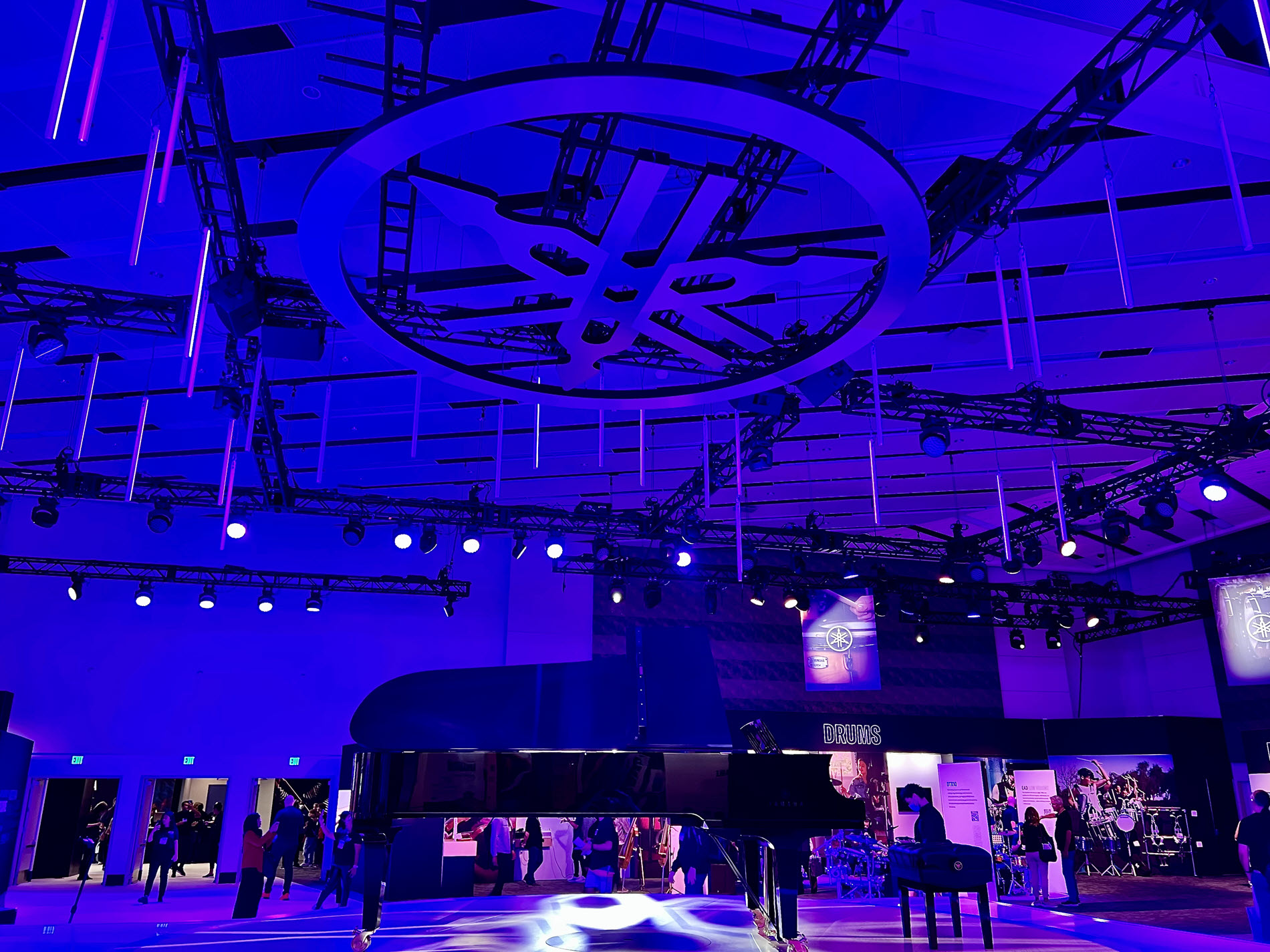
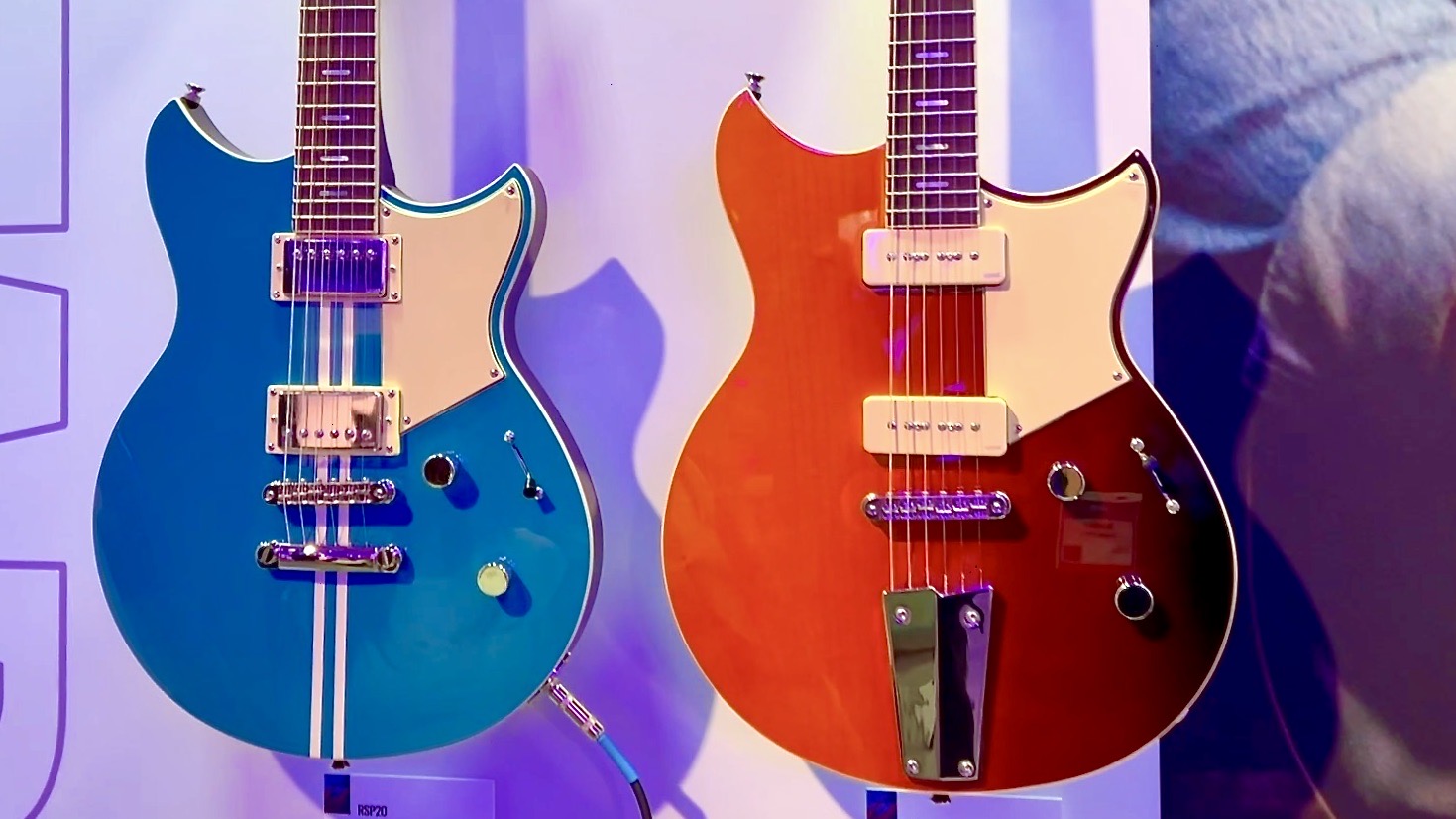
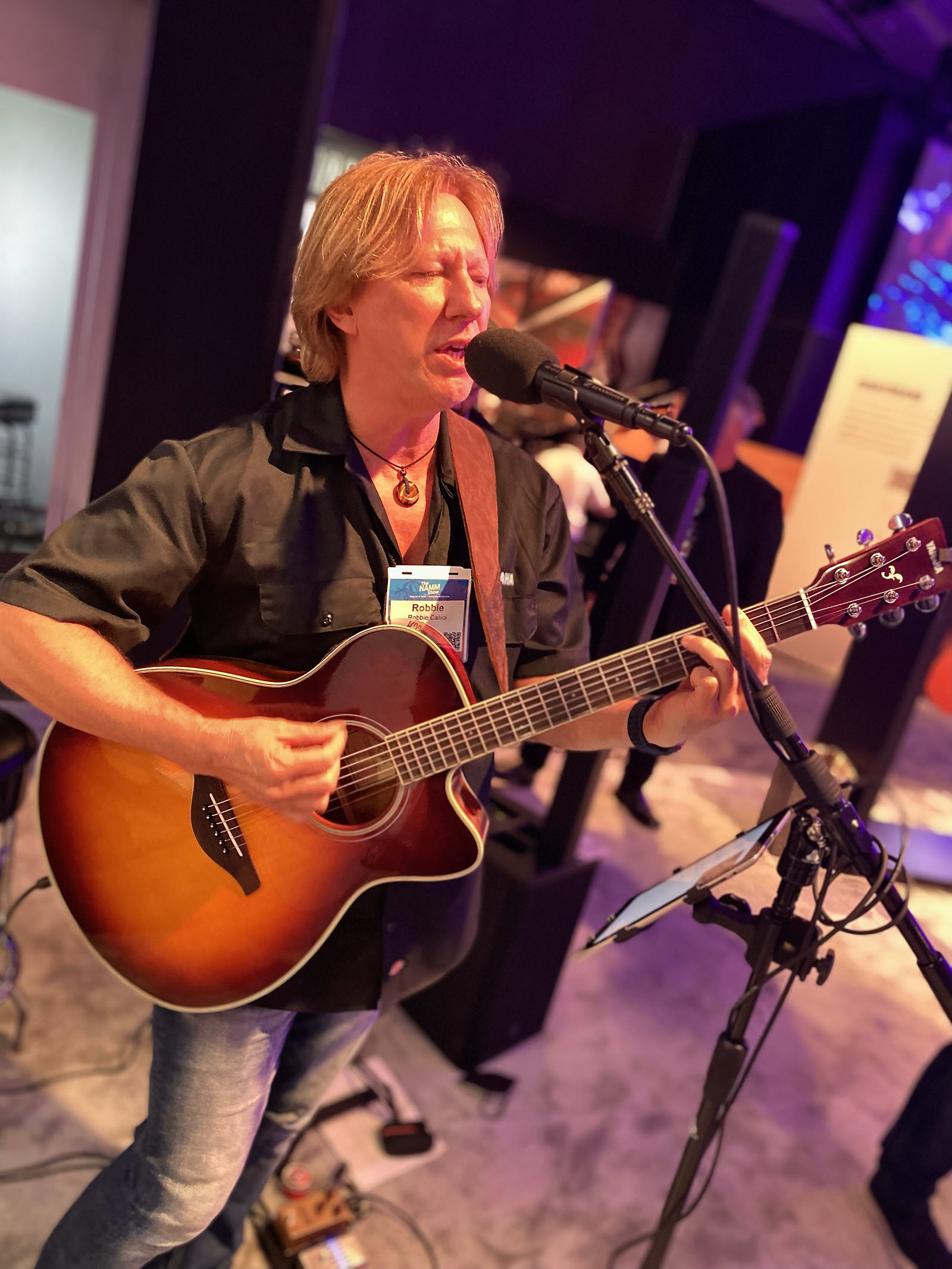
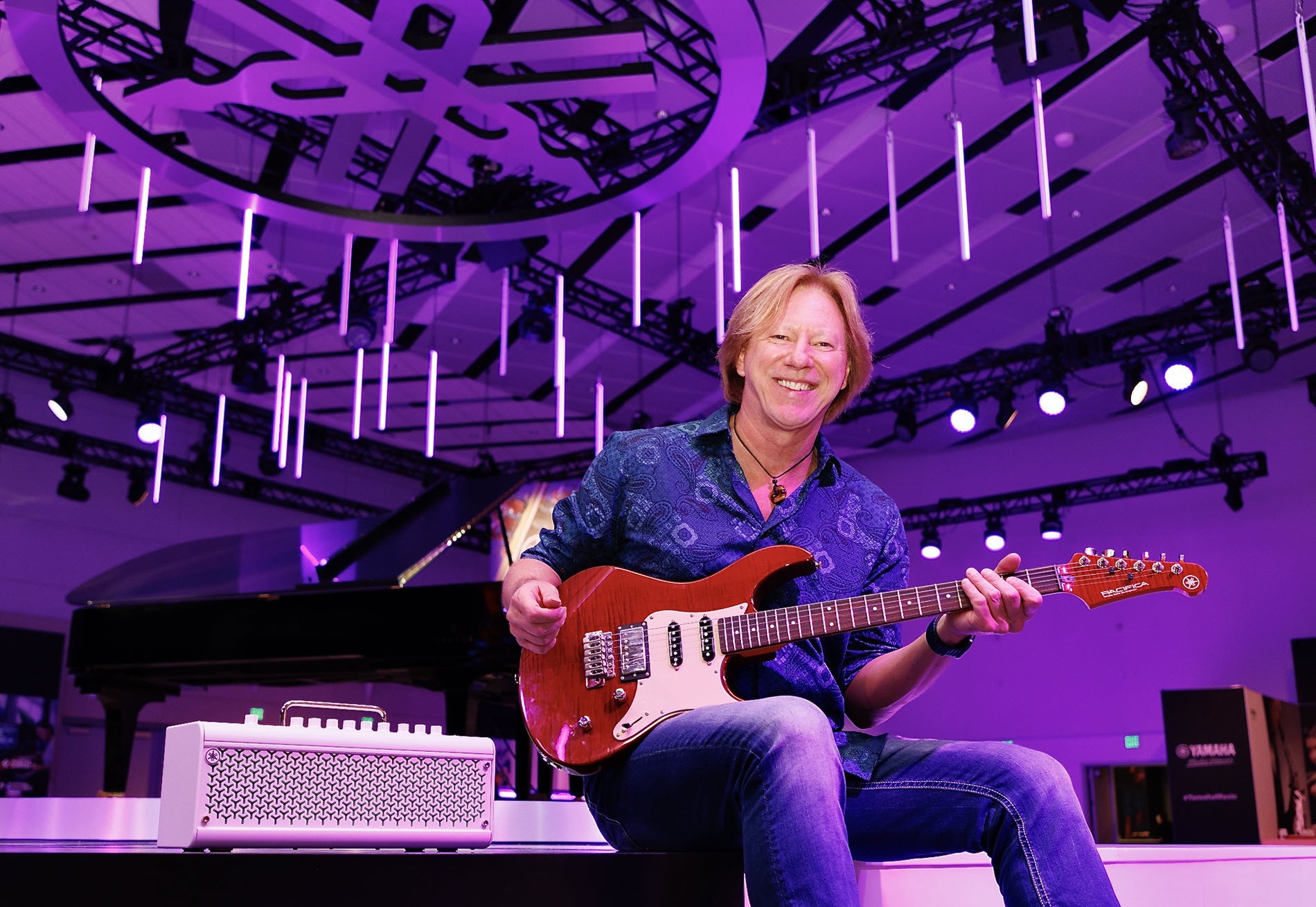



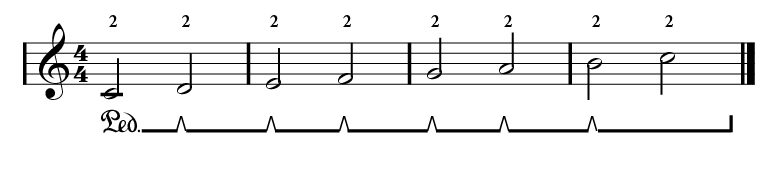
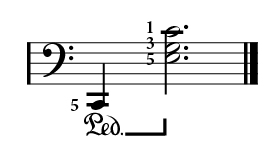
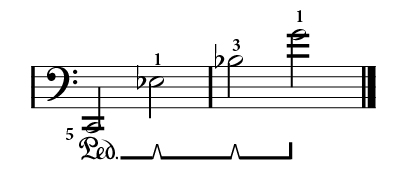
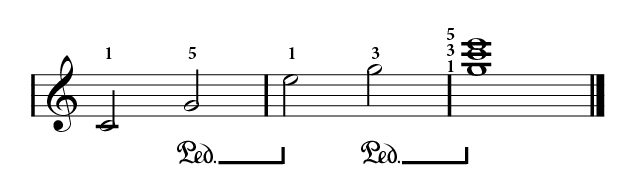
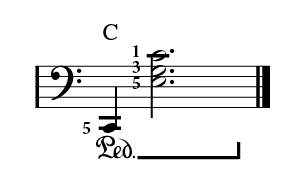
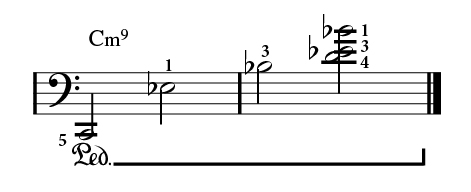
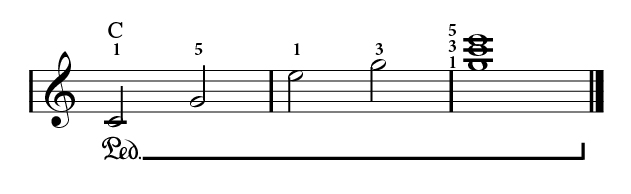
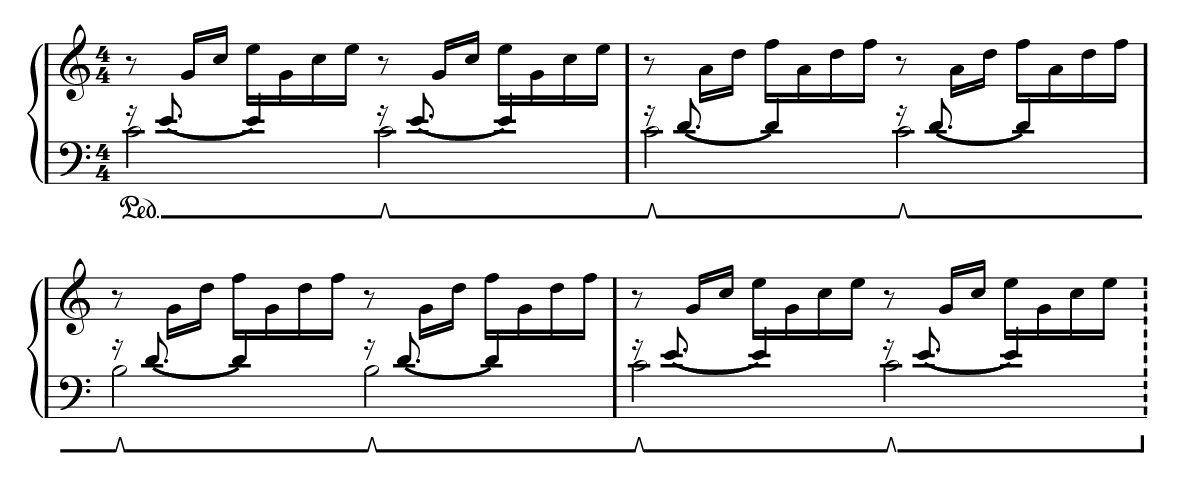

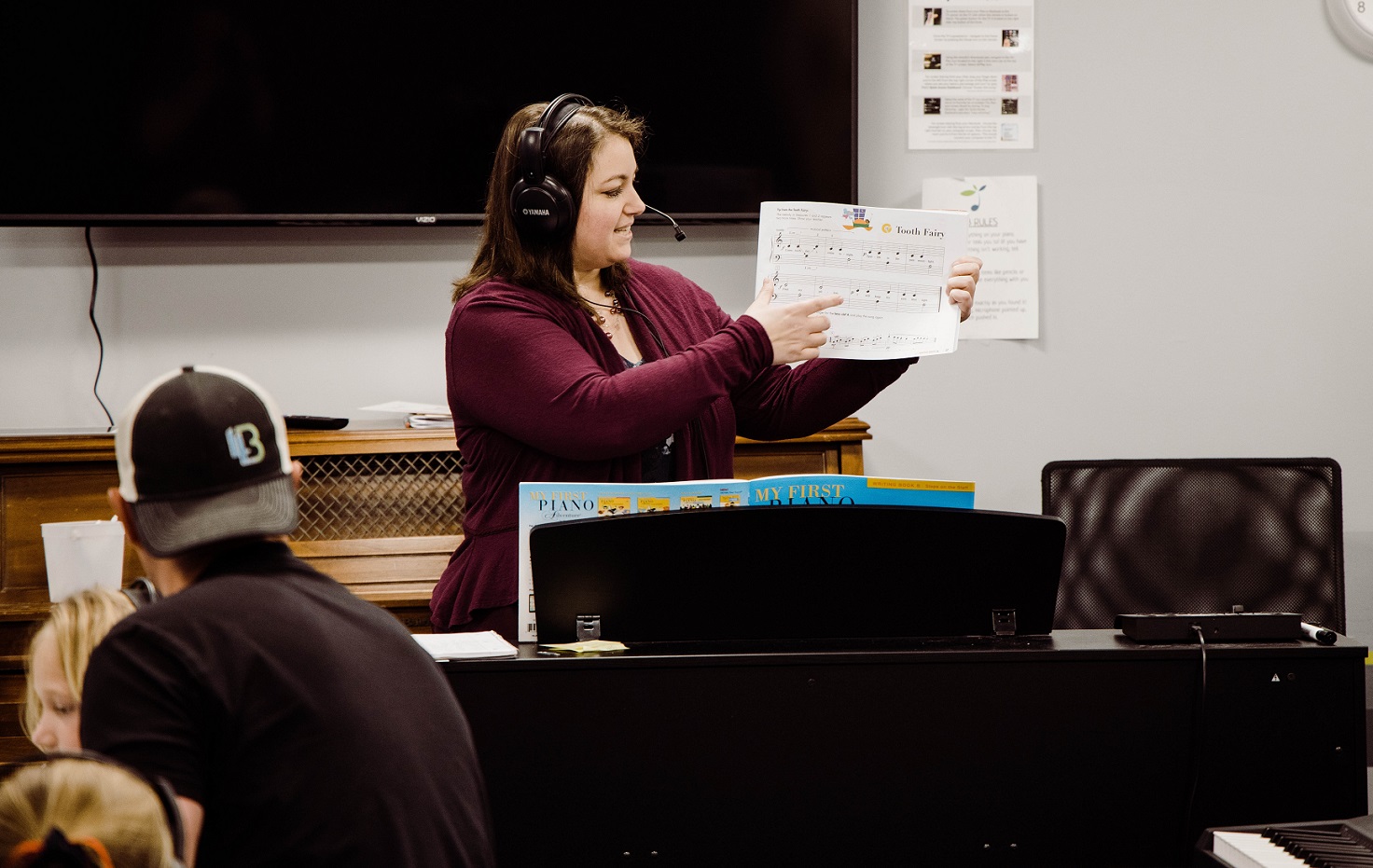 A group piano program is a unique and fun way for students to progress quicker than if they were taking individual lessons, Miller says. With a group of students who are at the same level, you can pre-determine the pacing and you can make lessons more curriculum based rather than individualized. The pacing can move faster as students’ skills develop because they are following the same curriculum with the same teacher.
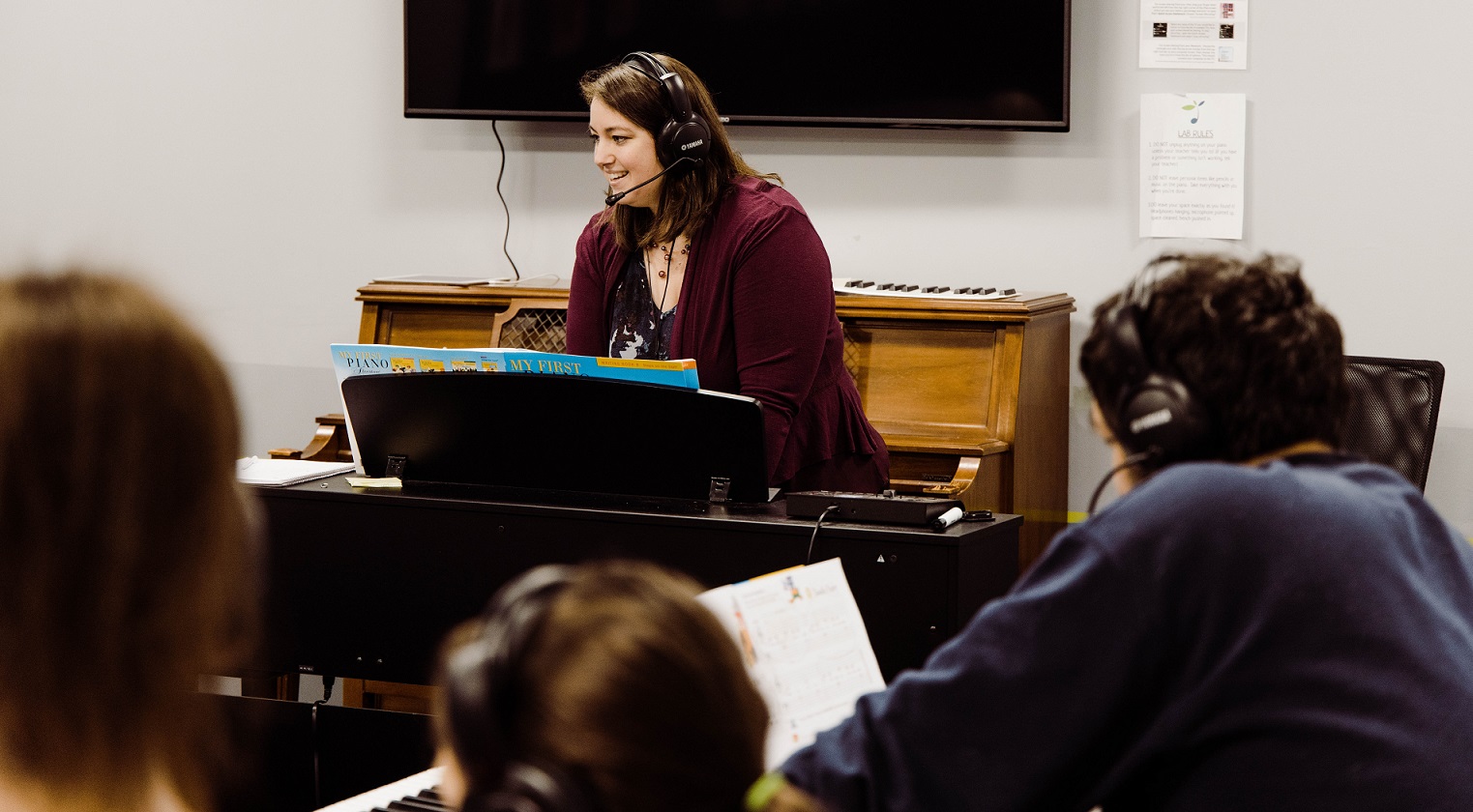 It can be a challenge to build a Keyboard Explorer program, but it is also a labor of love — as long as you are patient, Miller says.
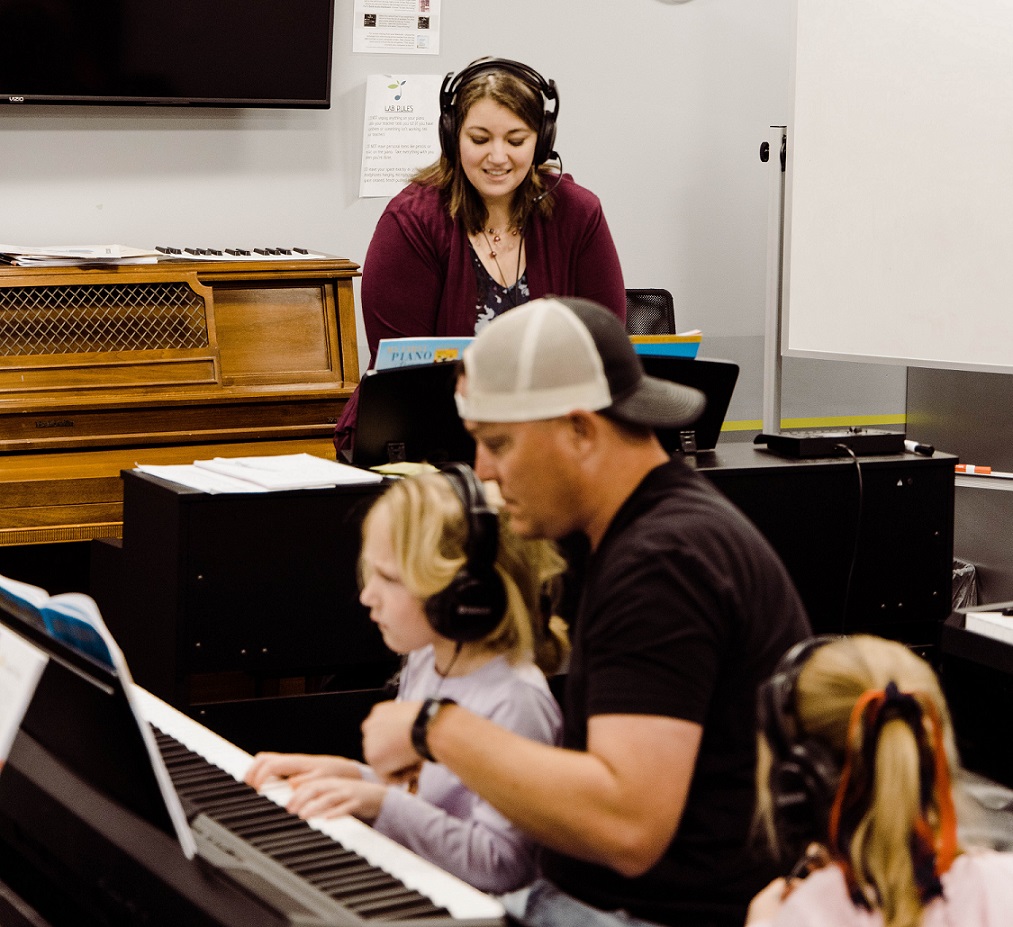 In the past, the solution to having more than 100 students on a waitlist was to hire more teachers, which proved to be easier said than done. “There were students who had to be turned away because there just wasn’t enough room or individual teachers,” Miller says. “The Keyboard Explorers program is a great way to give more students the opportunity to take lessons at the conservatory!”

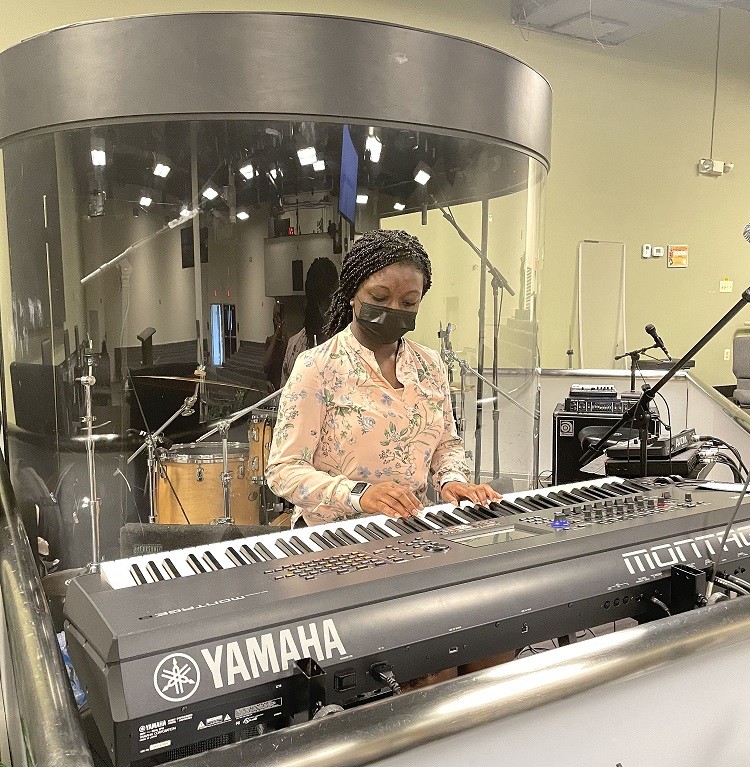
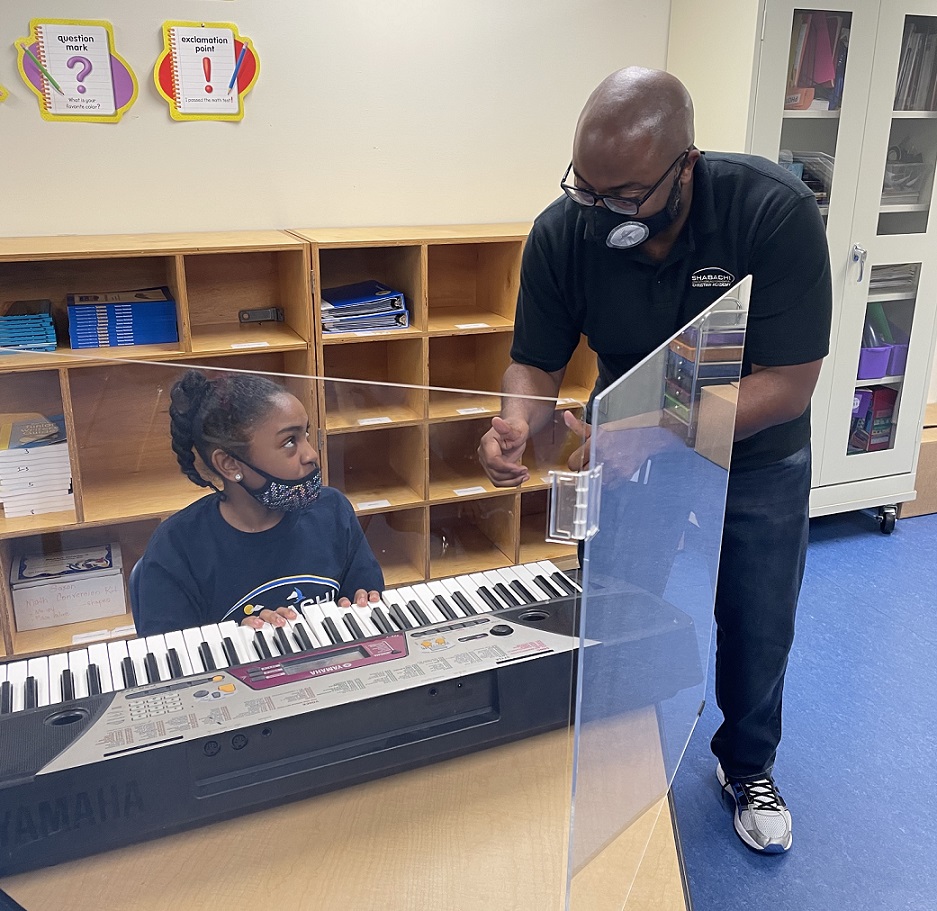 For Felder, music education should be more about the journey than the destination. That means creating what he calls “many mini-opportunities” for students to practice and perform outside of the classroom. He says it’s important for students to perform for different crowds and to “allow their music to be heard more than just once.”
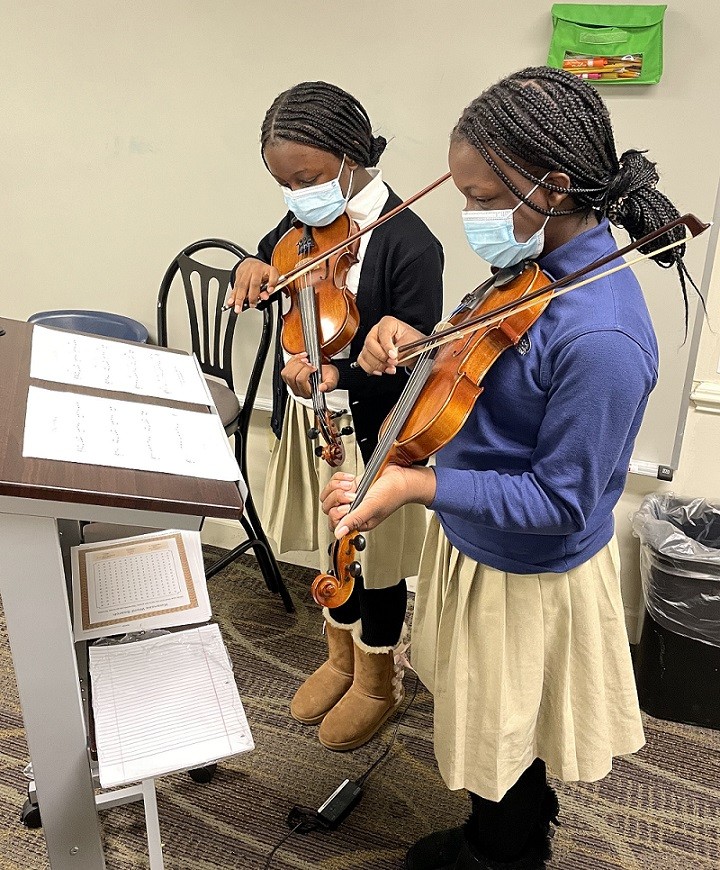 Mini-opportunities serve multiple purposes, Felder explains. First, they allow his students to give back to their communities. They also introduce his students’ art and music to members of the community who may not otherwise be exposed to it. Felder says that at their spring shows, he’ll often see people who first experienced the SHABACH music program during one of their mini-opportunities.
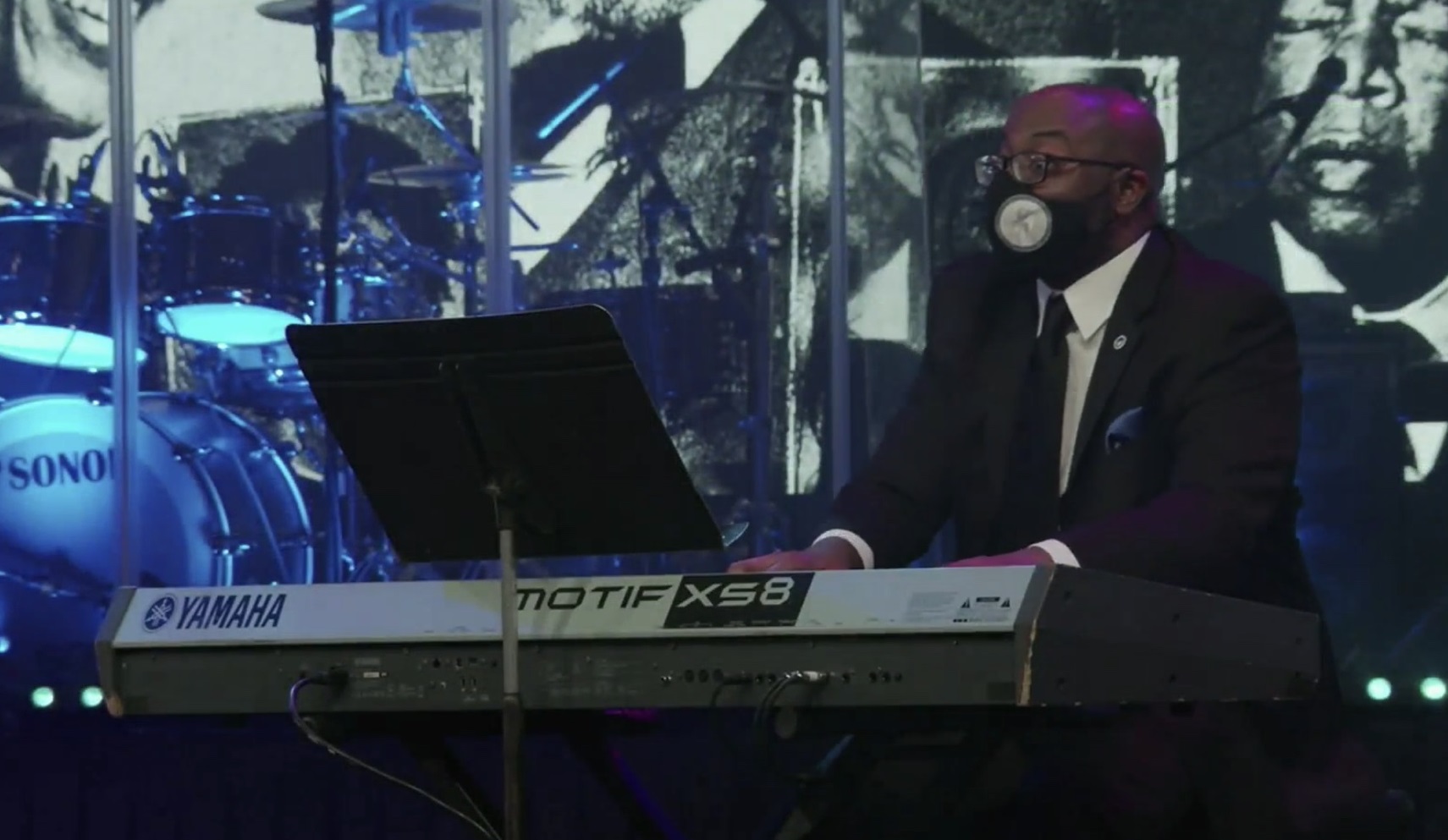 Felder says finding these curated opportunities can be challenging, so it’s important for him to stay personally energized about music. He sees himself as a “teaching artist,” meaning that he values the level of his own musical experience, while also trying to share that knowledge and love of music with his students.
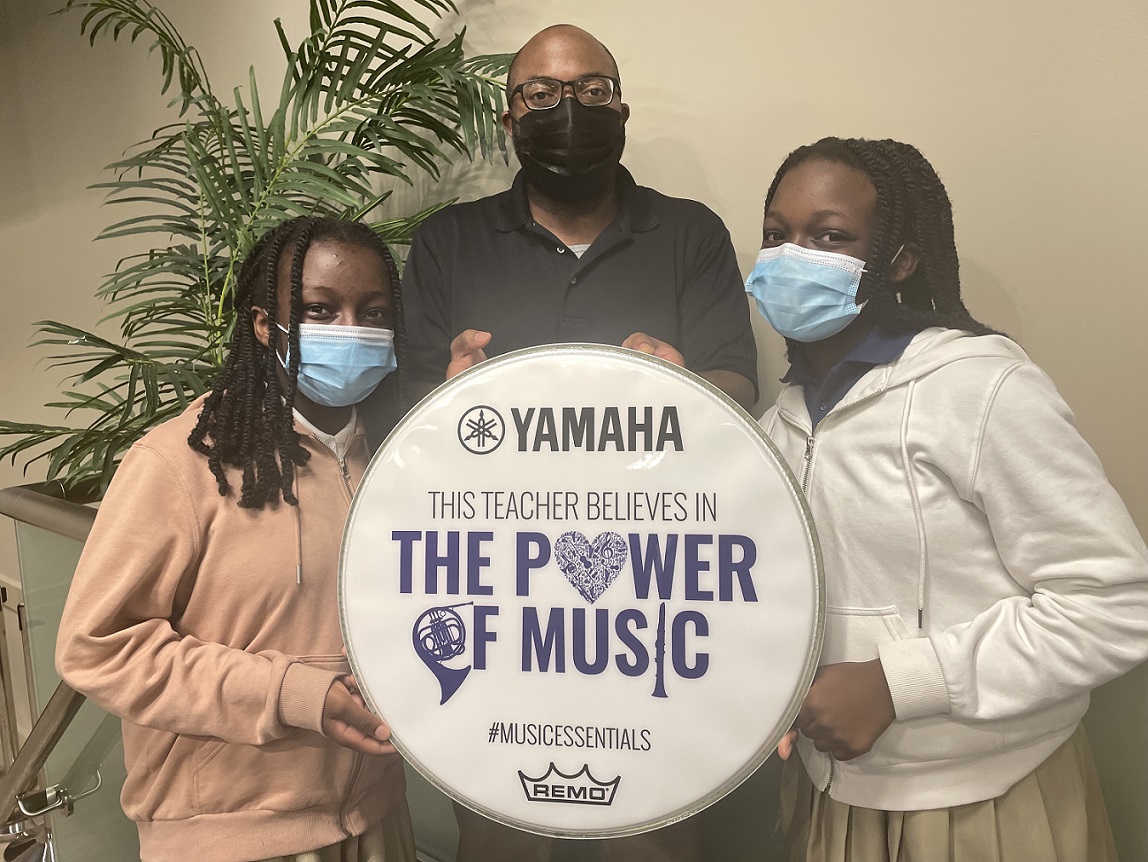 It’s also important to be transparent with your students. “Life is still happening to us,” Felder says.
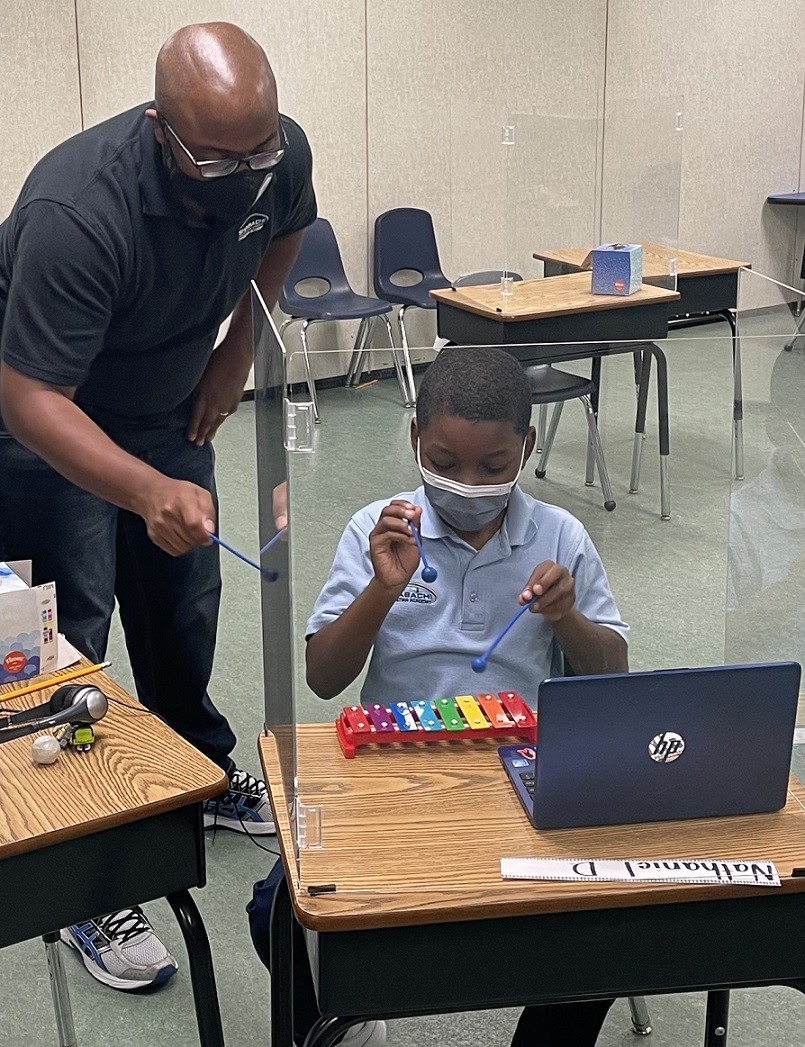 Felder insists that there is no cookie-cutter way to attempt intentional music programming and that each group of students should have curated programs for their own needs and situations. To be successful with this type of curriculum, Felder says you must find balance and learn what works best for each group of students. And, perhaps most importantly, it’s about staying flexible and being able to change direction when a situation arises that can’t be ignored.

 Early in my career, my approach to assessment was primarily based on two types of performance: pass-offs for individual students and performance assessment ratings for ensembles. Pass offs are a type of performance task, e.g., scales, rhythm sheets and excerpts from music, that students perform to demonstrate their level of proficiency. Performance assessments can include any contest, festival or competition in which students are evaluated and given a formal rating as a group. Many music educators are familiar with and utilize these systems because we experienced and excelled at these types of assessments when we were students.
 The Purpose of E-Portfolios
 You’re probably thinking: This all sounds great, but where do I find the time to construct, implement and grade all this!? This is a valid question. It took me almost four years to see my department’s e-portfolio come to fruition. It is not a quick, set-it and forget-it sort of task.




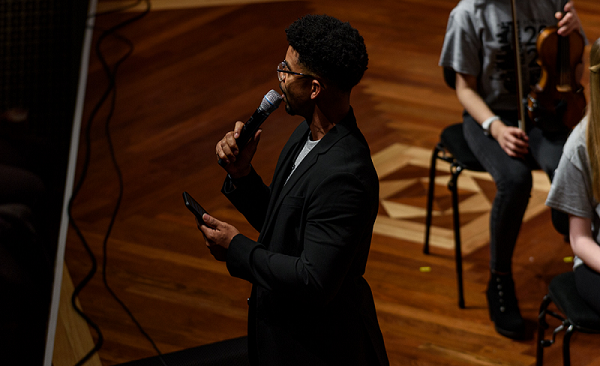
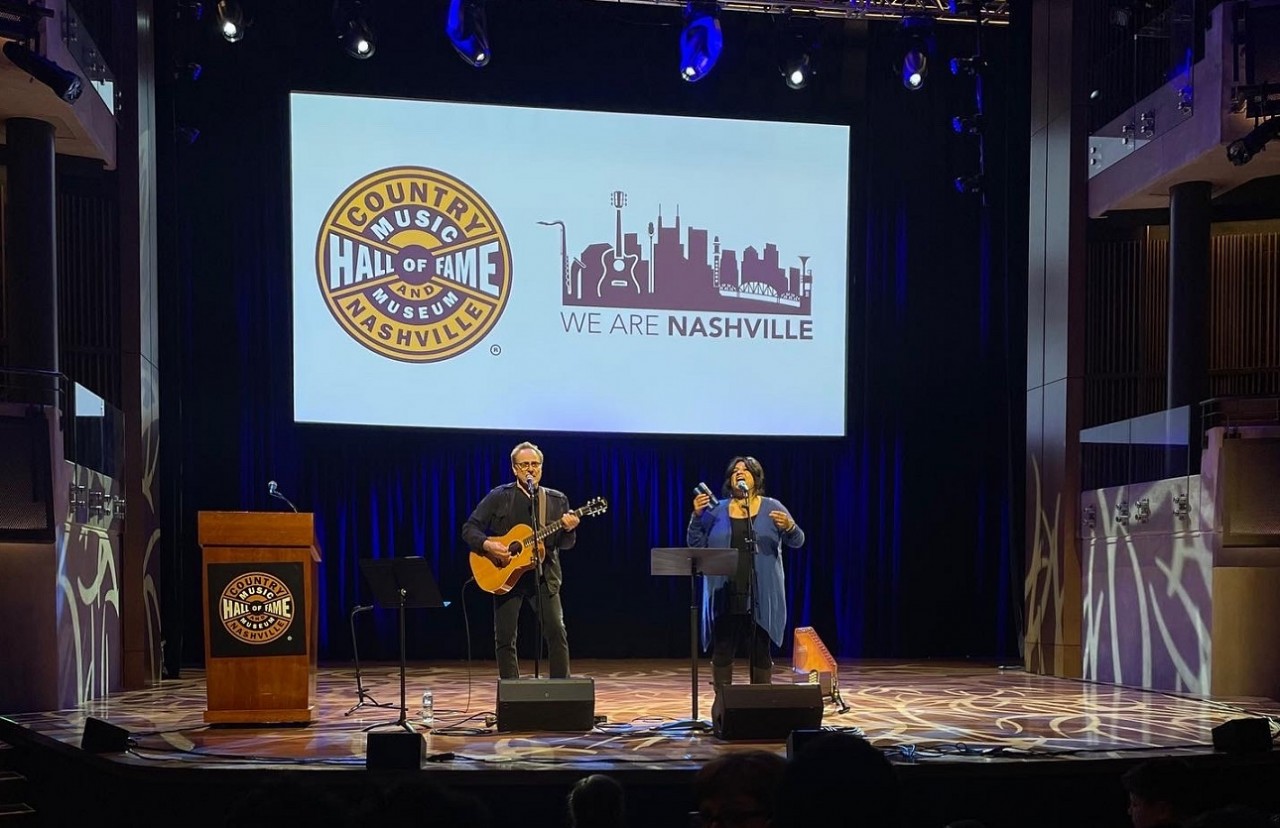 The first We Are Nashville Festival took place in 2018 at
 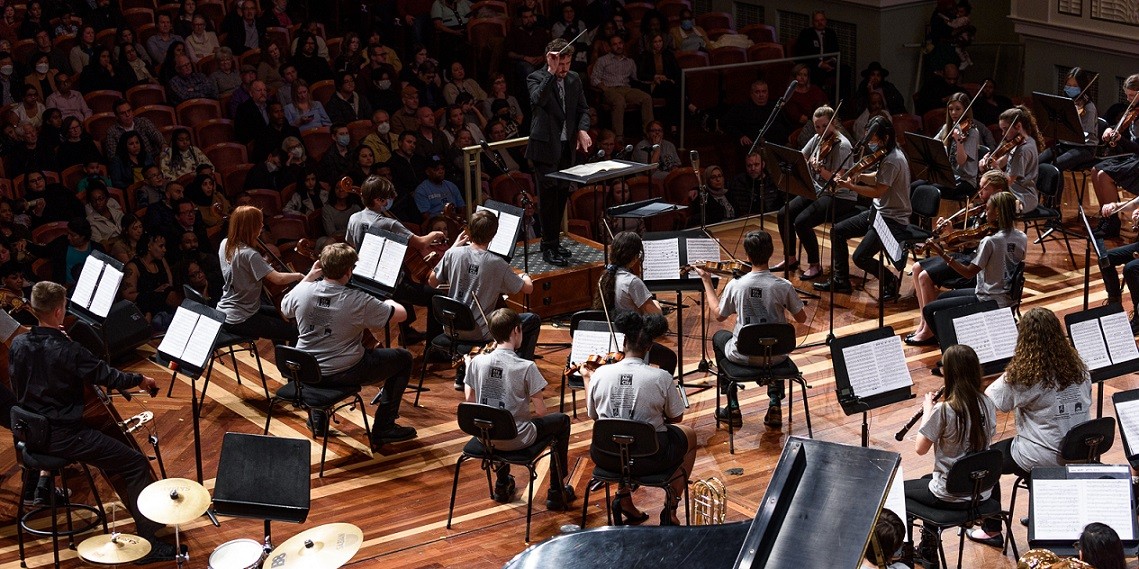 With the pandemic still raging in 2021, Finney knew that the festival would need to be all digital, which he was excited to explore. Finney works as a Learning Technology Specialist for Metro Nashville Public Schools and assists educators with successfully integrating technology into their instruction. So, he interviewed local artists and music directors and provided digital resources for students and teachers.
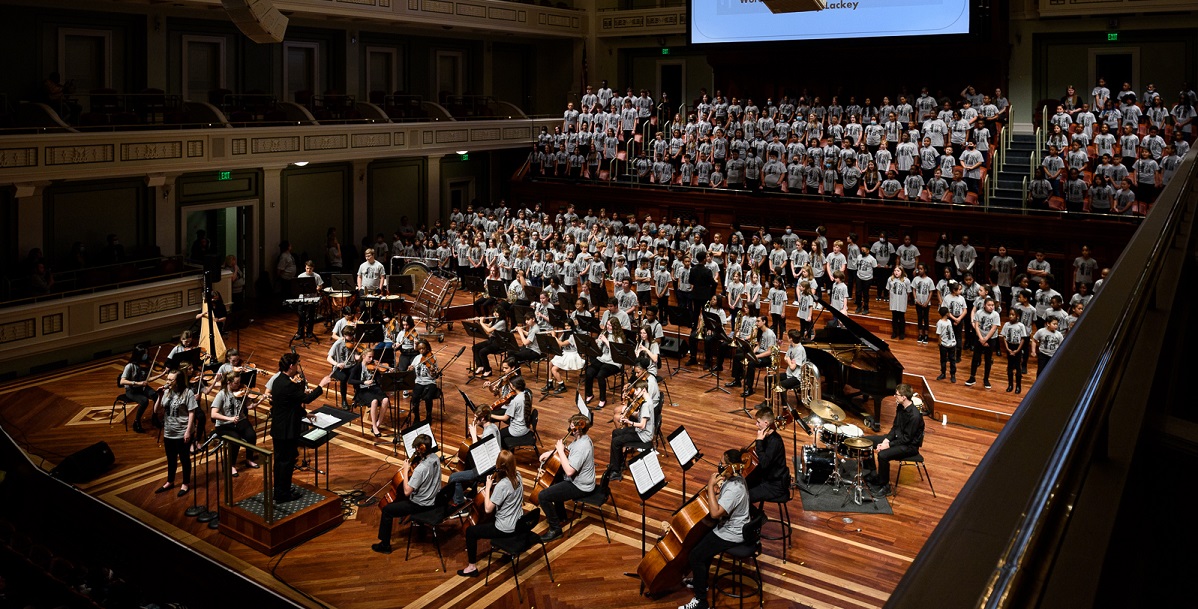 While elementary school students are in their general music experience, middle school and high school students arrive to practice and take workshops of their own. Then, they break apart and begin practicing their music in sectionals and tier-based rehearsals before coming back together for dinner. During dinner, the We Are Nashville student orchestra made-up of high school students from all over the Nashville area, begin their final run-through of music before the final dress rehearsal and show.
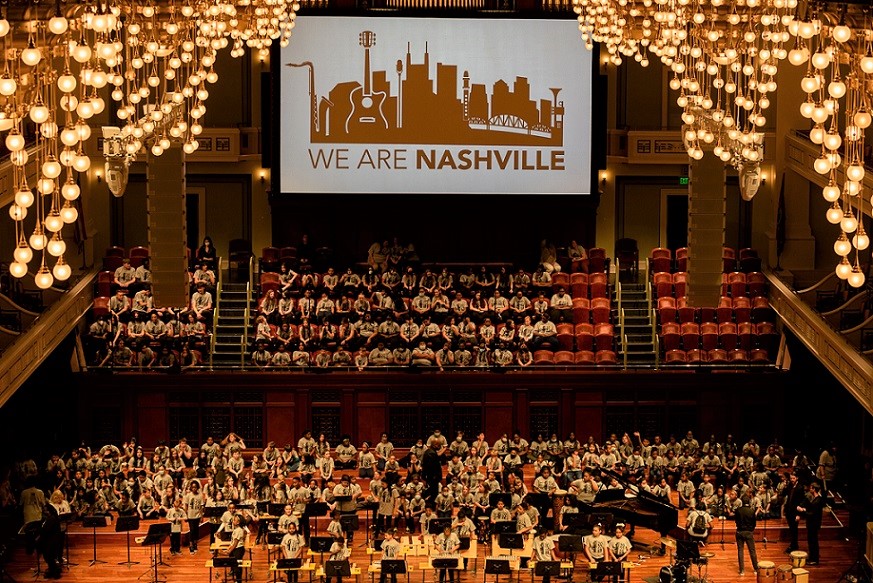 He hopes that the elementary school students can look at the middle and high school students and envision themselves in their positions. Finney says that he receives feedback from teachers who say that their students want to join the middle school or high school orchestra or choir because they saw them perform at the festival. For Finney, that is what the festival is all about. He says it’s important for students to realize that “they’re just like me, or they look just like me, and they’re doing something I would love to do,” he says.







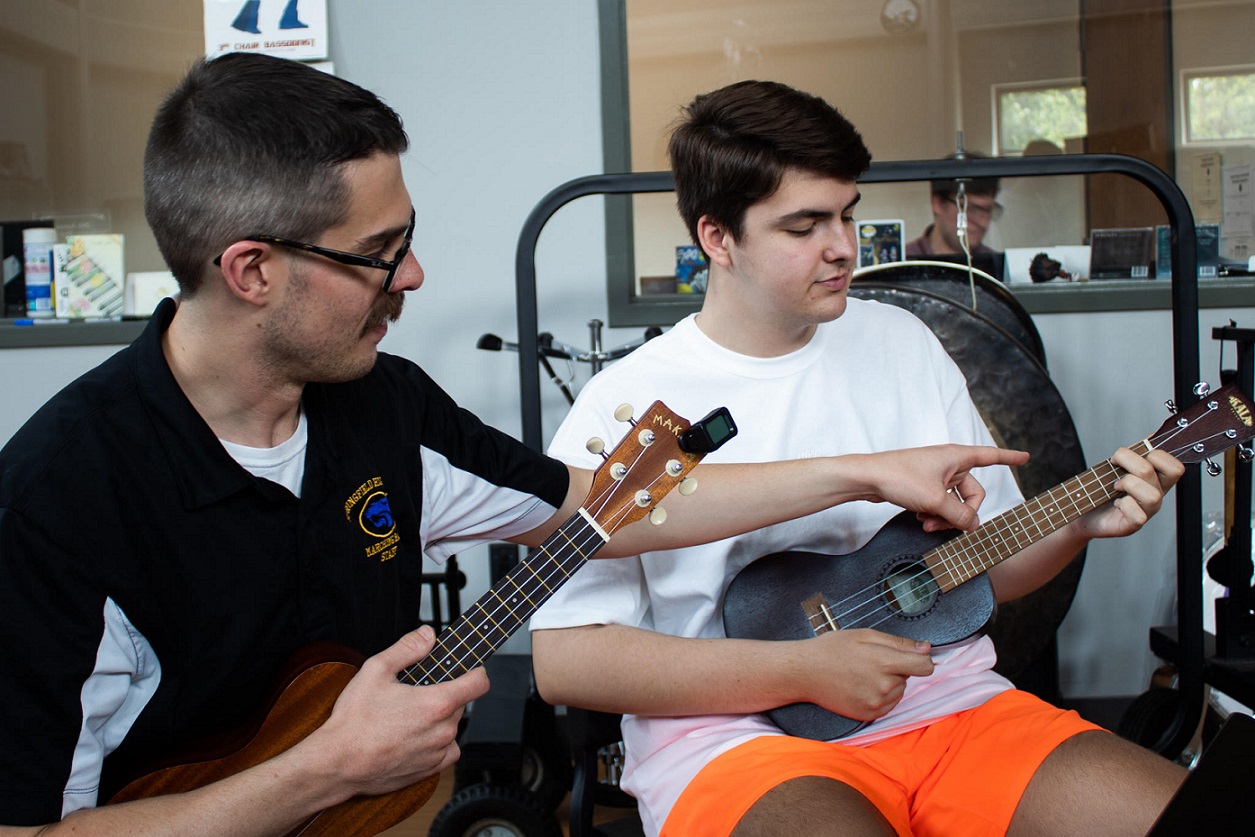 A proposal of the course was given to the building principal at the time, Dr. Joseph Hepp, a multi-instrumentalist in his own right, and reviewed by our district curriculum coordinators. After they approved it, the elective was added to the course offerings during course selection.
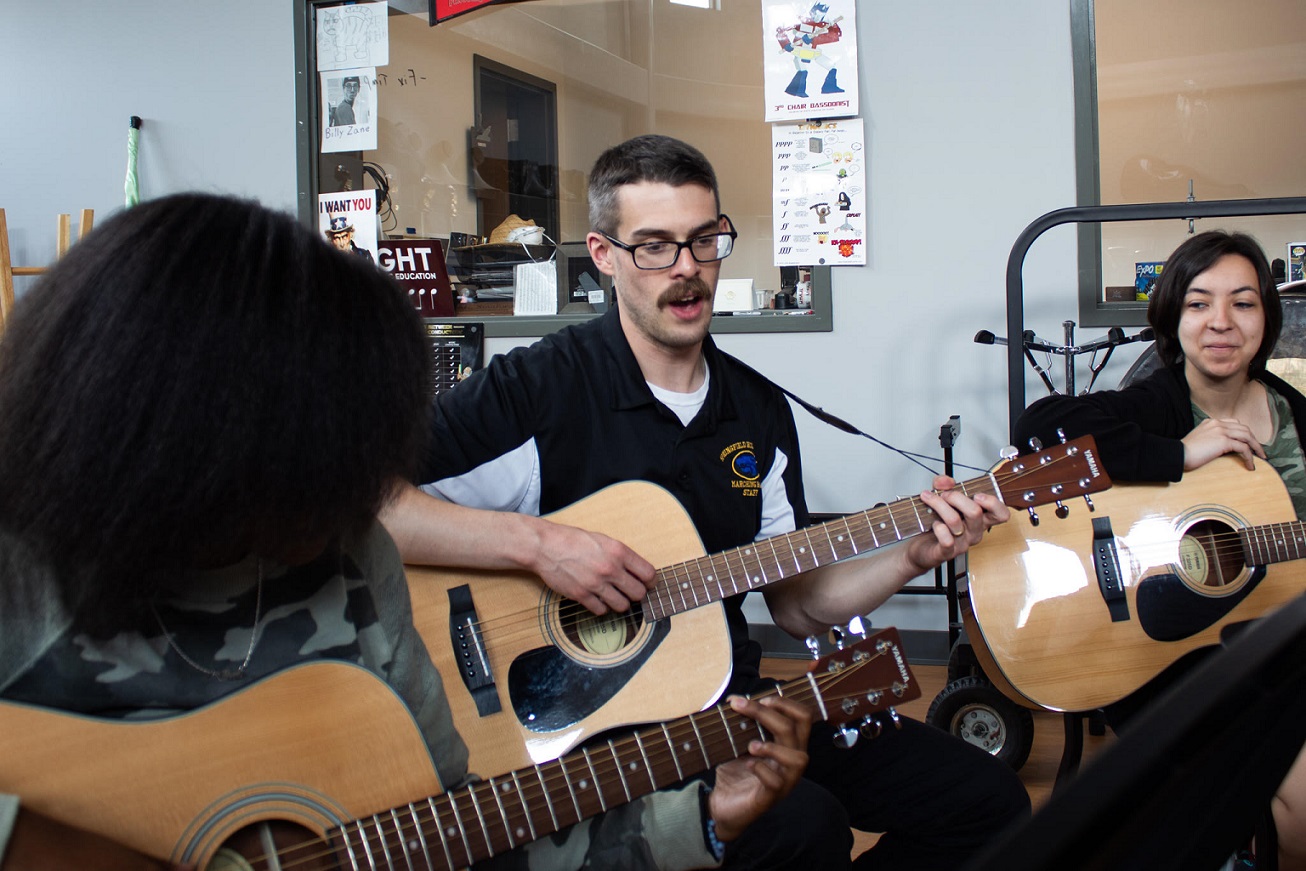 Once the course was approved, I began to write and design the curriculum as well as a scope and sequence for the course. I decided that students would spend half of the semester on ukulele and then transition to guitar. I wanted all my students to walk away with a skillset where they could continue learning, playing and enjoying music on guitar and ukulele beyond the class. Thanks to discussions and input from my colleagues, I determined that I wanted students to be able to meet two primary goals:
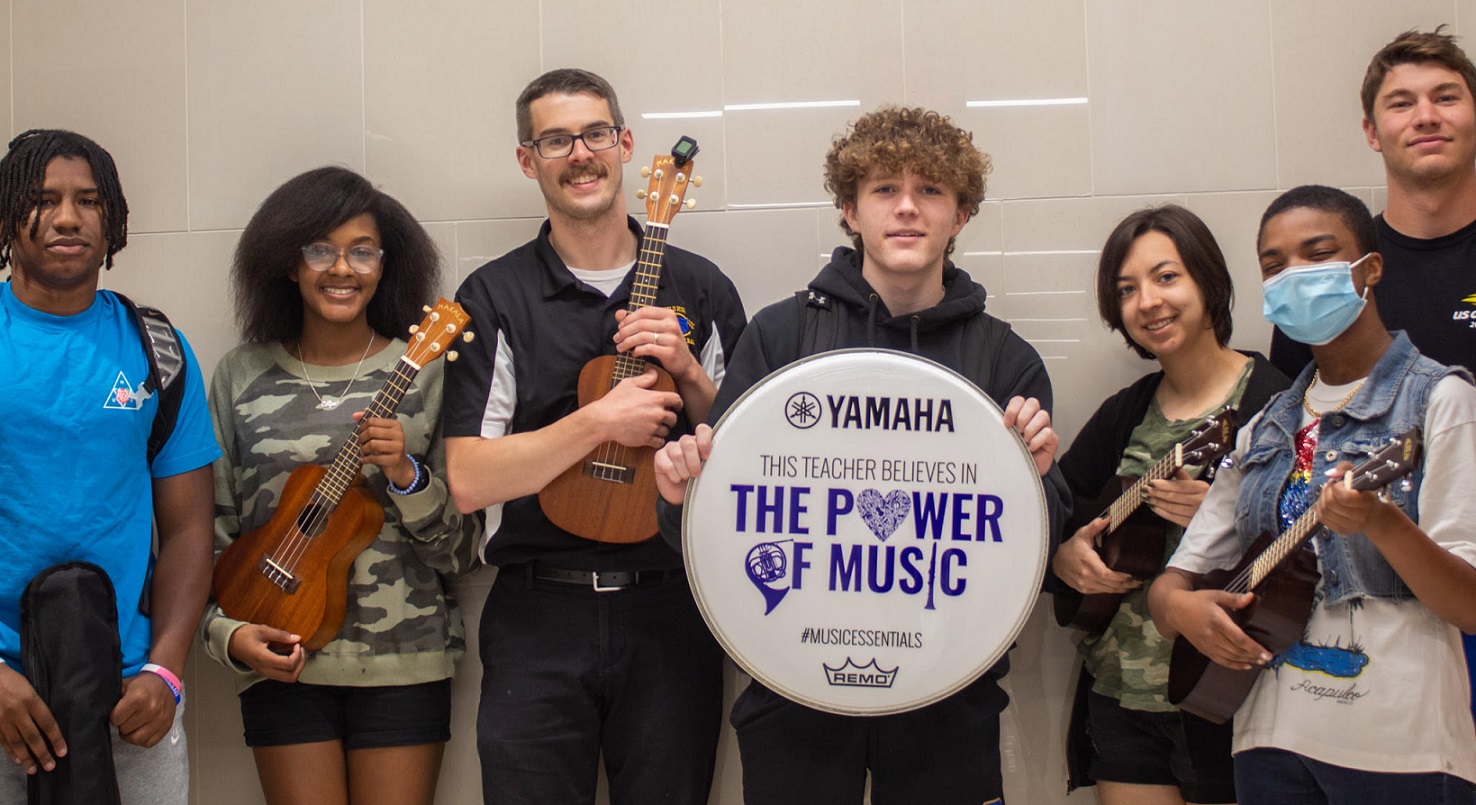 When it came to teaching common harmonies and progressions on the instrument, it was more difficult to find text and resources that met the needs of the class. While there are several popular methods for teaching harmony, few would effectively work for guitar and ukulele. For this reason, I ended up creating most of my own original resources (slideshows and handouts) to teach harmonies and chords with the aid of online resources such as
 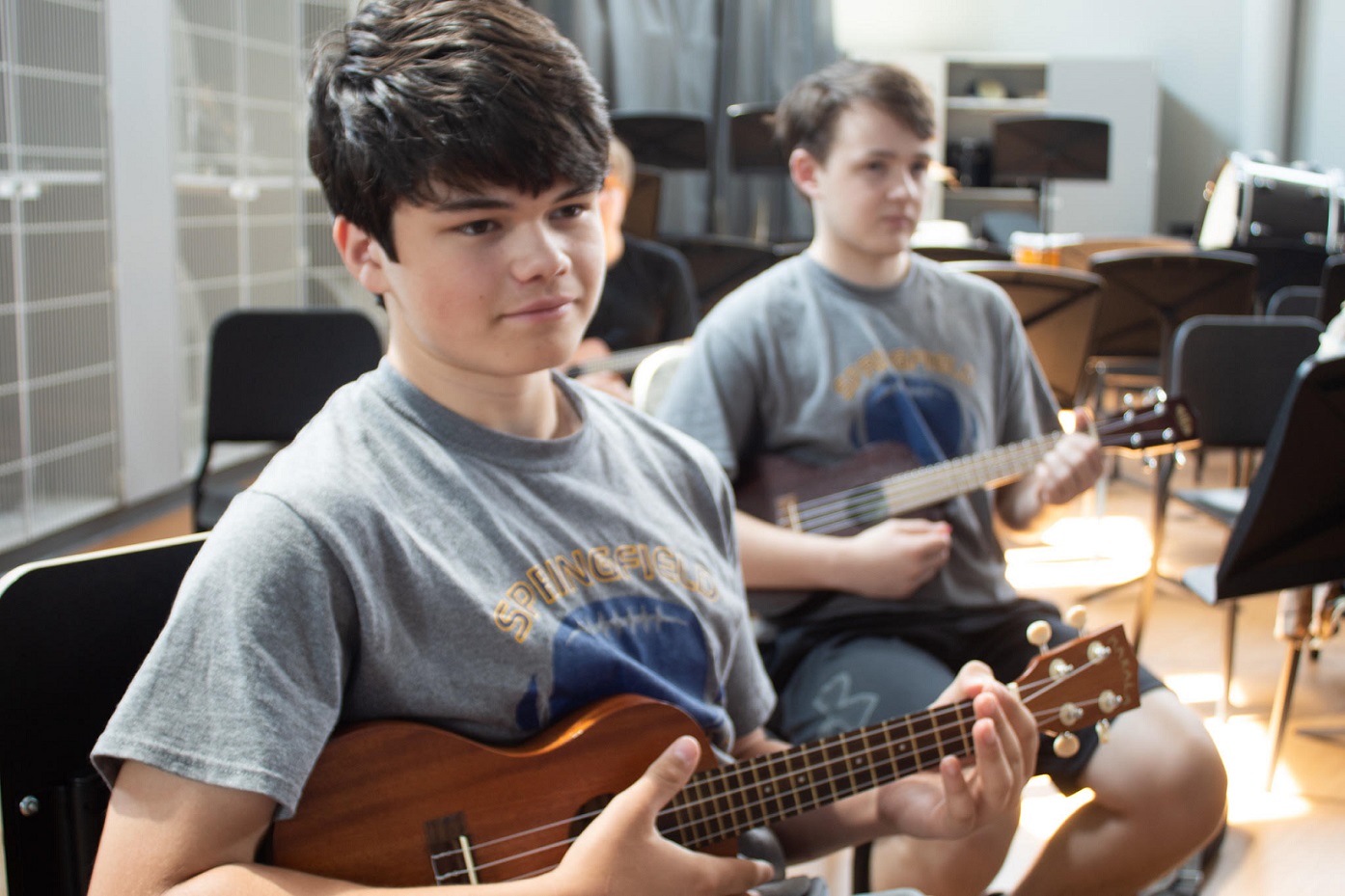 Along with the curricular support for the class, our district supported the purchase of a set of guitars and ukuleles through building and curriculum budgets. As the program expanded, we were able to use a combination of our department budget and curriculum budget to expand our inventory. Every student is assigned a guitar and ukulele during the course that they can use in class and take home as needed. If you are unable to secure a district budget funding source, I highly encourage looking into
 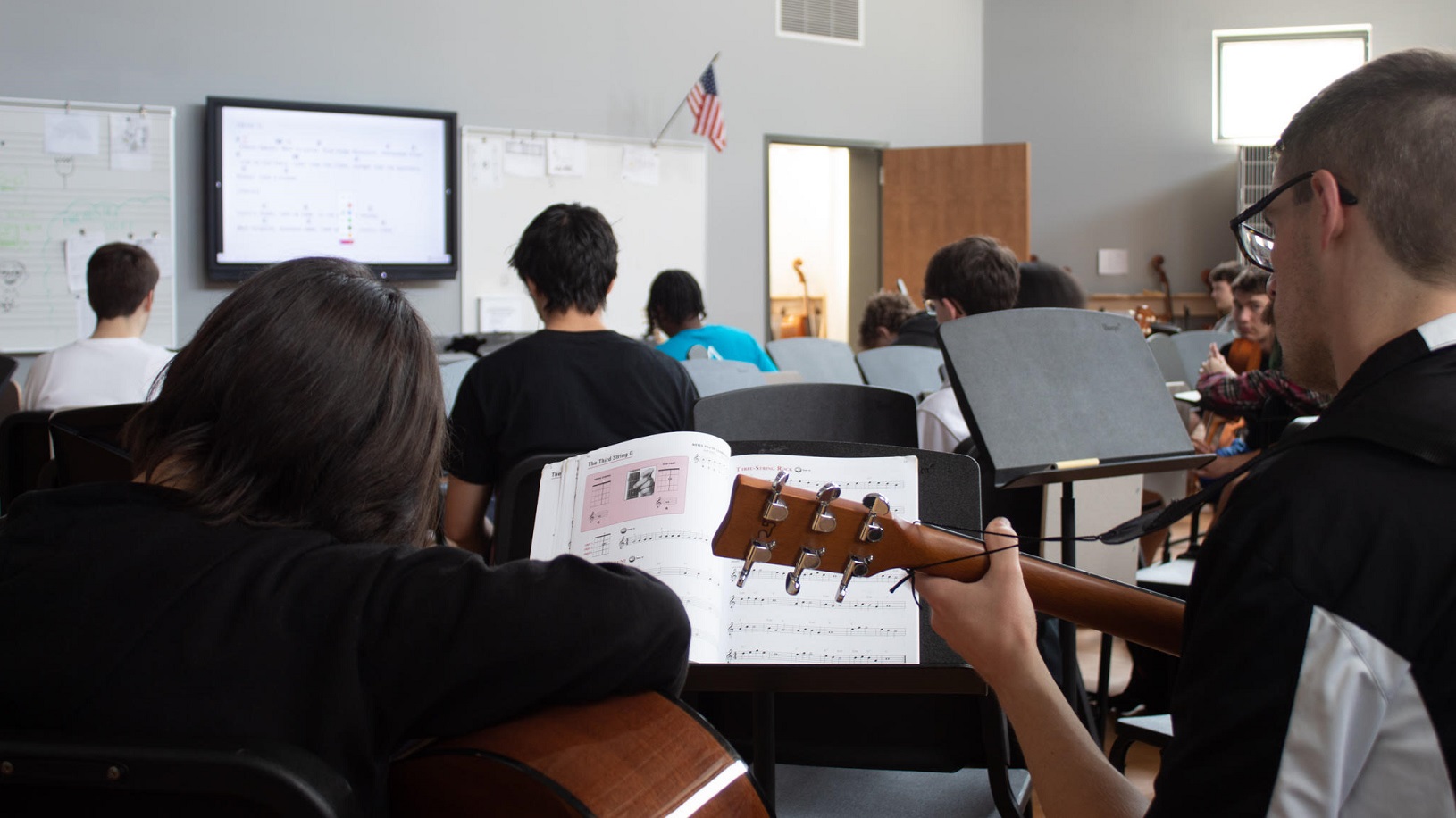 This guitar and ukulele elective has become extremely popular in our building! Last year, we ran six sections of the course taught by one other teacher and me and engaged approximately students in meaningful music making! One of the most surprising and rewarding pieces of feedback I received from students is how much they value being able to learn traditional music notation in high school!
 Fundamentals include all elements of the daily diet for the contest literature, including rhythm training, ear training, breathing exercises, buzzing for brass, long tones, lip flexibilities, harmonic slurs, articulation exercises, range builders, dynamic control exercises, scales, chorales, tuning sequences and more.
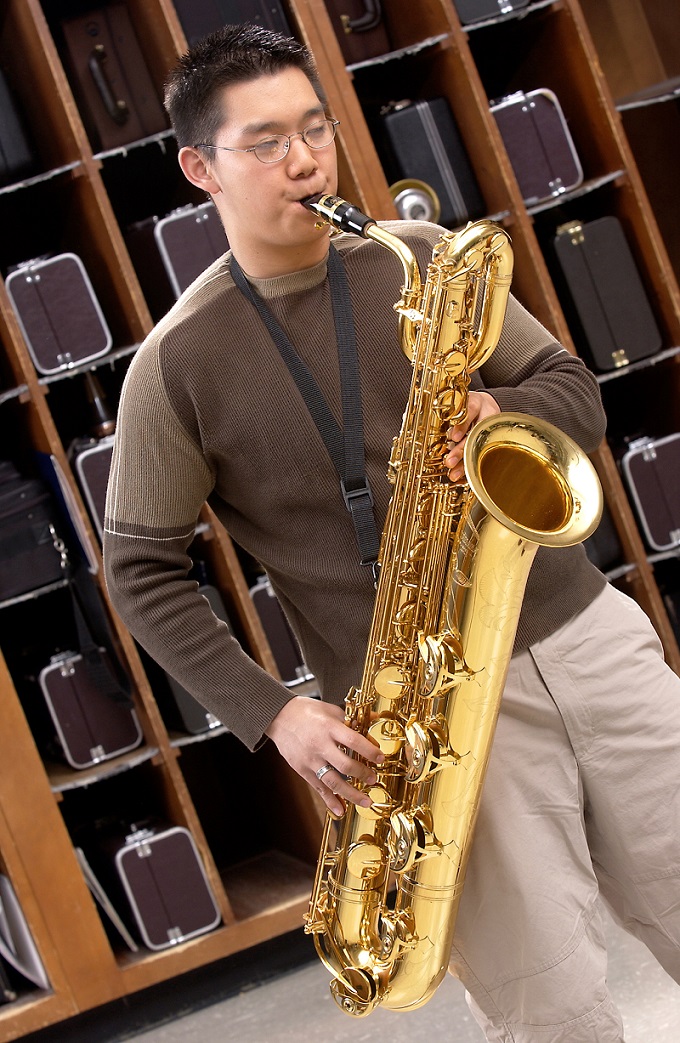 If we only have time for a very short warm-up, it must include a sustained long-tone exercise: a Remington/interval study or major/minor scales. It also must include a lip slur exercise for brass (either a soft, slow slur or something quick) and a harmonic slur for woodwinds. Sometimes we will have our woodwinds play a fast finger/technical exercise while the brass plays slurs for efficiency. And finally, the daily drill must include something to work tonguing and style. This could be multiple tonguing, fast tonguing or even learning to control accents, tenutos, staccatos or other styles students will need to succeed.
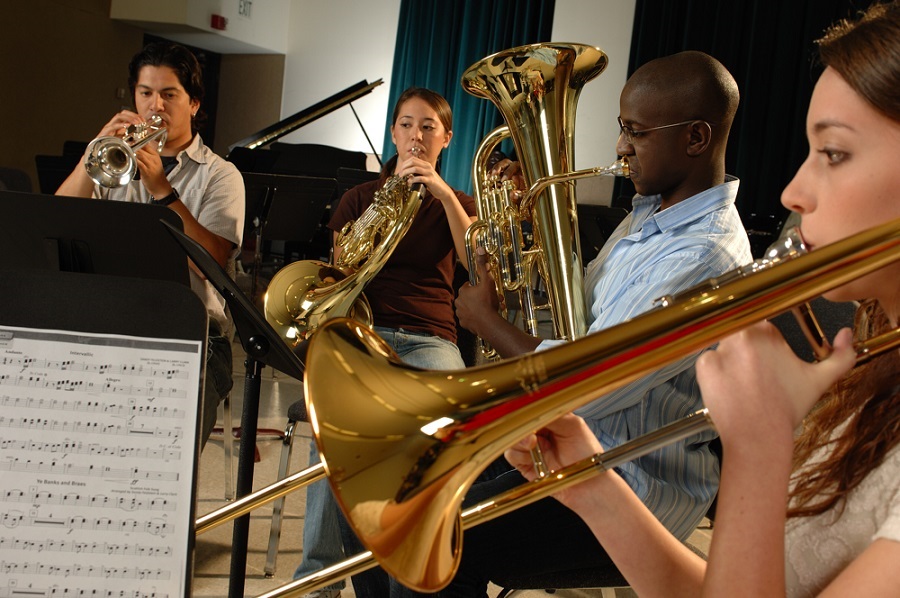 While we don’t try to “teach to the test” at Claudia Taylor Johnson, we structure our fundamentals/daily drill to address the skills needed for our performers to play our contest program at a high level. If we know that we are working on Borodin’s “


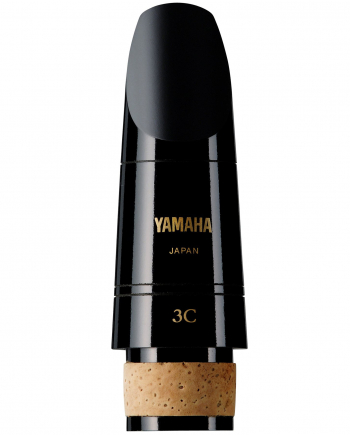
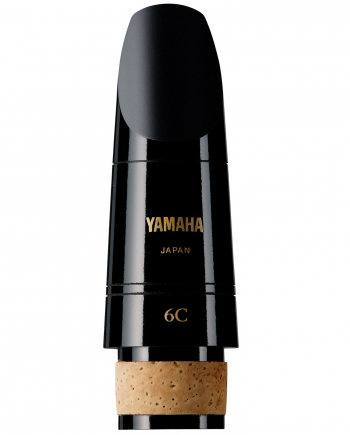
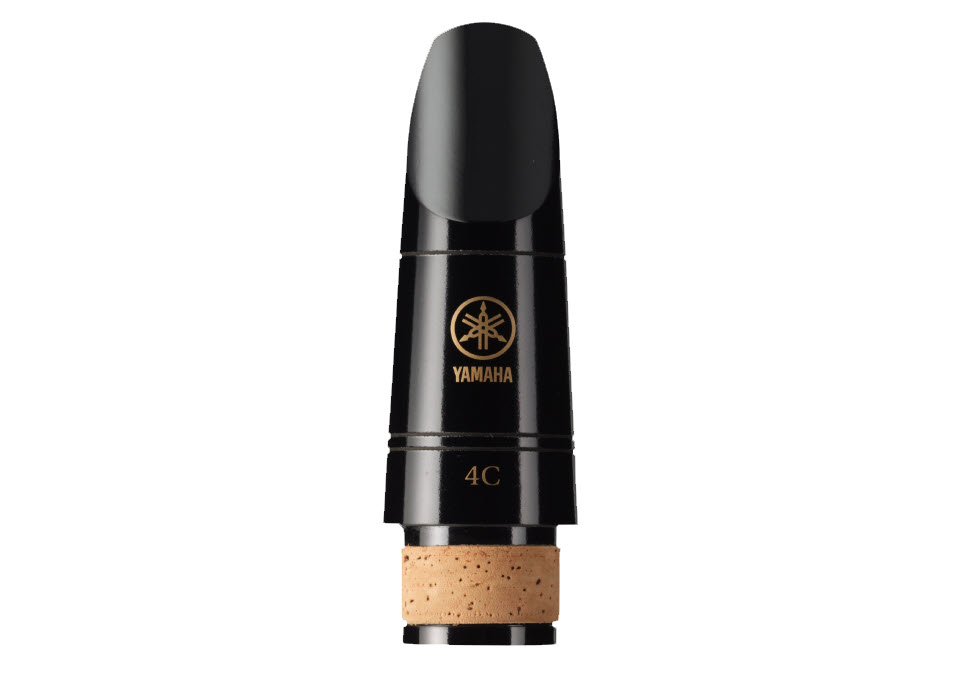
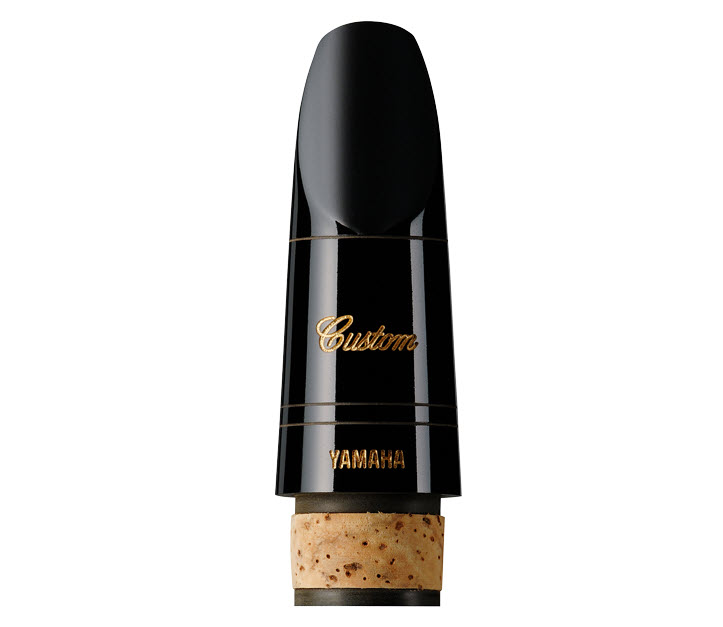






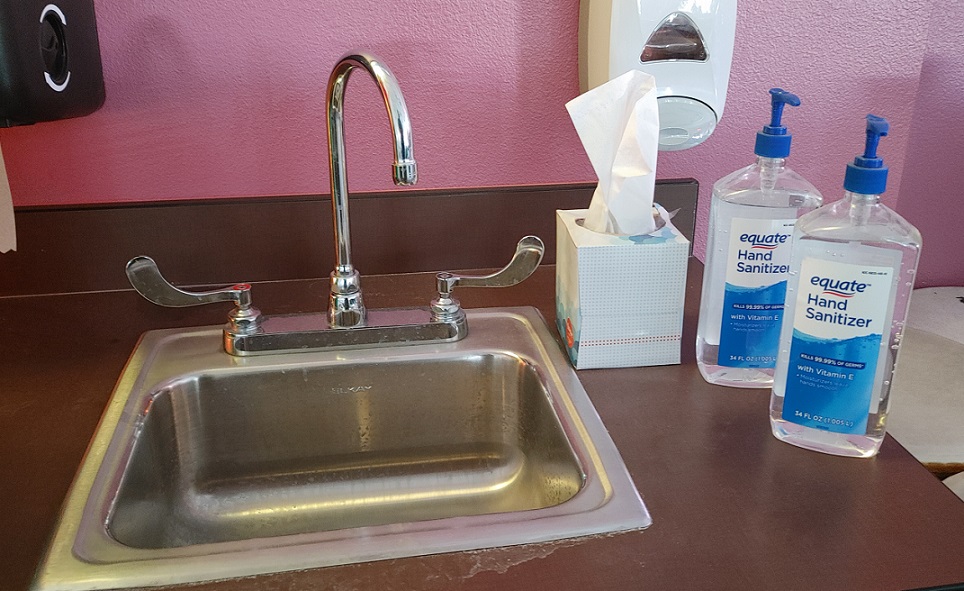 Students have been taught to wash their hands after using the bathroom their entire lives, but hand-washing has felt like a new concept recently. The task of taking an entire class of students to wash their hands before music class is too clunky to do every hour. Instead, I have elected to allow students to self-regulate when they need to wash their hands or quickly use hand sanitizer.
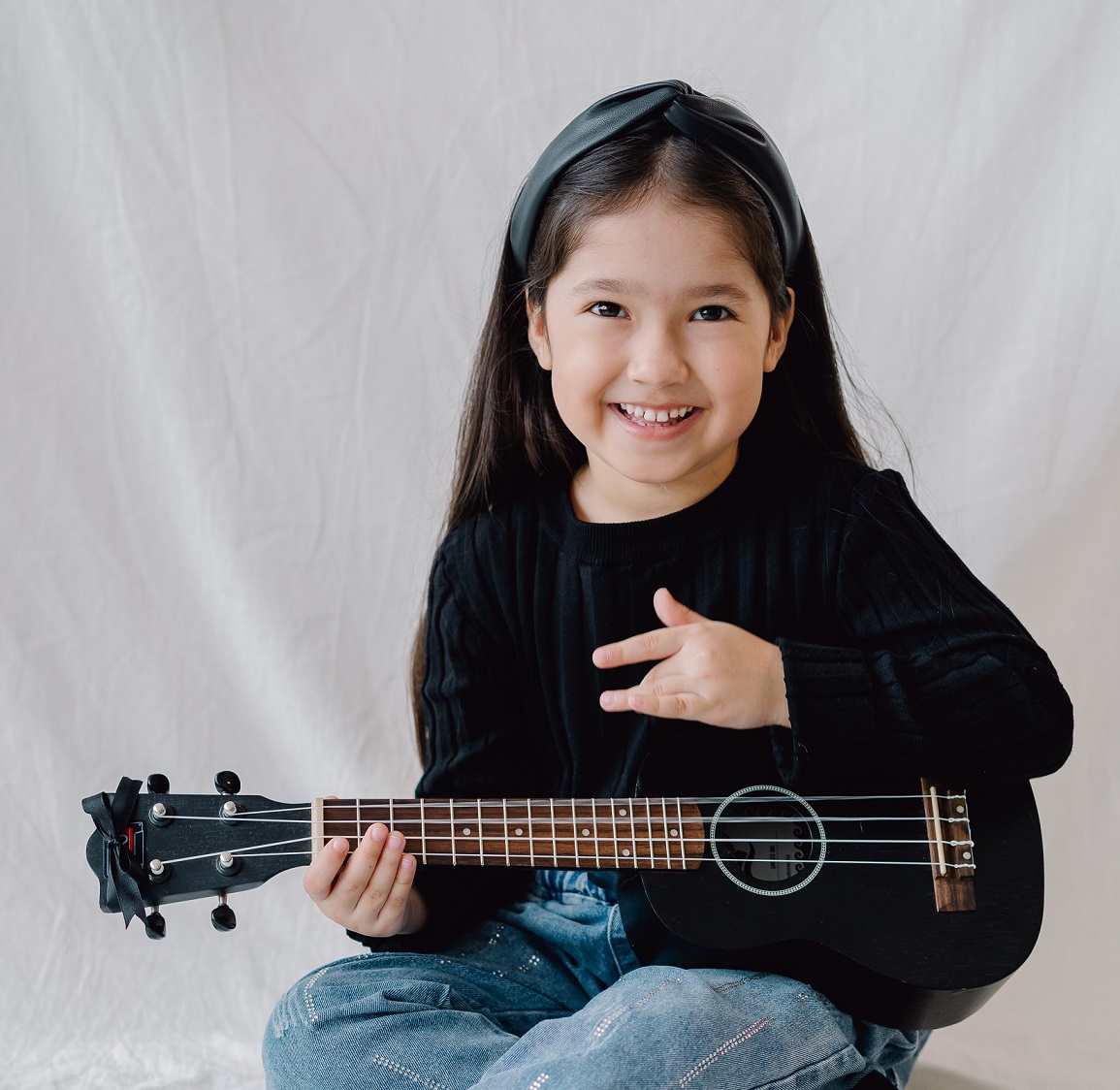 Less Sharing, More Concentrated Time
 When my district,








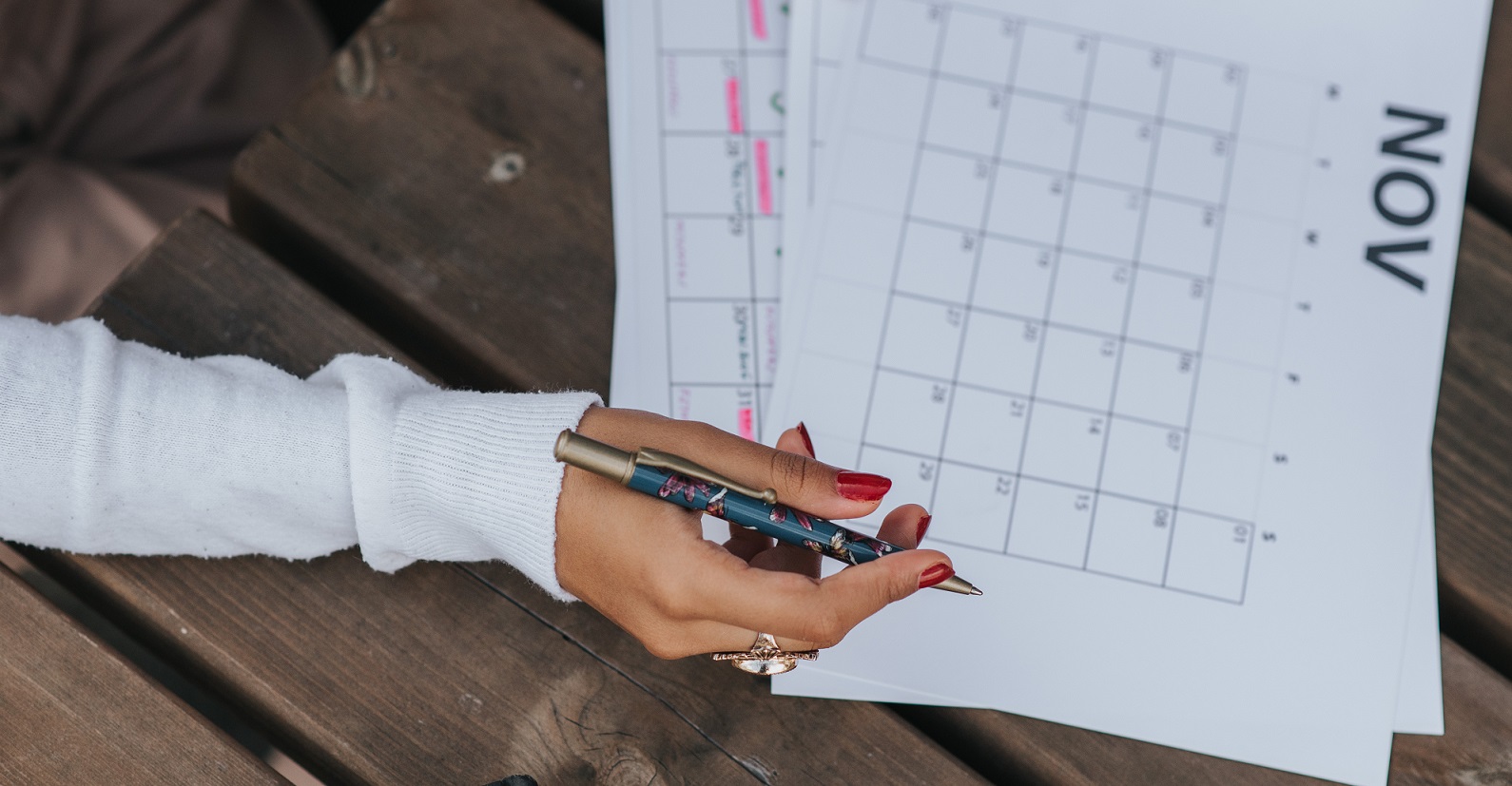 The calendar for the upcoming school year has likely already been set. Make sure to map out your year, start by adding the following events to your work calendar:
 Once you have your calendar mapped out, you will have a better idea of when your first public performance will be and with which ensemble(s). You can begin to think about programming music. To keep it simple, try to find programs from the past three years of concerts to give you an idea of what music the ensemble(s) have performed. This gained insight can guide you toward a difficulty level. Rosters of your classes will also help you estimate expected instrumentation. From there begin pulling music from your library that is comparable to the previous year’s concert programs. I also encourage teachers to pull music that is on the easier side for sight reading at the beginning of the year. This helps to build confidence for the ensemble and for you to focus on musicianship versus notes and rhythms from day one.
 Now that you have spent time getting to know your inventory, calendar and creating your important support system within the school, make sure to reach out to your mentor and colleagues outside of your school. The true secret to success is having a support system that might include friends you graduated college with or past teachers who you now call your friends. Connect regularly with the people who will listen and offer advice when asked.
 Set boundaries with your work email. After a certain time at night, you are no longer on the job and all incoming emails can be read and responded to the next workday. The earlier you set these boundaries the better — parents and students will learn your communication habits. Stay strong when someone becomes upset that you did not immediately respond to an email that they composed at 11:00 p.m. Politely respond during your regular work hours and thank them for their patience.









 This initial stage can vary depending on your experiences. In your first few years, you might say things that your teachers told you. You might emulate their mannerisms when you conduct or count off a group. You might even dress like your mentors or adopt their sense of humor. None of these things are bad!
 Then, some doubts set in. You may have had some doubts about your career initially, but in this potential stage, the doubts build. You may think:
 Stage 4 is a stage of confidence. It is not an arrival stage; we enter into it as we grow to know our strengths and weaknesses better, and we begin to understand how we operate.
 I eventually ended up back where I started at


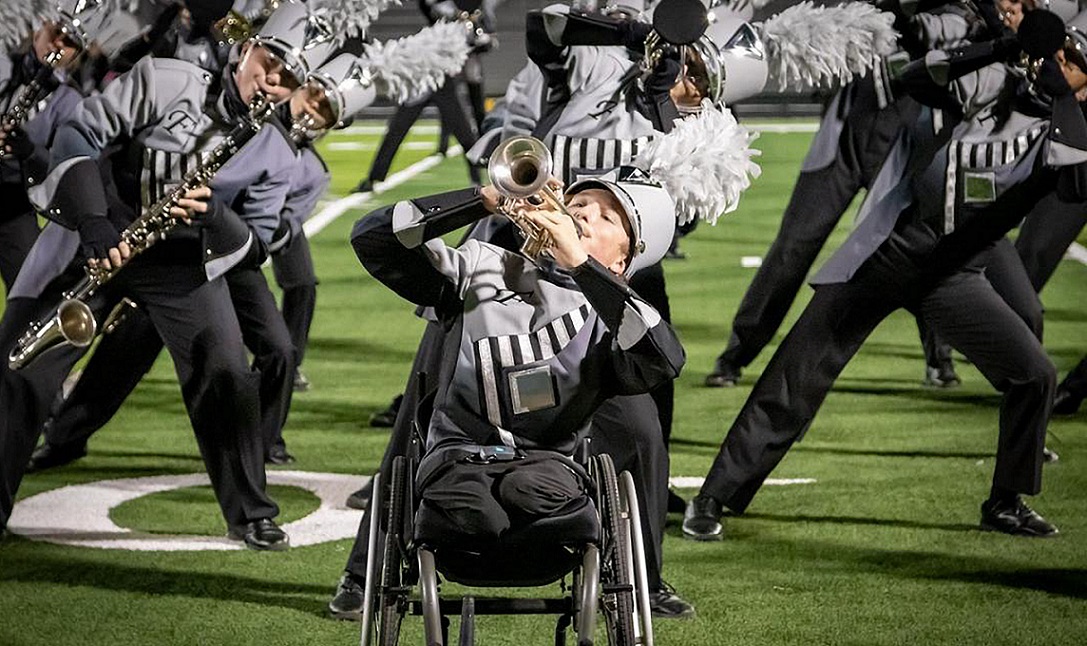
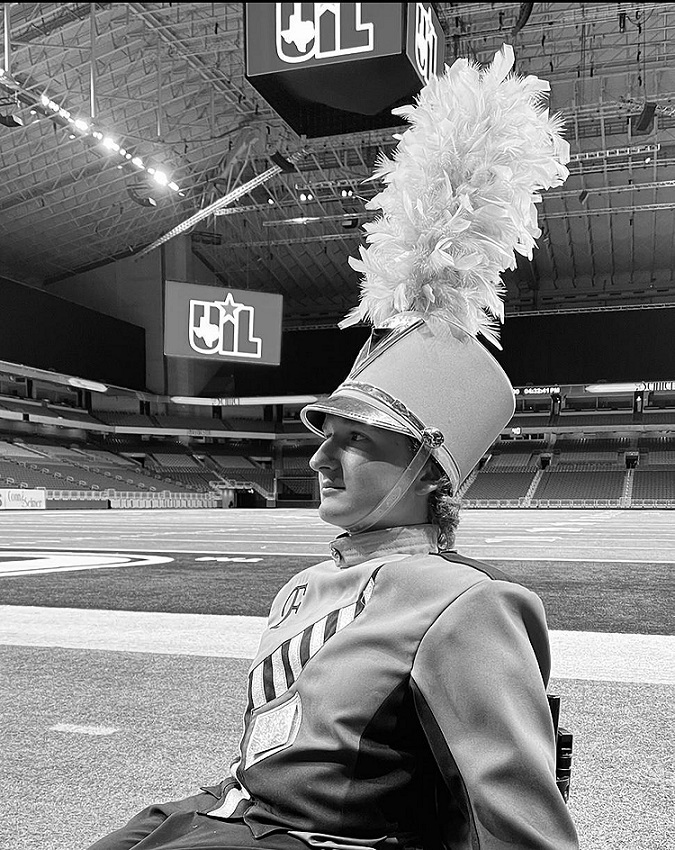
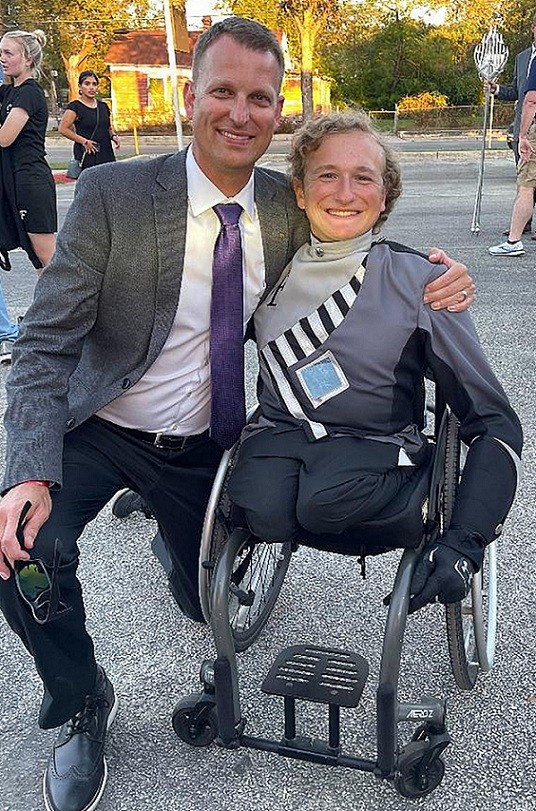 As we were wrapping up the conversations regarding the logistics of operating the band program and saying our good nights, a special young man rolled up to me in his wheelchair and asked me an important and challenging question.
 I have found all too often that my first instinct, my first response in any situation is to focus on the problem. This is all too easy to do because whenever you turn on the news, listen to the radio, open your phone, all the world’s problems come flooding in. The daily confrontation of problems is brutal.
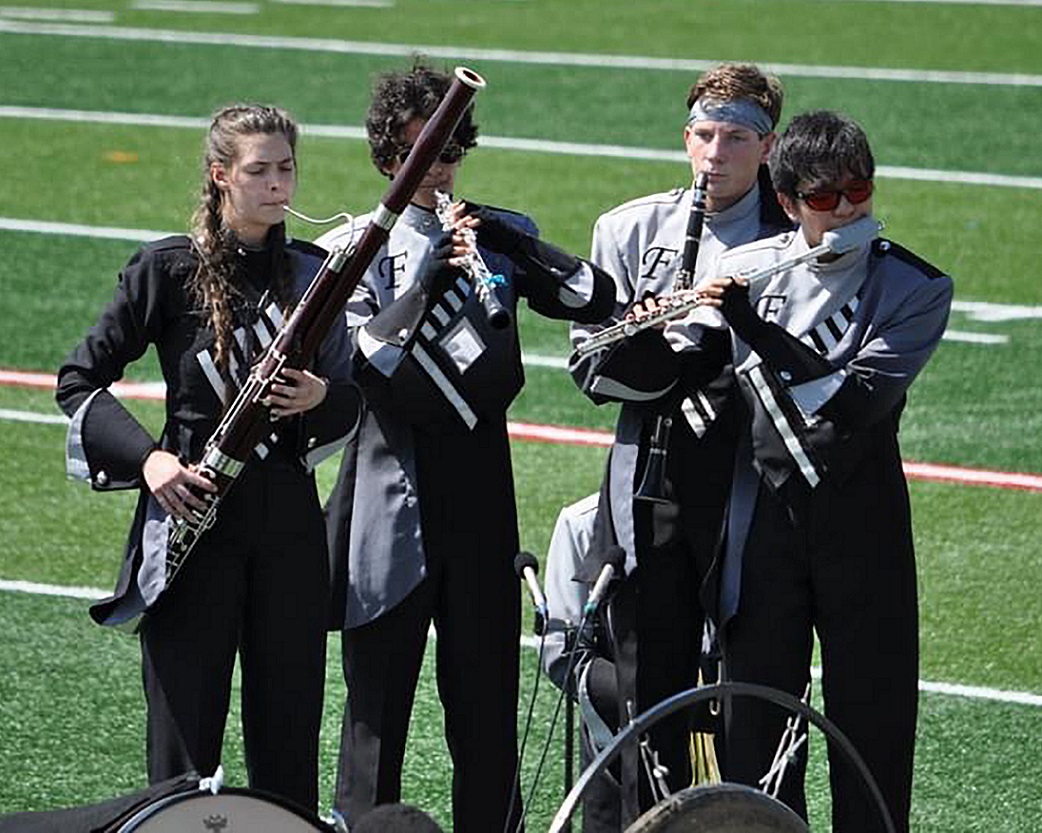 Tomoki Miyazaki is a year younger than Micah, an incredible flute player with perfect pitch, and he is legally blind. After hearing him shine as a performer throughout the spring of 2021, we started conversations with Tomoki about doing something he’d never considered — being part of the marching band. With his incredible playing ability in mind, our music arranger designed numerous solo moments for him throughout the 2021 show. The first time we heard him performing with the group, amplified for the world to hear, we knew we had a special performer. With this excitement came a very unique obstacle.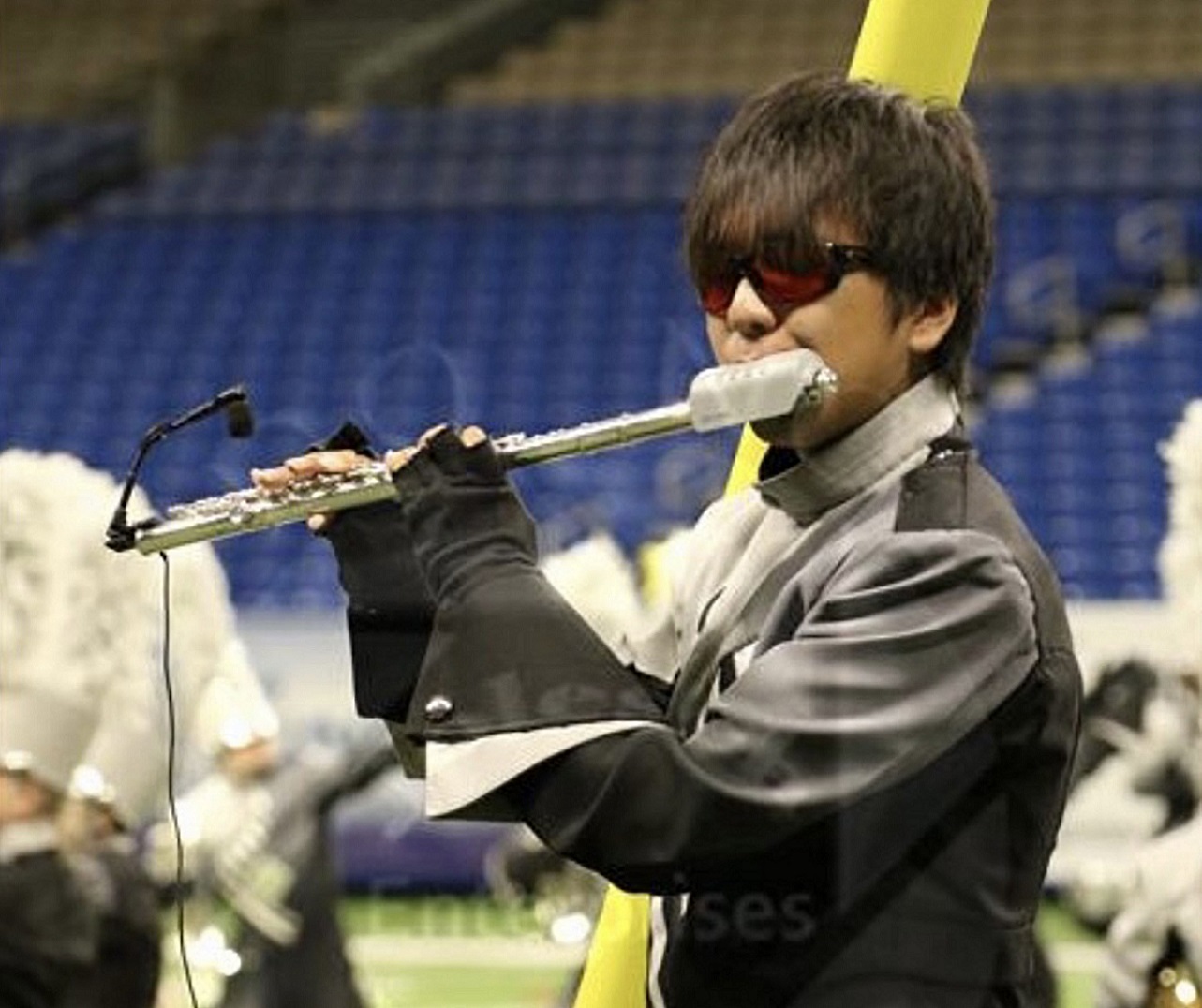

 I’ll be honest, flute choirs can be expensive — alto and bass flutes have pretty high price tags. Most of the information below is about the lower-range harmony flutes because many schools have a selection or easy access to higher-range melody flutes (
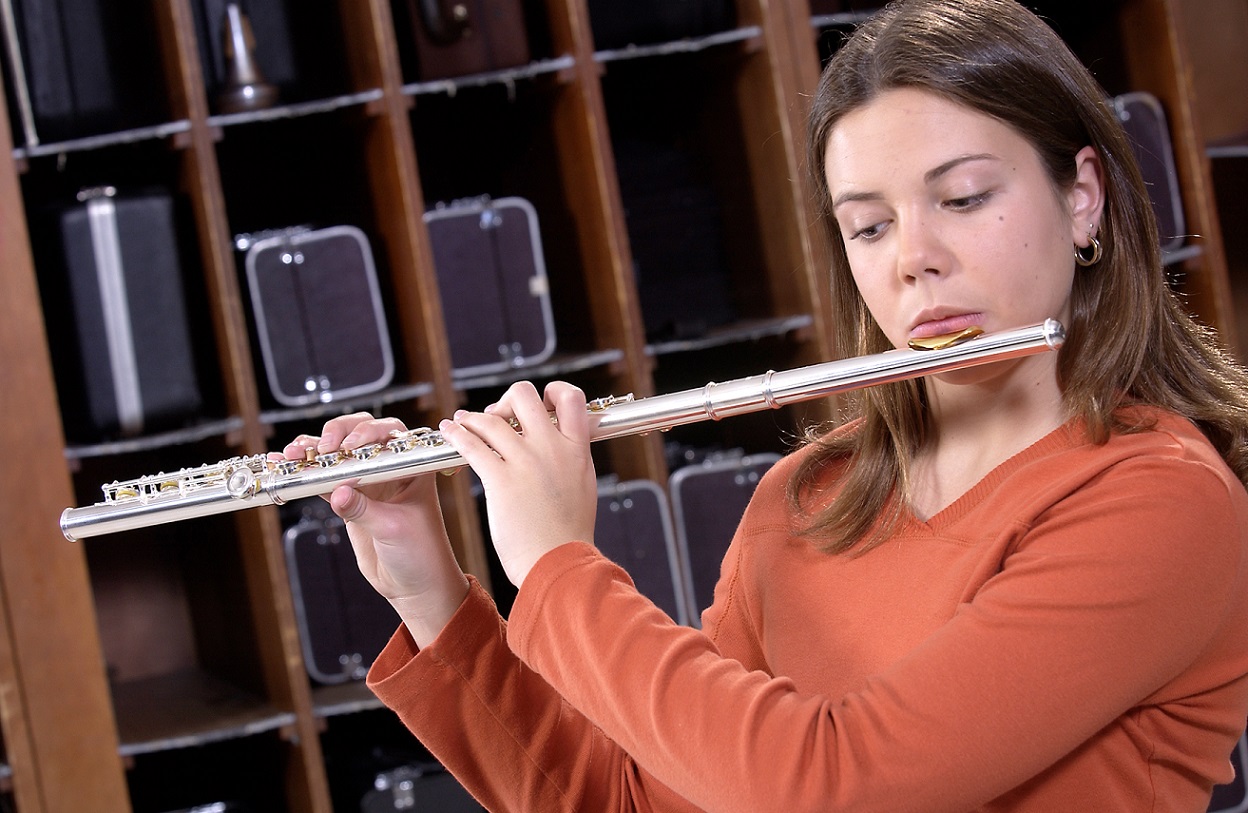 This 8-person setup will be enough to get you going.
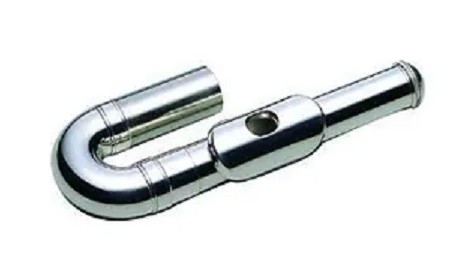 Most flutes come with the option of a curved headjoint. While this is often an adjustment made on soprano flutes for younger students, having a curved headjoint becomes increasingly more common as the flute gets lower. Watch flutist Gina Luciani weigh the
  Thumb Rests: I recommend thumb rests for bass and heavier flutes. Bass flutes often have metal thumb or hand rests that help players balance the extra weight. These are especially handy for students who will be playing for a long period of time but do not plan on playing with a stand.



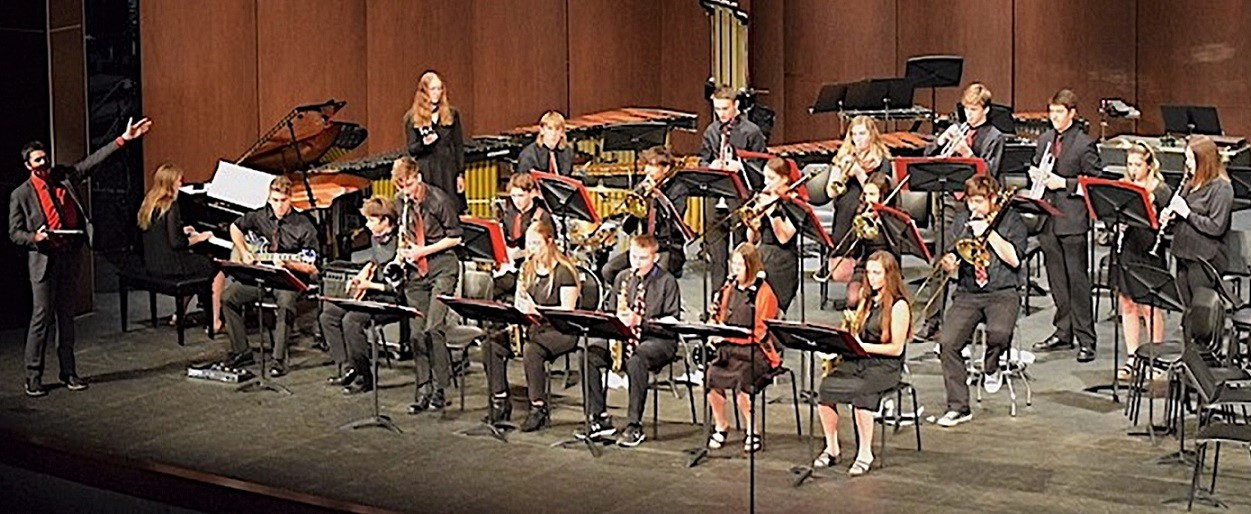 The students have fallen in love with the event, too. “I have students who will buy a suit just for jazz night. They get all dressed up, and they’re super pumped,” Pohland says. “It’s turned into way more than I could ever have imagined.”
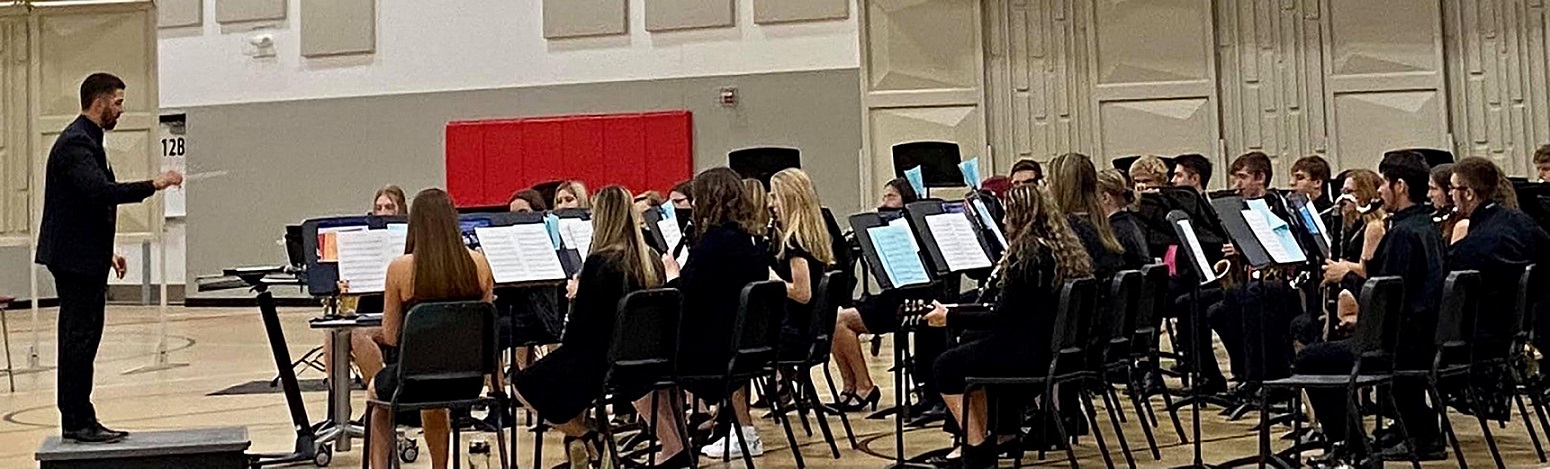 Having open, honest conversations isn’t only beneficial with his own family. Pohland has also found that building personal connections with students helps the program gain a sense of camaraderie. He says that one of the keys to building a trusting relationship with students includes “sharing my stories — sharing why I’m passionate, why I’m energetic about music.”
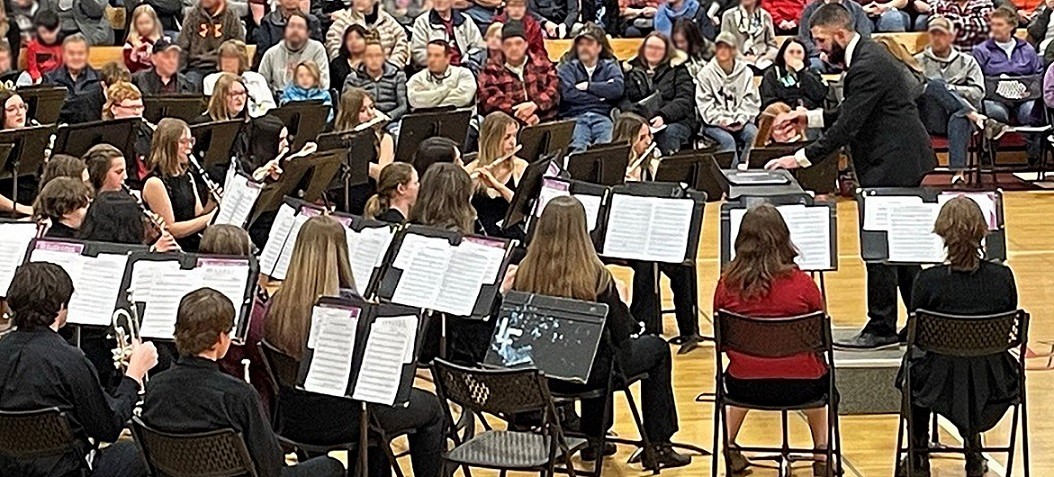 While a close-knit musical family may sound like a dream come true, maintaining a music program in a small, rural town comes with its own unique challenges. Some students may struggle to make it to every rehearsal when they have other commitments at home like working on their parents’ farm. Other students may struggle to get to rehearsal on time when driving to school takes 30 minutes or when Minnesota weather rears its destructive head.
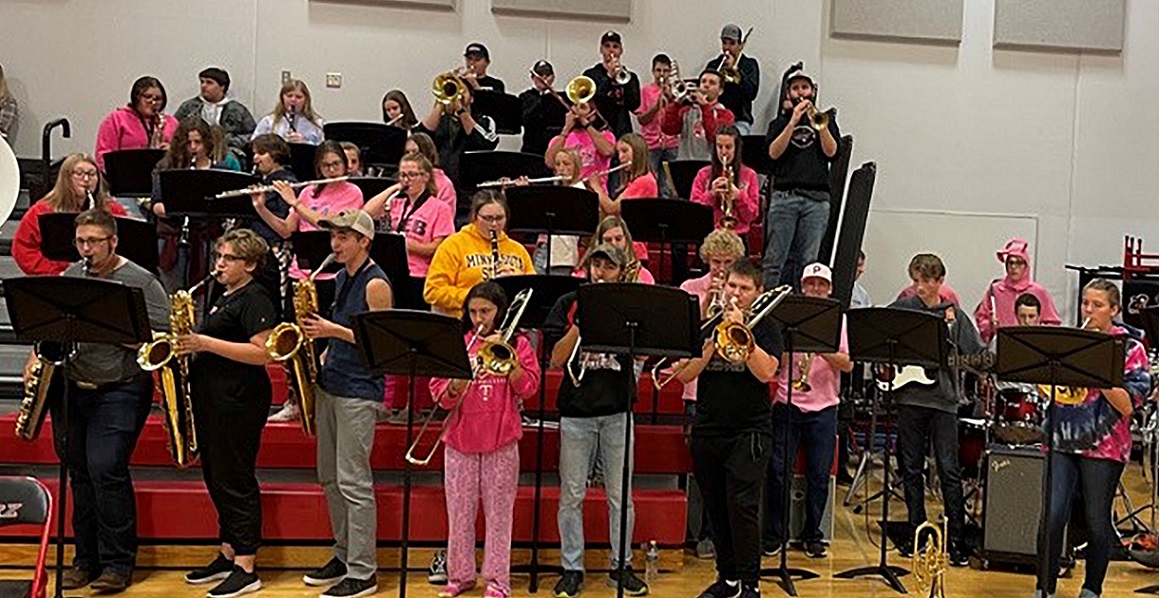 Communication goes hand in hand with community outreach. One of the benefits of building a music program in a small community is the ability to get students directly involved with community performances.
 You cannot be a wallflower music teacher and expect kids to flock to your class. Be bubbly and personable. Show kids that you are committed to them and that you see and hear them. Make them laugh. Truth be told, I gauge my effectiveness each day based on whether I can get my students to laugh.
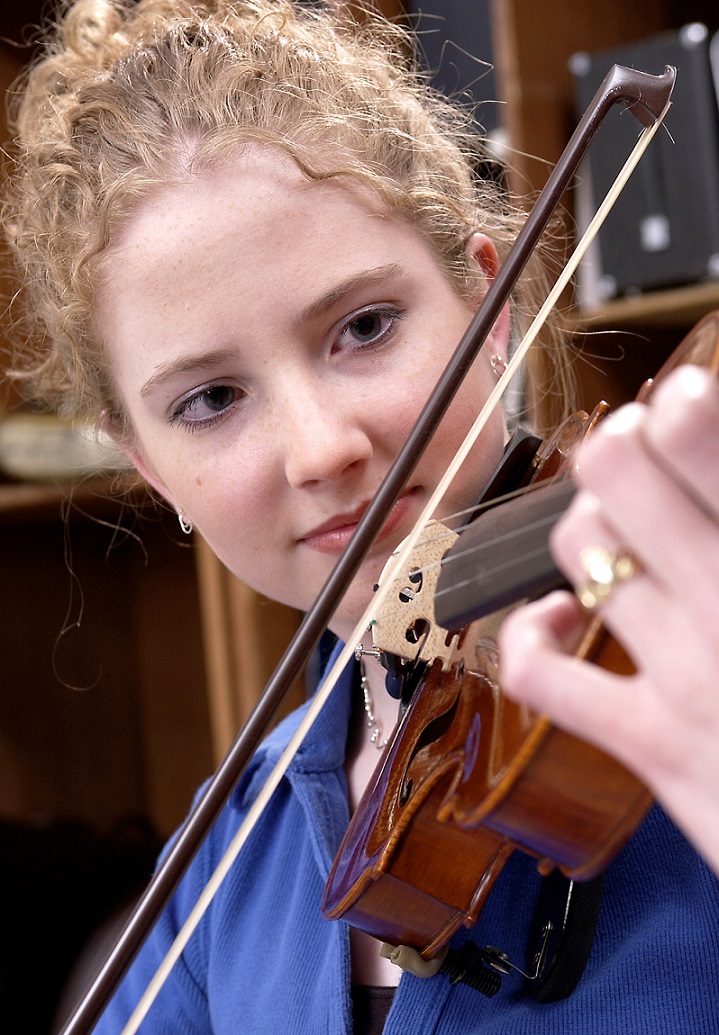 While I recognize there is enormous value in practicing instruments outside your primary instrument, as an ensemble director, I simply do not have the time to devote to preparing quality demonstrations on a variety of instruments. Instead, I call upon my colleagues, music major friends from college or, in some cases, former or current students to showcase their talents on various instruments.
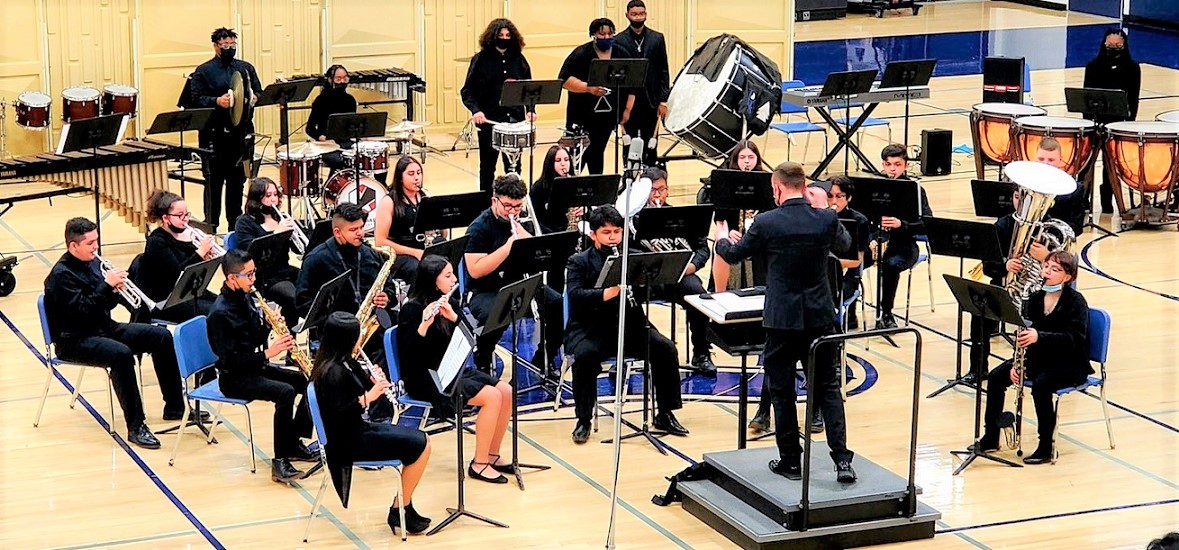 Unison playing in an ensemble is necessary when students first begin learning a musical instrument. Because novice students’ audiation and tone production are developing, it helps to have everyone play the same melody together for reference. Additionally, playing in unison helps alleviate some of the anxiety students might experience from playing something incorrectly or thinking they sound bad. After all, how many of us sing more quietly in the car once the radio is turned down?
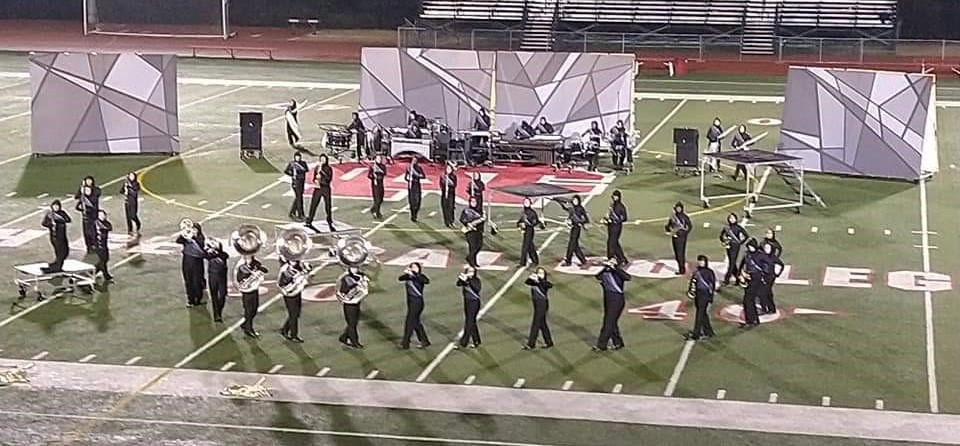 If you are tasked with developing beginner instrumentalists to eventually feed your top ensemble(s), promote students based on their demonstration of mastery, NOT on the instrument they play. As someone who spends the majority of his day teaching band classes, I know this can be a tough pill to swallow. Remember though, our role as music educators is NOT to teach a piece of music, but to teach musical concepts and skills. The pieces we program are simply vehicles to determine the extent to which students understand and can demonstrate these musical concepts and skills. This is why your learning objectives and success criteria based on the standards found in your curriculum are so important!
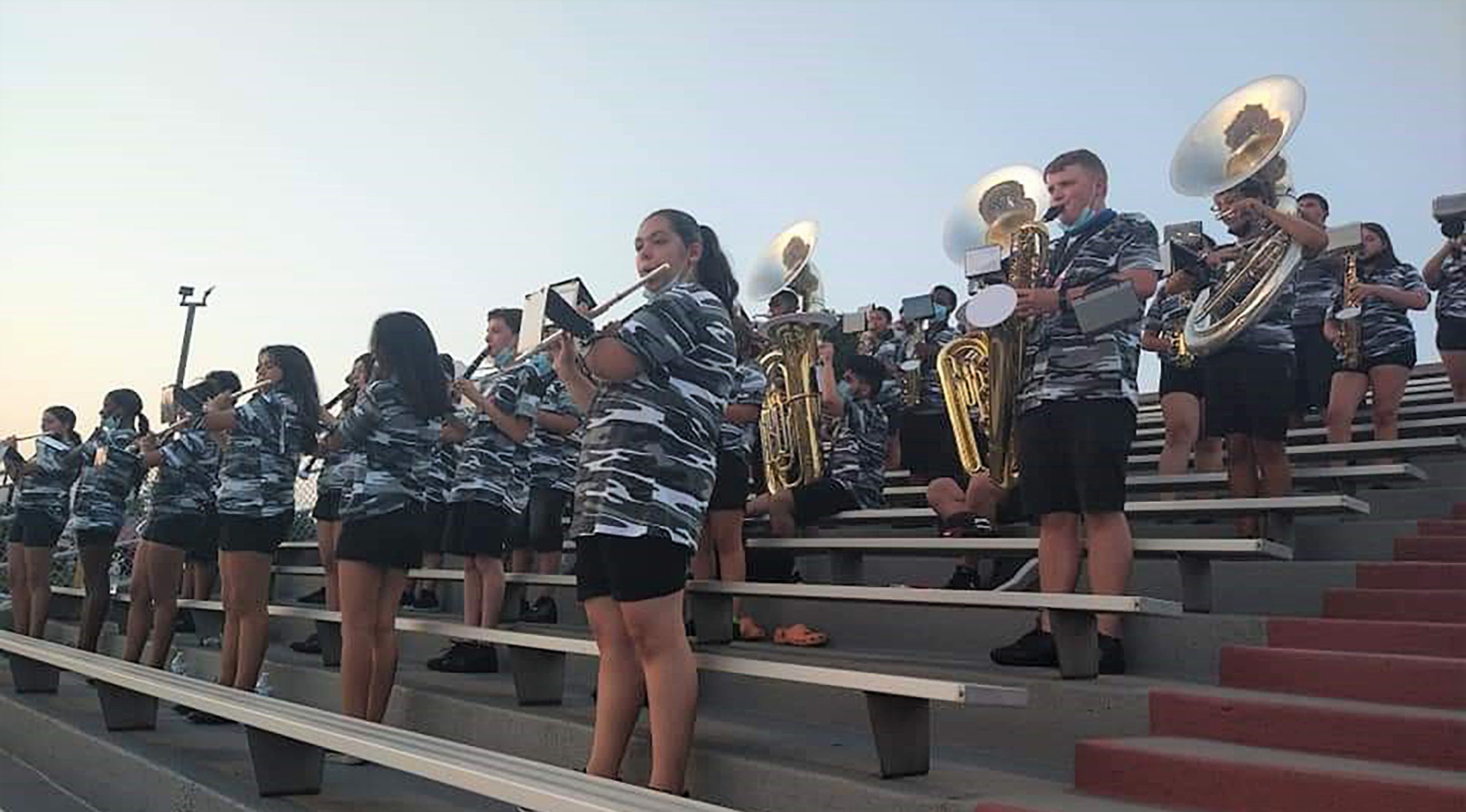 Most ensemble directors have a social media account for their music programs. This is a terrific way to share your students’ accolades with the world. That said, don’t devote the bulk of your social media posts to celebrating only the achievements of your top ensemble(s). Earning a superior rating at a festival is great news worth celebrating — but so is the first time your beginning brass students learn how to buzz! When every student feels celebrated in your program, word travels fast.
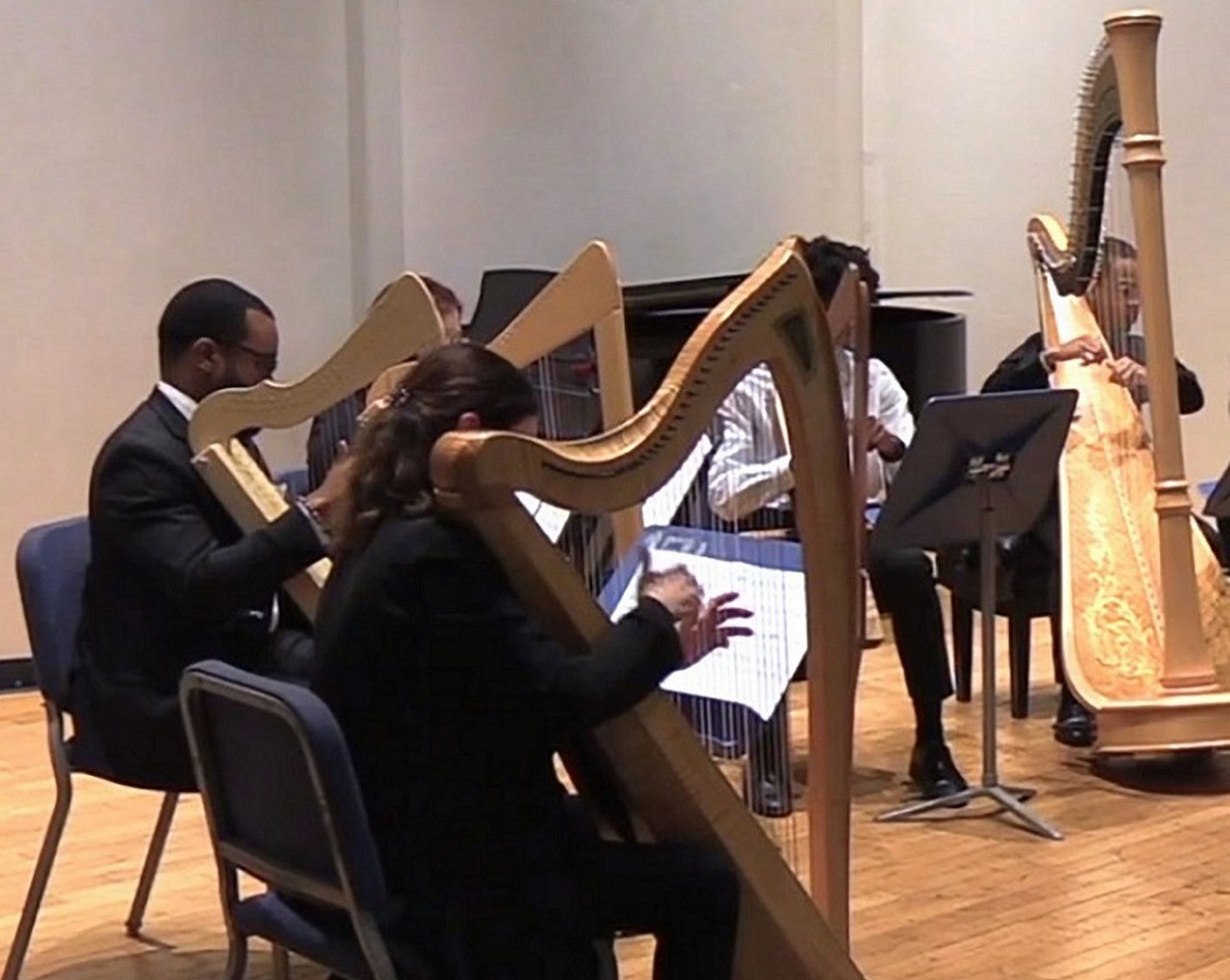 The music department at Tennessee State University has a rich legacy and a storied history. From our world-famous
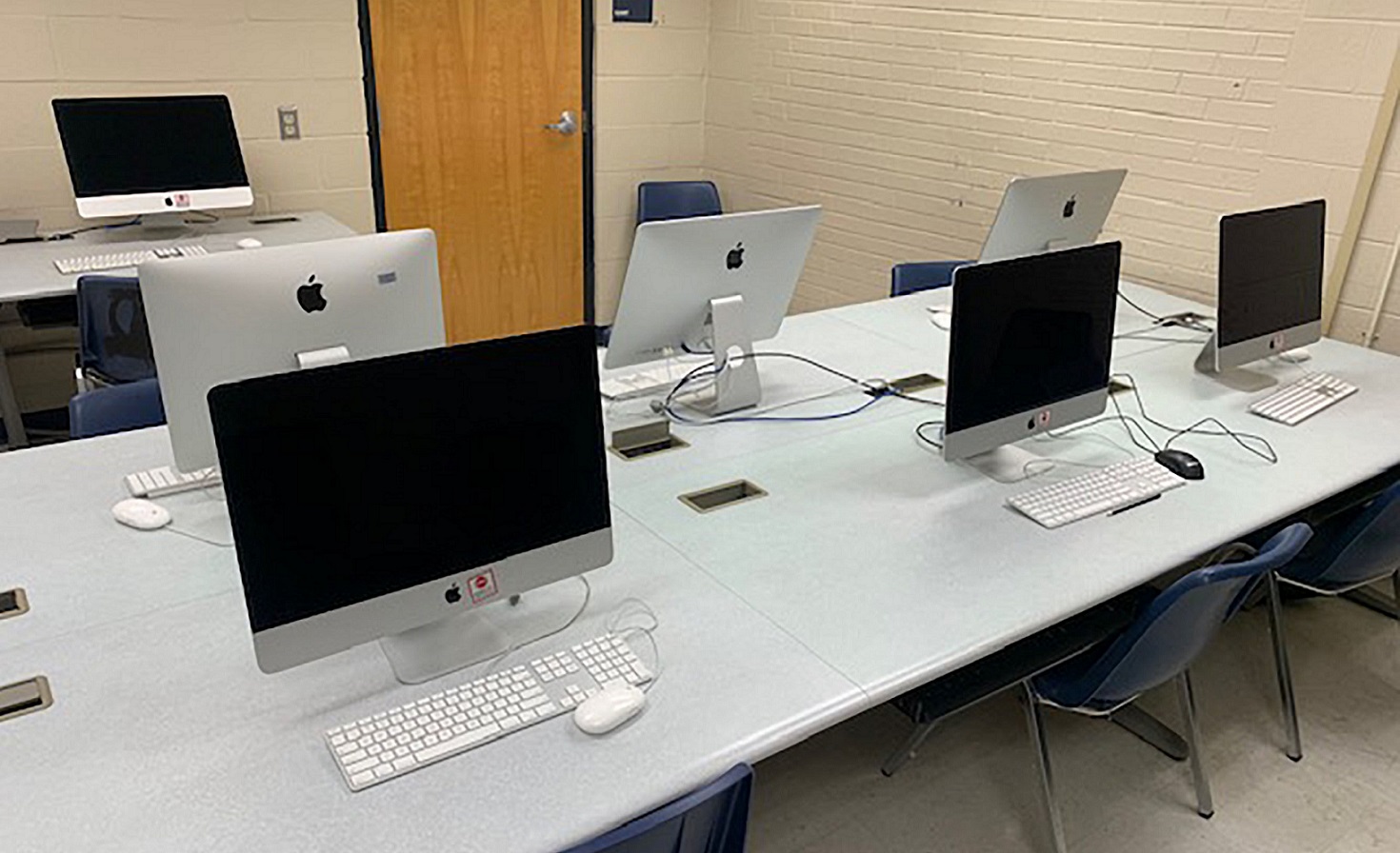 With the “Grow Your Own” funds, we have enhanced our curricula in numerous ways. We now offer a Praxis review course, which provides students with a formal class setting that prepares them to pass both the Praxis Core test, as well as the content-specific Praxis Music test.


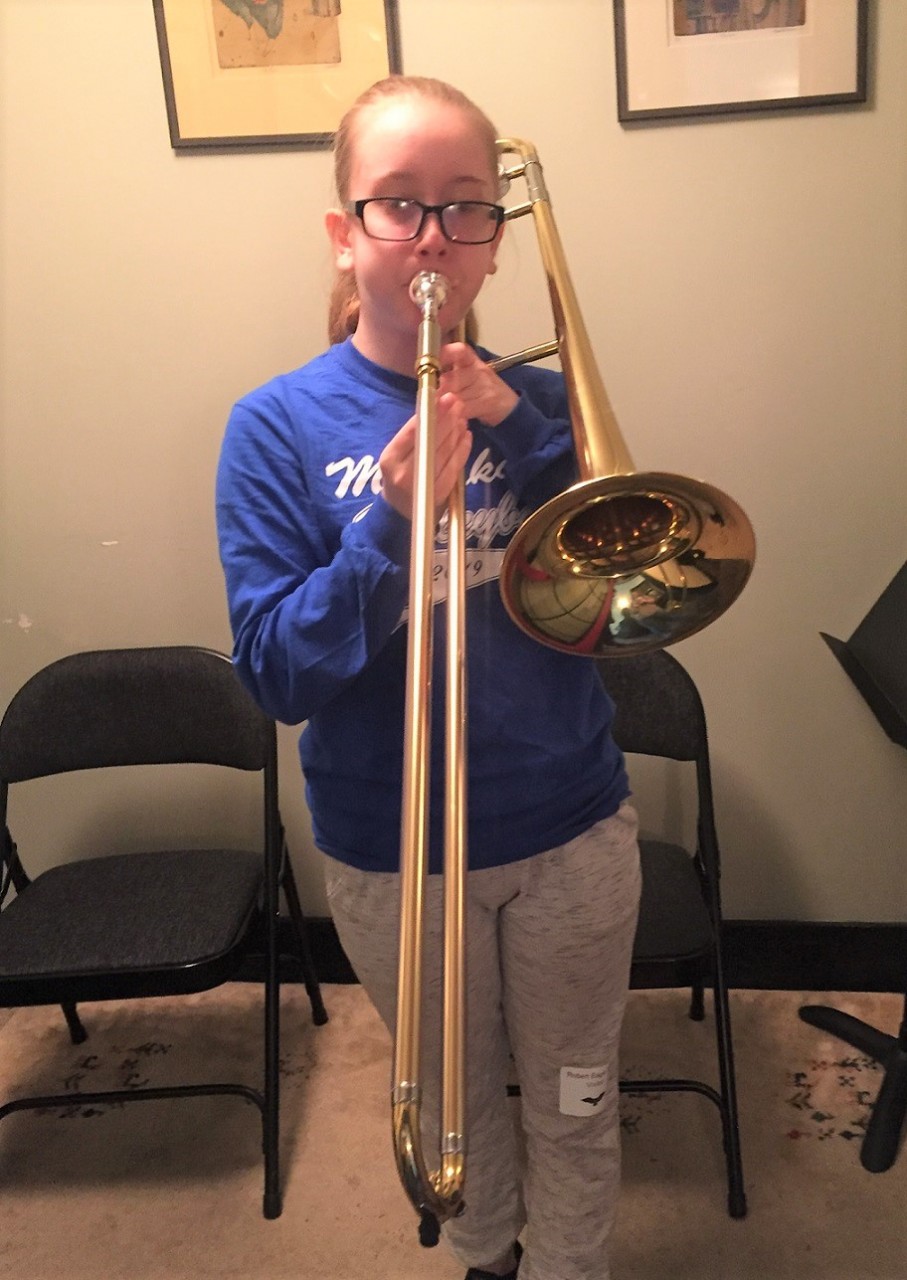 Schoolland first created her open-door band room policy while working at an inner-city school in Colorado. Many of her low-income students struggled with the logistical side of practicing their instruments, such as transporting their instruments to and from school or not having space at home to practice. “I had one student who lived in their car,” she says. “He couldn’t practice trombone in his back seat. That’s where the idea of keeping the band room open after school took root — from the knowledge that not every kid has a safe place to practice outside of school.”
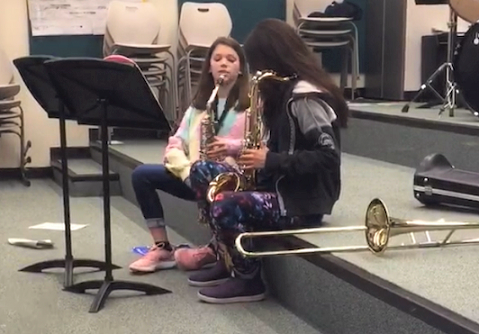 A growing music program requires mutual trust between students and teachers if it’s going to thrive and flourish. Getting students motivated to practice during their free periods or after school also requires that they gain self-confidence in their own musical abilities.
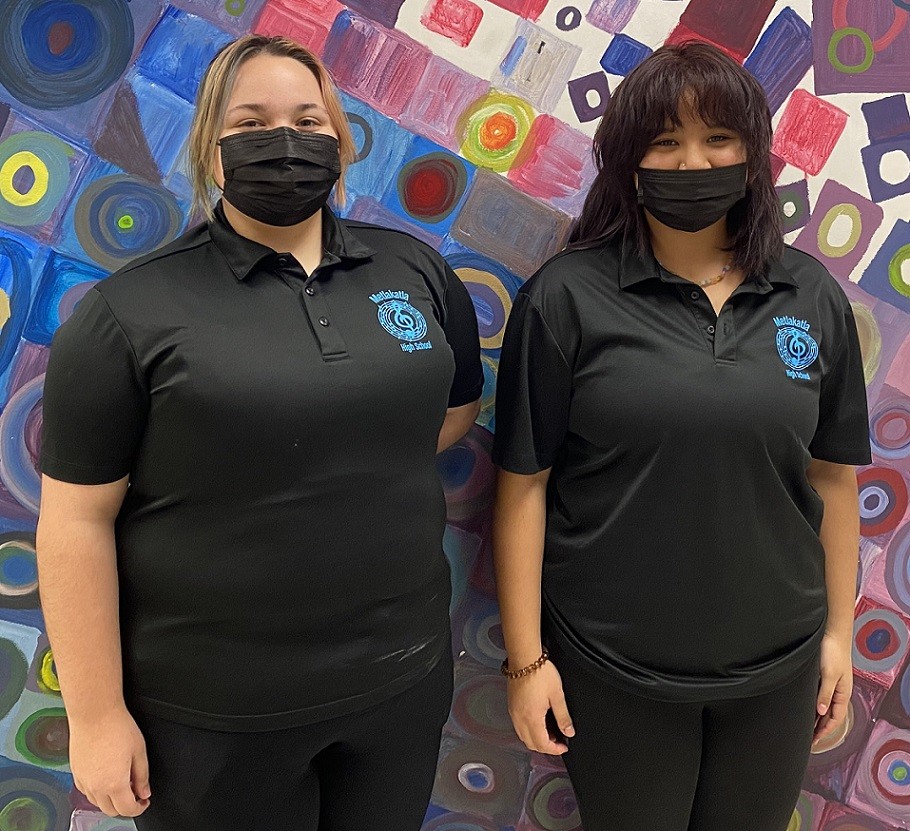 Being a small community worked in Metlakatla’s favor. “We literally know where everyone lives,” Schoolland says. “When we were shut down for more than a couple days at a time, staff members from the school volunteered to help deliver instruments. We were able to get instruments in kids’ hands pretty quickly.”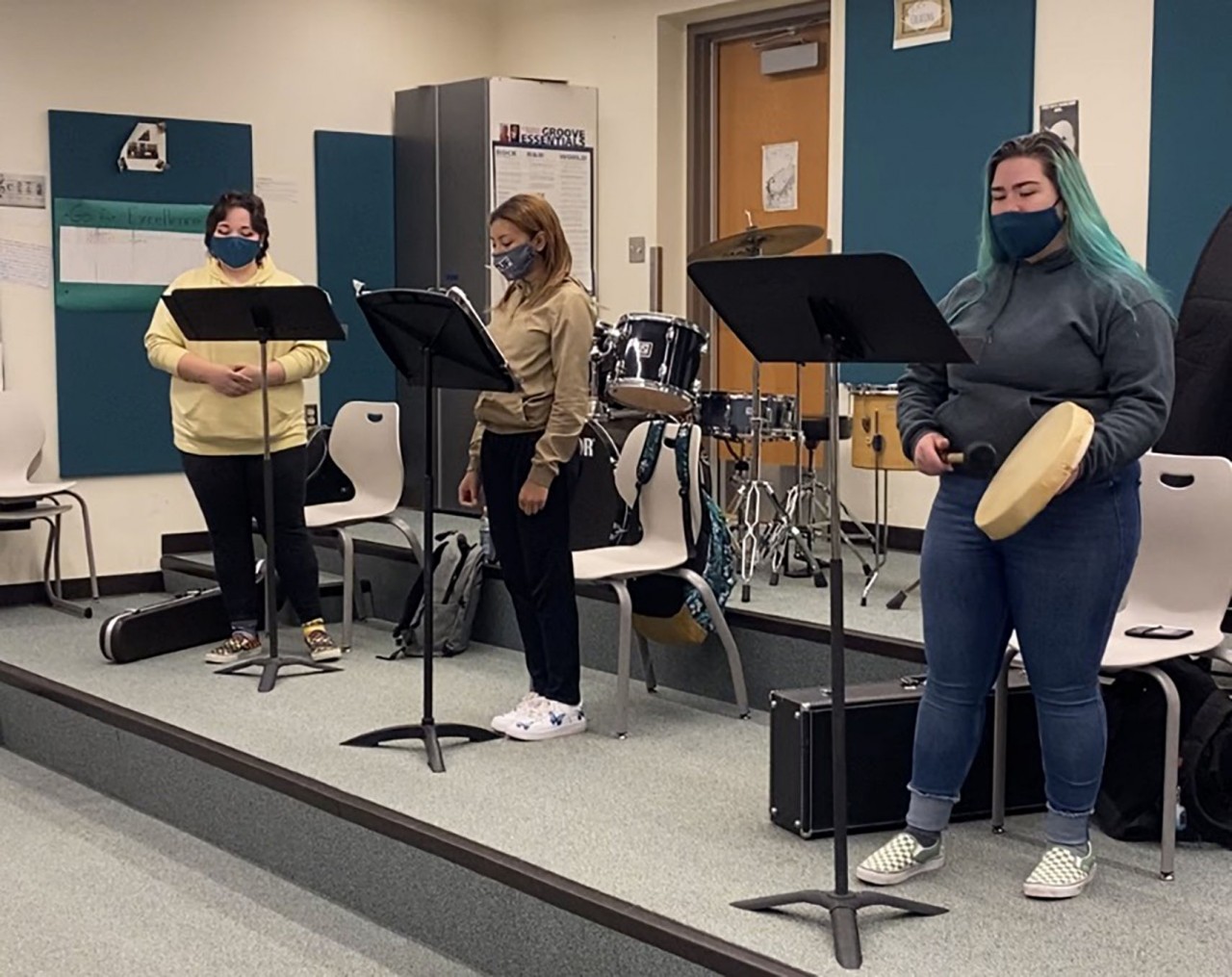

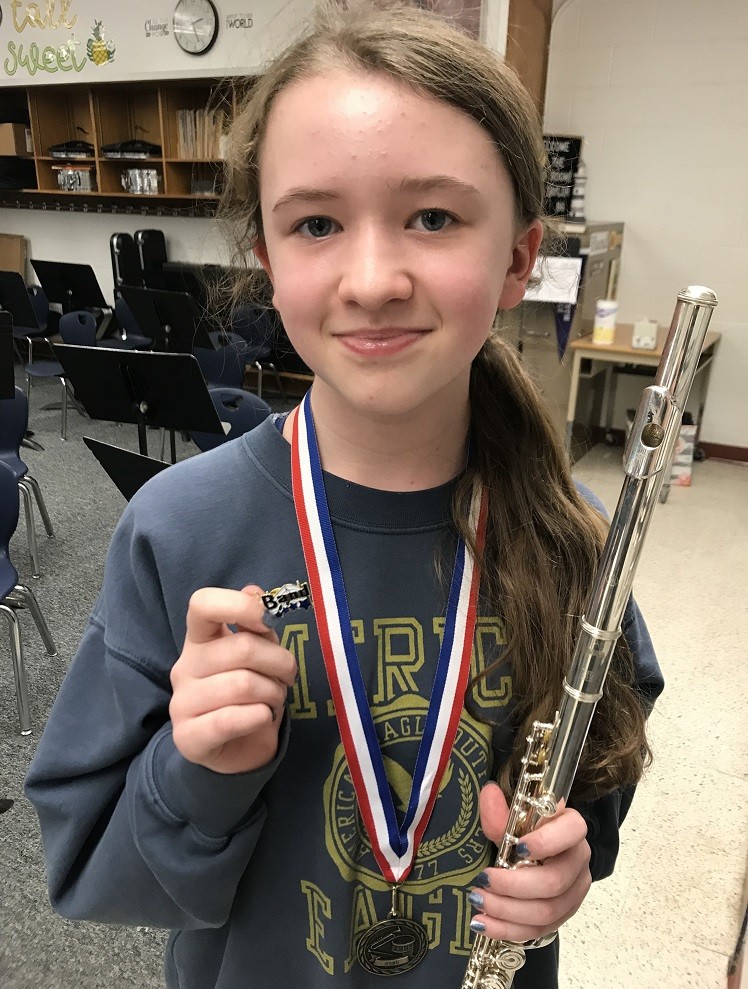 Instead of lamenting on the small budget, Taylor went to work to find outside funding and has received nearly $20,000 in donations in the past four years.
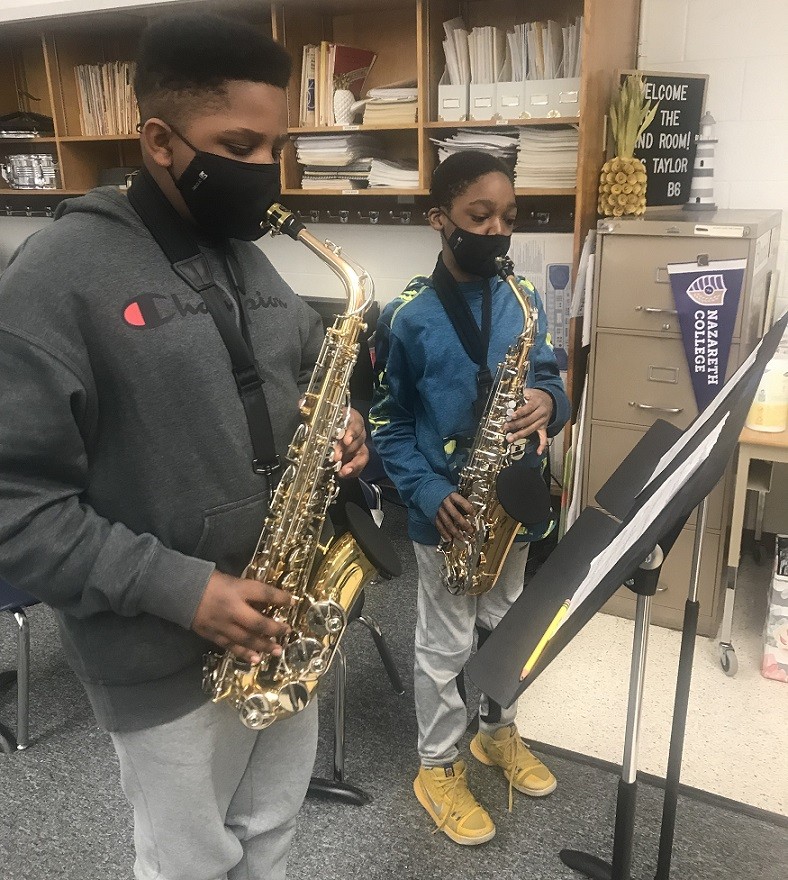 While the school provides students with the larger and more expensive instruments, such as French horns, baritones, tubas and oboes, families are typically expected to rent more popular and smaller instruments like flutes, clarinets and saxophones. However, Taylor says that situation created equity and balance problems.
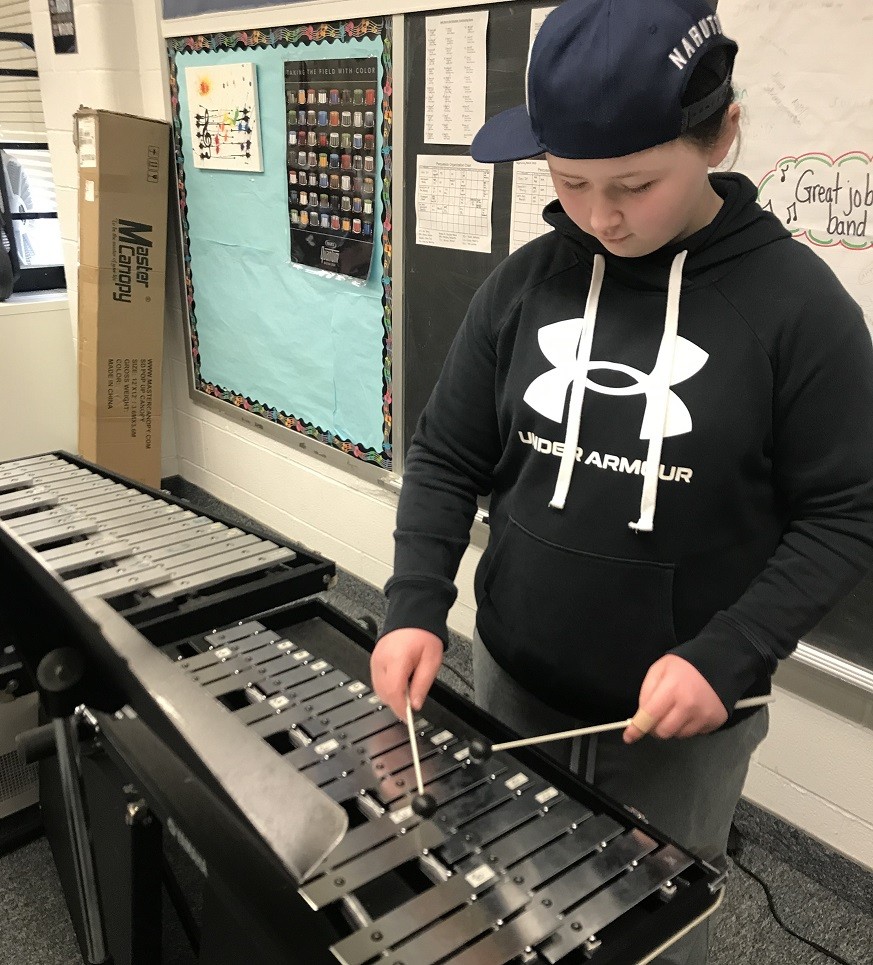 Taylor initiated her wish list with requests for mouthpieces, reeds, neck straps, valve oil, cork grease and lessons books. She would always attach a picture of her with the students. “Having an action photo with kids playing instruments tended to grab people’s attention,” she says.
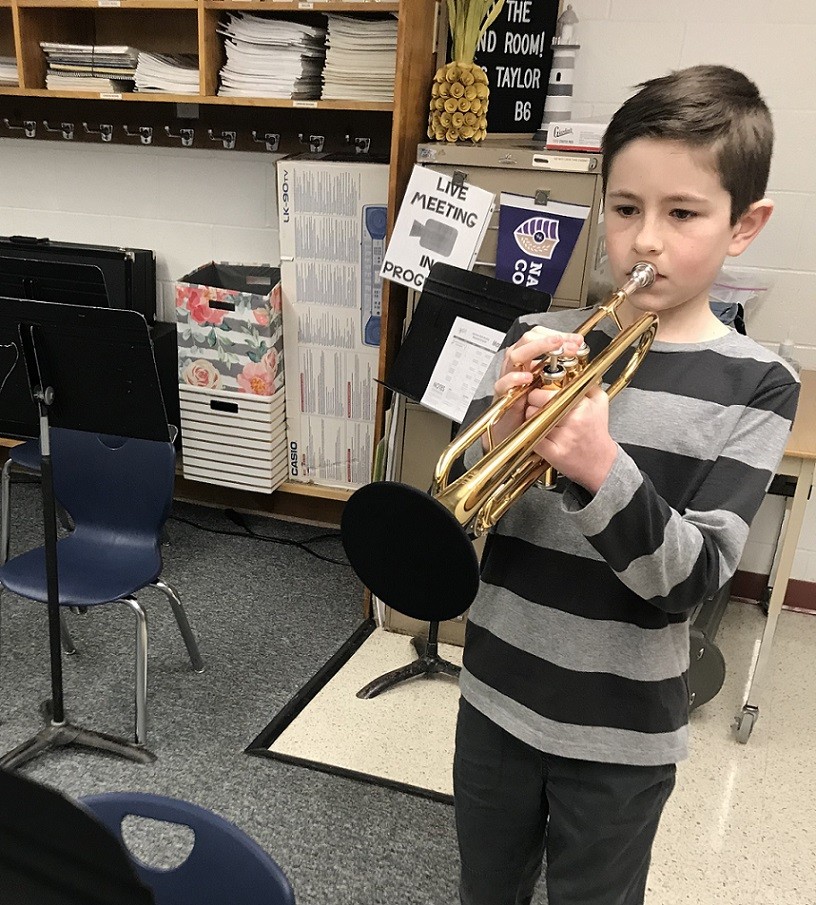 Taylor is also active with
  Of greater impact, Taylor was the Eastern Division recipient of the 2021
 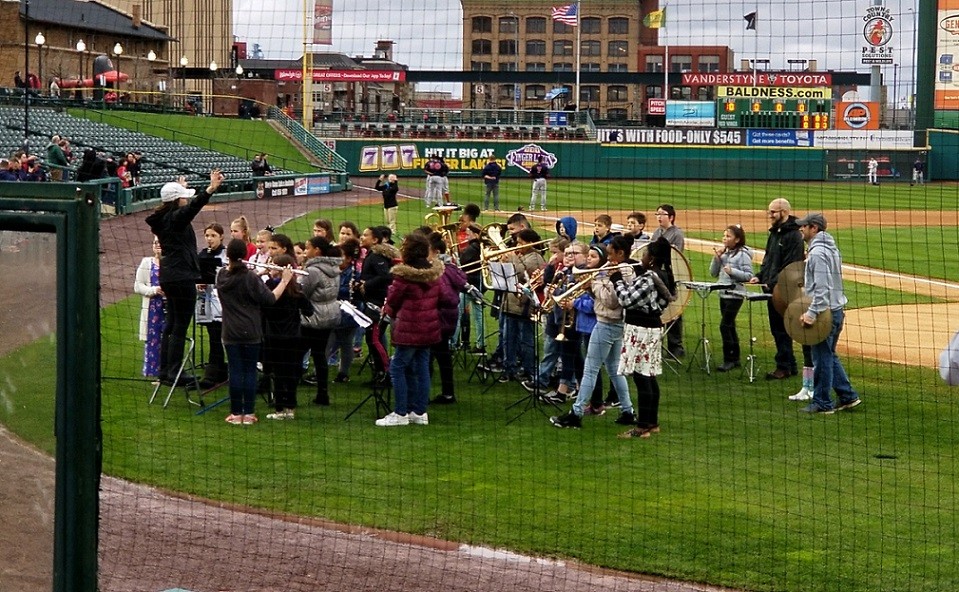 Taylor says that her biggest recruitment methods are the fun activities within the program itself. Her 5th-grade band students learn “The Star-Spangled Banner” and perform at a



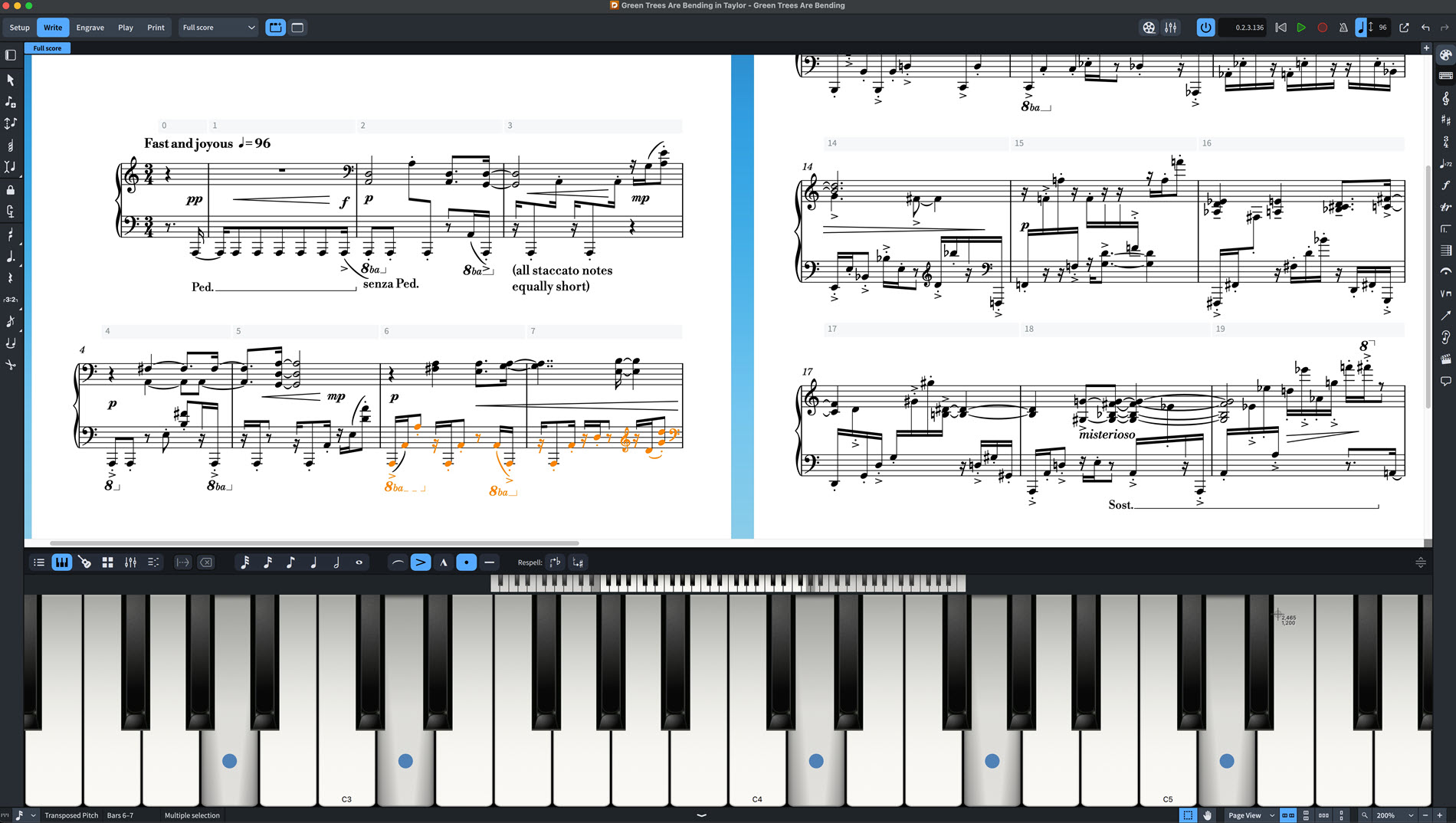

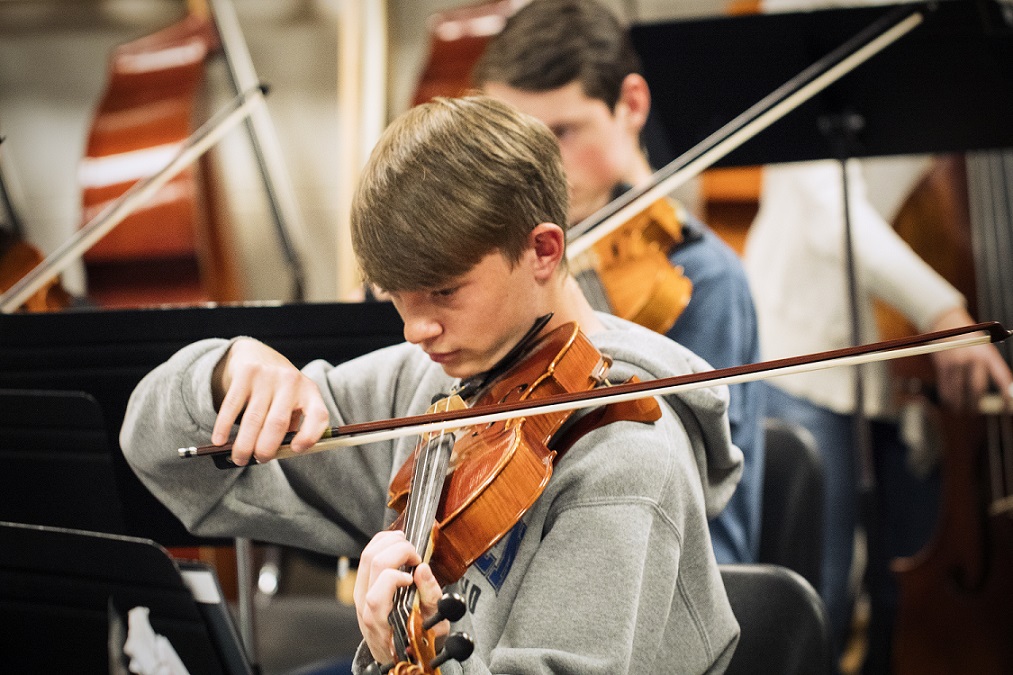 One of the most obvious ways to reach students is through the act of making music. Often, we get stuck in the nuts and bolts of rehearsals or stress of prepping for a concert, but it’s essential to take a step back and make sure to spend time each day when students (and you) revel in the joy of music.
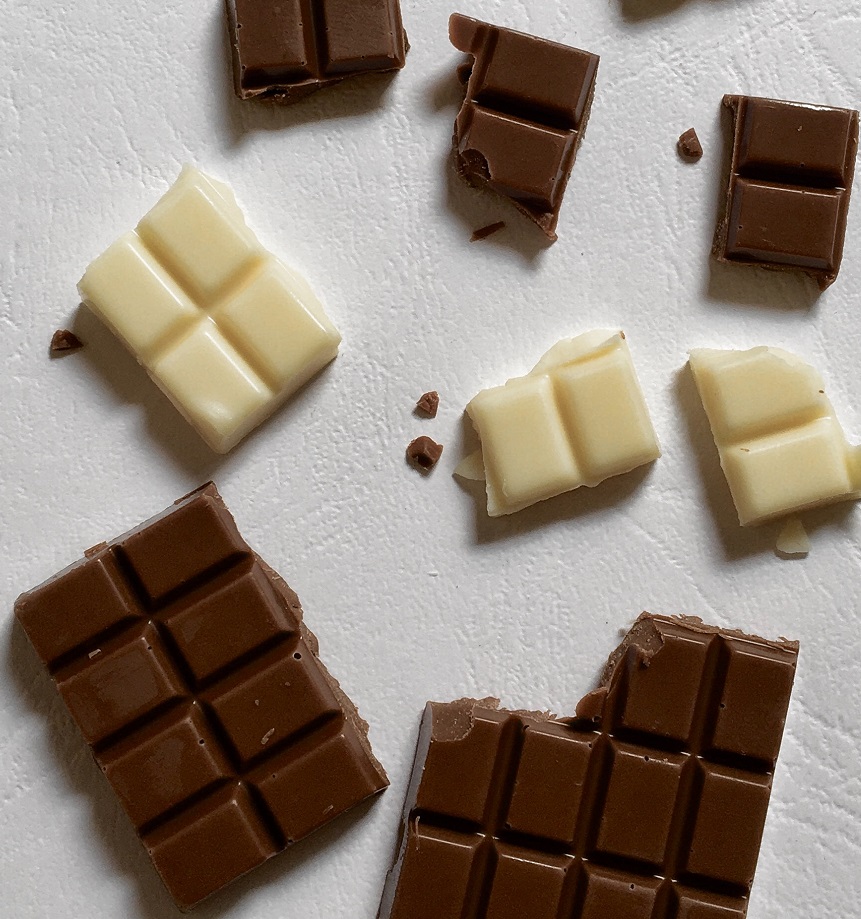 4. Always Have Chocolate
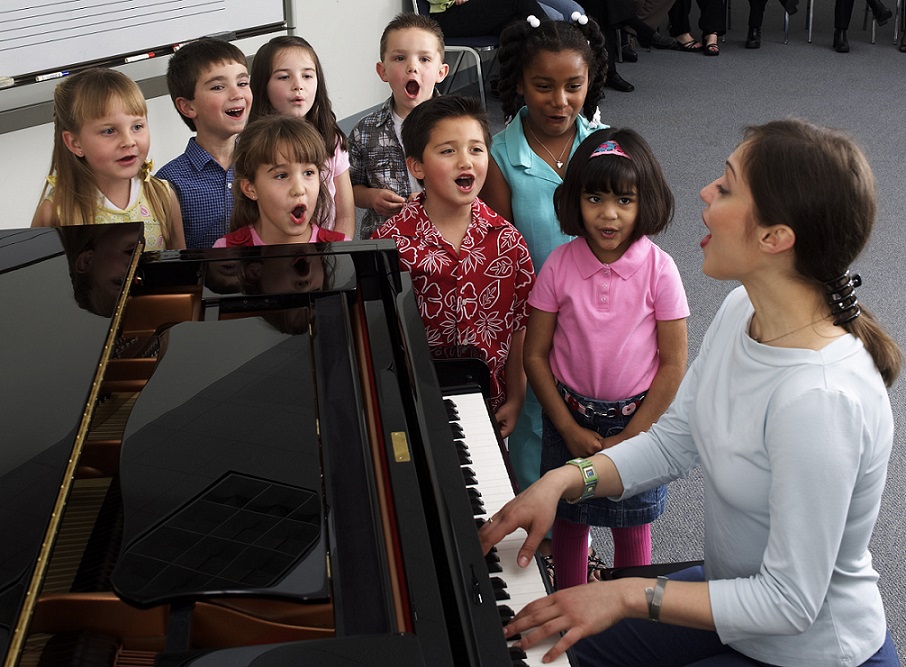 Music educators often need to take a breath and consider the context of a situation. It’s easy during concert season to get caught up in the nitty gritty of the technical aspects of the music or the details of an upcoming performance. As a young teacher, I used to get frustrated at students who forgot their bow tie for our state assessment. But I learned to remind myself that 1) we are all human, 2) there may be important context as to why that student did not have their bow tie, 3) it’s not the end of the world and 4) always pack extra bow ties. These apply during concert season but it’s important to have similar reminders for daily rehearsals.
 There’s a mentality that we have to “get back to normal” now that COVID-19 is abating (fingers crossed). All music educators suffered playing through the pandemic, losing some great players and seeing a reduction in participation. It’s essential to remember that the work you are doing right now each and every day will probably see a return in several years, not in a few weeks. Like the stock market performance over the past 100 years, we need to be visionaries and focus on the next 10, 25 and 100 years of music education.
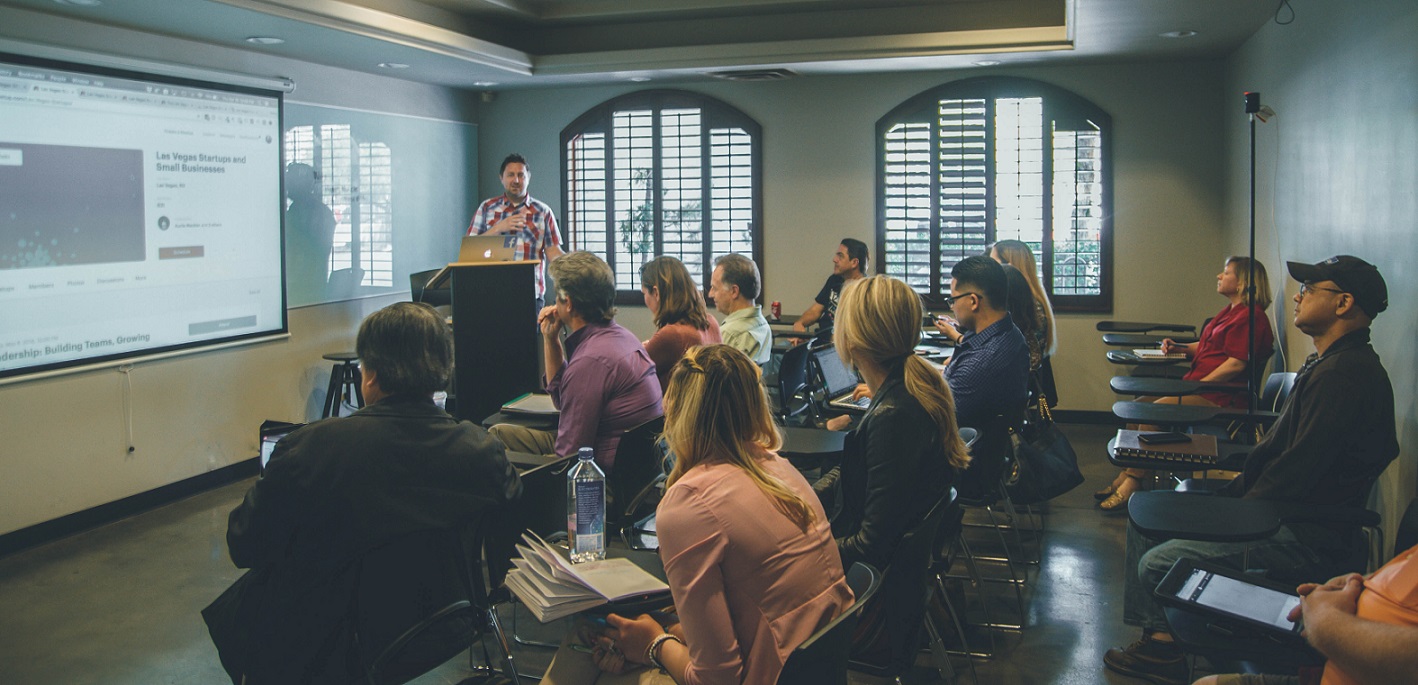 If you have lost some motivation or feel frustrated about your job, you are experiencing a low point — it happens to all of us. This is precisely the time to find some extra time and resources and make an investment for YOURSELF. I recommend taking a professional development class. I teach online classes at VanderCook College of Music, and I assure you that there is a relevant, thought-provoking course for you that will light a fire in your musical soul. Check out
 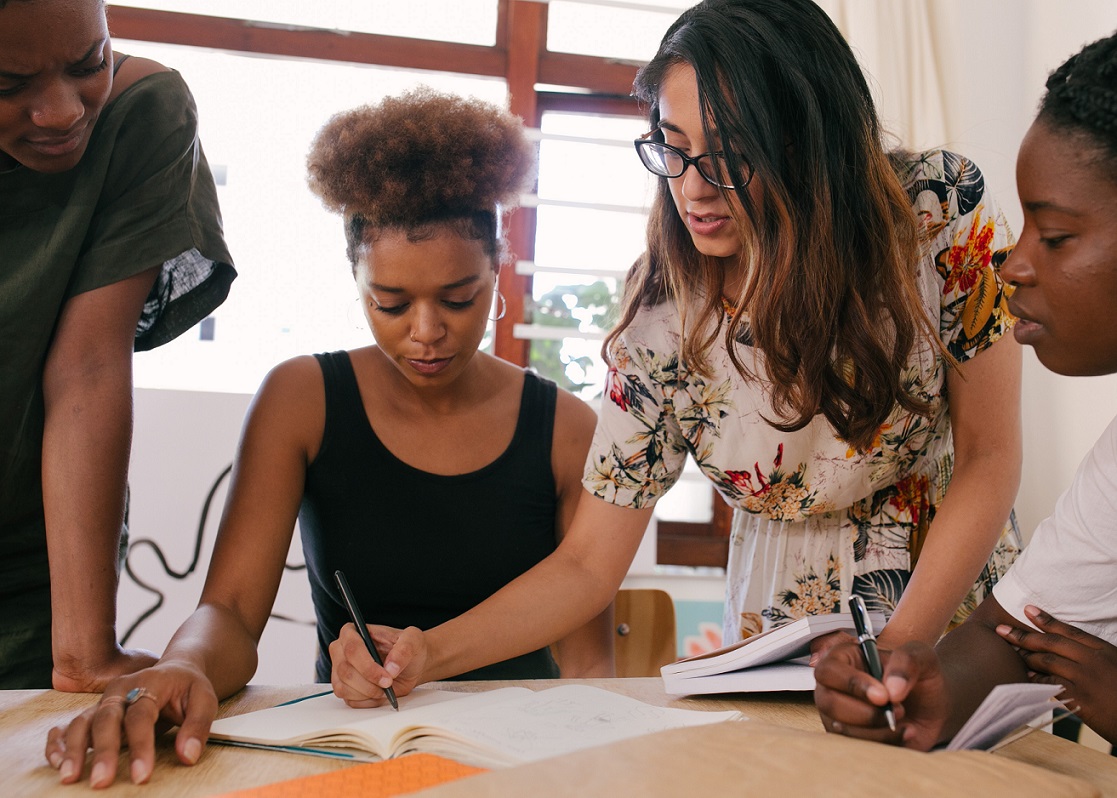 If you feel like you need help in a particular area, don’t be afraid to ask for help. There are countless online groups that you could consult, or you can reach out to your local music educators association. Another great resource is your local music store/supplier who likely knows great people for you to connect with, but you have to ask!



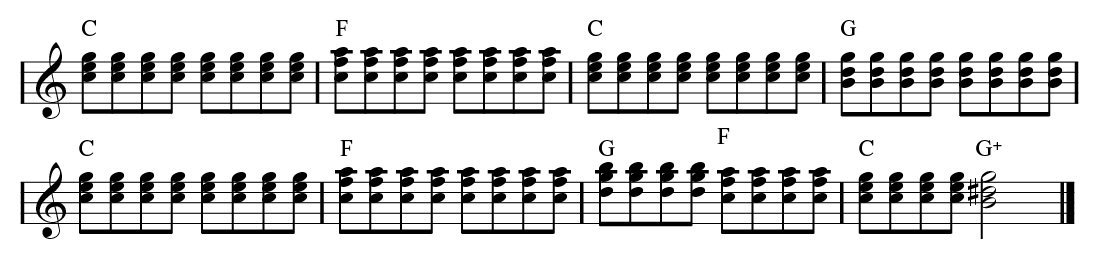
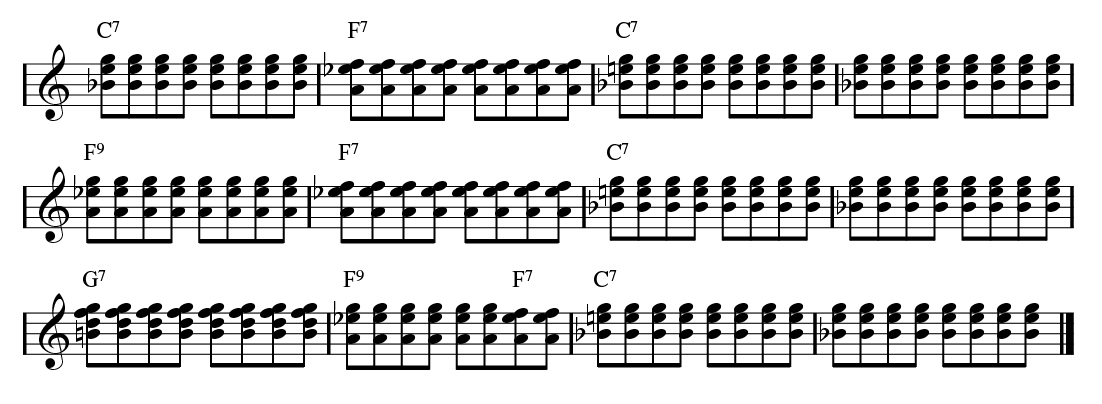
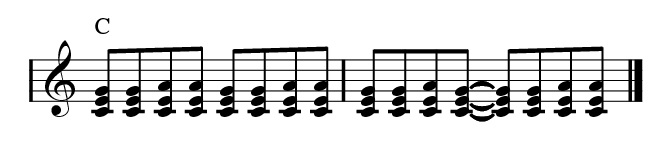




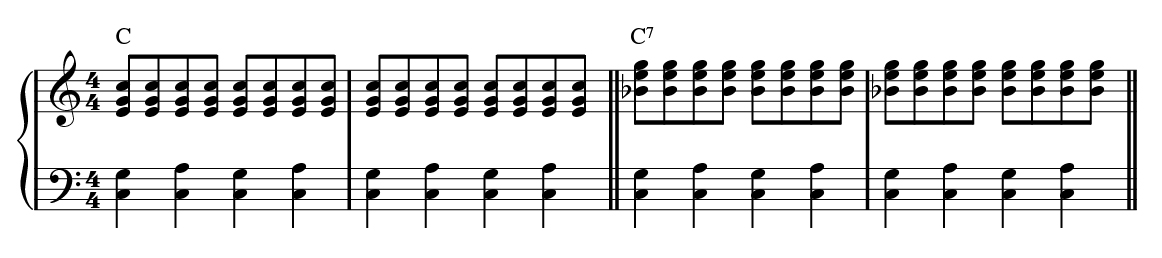
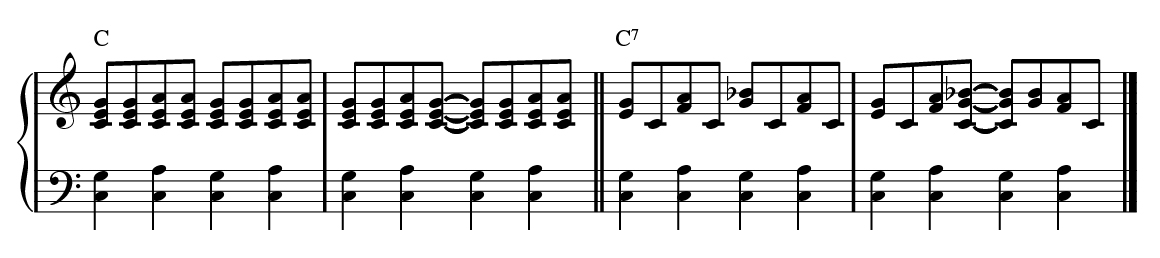
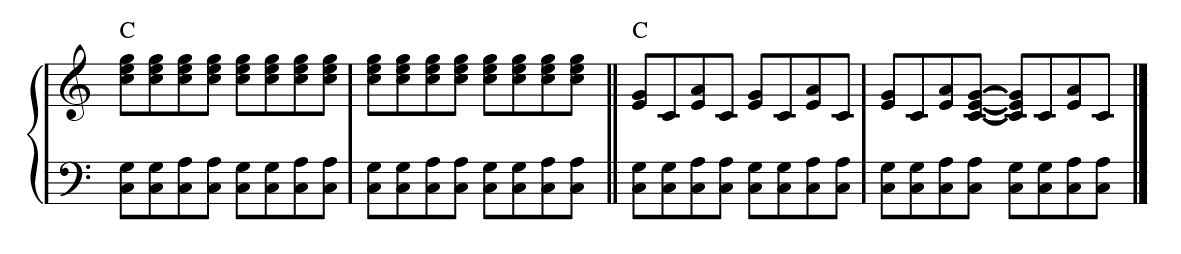
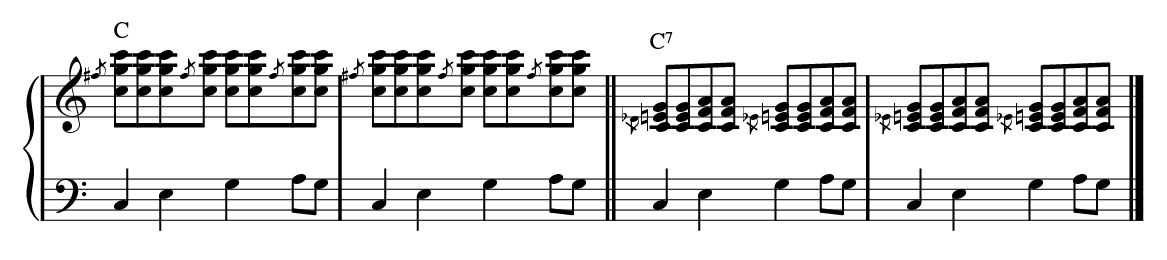


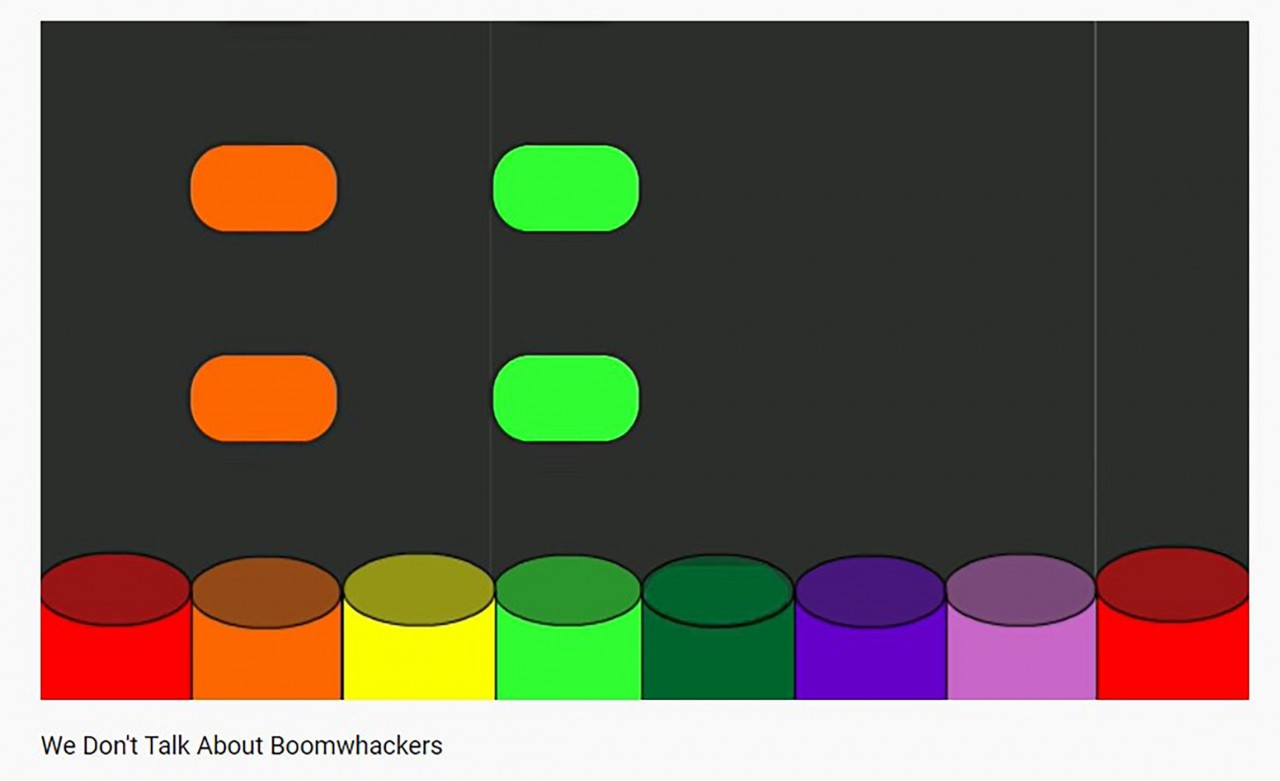 Each mode can be split into left, right or both hands. The grade is presented in a fraction of correct notes over possible notes and is color-coded for quick visual assessment.
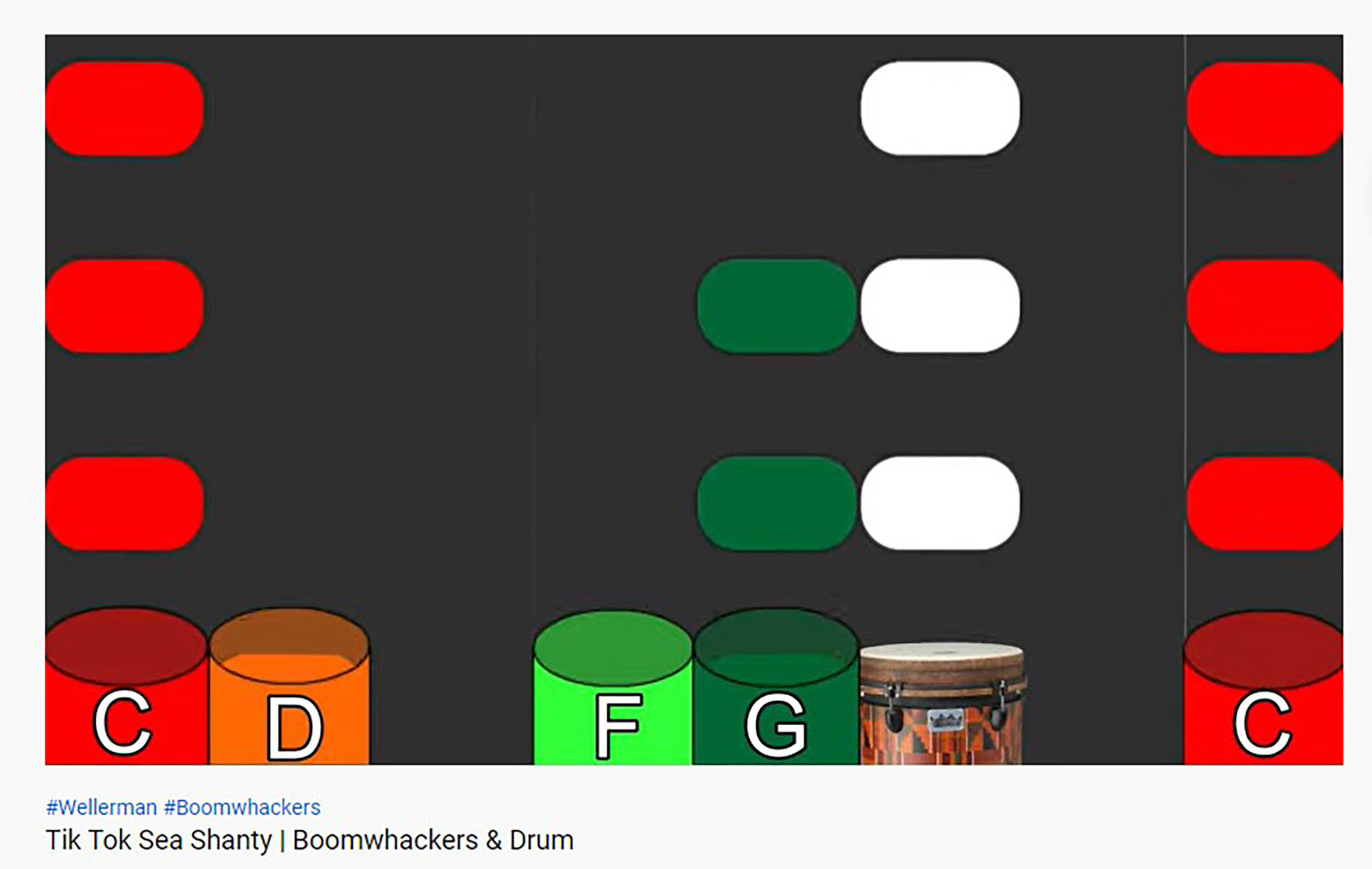 “Free Play” is a great space to explore the labels that Synthesia offers. Students can choose to have the keys on the screen labeled with the note’s letter, solfege (fixed or movable) or scale degree. The same labels can be applied to the moving squares, allowing students to mix and match. A great way to relate fixed Do and letter names would be to have the keys labeled with letters and the moving squares to be labeled with solfege. Students could then explore the relationship in a low-risk environment.
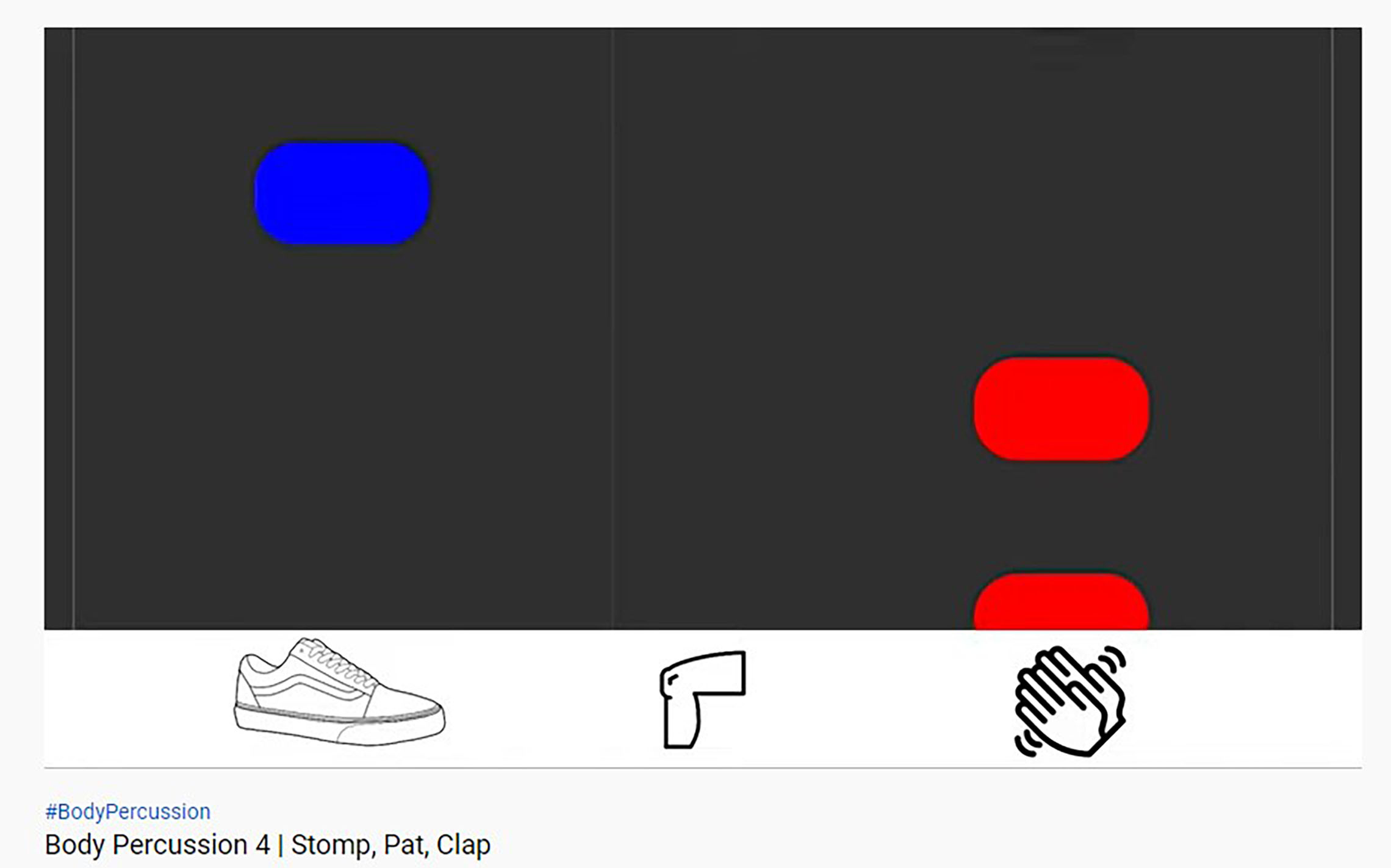 Creating Classroom Play-Along Videos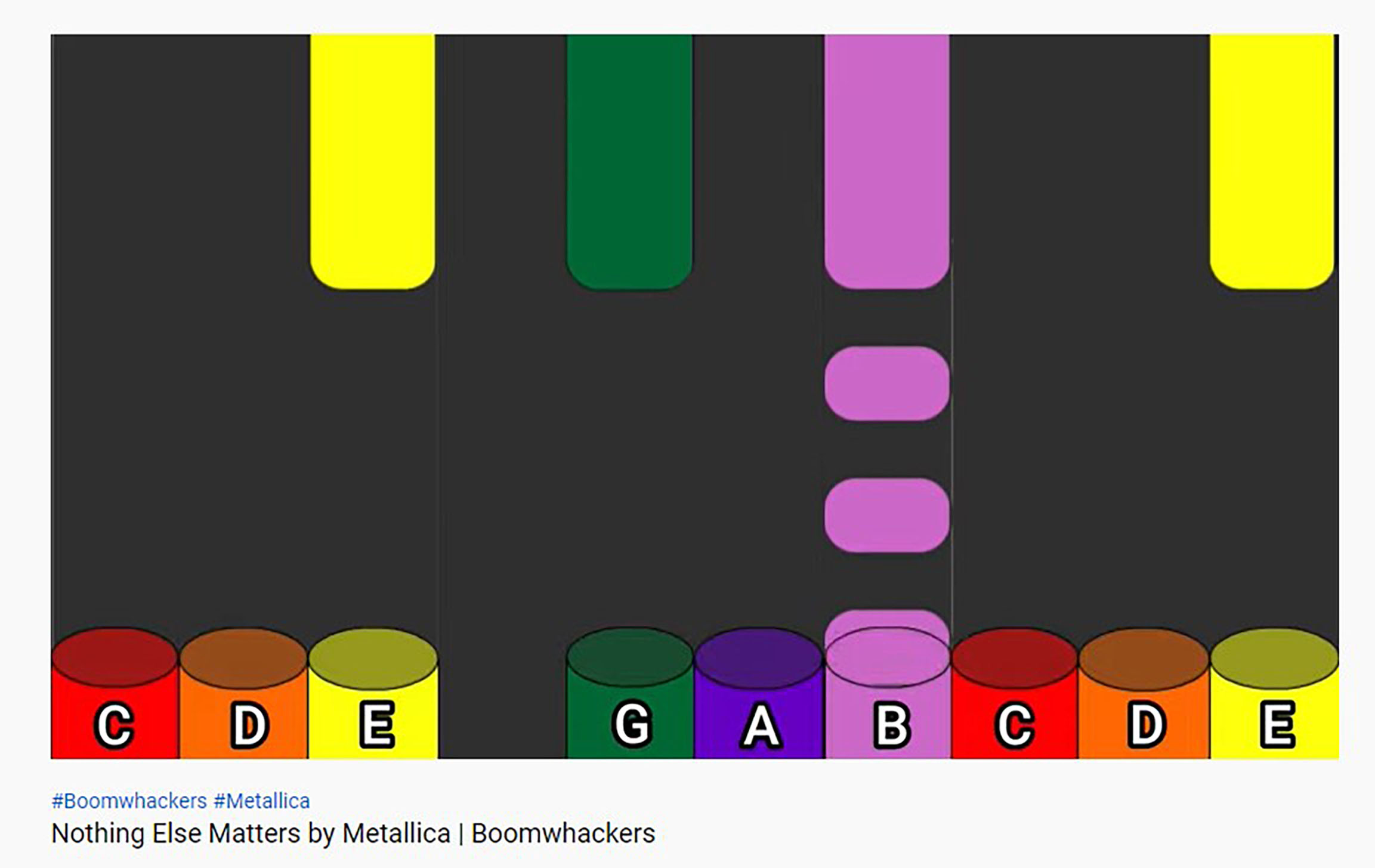


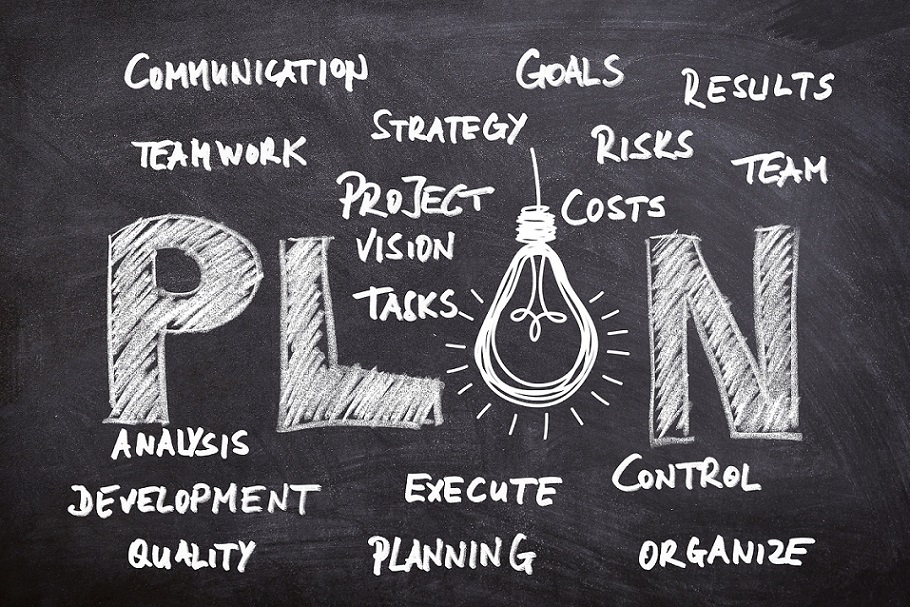 This step takes time to complete. I like using the Goldilocks approach to get it just right. Think of three BIG ideas that can fuel your plan. One way of thinking about this is to go back to your mission. Generally, your mission can be pared down to three or four big ideas. Use those as the backbone for your overarching goals. For me, they are creating great musicians, developing a community within the program and its ensembles, and to serve others through what we do. Written as strategic goals, they read:
 My specialties include communications, financial management, booster club, calendar and facilities, travel arrangements, student leadership and serving as department chair and vertical team lead.
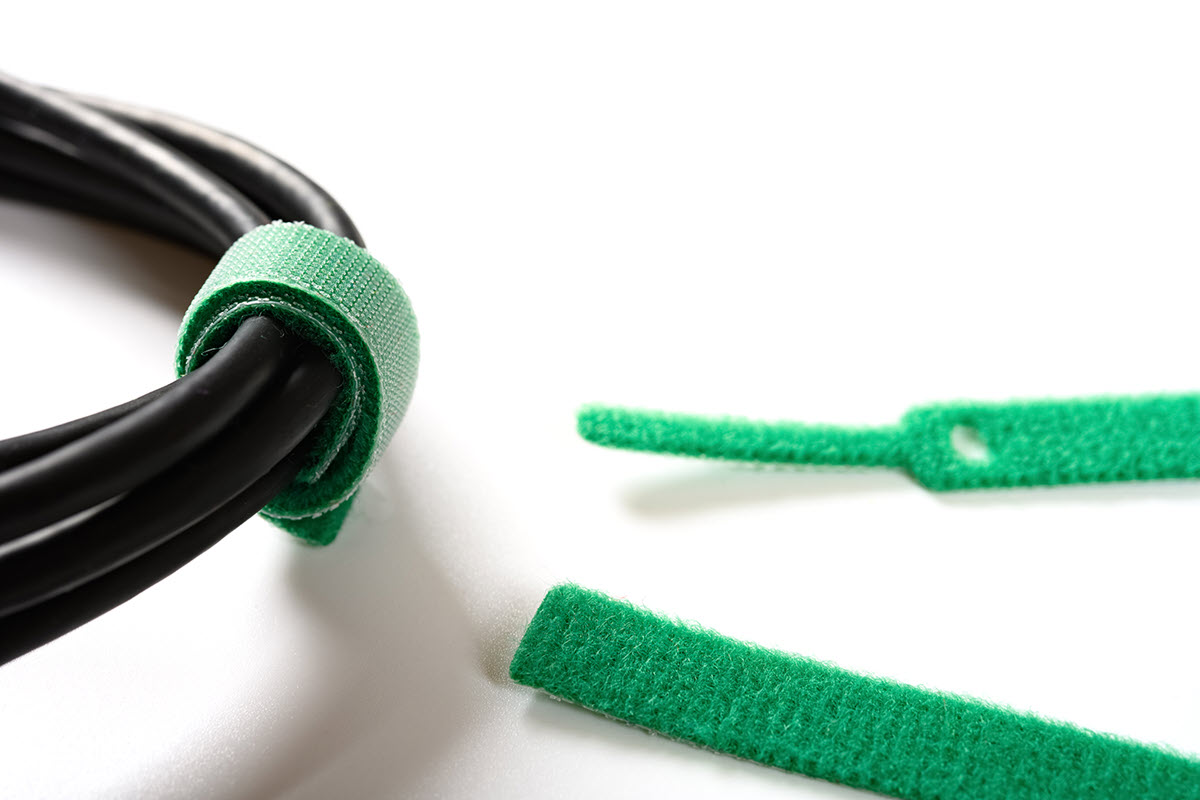
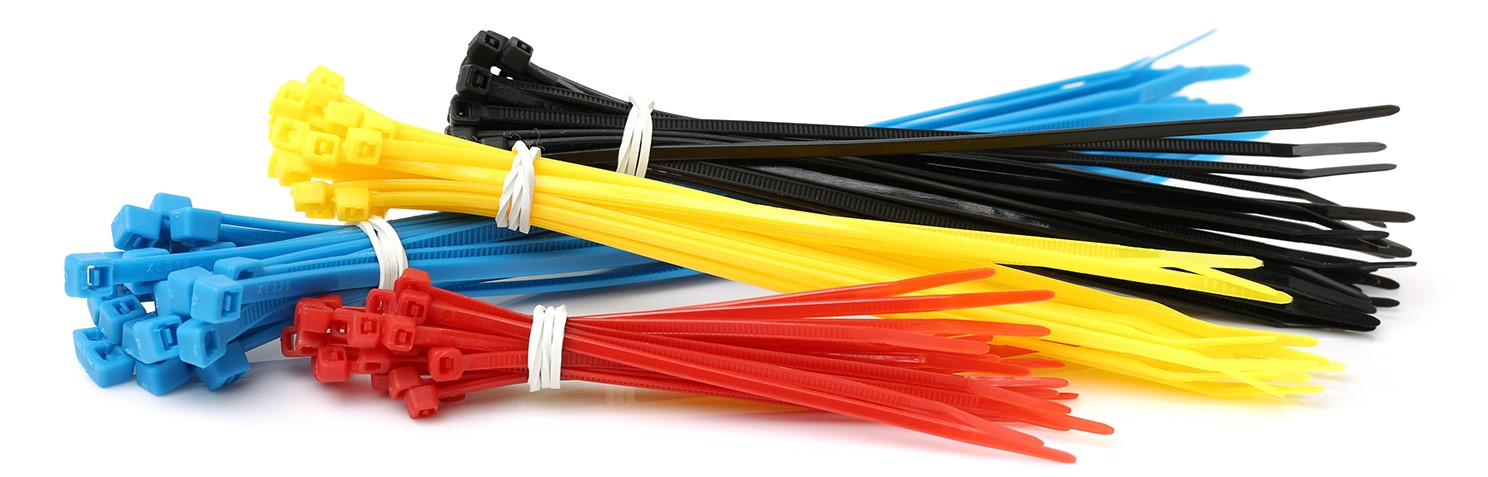


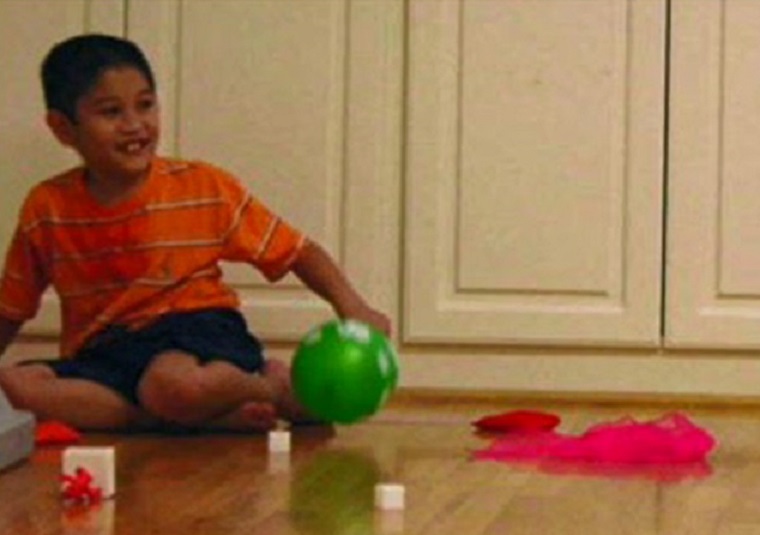 I first became familiar with
 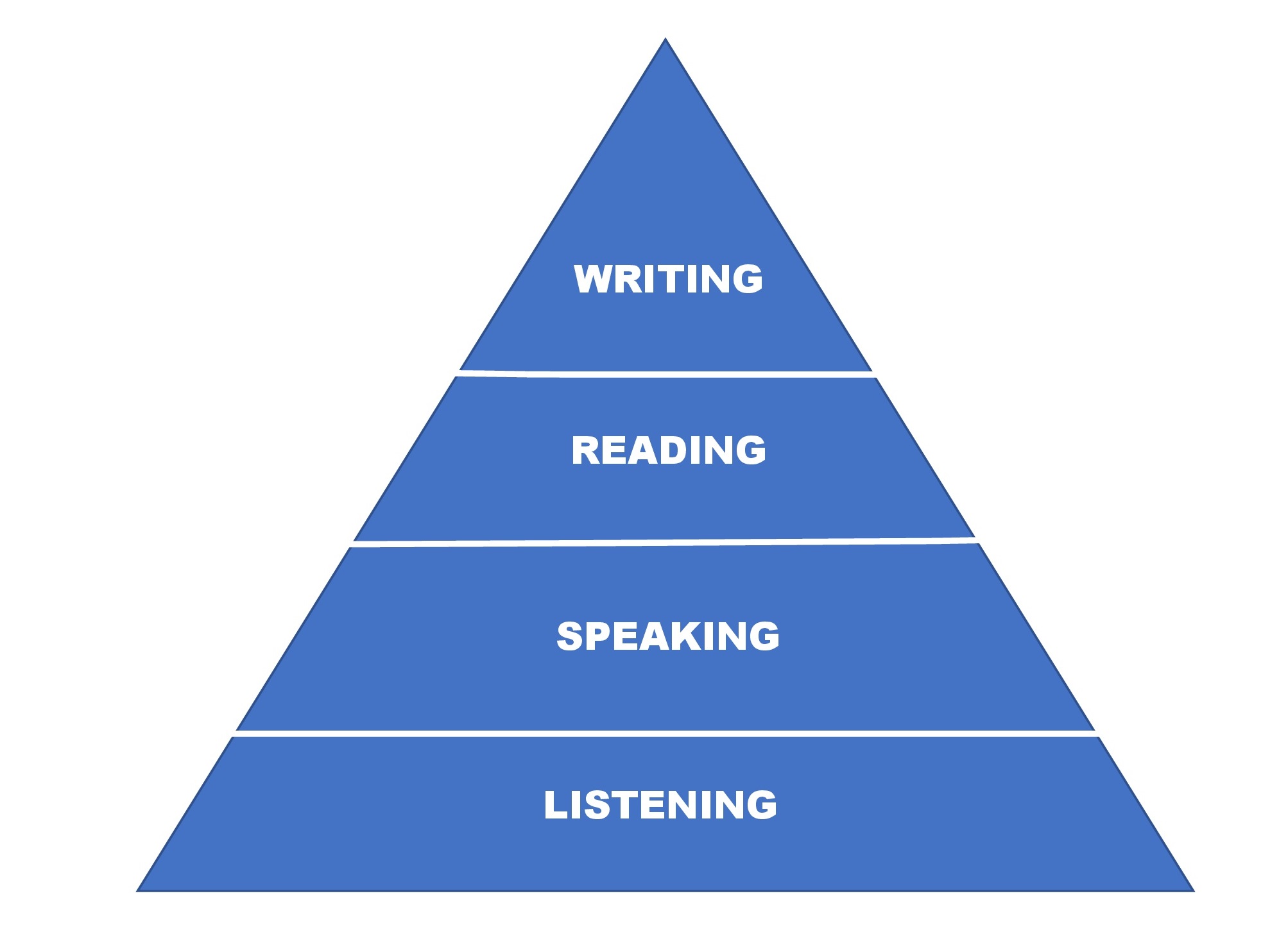 Let’s think about how children learn language. First, they absorb through listening then they babble — nonsense syllables at first and then slowly, through imitation, a real word or two start to emerge. Even when the sounds are unclear, adults or older children give clarity and meaning to those words. Words turn into sentences, and soon, the child is thinking fully through language and holding conversations with other people. After years of practicing how to listen and talk, we then teach the child how to read and write.
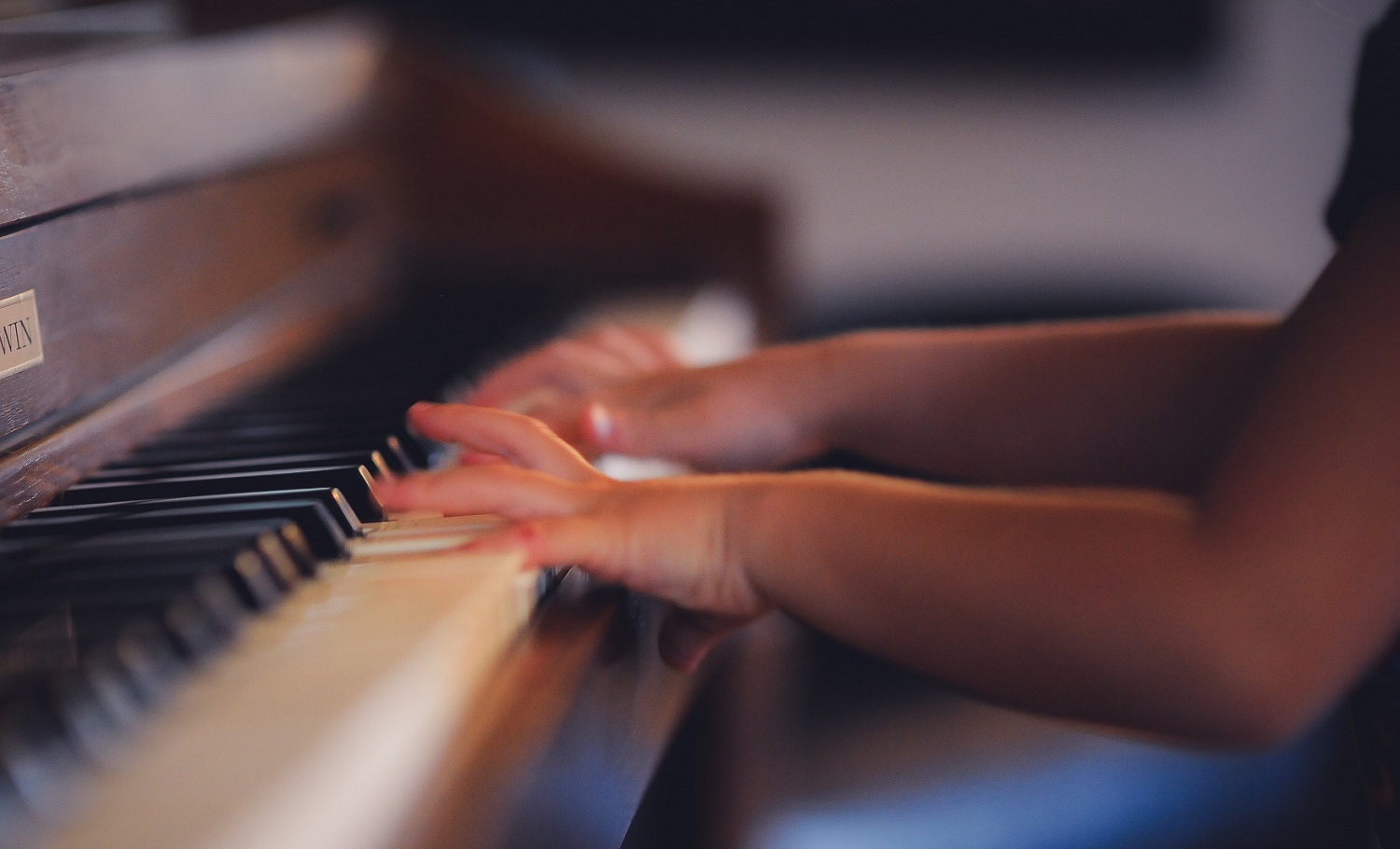 Next, I give my students a chance to babble or talk on their own and improvise at the piano in 3/4 meter. I will keep the parameters simple: Put both hands on a D pentascale and improvise a piece in 3/4. I usually allow students to play on their own before I add an accompaniment pattern. Again, if my students stay in 3/4, I know they understand and are audiating triple meter. If they are struggling to play with consistent macro- and microbeats, we will spend more time listening and moving.

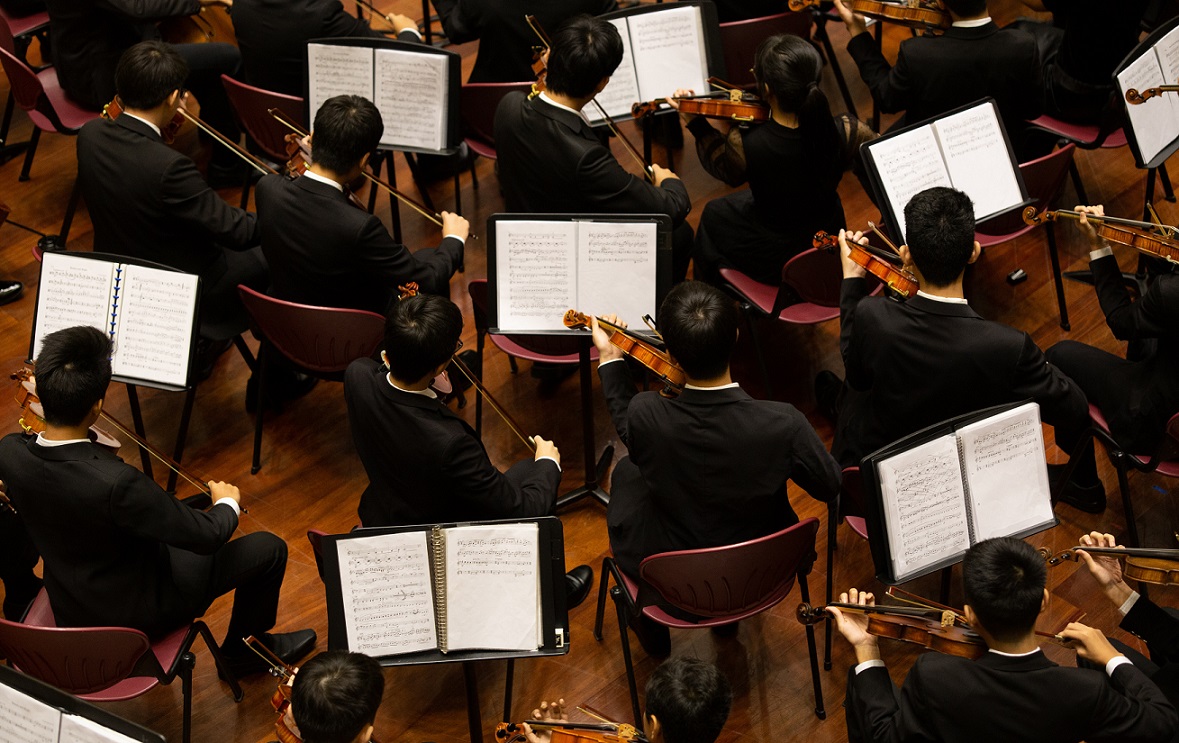 Experimental music will excite the audience in ways that classical-era pieces simply can’t: My dad isn’t the biggest fan of classical music. So, when one of my ensembles put on a spooky modern Halloween concert instead of a traditional concert with “
 This piece by
  As I mentioned earlier, I didn’t stumble upon “