Case Study: Implementing Student-Led Backward Planning
For several years, I have taken the curriculum planning and classroom management approach of backward planning and modified it to a pedagogical approach for percussion students in grades 6 through 12 within the Wakeland High School cluster in Frisco, Texas.
Backward planning can be utilized to organize instructional experiences and highlight expected goals to produce planned outcomes toward major events such as ensemble concerts, solo performances and many other shows. Using this approach, I have had the opportunity to teach students how to practice efficiently and set realistic timelines for themselves and within their ensembles. With modifications along the way and through numerous successes and failures, I believe that we have found our groove.
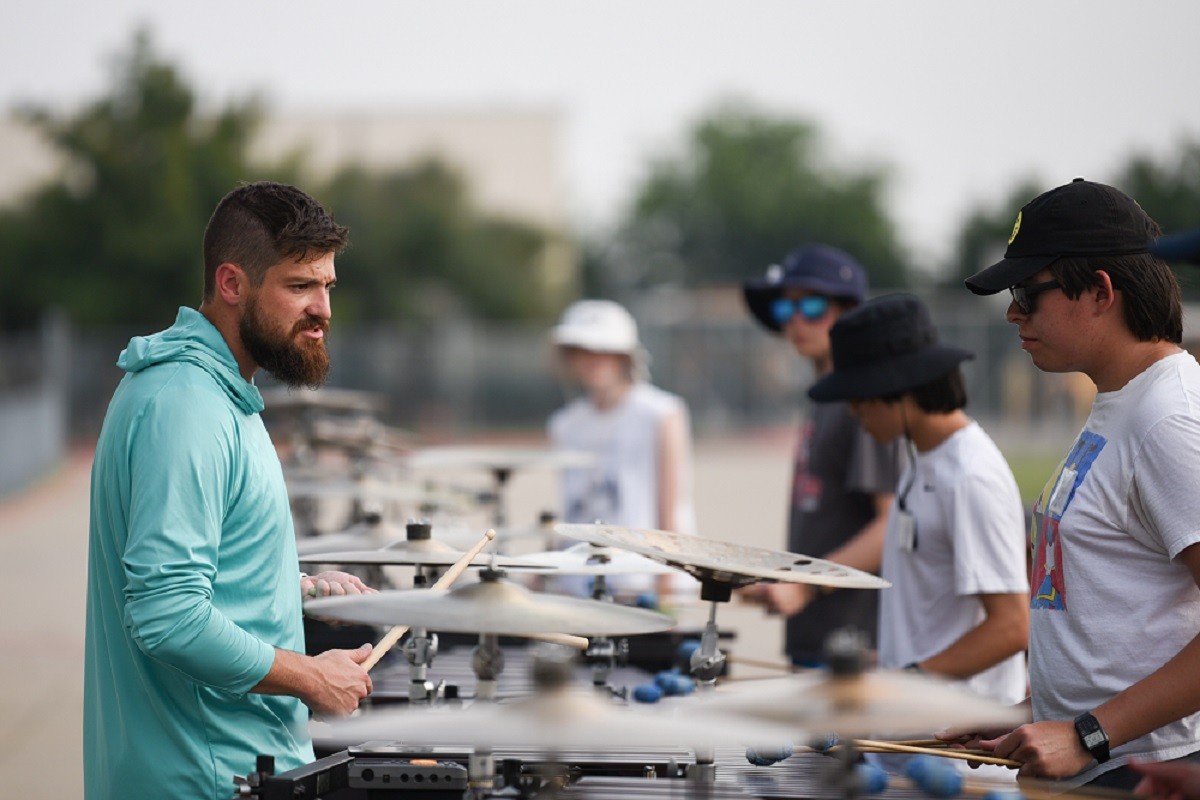
What is Backward Planning?
As educators, we are constantly setting goals, adjusting expectations and formulating inventive solutions to the unique challenges we set for our students. With backward planning, we start at the end of a process — for example, a performance — and retroactively apply benchmarks to certain dates leading up to that final performance. The most common benchmark would be to have the notes to a specific piece of music learned by a specific date, allowing for flex time before the performance to fine-tune dynamic approach and musical interpretation, which can become their own benchmarks.
When these benchmarks are accurately communicated, students will agree on what the outcome of the final performance will be — such as memorizing a piece or submitting the piece for festivals and competitions — and the teacher maintains this expectation. This process works well for many students but, unfortunately, not for the entire ensemble.
I found that even after setting benchmark expectations and having clearly communicated the performance date to the students, there was still a disconnect among some students, who were still scrambling in the final week to pull it all together. This caused the ensemble as a whole to miss reaching its full potential.
I tried to figure out what was causing this disconnect. After observing the behaviors of student groups from numerous grades and ability levels, I discovered that the majority of students did not know how to adequately practice. To address this, I decided to have students apply the process of backward planning to their practicing and take ownership in their learning. Essentially, the students mapped out their music goals first and then created individual practice plans, which helped encourage those students who had difficulty in starting a project by motivating them and allowing them to have a clear picture of what the end result would look like. Once students learned how to practice correctly through backward planning, many commented that they wish they had learned this skill earlier to be more successful.
Currently, I am the percussion director for the Wakeland High School cluster, and in this position, I have a direct impact on the way percussion curriculum is presented to a variety of ability levels, from middle school beginners through graduating seniors. I was afforded the unique opportunity to experiment on how to teach students backward planning as well as determine what students required from me and my staff to make this a successful approach to learning.
Beginning Backward Planning with Beginners
My staff and I decided to introduce the concept of backward planning to our beginner middle school percussion class where only one instrument is taught at a time. Because new techniques and rhythms are presented to the class several times throughout the year, we thought this group would be the easiest to work with to modify and fine-tune the process of backward planning. To establish a baseline, we decided to see what changes were having a positive or negative effect and to ultimately determine what was working and what wasn’t.
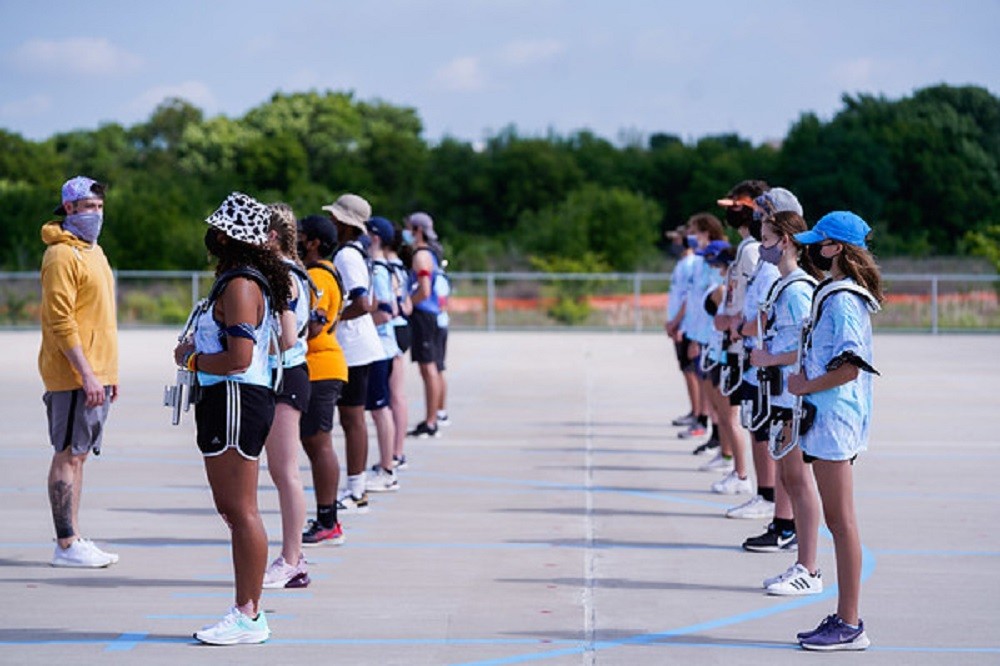 Our initial step was to have students learn a short etude that was well within their ability level for a pass-off due on a certain date. We told the students that they collectively had to decide benchmark dates prior to the due date and how much of the etude needed to be learned and performed by those benchmarks. This is where we left it as we wanted the ownership of their backward planning to be solely on them.
The first benchmark arrived, and the class played up to the predetermined measure. We found that some students had prepared to the noted measure, some had learned the entire etude, and some had not even started. Had this been an ensemble setting, this variation in preparation would have caused the pace of rehearsal to suffer and increased the likelihood that those who had done the work becoming frustrated with those who had not. It seemed that letting students set their own benchmarks and take ownership of their individual learning did not fix our issue of inadequate preparation.
We modified the process and added reminders for students to practice every day and provided information on what they should be practicing. Even with this change, many students still only practiced the night before, much like cramming for a science or math test, complete with a stressful performance the next day. There was still a disconnect in how students were preparing to perform.
After a few more attempts, we were still struggling to have adequate preparation for the entire class. That’s when we decided to have students define more than just a benchmark on what they were preparing. At this point, everything had been covered previously — in other words, there were no new concepts or techniques. Because of this, before they picked up their instruments, we had students go through the music and make note of what they already knew. By going through the music first, students were better prepared to not only set benchmarks, but to plan their practices. Essentially, the students went through the music much like a director would a score for an ensemble, which enabled them to think through the entire etude in order to properly backward plan.
After implementing this change, we saw a noticeable increase in productive practice and stronger benchmark performances overall! Students spent less time in a practice room and more time playing in the classroom, and they actually pushed the pace of the class forward. Eventually, my staff and I put together an example of the etude — through recordings or demonstrations — while students studied the etude. Afterward, we saw an even greater increase in overall participation and preparation and an improvement in performance.
Advancing Backward Planning to the High School Level
We took what we learned with the beginning class and applied it to the high school level, seamlessly incorporating the process of teaching how to effectively practice by utilizing backward planning. The only difference between ensembles was the length and difficulty of what students were preparing.
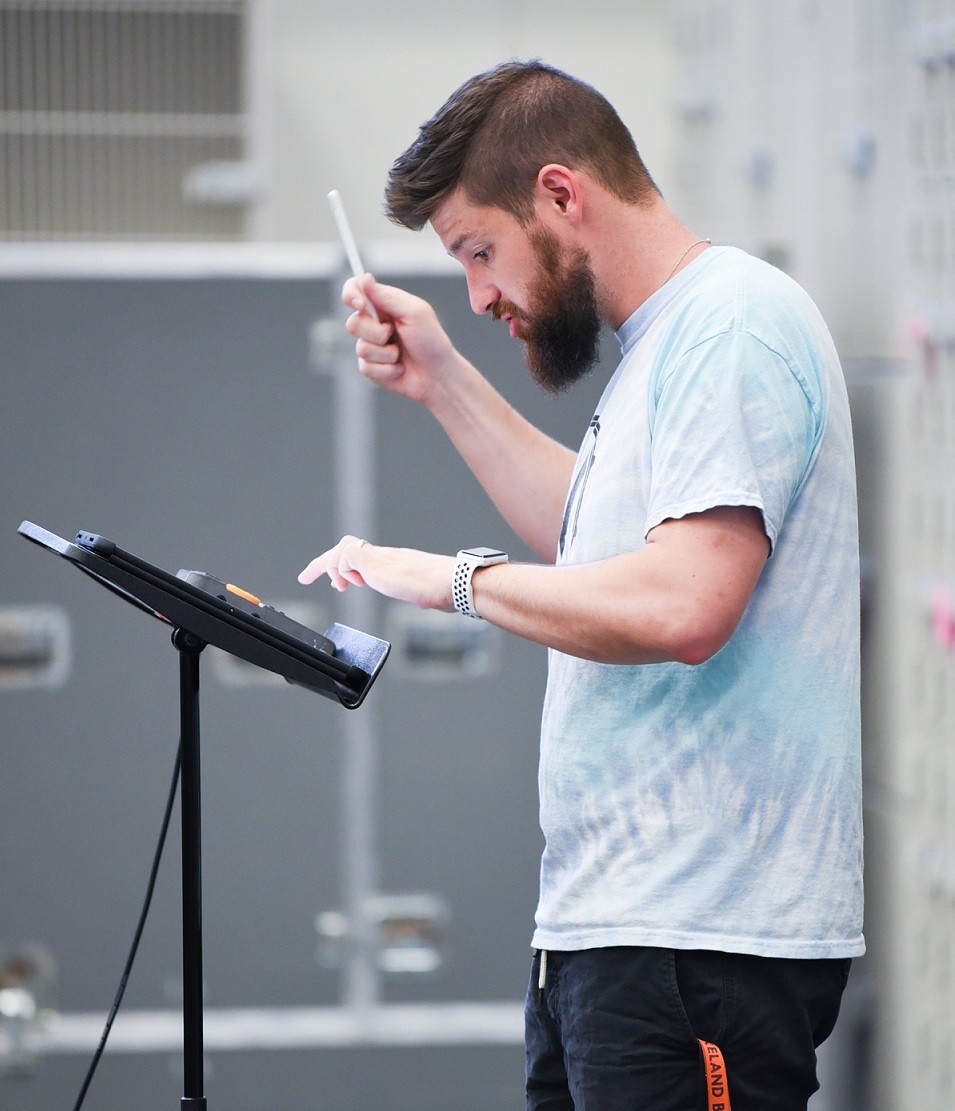 Students at the higher level had not necessarily been taught how to practice, but they were achieving at an adequate level solely because of the overall time they spent on their instrument. Students were mindlessly practicing by repping a piece over and over again until they, by pure repetition, memorized the music — oftentimes with errors and limited musicality.
With backward planning, students first focused on the end result by studying and listening to the music, and then visualizing what the final performance would be. We saw a similar result to the beginner class — the high school students were spending less time in a practice room but were achieving at a higher level. Many students also said that they had more satisfaction after their practice sessions because of how productive they were.
I will be excited when the beginners who started on the backward planning process in middle school advance to high school. What parts of the process stayed with students through the years? What, if anything, has changed?
Every year, we are faced with new challenges and opportunities to modify our backward planning approach. As teachers, we must constantly adapt and meet our students where they are to help build them up as performers and valuable members of our ensembles.






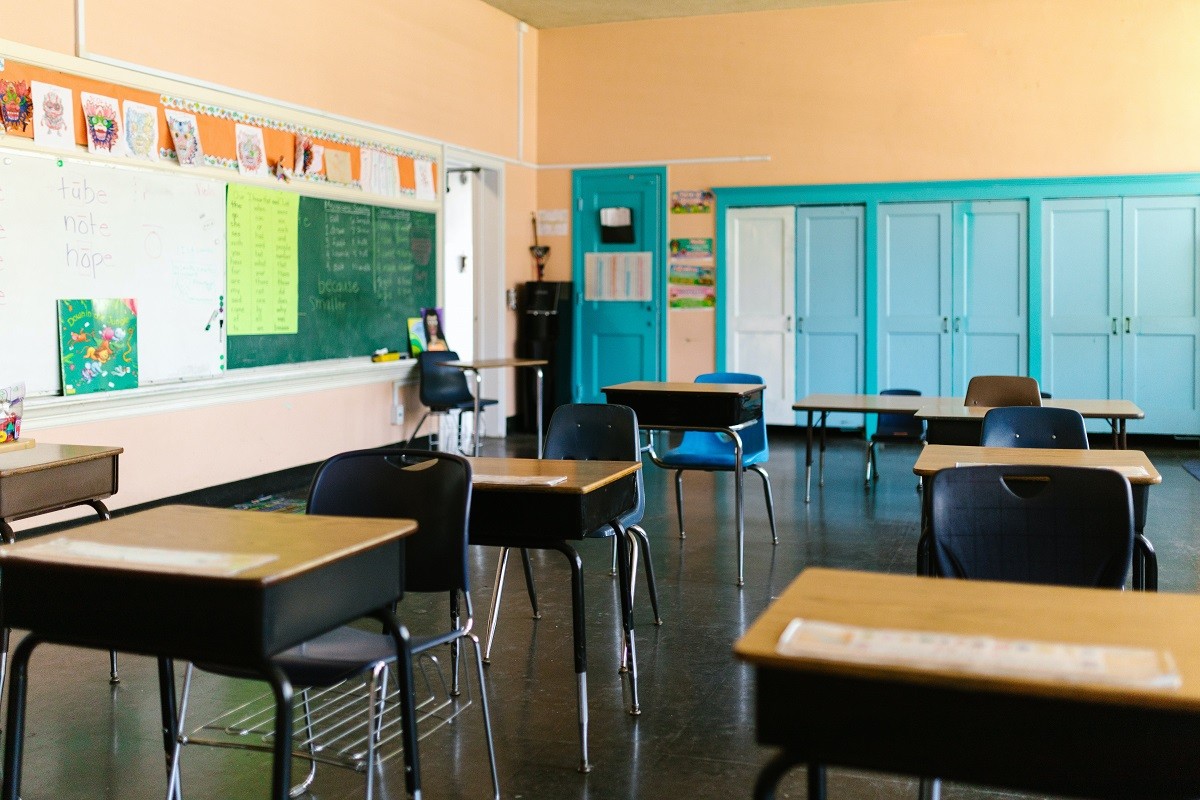
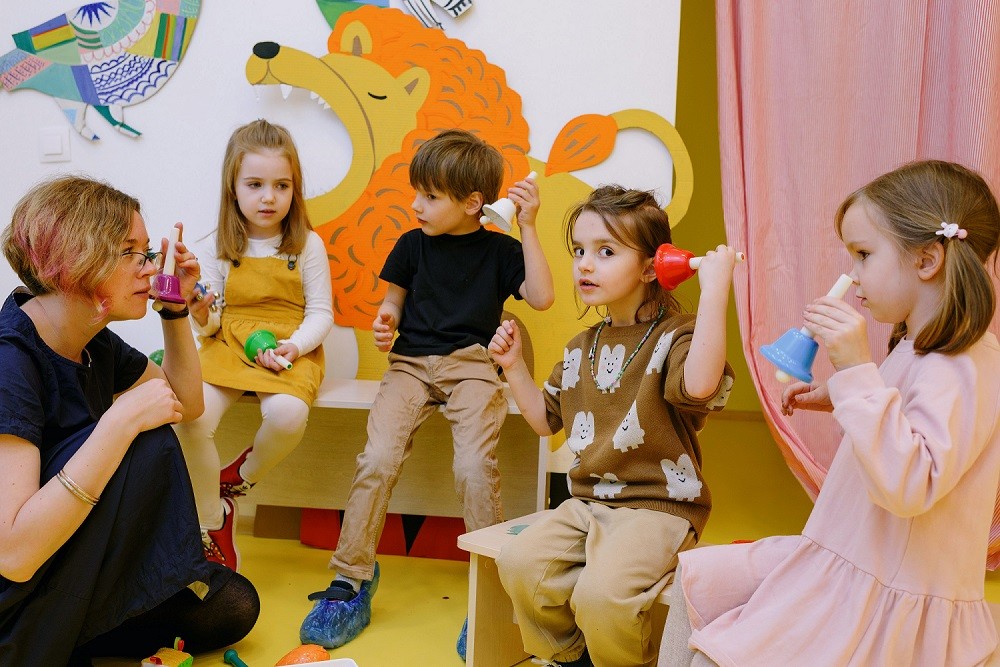 Direct parents into your new classroom: Parents tend to bypass “Specials” classrooms like music during after-school events. At my first open house, I greeted a few parents toward the beginning, then nobody came to my classroom for the next three hours. Yikes! If you’re new, do a bit of advertising. Make a poster with your name and subject on it and add a few bells and whistles like ribbons and bright colors. Maybe even play a little bit of soft music to make your room more welcoming. You’re going to want to meet your students’ families long before the musical or (even worse) the end of the grading period.
 4. Build Rapport with Students



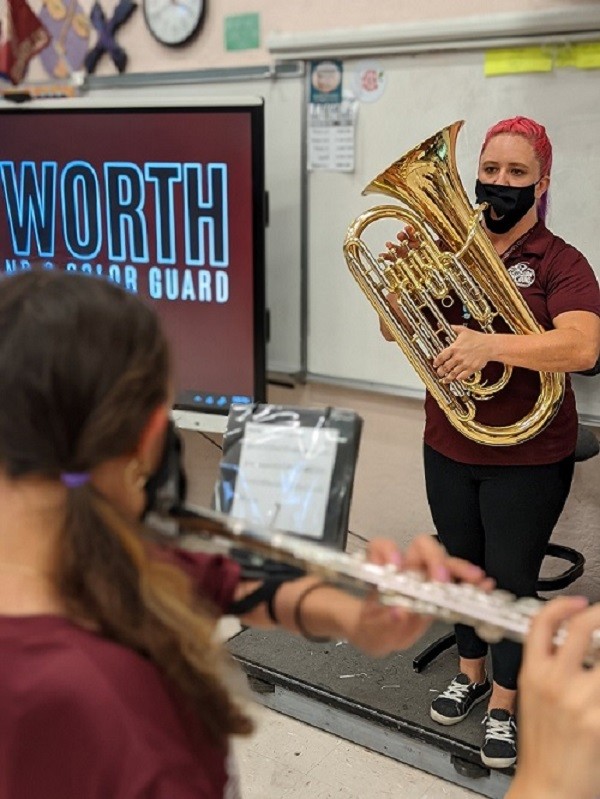
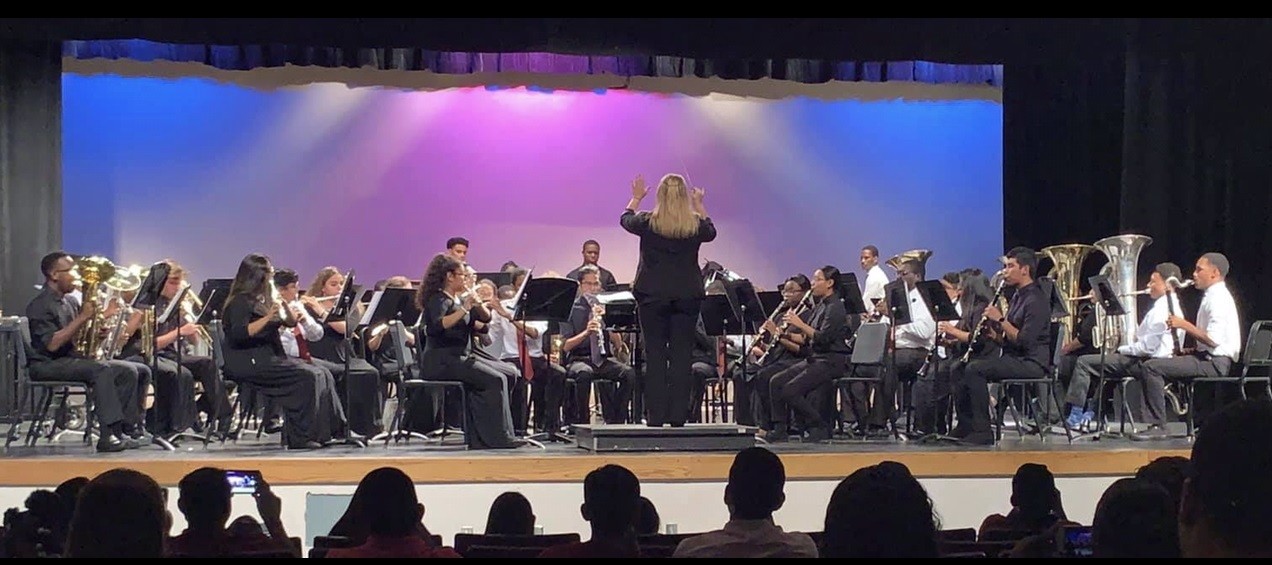 When Cox noticed a high staff turnover, poor retention and low skill levels in the middle school band program from her five feeder schools, Cox recruited her students involved with the
 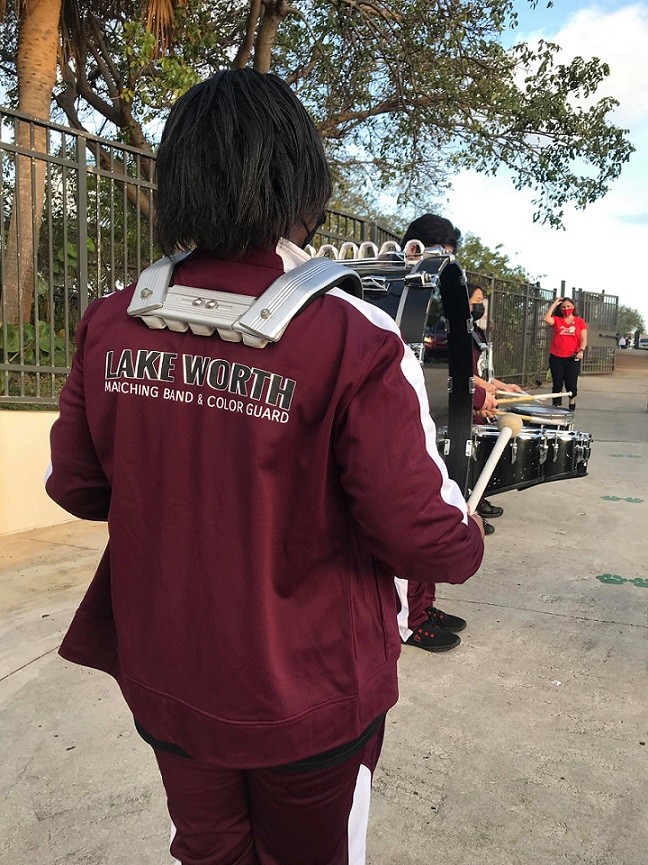 In addition, with her background teaching general elementary music prior to becoming director at Lake Worth, Cox regularly goes to the elementary schools. Because the closest elementary school is within walking distance, Cox brings her high school musicians to perform there several times a year. The drumline plays on the first day of school as buses arrive; a pep band performs during the elementary school’s Halloween parade; and band students also host a standardized testing pep rally.
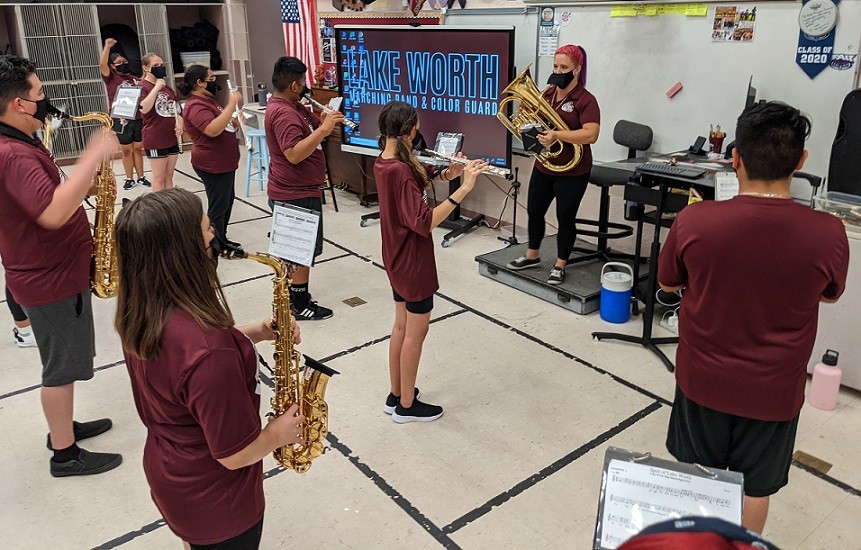 After a few years at Lake Worth, Cox had noticed that students were joining high school band as freshmen, sophomores and juniors, and then quitting. “It was a cultural norm for kids to go to work and support the family,” Cox says. “It’s been a challenge to teach the kids that band is a four-year thing.”














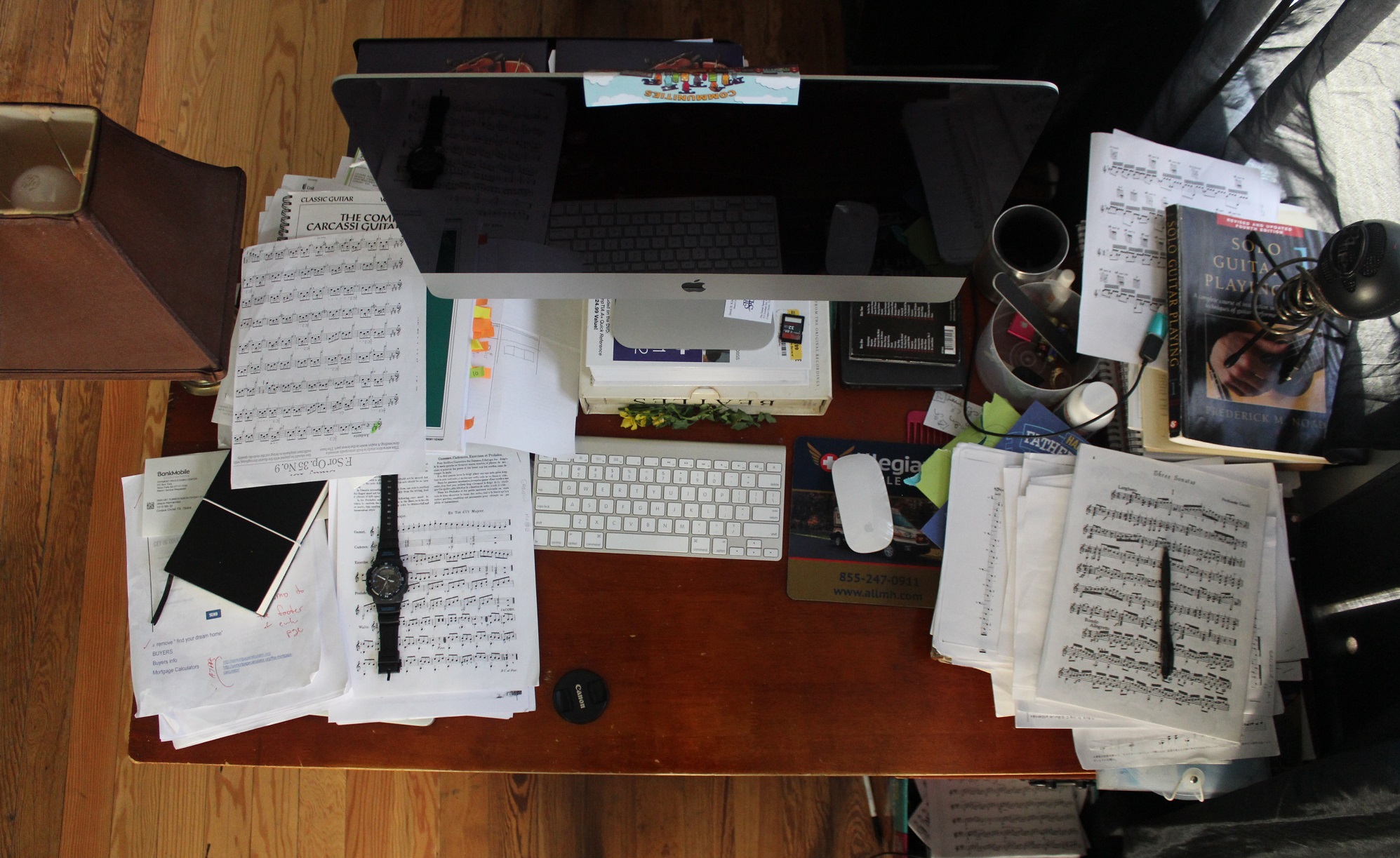 It was impossible to do the necessary legwork during the school year, so my husband, Kris Antonetti, and I worked in the buildings during the summer when the air conditioning was not turned on. At the time, we only had desktop computers — no laptops or tablets — so we started in the hot storage room, writing down instrument model numbers and serial numbers on a yellow legal pad. Then we went back to my office to input this information on my computer. We spent hours doing this.
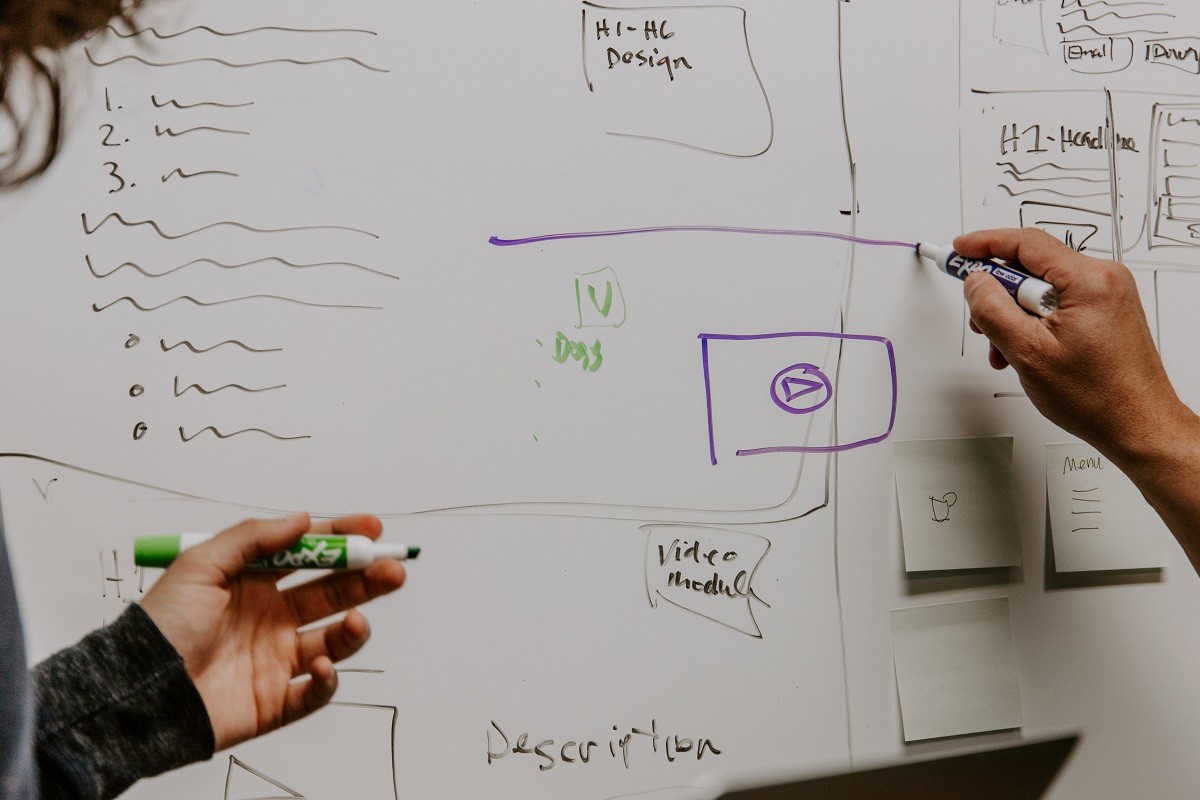 We started with the problems I faced and then gathered ideas from other directors to see what was needed most. Many of our music education friends faced similar challenges in their classrooms. We wanted to focus on the inventory aspect of organization, so we started developing instrument and uniform management as well as the ability to check these items out to students and to organize students into ensembles.
 We met with Dave Gnojek, the associate design director at

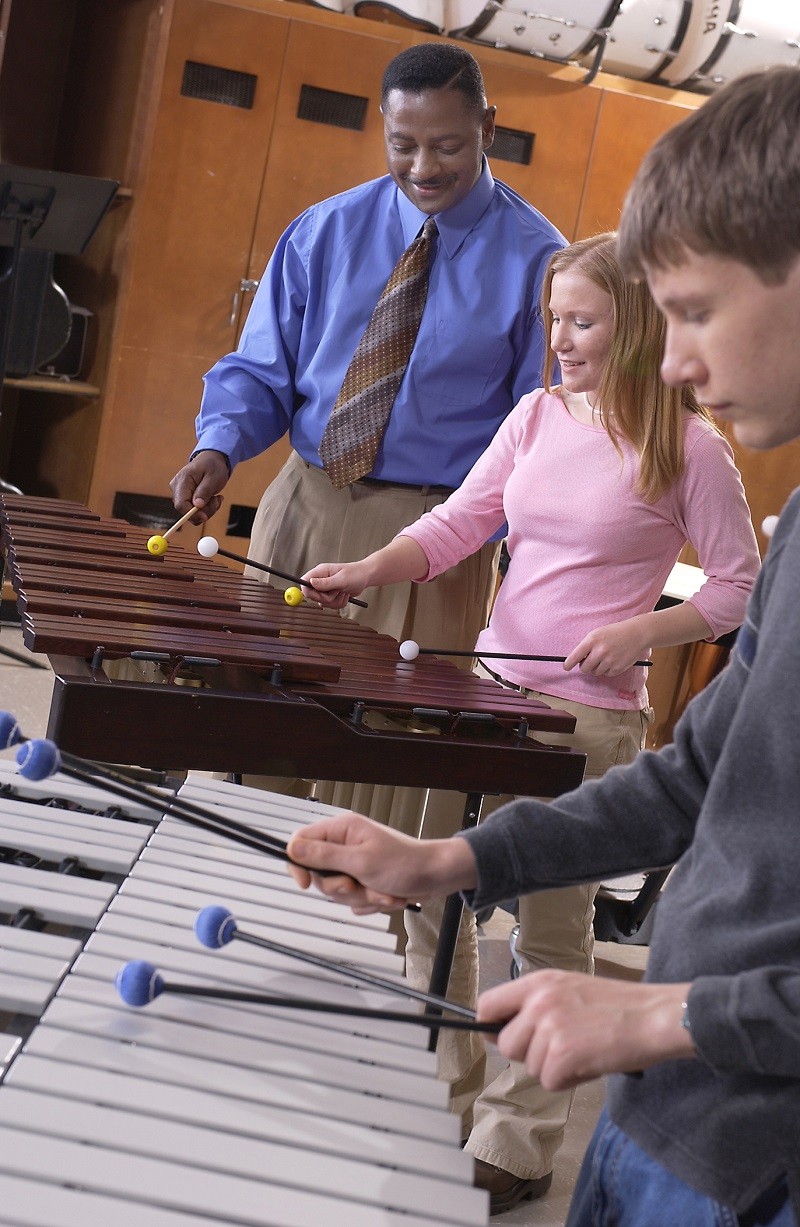 Fix It: Mallet Placement and Equal Right-to-Left-Hand Involvement

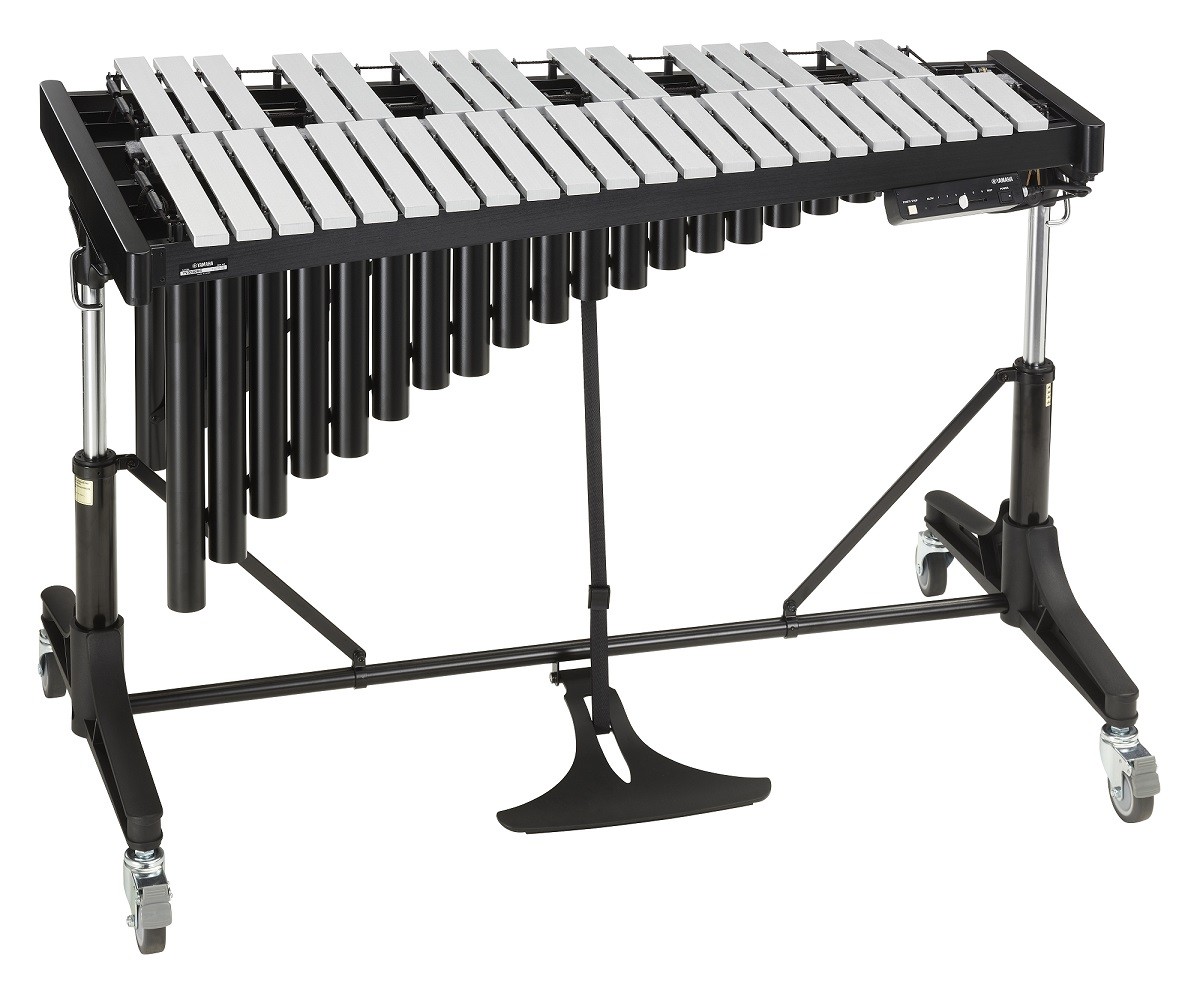



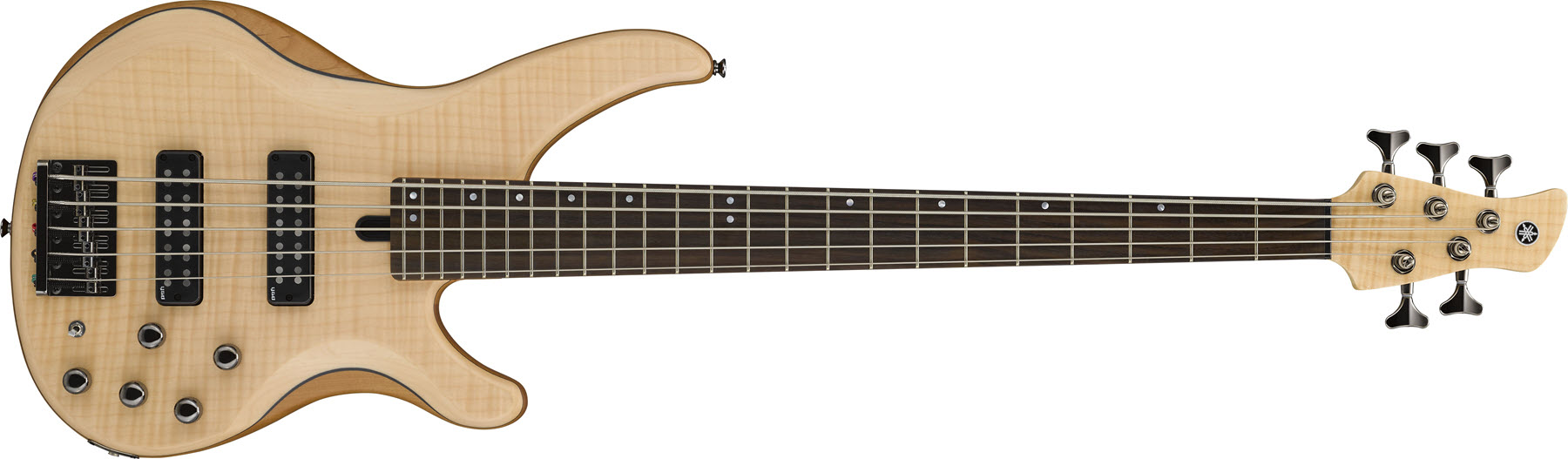



 Populations in rural communities tend to be stable. Many of your colleagues and your students have years of community and institutional knowledge. Many students have had the same educator group since kindergarten. They will be curious about you, and the more comfortable you are answering their questions, the more successful you will be. I start every year at





 The Happiness Mix Project
 Once students can tell a sad song from a scary song from a happy song, he says, “I would say, let’s recognize we can use songs to feel better when we feel sad, and start asking the ‘why’ questions.”











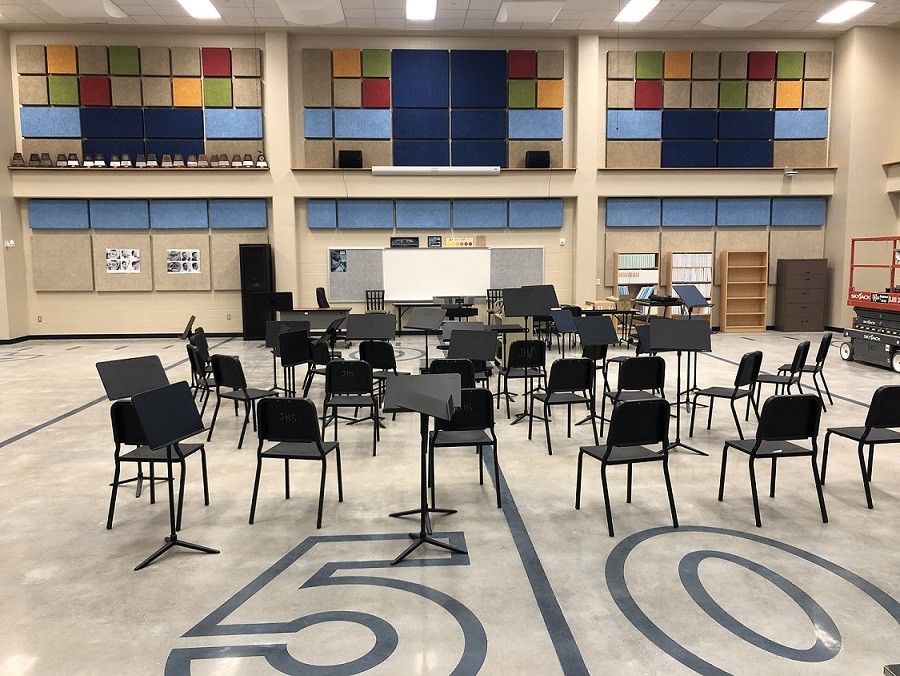
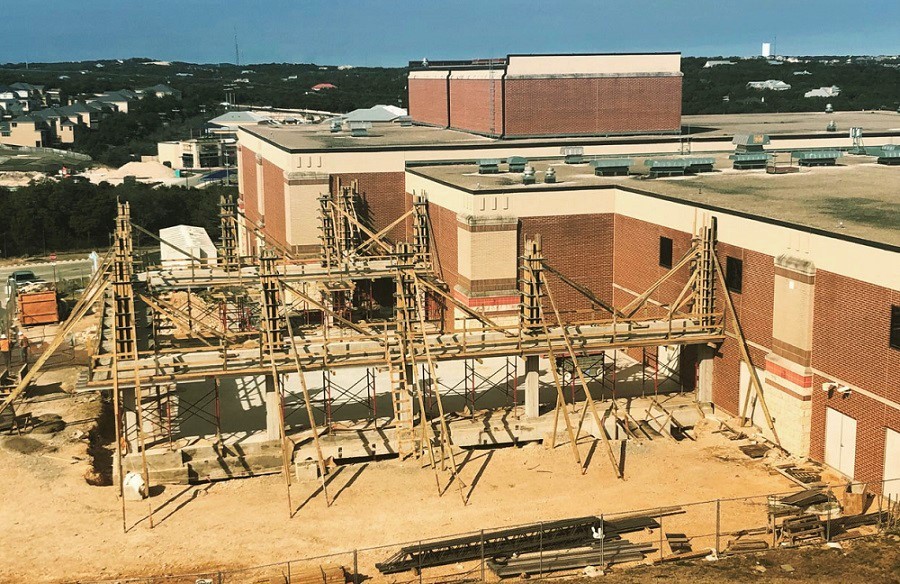 Looking at an explosion of population on the northside of San Antonio, the NEISD 2005 bond aimed to relieve stress on Reagan, which had a capacity of 3,000 students, but enrollment was approaching 4,000. The initial plans for Johnson provided for a capacity of 3,000 students, but during construction, administrators approved an additional wing that expanded capacity to 3,200. The new campus included a 4,000-square-foot music rehearsal hall.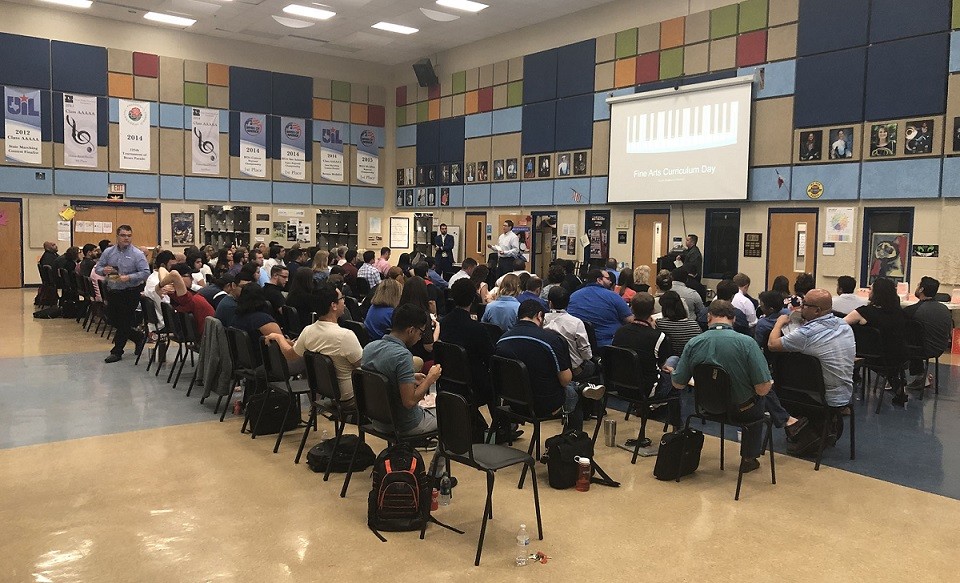
 The CBAC identified Reagan, Johnson and







 Thankfully, our district had recently made the music librarian the de facto music coordinator for the district, so I went to him and asked for his help and support. Additionally, I came up with several plans of my own. I was not allowed to charge band participation fees, but I could charge instrument rental fees. We have some instruments in the district rental pool, and some instruments at the schools. For the school instruments, I could charge the same rental fees as the district, and I used that money to fund a repair and supply budget. This went into effect almost immediately.
 To recruit students for the beginning band at Meadows Elementary, I made sure to talk to all 5th graders on the third day of school along with the elementary strings teacher. She played her instruments, and I played several winds instruments including clarinet, trombone and trumpet. We answered questions and handed out interest forms, which also helped with instrumentation as we could assign students to their first or second instrument choices.
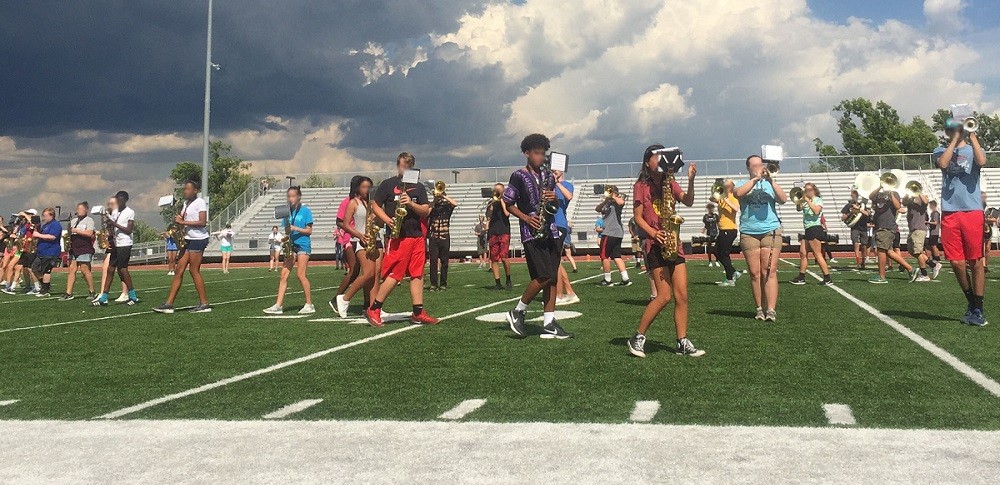 With each year of experience, I have gained more confidence as a music educator and have found better ways to be effective, efficient, and to challenge and support my students in the classroom. I have brought in guests from universities and local businesses to talk to my students and broaden their understanding of music. I have commissioned new works for my band as part of a consortium. I have taken my groups to festivals, tours and on trips to enrich their band experience. I just want to continue to challenge my students and let them experience life through the power of music.
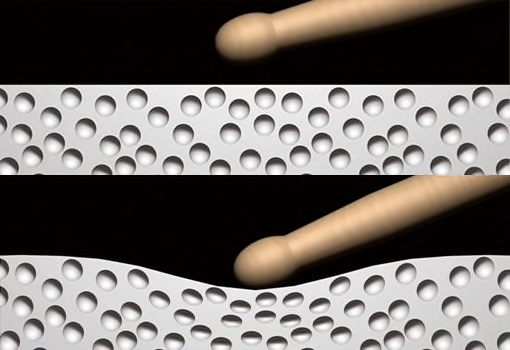
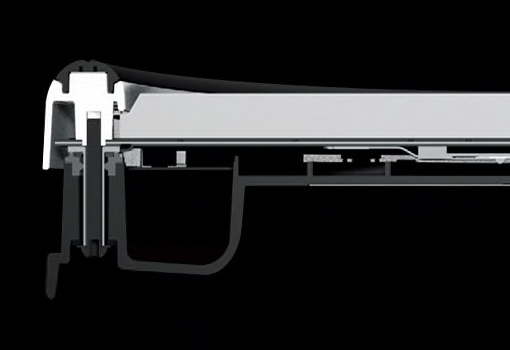
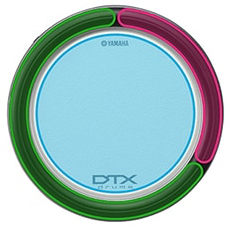
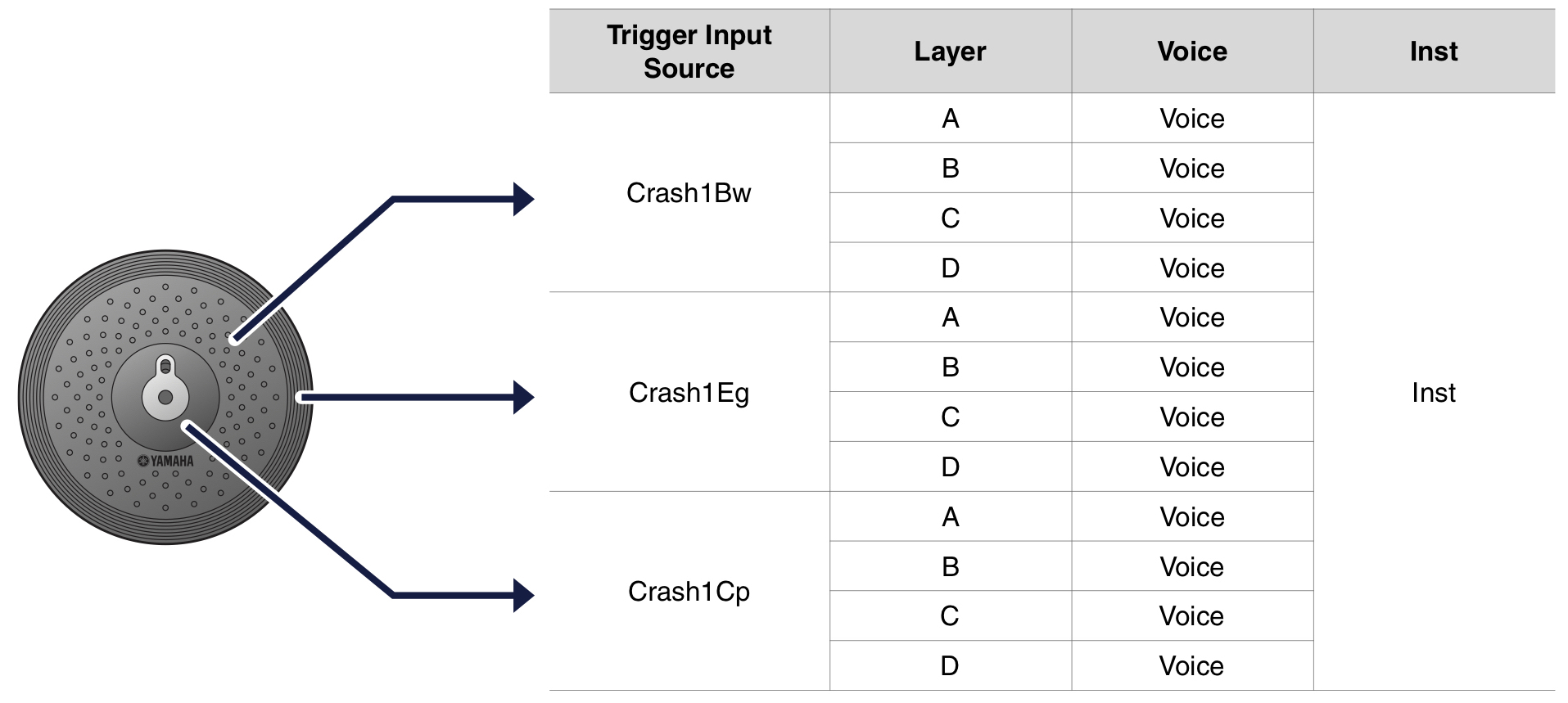
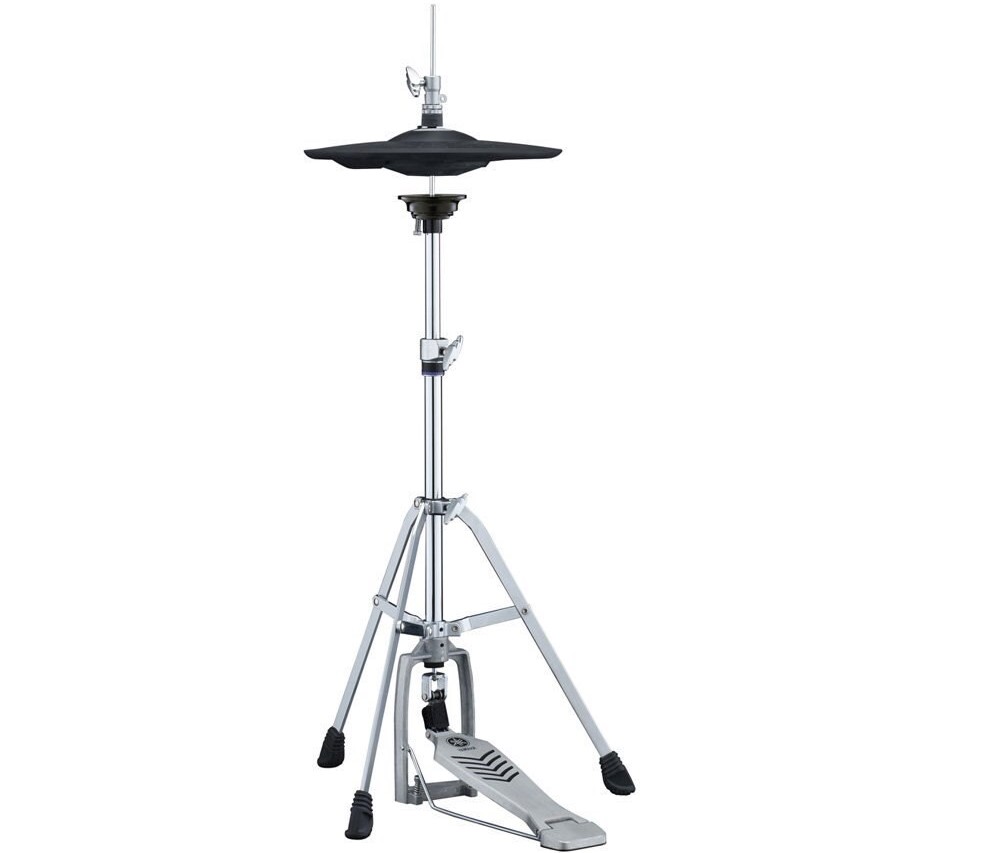
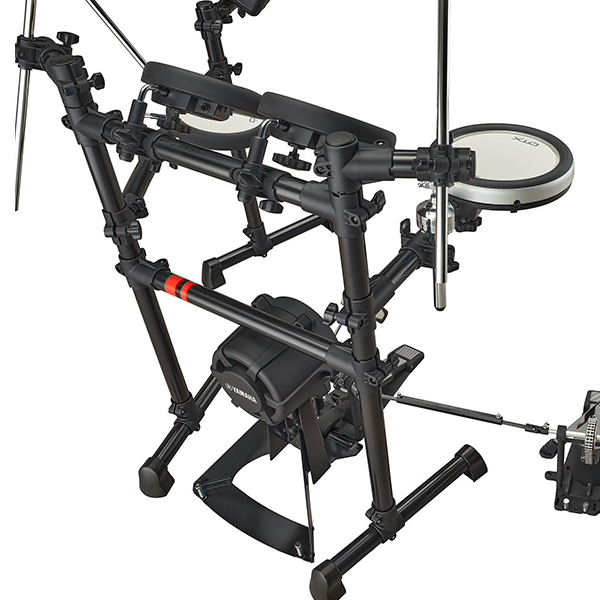
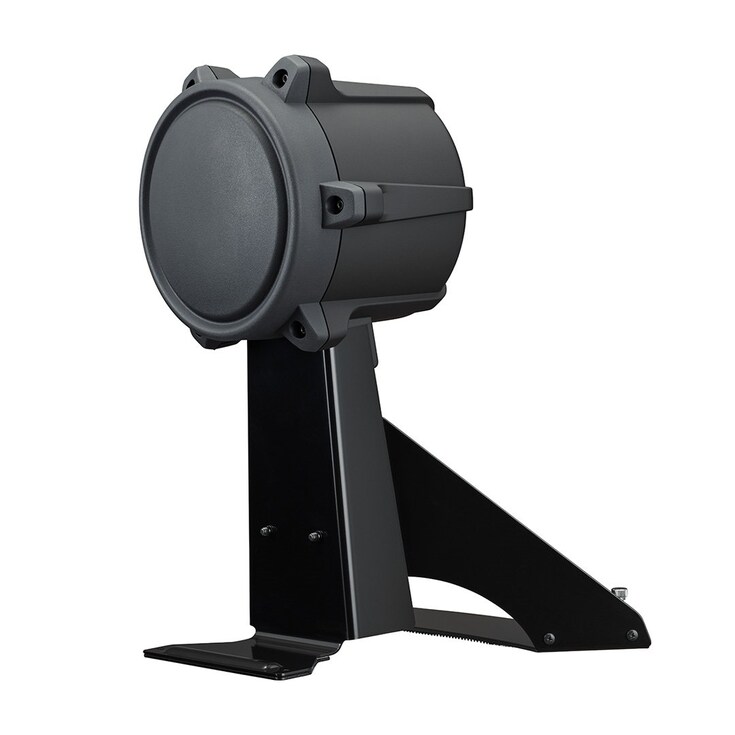



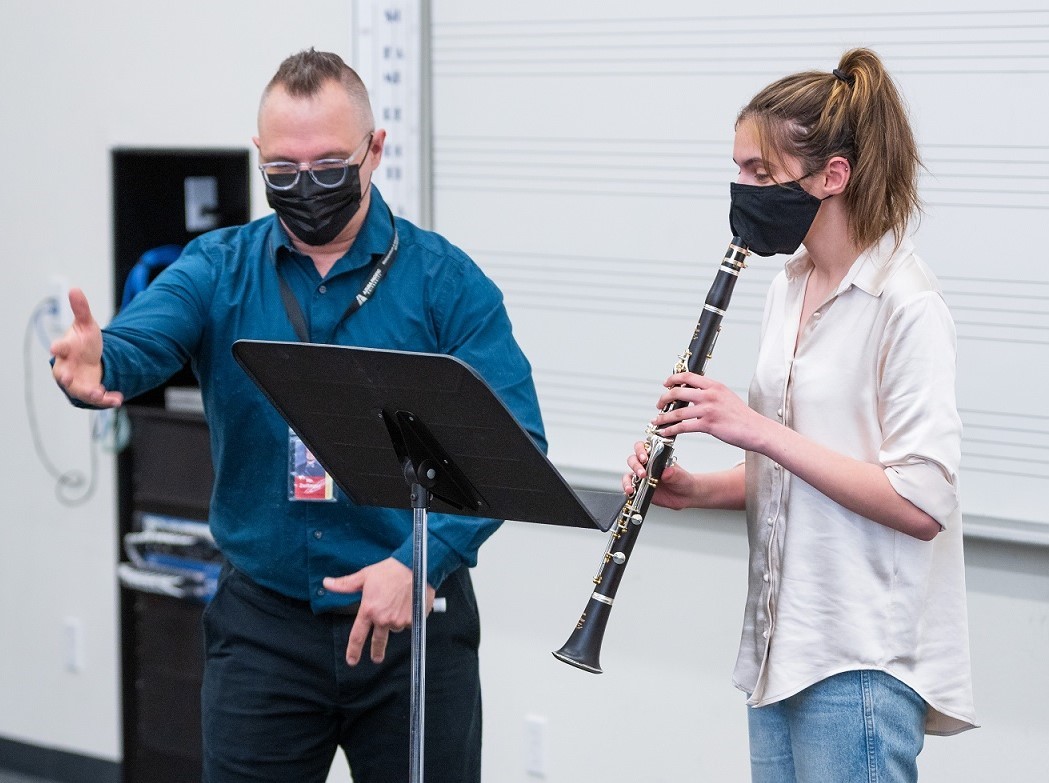 In past years, Zeilinger has even taught hand bell and steel drums when students express the desire. “When I see the interest, I’m going to go down that path because I want my students’ high school experiences to be memorable. … My program is really focused on developing the desire among students to pursue something they’re passionate about.”
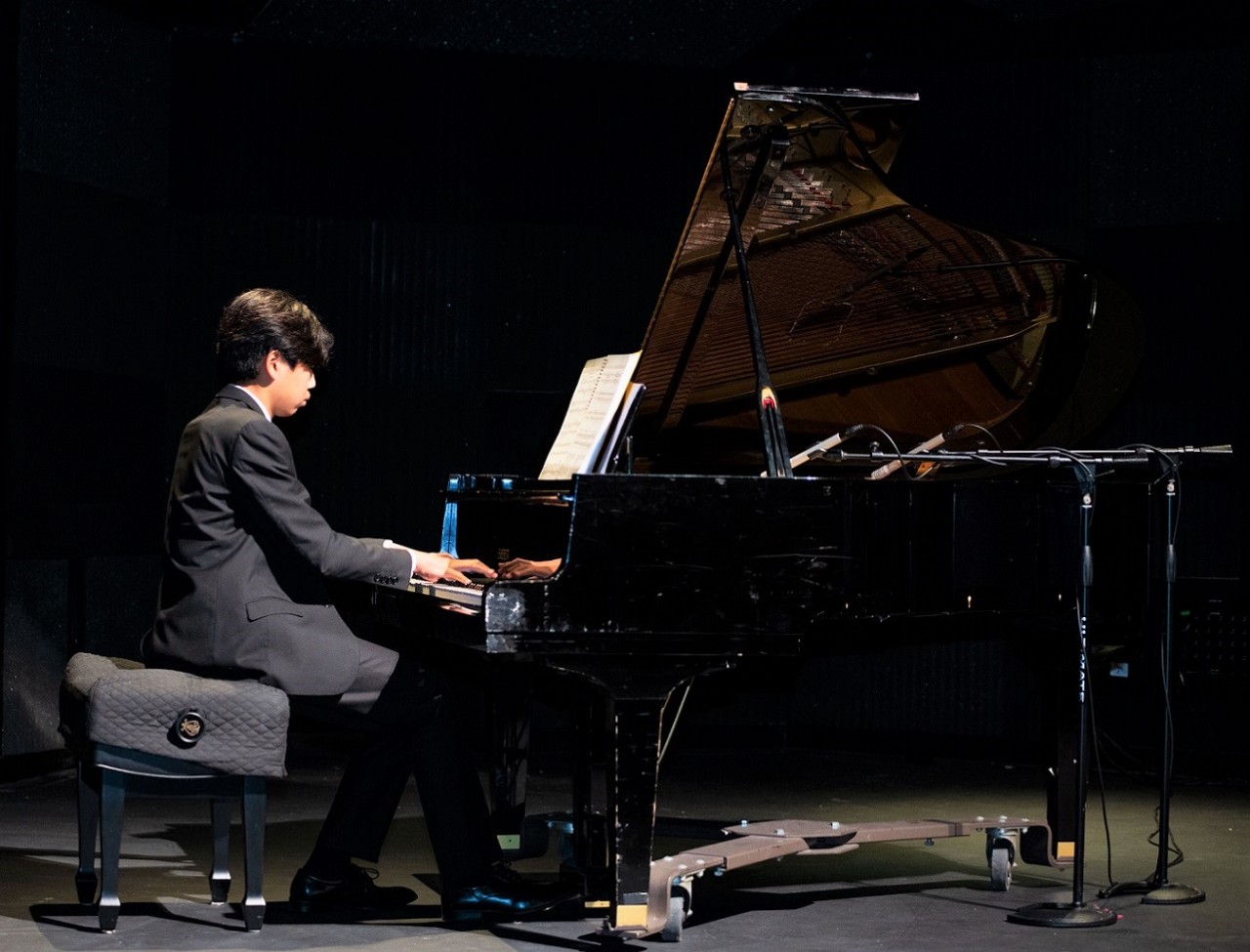 Starting in the 2021-2022 school year, students will have the option to participate in the academy and benefit from a field trip to the

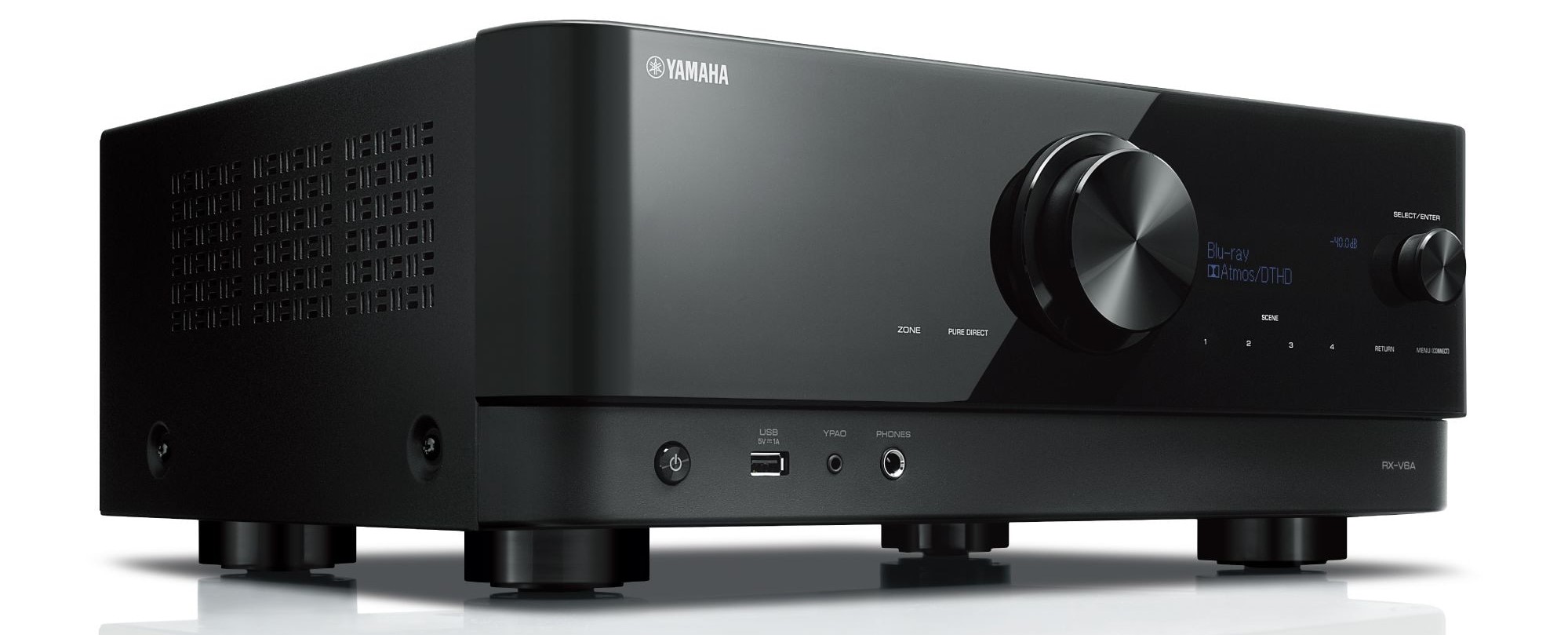
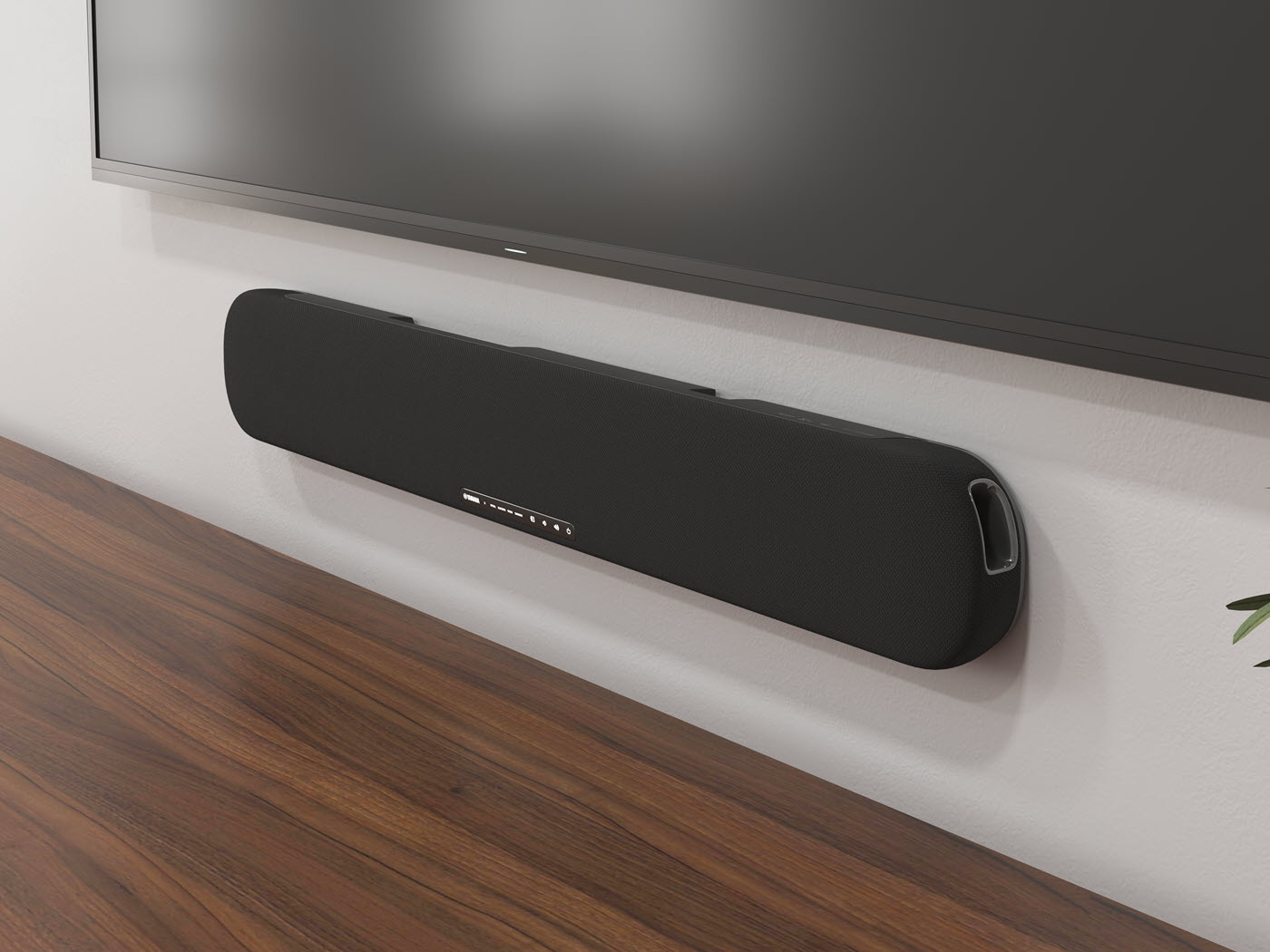




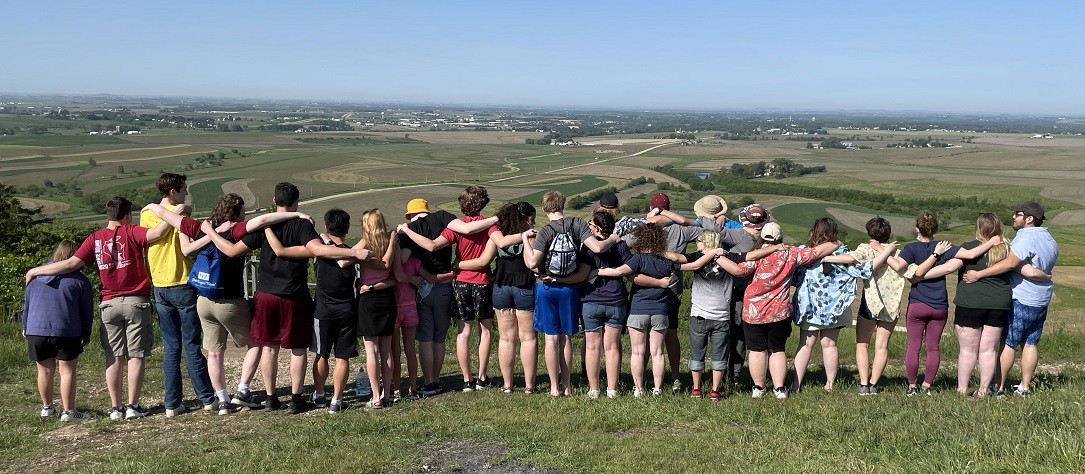 Often, teachers are intrinsically driven to make the favored ensemble from their past the highest quality possible because they have such a clear picture of what they want, they know what success looks like, and they have a strong connection to that particular ensemble.
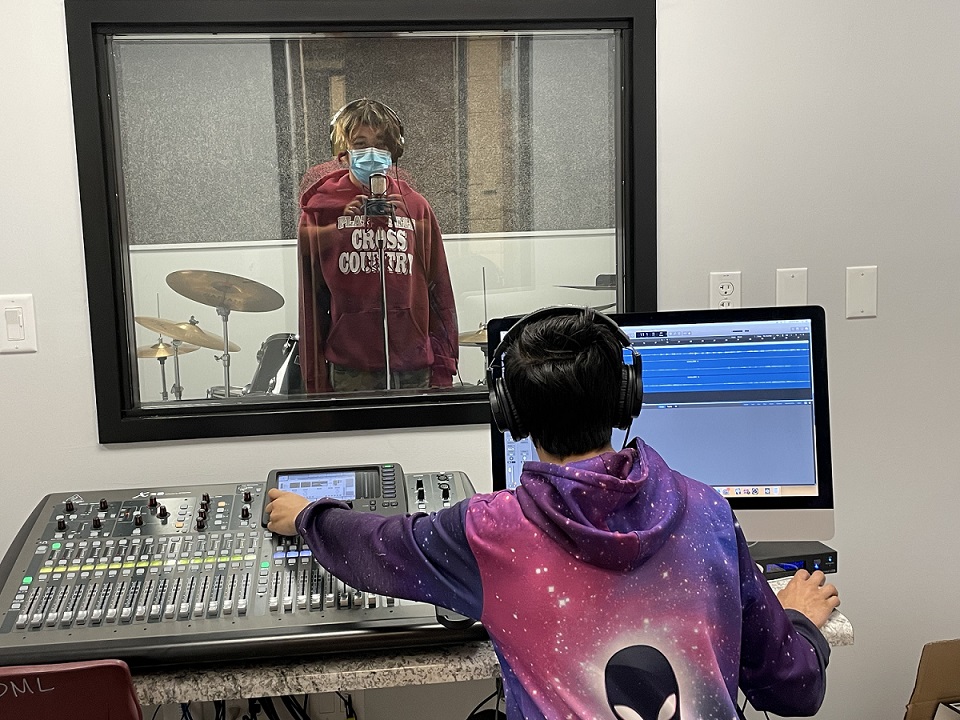 In the fall of 2019, after two years of learning, consulting and writing grants, we had a recording studio in our school! I remember feeling confident that I knew what I didn’t know on the first day of my Digital Audio Production class. Little did I know that I was peering into a doorway of doorways!
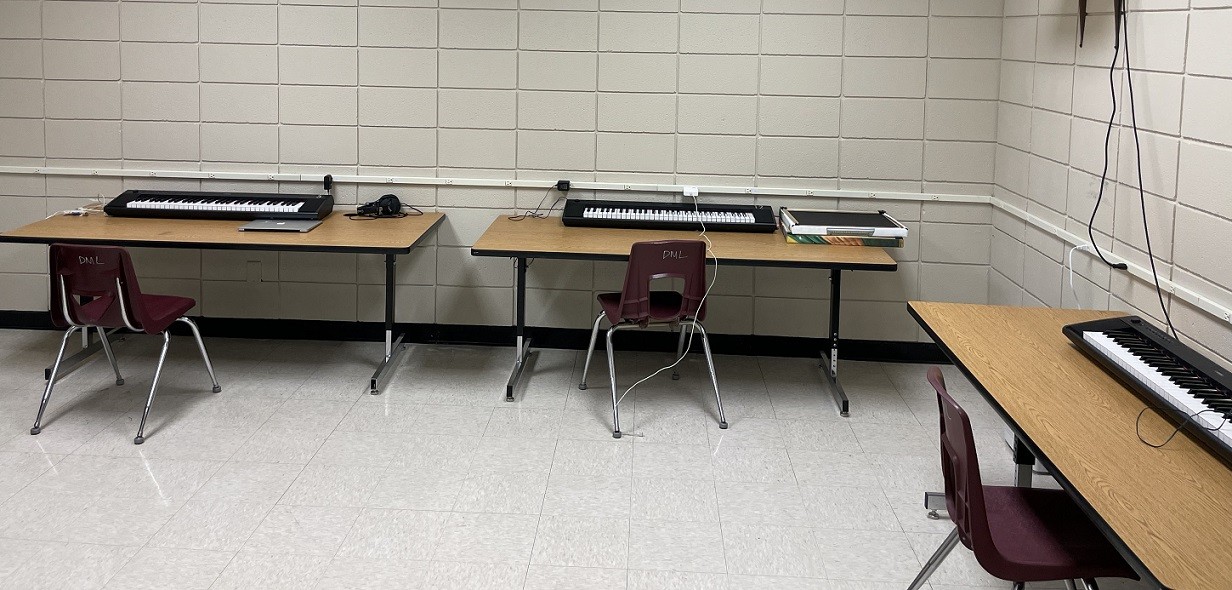 For instance, our marching band went from a three-set to a 60-set show and started participating in the

 An LEA might also address the needs of students arising from the COVID-19 pandemic by using ESSER and GEER funds to implement or expand arts programs,
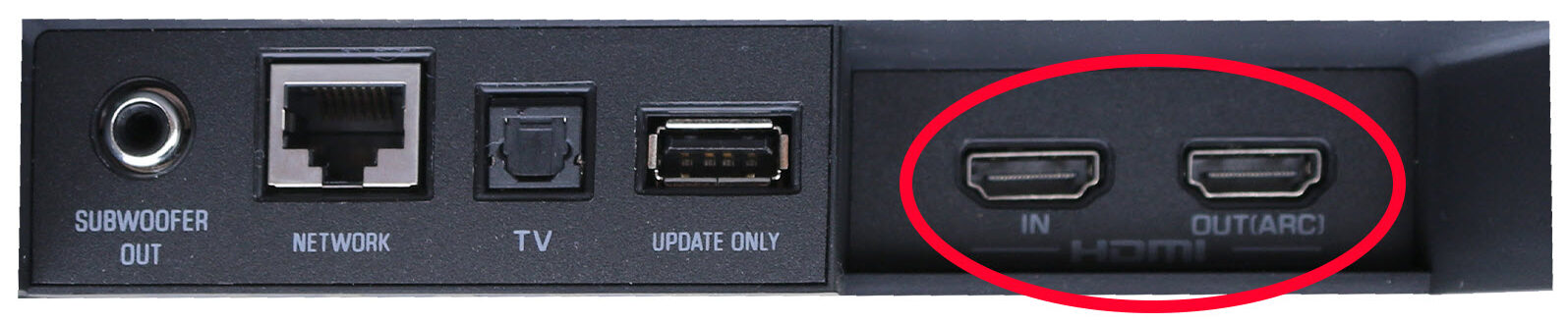
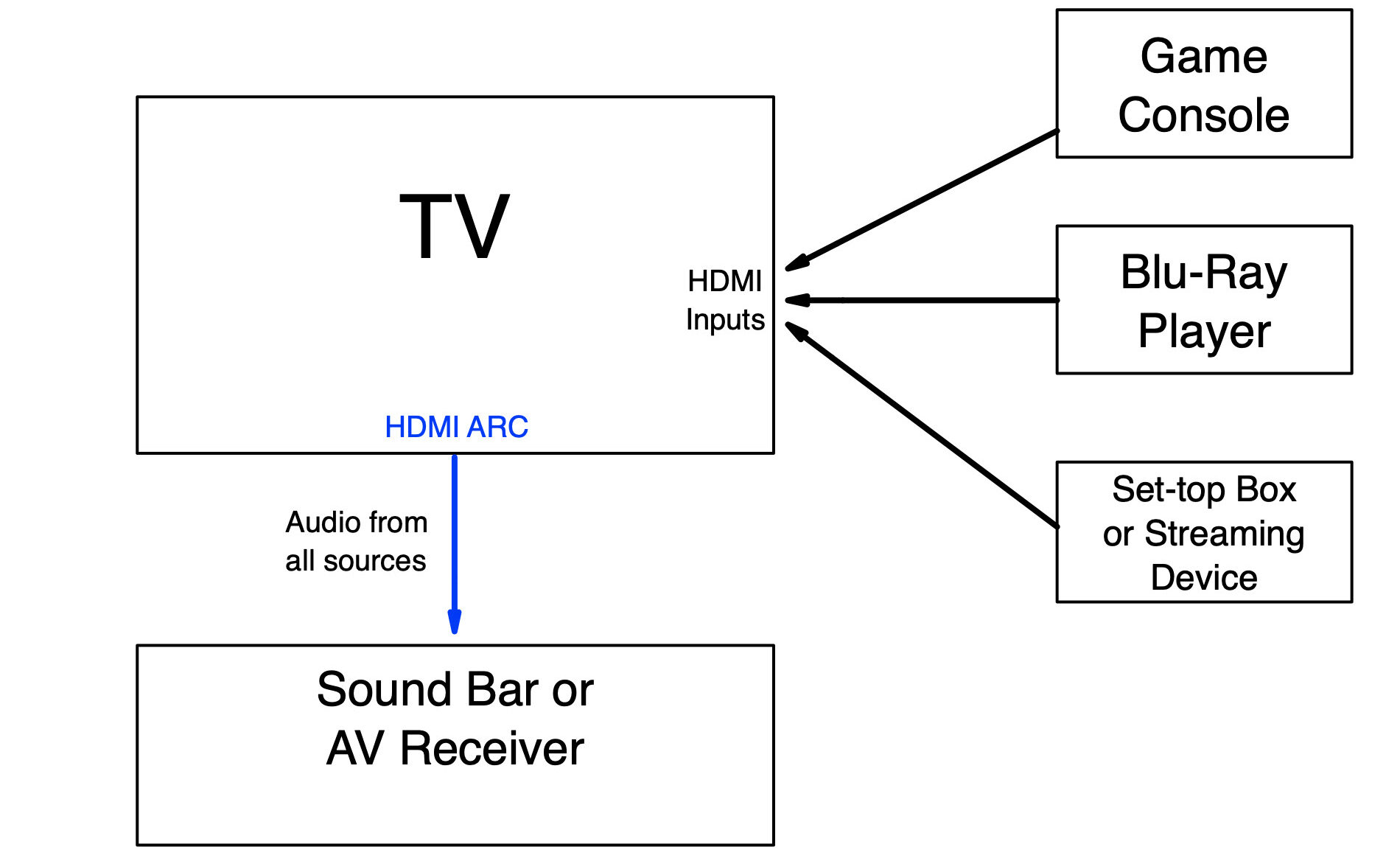
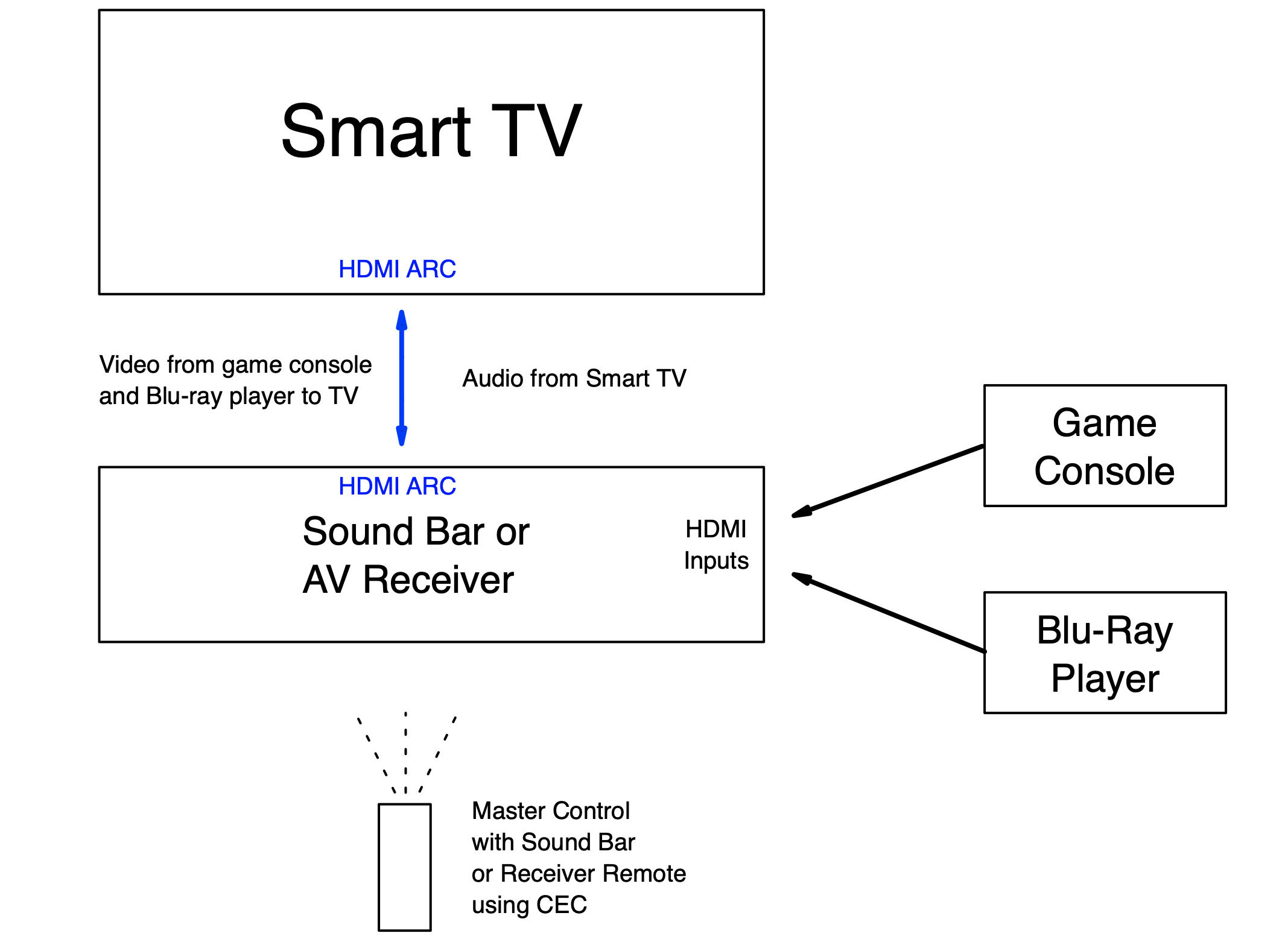
  Developing and implementing procedures and systems to improve the preparedness and response efforts of LEAs.


 Schaffer and the art teacher now start the recruiting process by visiting 5th grade classes together. “[The art teacher] takes a couple examples of artwork, and I do a quick breakdown on [the process of band].”
 In his first couple of years at his previous position at











 As they return to “normal,” students may be dealing with grief over lost loved ones and worries about feeling safe. On top of that, they have the evergreen stressors, such as going through puberty, concerns over their appearance or being bullied. Parents are likely feeling anxious, too, with their own worries about employment, physical safety and learning losses for their children.
 Road Trip!









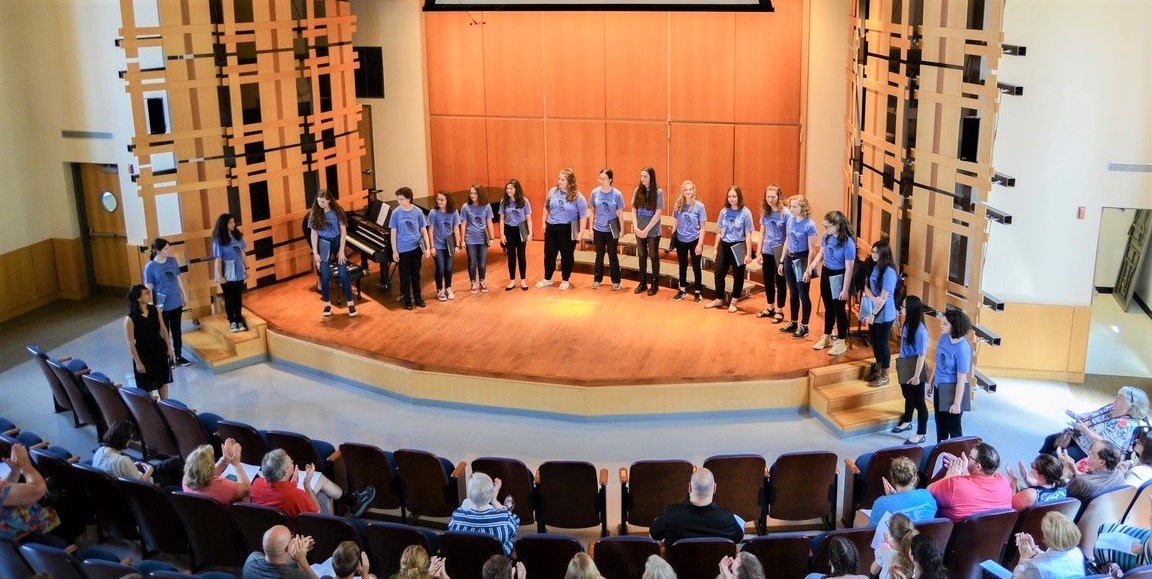 After the initial draft was completed, it was clear that one week was not going to be enough time, so I expanded the summer program to two weeks. To help with the next phase of planning, I hired Temple’s music studies coordinator
 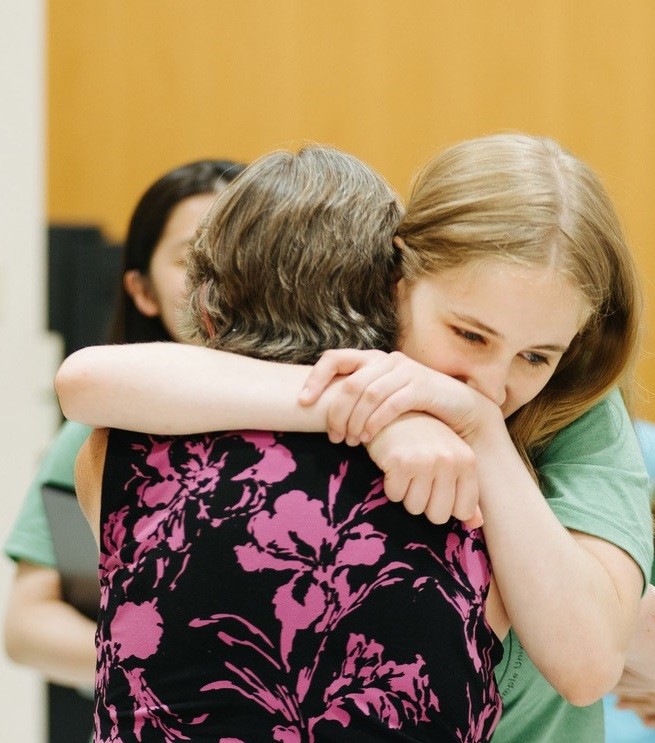 July 2018: After about a year and a half of planning, we arrived at our first program in July 2018. We had 18 students in attendance. About half were from out of town and lived in the Temple dorms, and the rest of the students commuted to and from campus each day. Within the first day, our students formed a strong bond, and the mutual support that they provided one another was beautiful to witness.
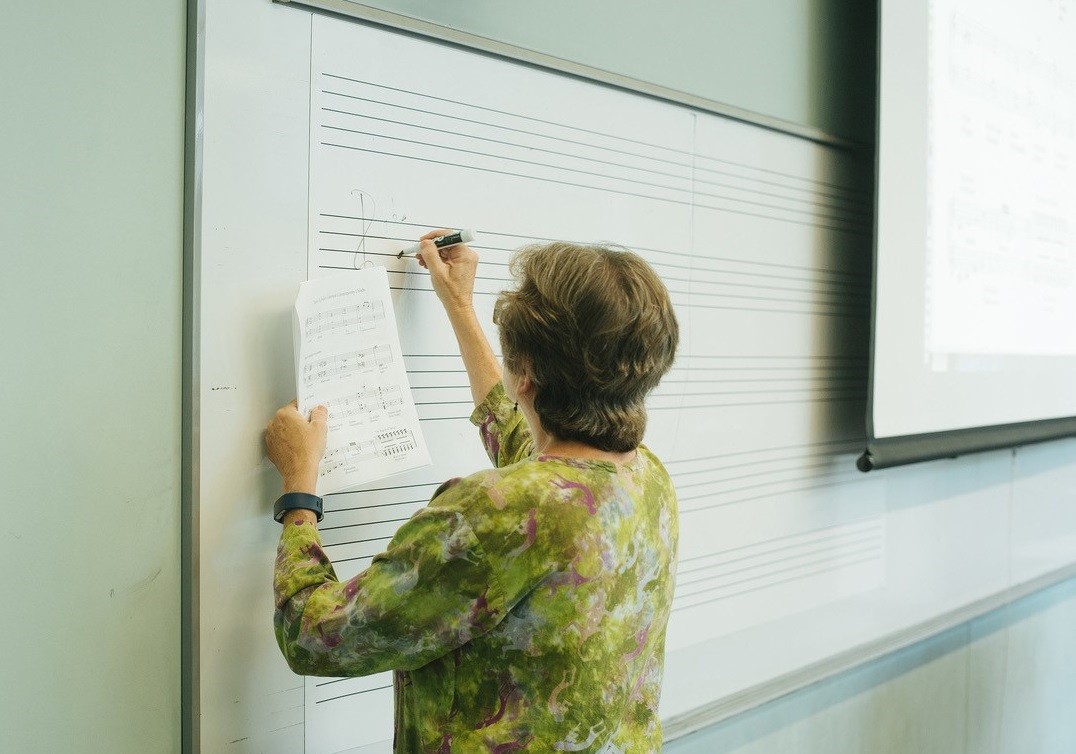 We had no idea how many applications we would get, so we changed our financial model to pay our instructors a variable rate per student rather than provide them with a base stipend. This made it simple for us to scale the program as needed. By the time July rolled around, we were surprised and thrilled to welcome 50 students (a three-fold increase from previous years) tuning in from all across the United States, Canada, Asia and Australia.
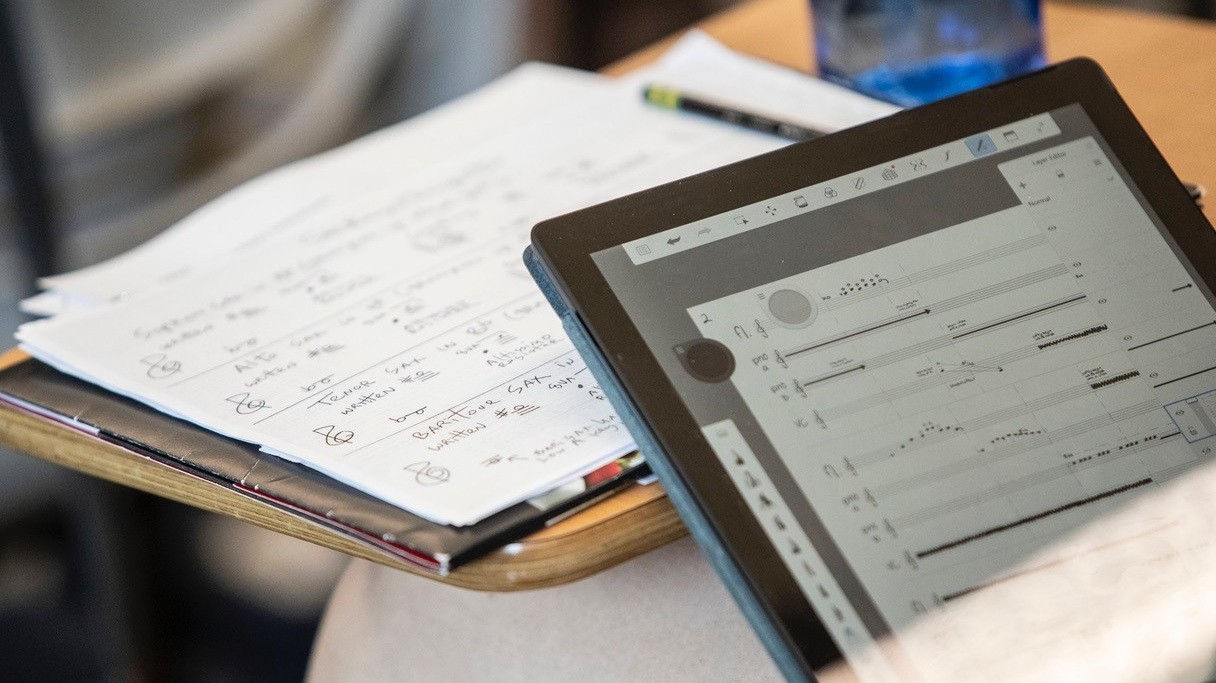 Our 2021 program, which will take place virtually in July, will feature returning instructors
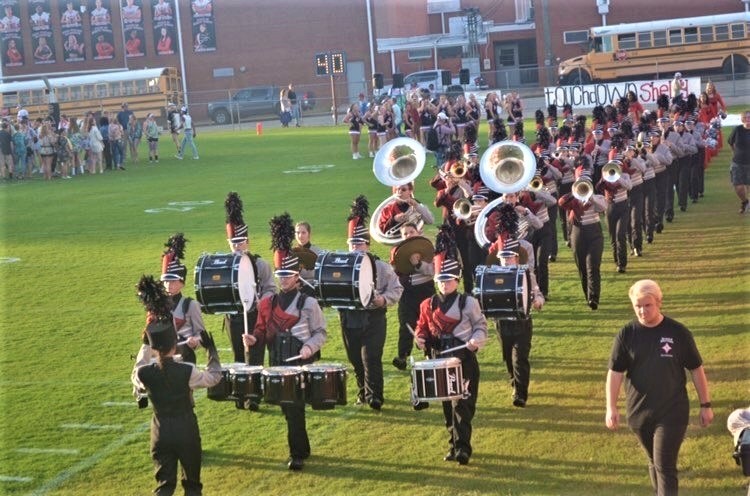 The school year began with band camp, and I hit the ground running by getting to know the students and community members. At the conclusion of the fall semester, the boosters had raised their concession stand money for the year, but we still needed more money. Going around our small town, I met many people who wanted to support the band. I spoke with my administration about launching a fundraising capital campaign to donate for new uniforms. I decided to send
 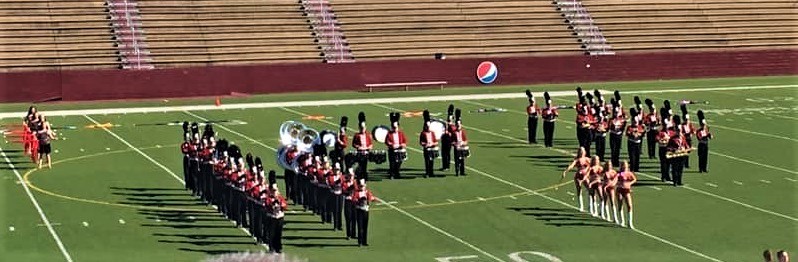 The first year of the grant offered $16,000, 20% of which had to go to professional development. With these funds, I planned to repair all school instruments, so they could be used, and purchase some new instruments to start a supply to offer students. With grand funds in the subsequent years, I would add to the collection of instruments.
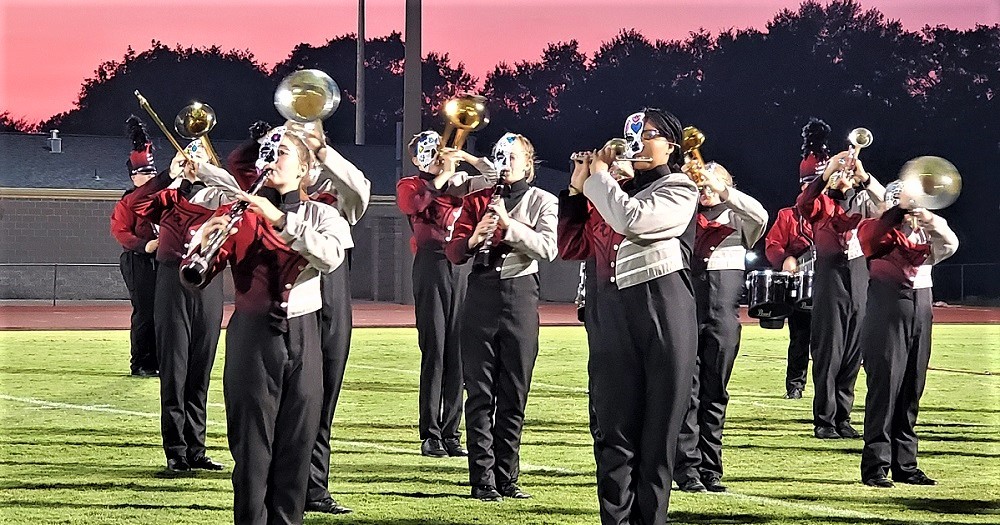 Next school year, the marching band will be back up and running at full capacity with a new show called “Royals of Rock.” We will chronicle a performer’s journey to become a rock legend by learning from the masters like








 Anecdotally, I don’t think they are. In my experience and discussions with teachers in these areas, I think a few other elements are in place. Suburban schools may have lower instances of mobility and chronic absenteeism than a low-income area school. Less movement means that more suburban students go through an entire school system from kindergarten through high school compared to their low-income area counterparts. Wealthier students are also in the classroom more.
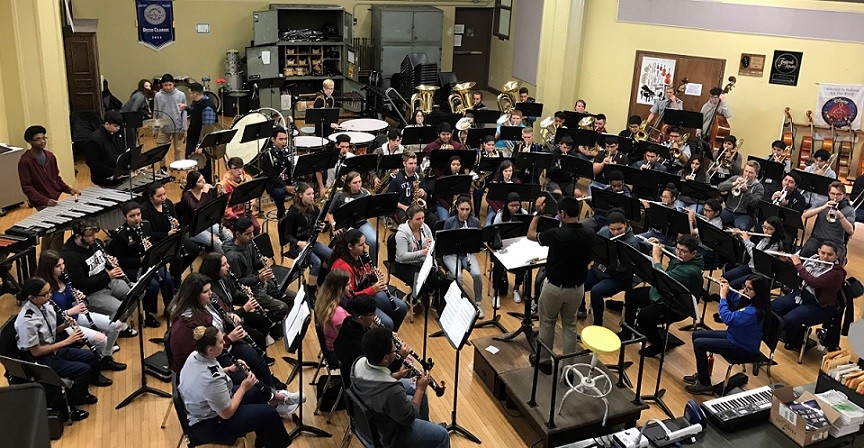 We can give students the skills to practice if they want to or have the time to practice. Explain your practice techniques and goals during a class. If your students haven’t heard you play, perform for them. I’m happy to say that I’ve had a resurgence in playing my instrument in recent years. I use it almost daily in class for a demonstration or to sit in the band when a student conducts.
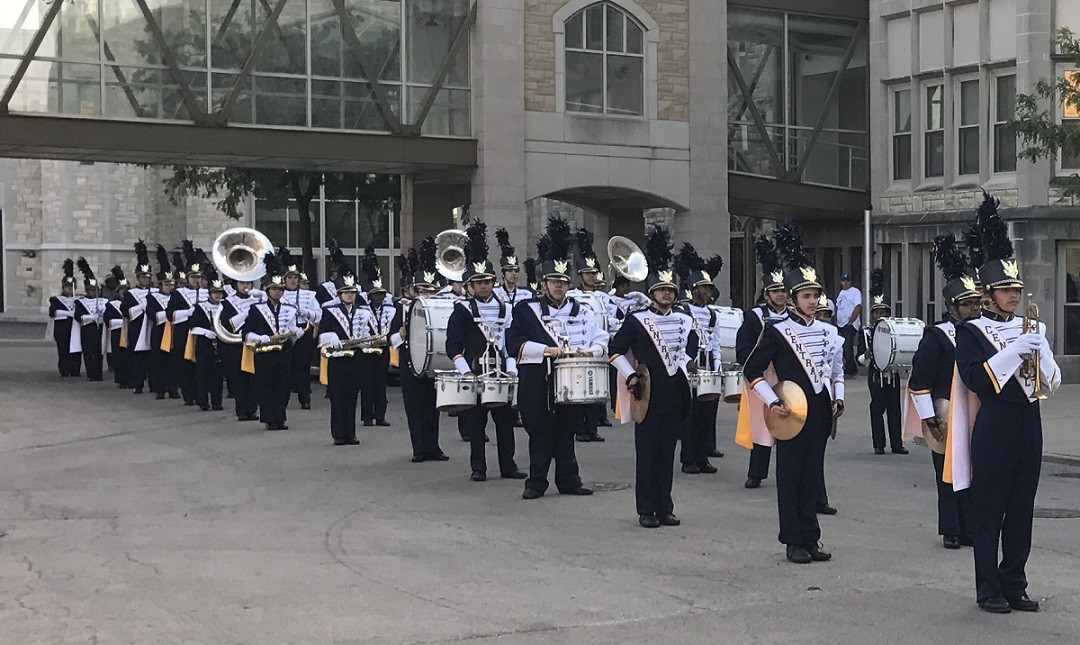 When I first started this approach, I noticed a decline in participation in solo and ensemble contests. Participation in our district and state music education conferences remained the same, but we also had few students qualify for this over the past 20 years. However, our group performances increased in both quality and quantity. State festival invitations started coming in. College bands began inviting us to perform on stage with them, and we were even accepted into two national-level performances.
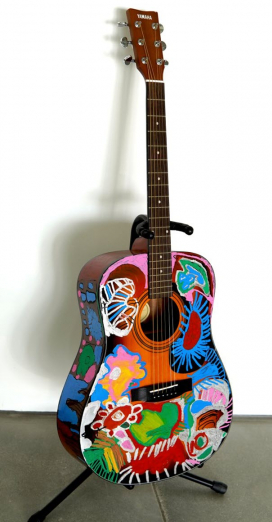
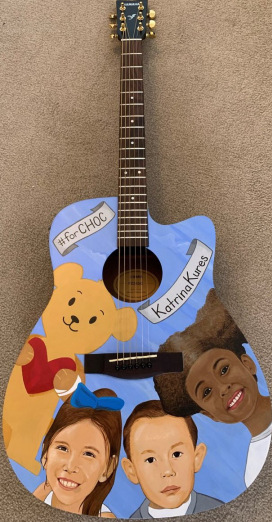
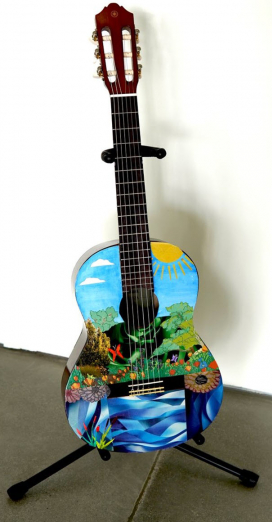
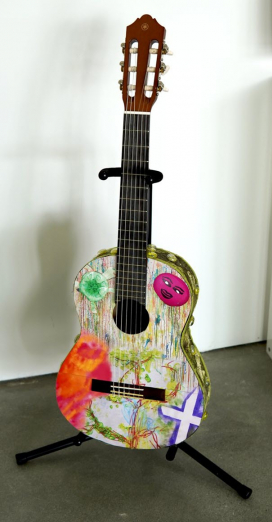
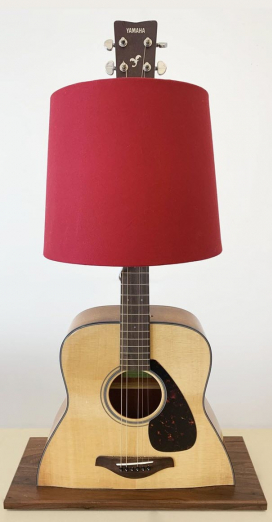
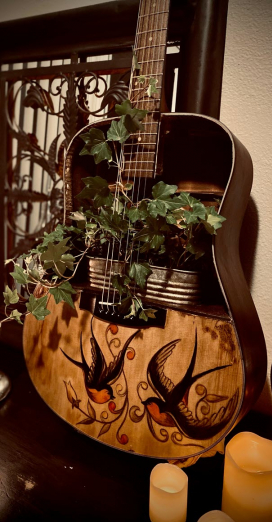

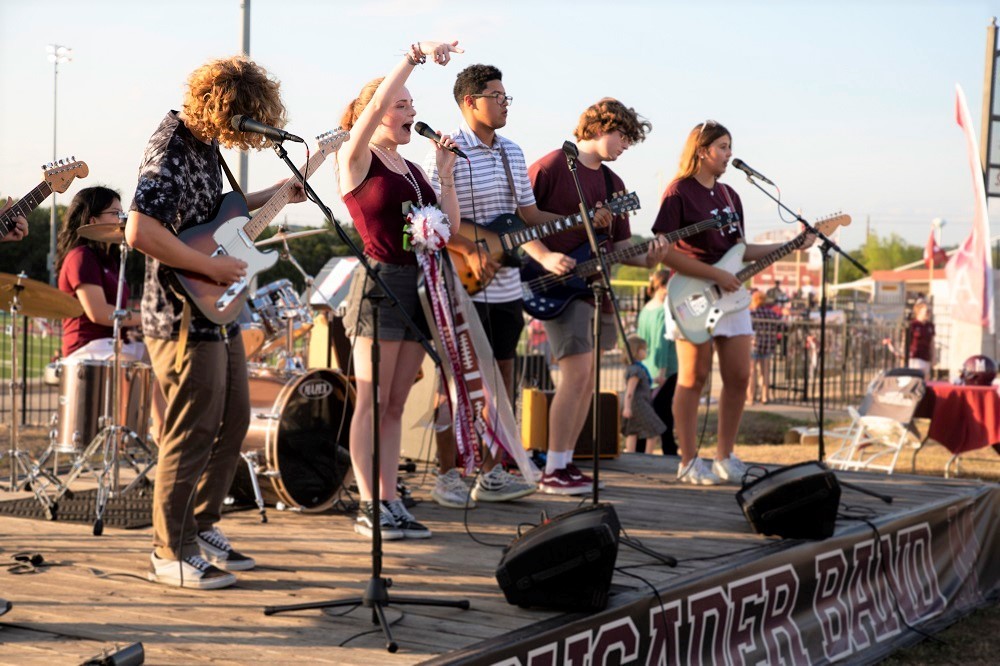 To address the halftime entertainment dilemma, I went with a Super Bowl™-style halftime show that featured our rock bands. This effort entailed procuring custom-made equipment carts to mobilize all the gear. The following year, we started performing at halftime with our rock/country/pop bands. Because the program was steadily growing, and the students were so excited to perform, we also built a wooden stage outside the stadium for tailgate concerts before the games. Today our football game atmosphere reflects a school-wide festival with pregame concerts, barbecues as well as cheerleader and dance team performances.
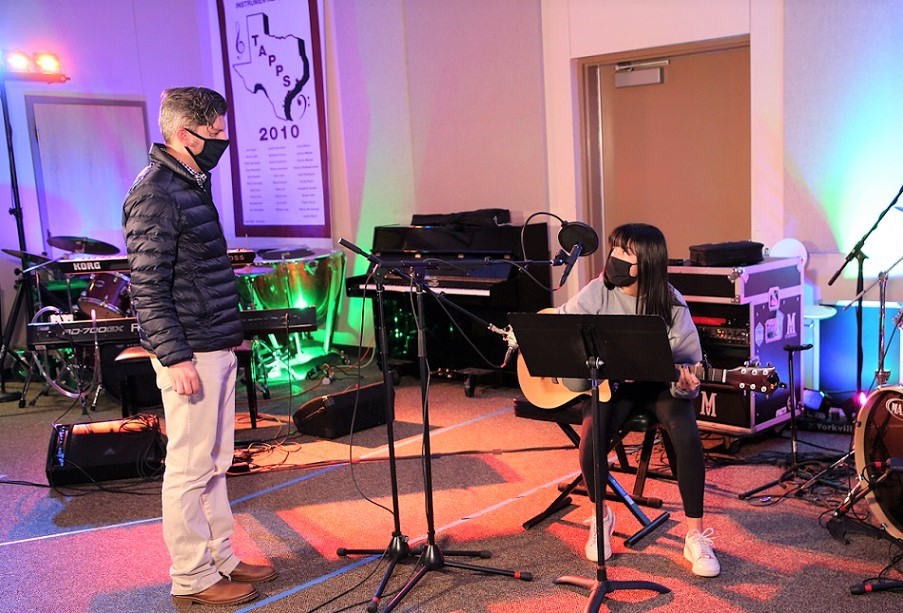 The new focus of the music program has transformed the campus with music becoming a part of everyday school life. The music room was reconfigured to be more student-centric. Instead of walking in and seeing rows of chairs, the room is set up like a live music studio with all the equipment hooked up and ready to provide an atmosphere where students can walk in and begin playing. Seating is set up in a circular fashion where everyone can look at each other and efficiently communicate during rehearsals and easily walk between stations. The idea is that everyone’s part is just as important as the other, and for music to come alive, everyone needs to do their part.
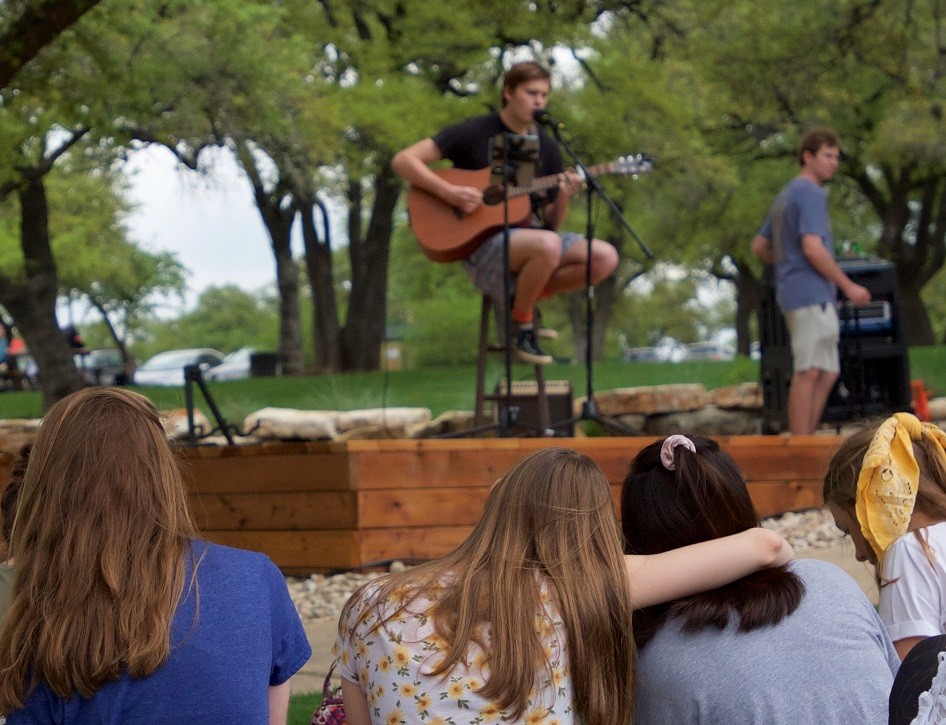 Music students also host “Music-On-The-Deck,” an open-mic performance on the outdoor stage during lunchtime on Fridays during which anyone on campus may perform. Students bring blankets and picnic while listening to their peers play and sing.

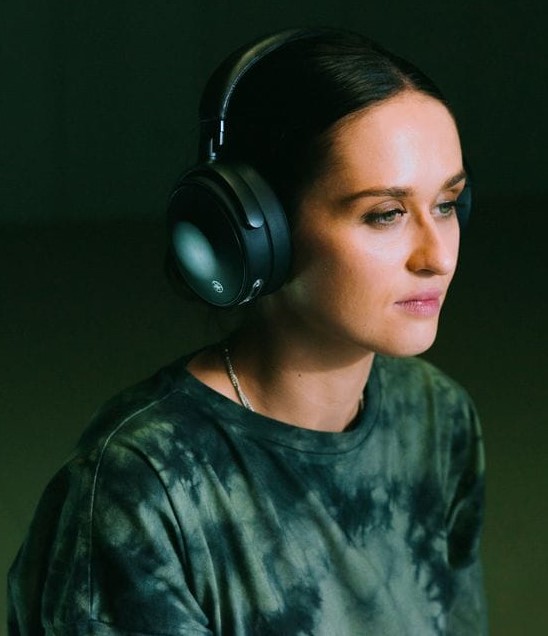



 Located in metropolitan Atlanta, the
  For instrumental music, we provided band and orchestra instruments for programs with the greatest need. The school district provides funding yearly for larger and more costly instruments and equipment, including low-brass instruments, double reeds, low saxophones, percussion, cellos and basses. Other instruments like violins, violas, flutes, clarinets, trumpets and alto saxophones are usually provided by the students themselves
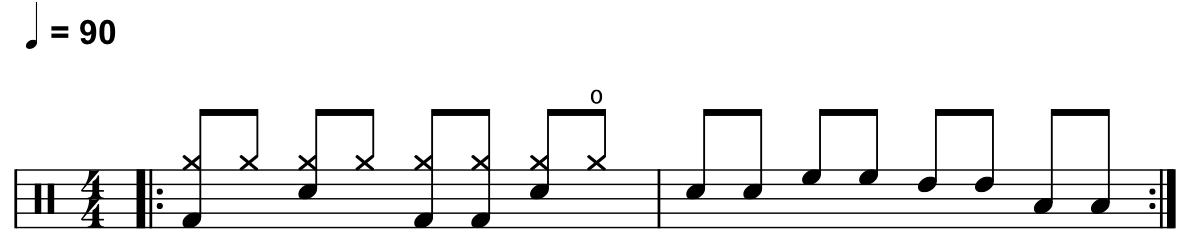
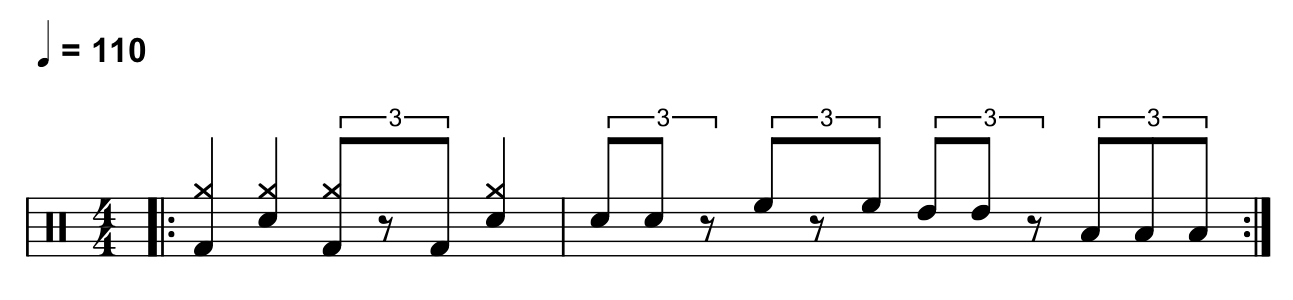








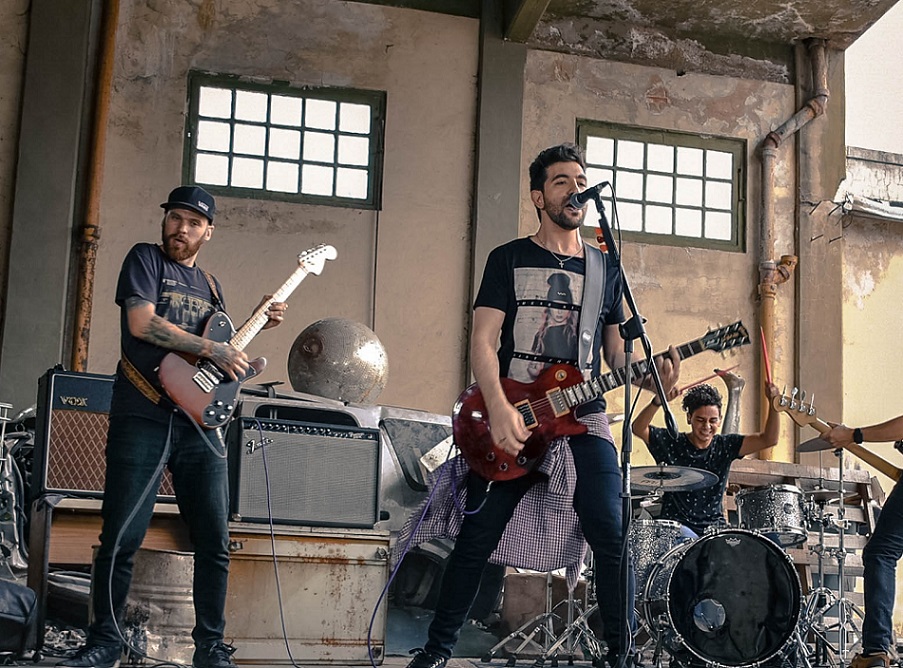 It all started when a group of students approached me to ask if they could use the choir room for what would eventually become the afterschool Musician’s Club. In the process of agreement, I became the sponsor of this fledgling group of garage band musicians. Each Thursday, we met for an hour after school. These students were passionate about the music industry.
 Subsequently, I invited
 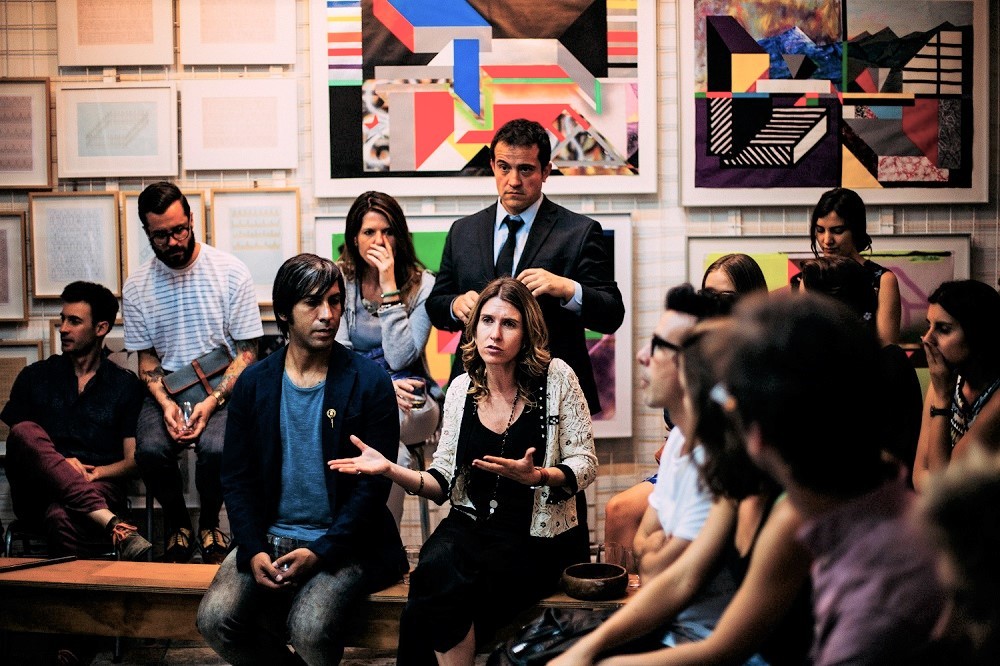 Music business education is adaptable to any demographic profile and molds to meet existing needs in a school or district. In addition, music business education is cross-curricular and also addresses the skillsets taught in the STEM pathway. Finally, remote learning is probably here to stay — at least in part. Music business education works on a digital platform just as easily as in person. Unlike a traditional music class where directors have scrambled to create a way to teach and assess a performance-based class virtually, music business is interactive and frees the teacher to design lessons that can be assimilated through a variety of mediums.
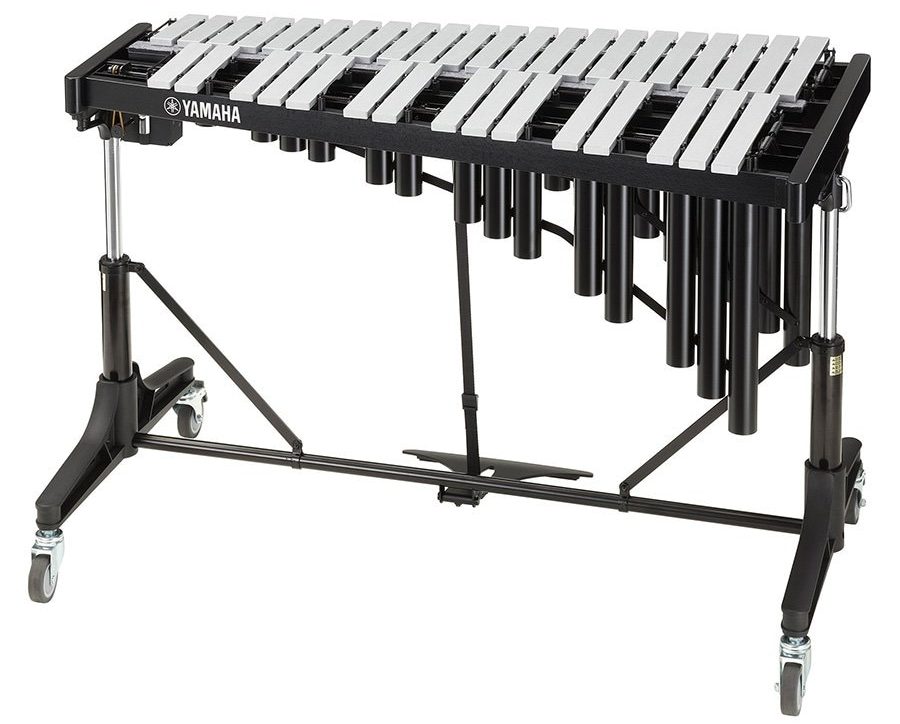
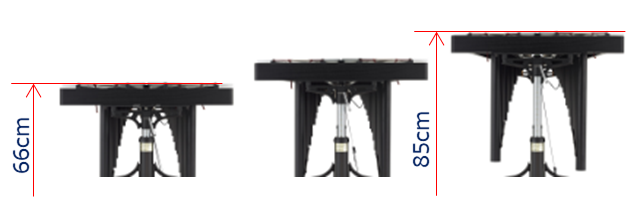
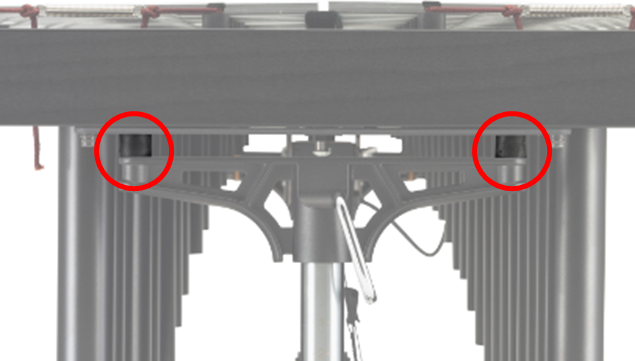



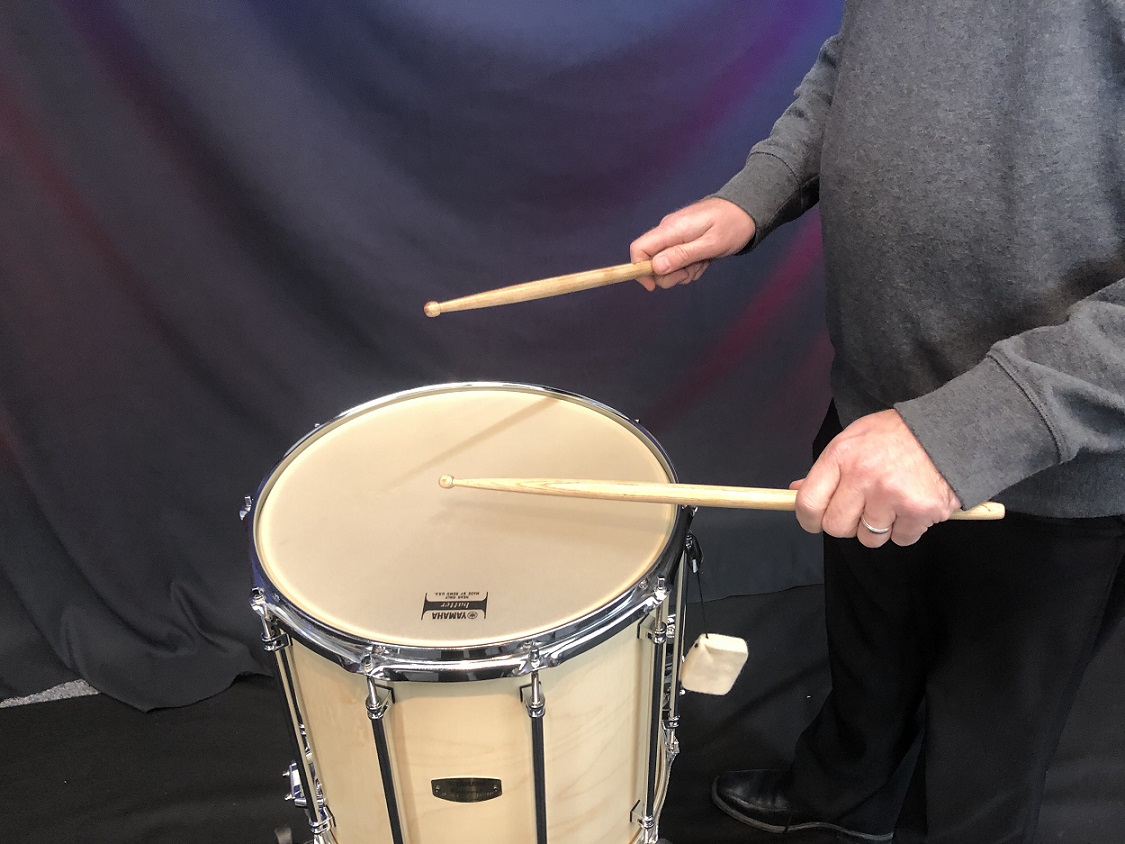
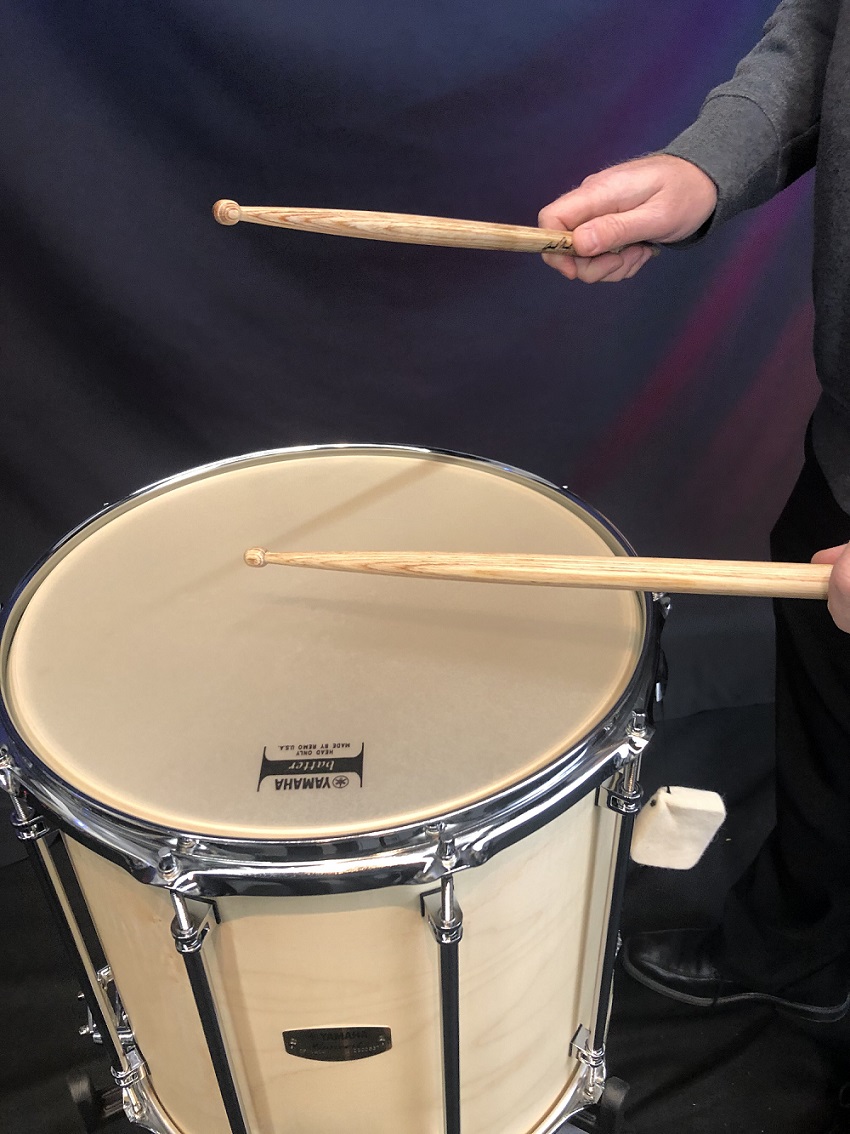
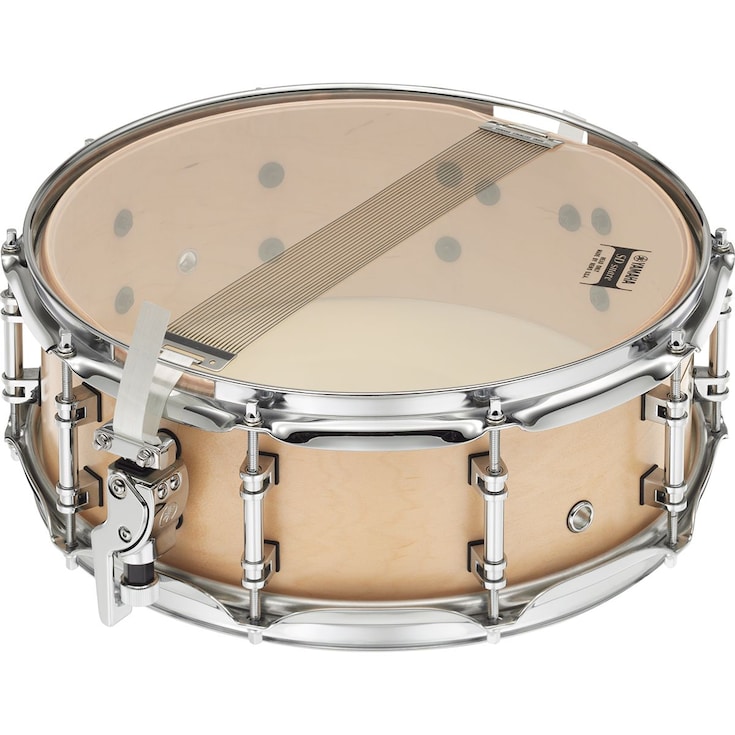 One of the things that makes the snare drum and snare drummers special is the capacity and responsibility to lead. Whether laying down a powerful backbeat on drum set, executing a delicate passage in orchestra or cleaning a showstopping feature in drumline, the snare drum acts as the “nucleus” of percussion — the center from which everything else derives.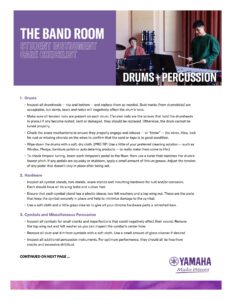

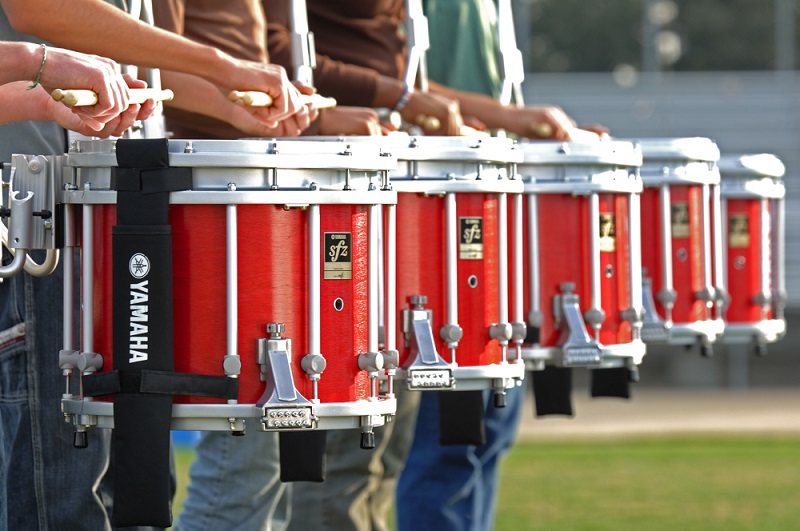 As the parade floats passed by my family, I could hear something rumbling and sensed a quickening of energy from just over the hill to our left. It was the high school marching band! As the students emerged before us, the crisp, throaty timbre of early 1980s marching snare drums resonated to a fever pitch throughout my entire body. I’ve been chasing this feeling ever since.